When the Border Became a Line of Fire: Life and Fear on the Thailand–Cambodia Frontier
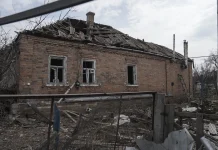
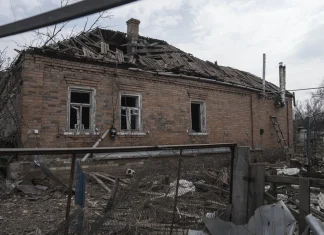
The night is supposed to smell like jasmine and grilled fish along the border between Thailand and Cambodia. Instead, for months now, it has smelled of smoke and fear. What began as an argument over a scribble on a century-old map has roared back into life, sending half a million people fleeing their homes and turning sleepy border towns into tents, soup kitchens, and shell‑punctured rice paddies.
This is not a distant, contained skirmish. It is a human landscape: markets emptied, schoolyards turned into refugee reception centers, monks whispering prayers in the shadow of military convoys. The long, tangled 800‑kilometre boundary drawn during colonial times is not just lines on paper — it is the seam where history, identity, and politics catch fire.
What happened — in plain human terms
Violence ignited earlier this week, with both sides accusing each other of opening fire and striking civilian areas. At least 25 people have been reported killed in recent days — including soldiers and non‑combatants — and each new count seems to bring the grim arithmetic of displacement into sharper focus.
On Friday, Phnom Penh made a stark move: a blanket suspension of entry and exit across all Cambodia‑Thailand border crossings. For many families it was the final punctuation mark on a week of chaos. “We left with only the clothes on our backs,” said Somaly, a mother of three sheltering at a temporary camp in Oddar Meanchey province. “My eldest clutches his toy every time there is a rumble. He thinks it’s thunder, but it’s not.”
Diplomacy, misinformation, and a truce that never quite landed
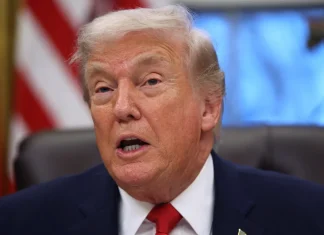
The diplomatic scene has been as messy as the battlefield is dangerous. In recent days, a bold claim from a global leader — that a ceasefire was in place — briefly pulled hope through the airwaves. But instead of calming nerves, it highlighted how fragile and performative peace can be.
“They told us on the radio that the shooting would stop tonight,” said Chanthou, an elder in a village near the border. “But when the sun set, the guns kept talking.”
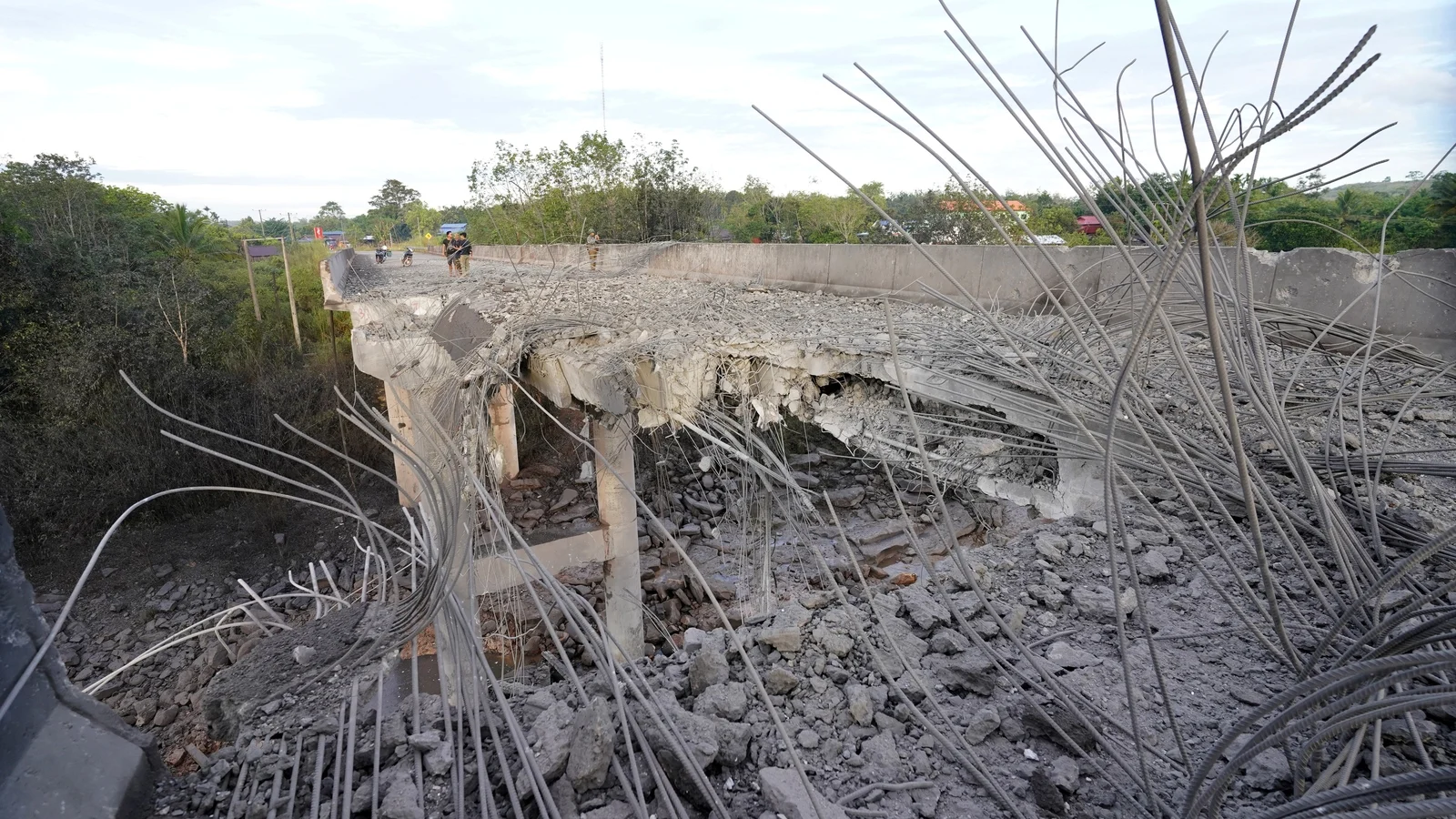
To be clear: a regional ceasefire had been brokered in July with help from the United States, China and Malaysia acting as intermediaries, and extended with a follow‑on declaration in October. Yet trust between Bangkok and Phnom Penh has frayed. Thailand suspended the agreement last month after soldiers were wounded by landmines; now both sides trade accusations of attacks on civilians and destruction of infrastructure. A Thai navy spokesman said two bridges used to move weapons were “successfully destroyed”; Cambodia’s information minister countered that Thai forces had expanded operations into civilian areas.
On the ground: stories that statistics cannot hold
Numbers matter — they give scale to tragedy — but they don’t show the small, raw tableau of life interrupted. At a crowded camp in Thailand’s Buriram province, a woman named Kanyapat, 39, sat on a plastic crate and scrolled through her phone. “I don’t trust Cambodia anymore,” she said. “We tried peace before. My family came back, rebuilt, and then again.”
Across the border in a tent city where people huddle under tarps and mosquito nets, Vy Rina, 43, had a different kind of exhaustion. “I am sad,” she said. “We are not soldiers. We only want to farm. But now every morning I wake with my heart pounding. Who will pick our rice if this keeps going?”
Children have been the invisible tally of the crisis: classrooms half‑full, lessons interrupted, futures deferred. A volunteer teacher in Oddar Meanchey told me: “I taught primary school for twenty years. The children ask why adults cannot stop fighting, and I don’t have an answer I can give them.”
Humanitarian consequences and the numbers behind them
Roughly 500,000 people have been displaced across both countries — a staggering figure for communities that depend on the land for their livelihoods. Health clinics are stretched; the risk of disease grows with every day families remain in crowded temporary shelters. The Thai government reports 14 soldiers and seven civilians killed; Cambodian officials put civilian fatalities at four earlier in the week. Each number is a person — a neighbor, a father, a student who should have been learning multiplication.
International organizations have called for increased aid and safe corridors for humanitarian assistance. Malaysian Prime Minister Anwar Ibrahim has publicly urged both sides to “cease all forms of hostilities and refrain from any further military actions.” Yet requests for access can be blocked by military logic and national pride, leaving relief workers in bureaucratic limbo.
Why this feels bigger than a border dispute
At one level, this is a classic territorial dispute, a relic of imperial cartography. But at another, it is a mirror reflecting wider regional and global trends: the fragility of post‑colonial boundaries, the way nationalist fervor can be stoked by politicians, and how quickly civilian life becomes collateral in modern conflicts.
There’s also the information war. Conflicting statements from capitals, rapid social‑media claims of ceasefires and victories, and the involvement—implicit or explicit—of outside powers make it harder for ordinary people to know the truth. In the middle of this noise, those whose lives are most affected are left guessing whether they will be able to return home next week, next month, next year.
Voices of reason and the long path toward resolution
Experts on Southeast Asian geopolitics say a durable solution will require more than ceasefire declarations. “You need confidence‑building measures, third‑party verification, de‑mining operations, and local mechanisms for dispute resolution,” said Dr. Sothy Vannak, a Phnom Penh‑based analyst. “Without trust, any agreement is just paper.”
Community leaders and NGOs are already working on those granular, slow efforts. At a makeshift communal kitchen near the border, volunteers from both sides of the divide serve rice porridge and listen. “We can’t fight forever,” said the cook, a soft‑spoken woman who asked only to be called Dara. “If we share food, maybe we can share a future that’s safe for our children.”
Questions to consider as you read this at home
When you scroll past a headline about a foreign conflict, what do you imagine? Does it feel distant, or does it touch something familiar — the notion that lines on maps mean little when people’s lives are at stake?
What role should external powers play when local disputes threaten mass displacement? And how can international institutions move from issuing statements to providing concrete, verifiable protection for civilians?
These are hard questions without neat answers. But if this latest flare‑up teaches anything, it’s that the cost of indifference is immediate and human. The border between Thailand and Cambodia is not merely a geopolitical problem; it is a human story, unfolding one day at a time beneath a sky that still remembers jasmine.
What you can watch for next
- Whether international mediators can secure a verifiable ceasefire and safe humanitarian access.
- Reports on de‑mining efforts and the status of civilian infrastructure.
- How displaced populations are supported: shelter, medicine, schooling, and safe return plans.
For now, families wait. Monks chant. Volunteers hand out rice. And the border — as it has for generations — waits to see if diplomacy, patience, and a little human compassion can stitch the seam back together.