A Return to the Spotlight: Celine Dion Announces Ten Nights in Paris
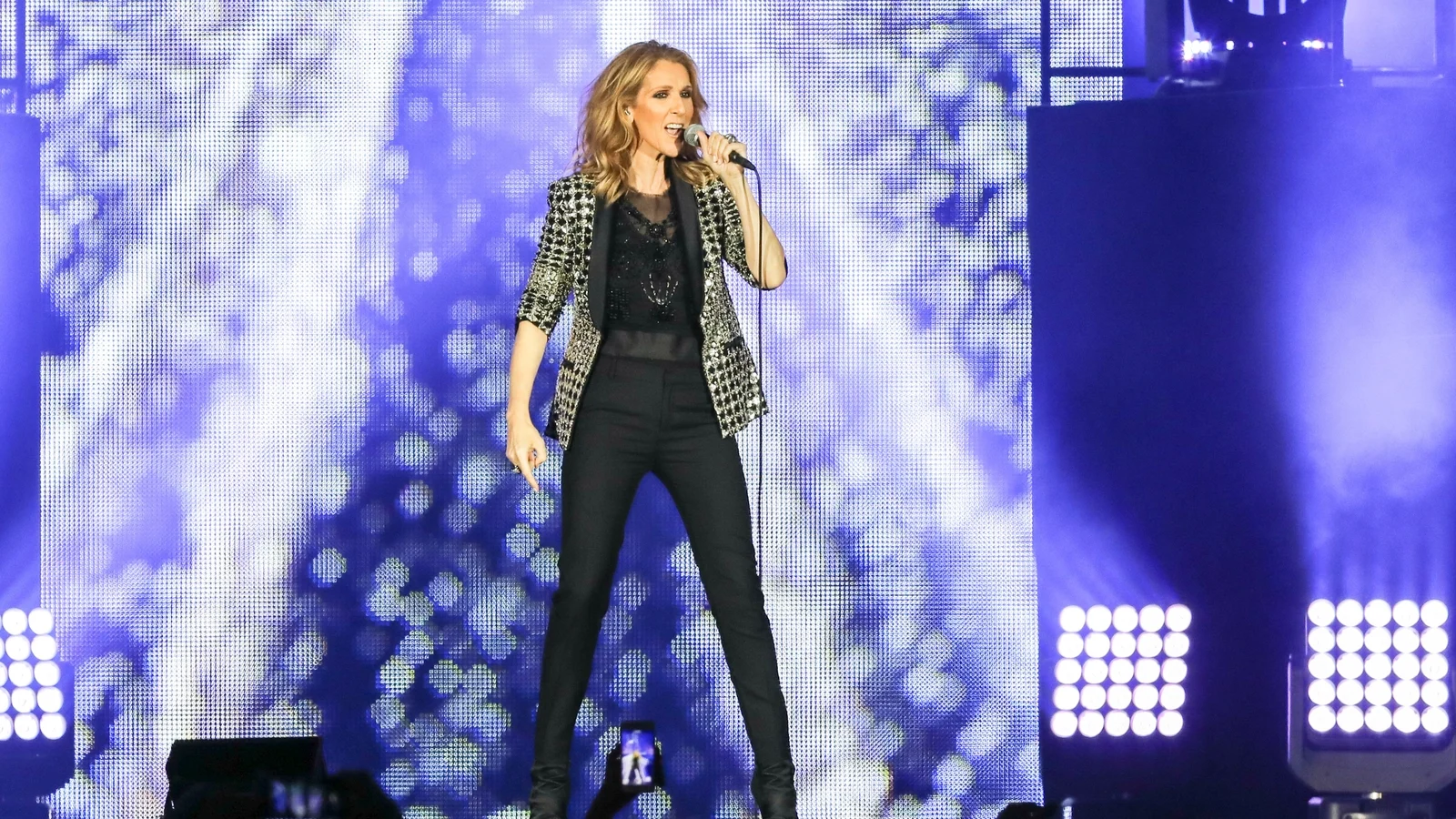
There are few things in modern pop culture that feel as cinematic as a Celine Dion concert: the hush as the lights drop, the first breath before a familiar note, the way the room seems to inhale with the singer and then release in a collective, electrified exhale.
So when Celine Dion, the voice behind My Heart Will Go On and a catalogue of power ballads that have underscored weddings, graduations and lonely car rides for three decades, announced she will perform ten concerts in Paris this autumn, the reaction was immediate—part joy, part relief, part testament to the human hunger for live music after years of uncertainty.
A birthday, a promise, and a Parisian projection
The news arrived in an intimate video posted to social media on what the singer called her birthday. Dion spoke directly to the camera from a leather sofa, steady and warm. “I’ve missed you so much,” she said, and later: “I’m getting the chance to see you, to perform for you once again in Paris, beginning in September.” Whether you first loved her in French or English, the message landed as both announcement and invitation.
That evening, Paris answered in kind. Under the slow, cool sweep of lights, a message bearing her name and the words “Paris, I’m ready. Celine Dion” appeared on a screen near the Eiffel Tower—an old-world monument meeting a new-world celebrity moment.
La Défense Arena: Ten nights, a city’s embrace
The concerts are slated for La Défense Arena, the cavernous, high-tech venue tucked on the western edge of Paris. Between 12 September and early October, Dion will perform across nearly five weeks—ten nights that promise both spectacle and tenderness, a rare run for an artist who has spent the last several years negotiating health, privacy and public expectation.
Tickets will go on general sale at 10 a.m. CEST on 10 April, with a presale beginning 7 April. For fans who live by set lists and stage plots, the promise is simple: Dion will sing in both English and French, drawing upon a repertoire that has comforted and thrilled generations.
More than a concert—an arc of resilience
To understand why this matters, you don’t need to be a lifelong fan. In 2021 Dion cancelled her residency in Las Vegas and postponed a worldwide tour. In late 2022 she disclosed a diagnosis that rattled many: stiff person syndrome, a rare neurological condition that causes progressive muscular stiffness and spasms and currently has no cure. Health authorities including the NHS describe SPS as unusual and complex; estimates place it as affecting a tiny fraction of the population, making each public statement and performance a significant public moment.
Since then, Dion’s public reappearances have been cautious and scarce—until an appearance at the Paris 2024 Olympics and now this fuller return to the stage. For fans, the arc reads like a story of hard-won permission to hope.
Voices from the city: how Parisians are reacting
On a rainy afternoon in the Ternes neighborhood, a small cluster of café patrons paused their conversation when you mention the news. “It feels like the city just got a little brighter,” said Amélie, a pastry chef, rolling her eyes with a smile. “We have always loved her music here—her French songs feel like home.”
Across the Seine, Antoine, a subway musician who performs covers of popular ballads to fund his lessons, said he’s already thinking about learning fresh arrangements. “Music heals. When she sings, even the hardest days get softer,” he told me, tapping his guitar case like a metronome.
A volunteer at a local fan club, who asked to be called Élodie, spoke more plainly about the emotional weight of the moment. “For many of us, this isn’t just a concert. It’s seeing someone who shares our language and heart come back after being vulnerable. Celine singing again feels like permission to keep going.”
The broader significance: chronic illness, celebrity, and community
What happens when a global star becomes, in effect, a public case study of a chronic condition? The interplay is complicated. On one hand, visibility can destigmatize and educate—putting a rare diagnosis like SPS into everyday conversation. On the other, it risks reducing a person to a medical narrative, overshadowing artistry with prognosis.
Dr. Saira Malik, a neurologist who works with patients with rare movement disorders, offered perspective without speaking to Dion’s private care. “When well-known figures talk about their diagnoses, it raises awareness,” she said. “Rare disorders suffer from underdiagnosis and delayed treatment. Public attention can accelerate research funding and encourage patients to seek answers.”
That said, Dr. Malik added a caution: “We must allow people with chronic illness agency. Visibility shouldn’t mean exposure without consent.”
What this means for live music
In a post-pandemic era where touring models have been reassessed—where international routing, health protocols and the economics of stadium versus arena shows all hang in the balance—Dion’s return speaks to a hunger for the ritual of concerts. Live music is not just a commodity; it’s a social technology that rebuilds intimacy in public spaces.
Will ten nights in Paris sell out quickly? Likely. Will they become touchstones for conversations about aging artists and health? Almost certainly. And beyond ticket sales, these concerts ask us to reflect on what we expect from performers and what performers owe to themselves.
Tickets, logistics and what fans should know
For those planning pilgrimage: the official presale opens 7 April, with the general sale following on 10 April at 10 a.m. CEST. La Défense is accessible by métro and tram, but remember that late-September evenings in Paris can be cool; layer up.
- Venue: La Défense Arena, Paris
- Dates: Beginning 12 September through early October (ten concerts)
- Tickets: Presale 7 April; general sale 10 April at 10 a.m. CEST
Why this feels personal—and why that matters
When Dion says she’s “feeling good” and “ready,” the words land precisely because they could be ordinary or profound, depending on where you stand. For fans, they are a reassurance. For critics, they are a reminder that careers bend and reshape over time. For the rest of us, watching from the margins, they are an invitation to witness grace under pressure.
So ask yourself: when did a concert last change your life a little—or a lot? When did watching someone sing remind you of what you could survive? Celine Dion’s Paris run is not just another set of dates on a calendar. It’s a small, defiant affirmation that music, memory and community can overlap in ways that heal.
Whatever the exact notes she sings this autumn, Paris will listen. And the rest of the world will be watching—because when a voice like that comes back, it hums in the bones of listeners everywhere.