A chill in the air and a sudden setback: How a quiet corner of Wexford upended a fragile export recovery
On a frost-bright morning in County Wexford — where the sea breeze still carries the tang of kelp and the hedgerows are stripped to twig — farmers woke not to the distant murmur of tractors but to a message that would ripple from fields to freight lanes halfway around the world.
China has suspended imports of Irish beef, effective 27 January 2026, after authorities detected bluetongue virus in cattle herds near the southeast coast. That decision arrived like an unannounced tide: sudden, wide-reaching and impossible to ignore. For a country whose rural heartbeat is entwined with global markets, the timing could not be worse. Chinese customs had only just reopened to Irish beef after a long closure prompted by a rare BSE case in 2024.
On the ground in Wexford: quiet fields, urgent work
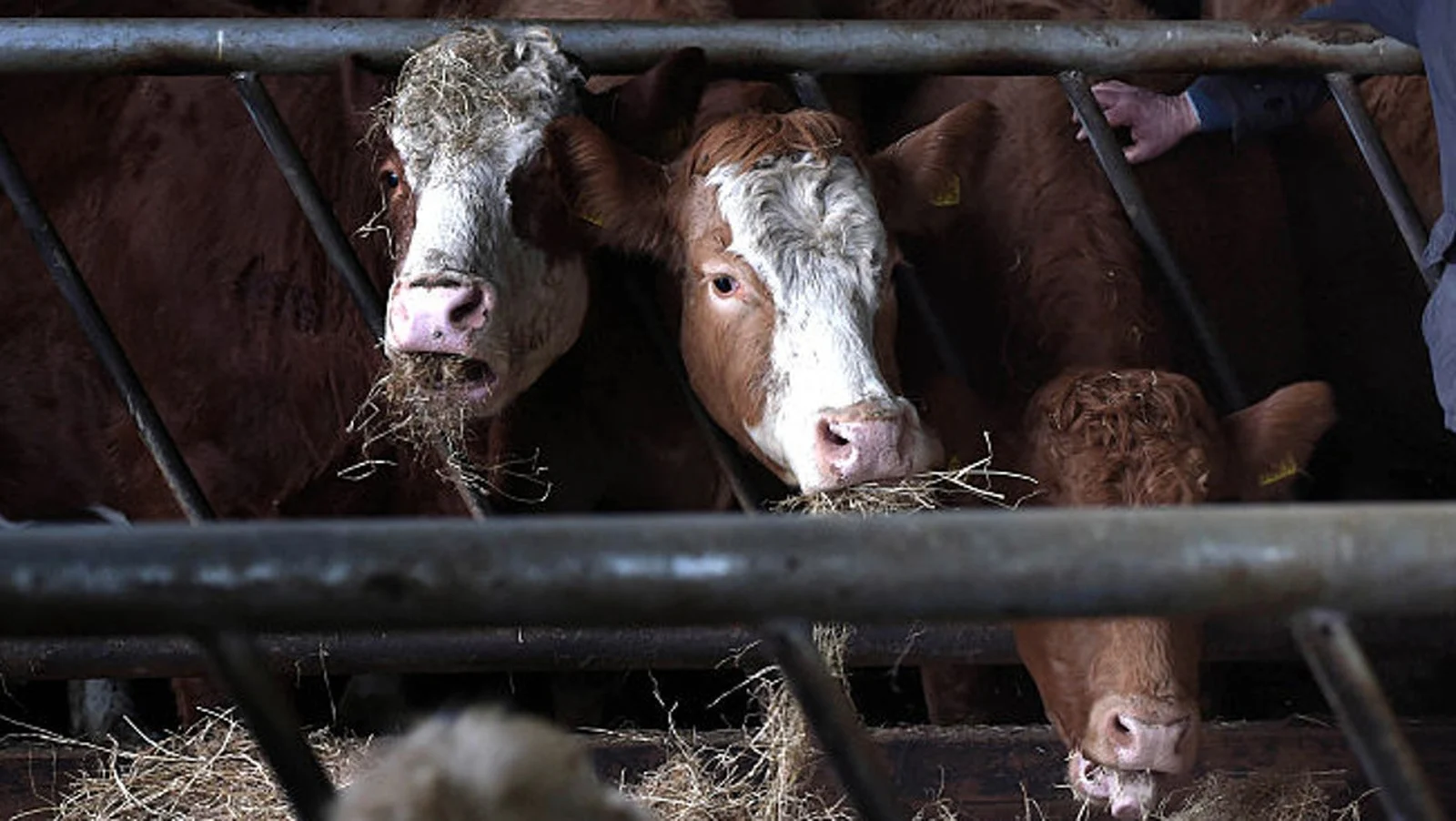
Drive through County Wexford and you will pass low stone walls, sheep nibbling stubble, and small holdings where cattle graze in winter paddocks. The infected herds are clustered near that coastline, a tight geography that offers some comfort to veterinary teams: the disease has not been found across the county, but its presence is real and measurable.
The Department of Agriculture confirmed that bluetongue was first detected in one herd where seven animals tested positive. Follow-up testing has revealed the virus in three neighbouring herds — two of those with a single infected bovine each and another with two infected animals. In total, 11 cattle have been identified through testing, and crucially, none showed clinical signs of the disease.
“Early detection has been a crucial part of our strategy against the bluetongue virus,” Minister Heydon said in a statement, and the department says it notified Chinese officials immediately. “The rapid response reflects my Department’s commitment to that.” Still, he described the suspension as “disappointing” and pledged that Irish officials, together with the Embassy in Beijing, are engaging with their Chinese counterparts to resolve the suspension as swiftly as possible.
Voices from the farms
At a kitchen table in a nearby village, farmer Nora Brennan wipes her hands on an apron and looks out at the field where her herd stands huddled. “We did everything right,” she says. “We report anything out of the ordinary. You don’t see these animals ill, that’s the thing — they look the same as yesterday. It’s the unknown that worries you.”
Local vet Dr. Sean Maher drives the same lanes day after day, collecting blood samples, advising on movement restrictions, and calming anxious farmers. “Bluetongue can be silent in cattle,” he explains. “You can detect viral RNA long before animals show symptoms, which is why surveillance is so important. We’re closing off movements, doing extra testing, and working with international partners on tracing.”
What is bluetongue — and why it matters beyond the farm gate
Bluetongue is a viral disease that affects ruminants — sheep, cattle, goats, deer and even camelids like llamas. Importantly, it is not a human health threat: meat and milk remain safe to eat, and there is no risk to consumers. But the virus can nevertheless be devastating for agricultural trade.
Unlike many livestock diseases, bluetongue is not transmitted directly from animal to animal. It relies on Culicoides midges — tiny, biting insects — to move from host to host. The virus cannot replicate in these midges at temperatures below roughly 12°C; this biological constraint gives authorities some hope that the recent drop in temperatures across Ireland will limit the vectors’ activity and reduce the risk of wider spread.
Historically, bluetongue’s most notorious European chapter came in 2006 with a severe outbreak of serotype BTV-8, which spread quickly across northern Europe and affected millions of animals. Since then, surveillance, vaccination campaigns and vector monitoring have become central pillars of veterinary public health in temperate regions.
- Detected infected cattle in Wexford: 11 (7 in the index herd, 1 + 1 + 2 in three nearby herds)
- Clinical signs observed: none in these cases
- Temperature threshold for midge virus replication: about 12°C
- Trade impact example: live exports to some countries outside the EU, including the UAE, may be suspended for up to 12 months where disease-free status is required
Trade, geopolitics and the fragile road to recovery
The suspension is not only an agricultural problem; it is a diplomatic and economic jolt. Beijing had recently reopened to Irish beef after a closure that followed an atypical BSE case in 2024 — a disruption that underscored how sensitive global supply chains have become to animal health scares. For exporters, regaining market access is painstaking and can be fragile. “These things are rarely black and white,” says Dr. Fiona Gallagher, an international trade expert who studies agri-food markets. “One event can unravel months of negotiation and certification.”
Small-scale live exports to Middle Eastern markets are also immediately affected. Countries that demand a bluetongue-free status will suspend imports; in practical terms, that can mean a 12-month pause on shipments of live cattle and sheep to markets such as the UAE. For some specialized exporters that serve niche markets, a year-long suspension is existential.
“You’re not just losing a shipment,” says exporter Michael O’Leary. “You’re losing contracts, logistics slots and relationships. Rebuilding trust takes time and transparency.”
Why this matters beyond Wexford: climate, surveillance and resilience
What’s happening in Wexford is, in part, a symptom of larger global currents. Warmer winters and shifting rainfall patterns have, in many regions, extended the season when midges are active, and with them the window for vector-borne livestock diseases. That means countries that once considered themselves unlikely hosts for such pathogens must now invest in surveillance, vaccines and contingency planning.
“It’s a wake-up call, not just for Ireland but for any country that relies on open markets for its agricultural exports,” says Dr. Miriam Kavanagh, a veterinary epidemiologist. “Surveillance systems have improved, which is why we detected this virus early. But early detection only matters if the infrastructure exists to respond — movement controls, targeted vaccination campaigns where appropriate, and international reporting.”
What happens next?
Over the coming days, the Department of Agriculture will continue surveillance in the Wexford area and report additional test results. Movement restrictions are in place for affected herds, and authorities are assessing whether targeted vaccination or other control measures are warranted. The Irish Embassy in Beijing and the department will press Chinese officials for clarity on the suspension and on the evidence required to lift it.
For locals like Nora, the calendar of farm life — spring calvings, grass growth, feed bills — presses on regardless of geopolitics. “We know the land will be here tomorrow,” she says. “But markets are fickle. We need clear answers, and we need to know what to do to protect our animals and our livelihoods.”
Questions to sit with
How do we balance vigilant disease surveillance with the need to maintain fragile trade relationships? How do rural communities adapt to biological risks that are increasingly influenced by climate change? And finally, when a small cluster of infection in a quiet county can ripple across continents, what does that tell us about the interconnectedness of food systems — and the responsibilities that come with it?
There are no simple answers. But as the frost thaws in Wexford, and testing continues under grey winter skies, one thing is clear: early detection bought time. What the country does with that time — in science, diplomacy and local support — will determine whether this chapter becomes a brief footnote or a long-running setback.