Two Weeks of Fire: How a Middle East War Is Reshaping Lives, Markets and Minds
By the time I reached the edge of a city that felt part ghost town, part fortress, I could already hear the war in the way people moved — a hurried, careful tread, as if every step might be the last ordinary thing they do that day.
What began as a cascade of missiles and strikes has, in less than a fortnight, stretched beyond battle lines to touch supermarket aisles, trading screens and living rooms across continents. Governments spin defiance like armor; civilians shoulder uncertainty like a blanket. The death toll climbs above 2,000, economies shiver, and a shipping chokepoint known as the Strait of Hormuz — where roughly 20% of the world’s oil normally transits — has become a geopolitical fault line.
Voices from the capitals
On state television, Iran’s newly installed supreme authority delivered a terse, recorded vow: to keep the Hormuz closed and to strike anyone who hosts U.S. bases on their soil. “We will not neglect avenging the blood of your martyrs,” the message declared — an unmistakable promise of persistence rather than surrender.
From Jerusalem, Prime Minister Benjamin Netanyahu took questions over a grainy video link, his tone clipped and strategic. “I will not detail the actions we are taking,” he said, but did not deny that Israel’s long-term aim was to topple Iran’s ruling structure — and that outside help could hasten change from within. “But we can definitely help and we are helping,” he added.
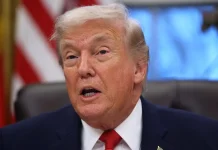
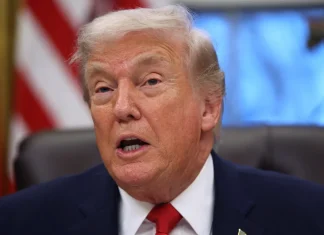
In Washington, the language was different but the mood similar: triumph and calculation braided together. President Donald Trump, asserting that the U.S. and Israel had “won the war,” framed rising oil prices as a benefit to American energy producers. “The United States is the largest oil producer in the world,” he wrote on social media. “When oil prices go up, we make a lot of money.”
Not everyone agreed. “Talking about profit in the middle of funerals is obscene,” Jessica Morales, a policy analyst with a global humanitarian NGO, told me. “People are dying. Families are shattered. The calculus needs to center on lives, not balance sheets.”
On the ground: markets, ports and neighborhoods
The economic reverberations have been immediate. Oil shot up roughly 9% to around $100 a barrel on renewed fears that Hormuz could remain closed for an extended period. In response, a consortium of developed nations announced an extraordinary release of 400 million barrels from strategic reserves — an attempt to steady global supply — yet traders remained nervous.
U.S. equities reacted as well: the S&P 500 recorded its sharpest three-day percentage drop in a month, reflecting investor jitters that this will not be a short, contained flare-up.
At sea, the violence has been stark and cinematic. Two tankers in Basra smoldered after suspected explosive-laden boats struck them; earlier in the week, three other vessels had been hit in the Gulf. Iran’s Revolutionary Guards claimed at least one of those assaults. A Thai bulk carrier burned; another container ship reported damage near the UAE.
“The sound was like a thunderclap,” said Omar, a port worker who watched a tanker burn from the shore in Basra. “We tried to pull survivors from the water. It’s not the kind of thing you forget.”
Lives under curfew
Inside Iran’s cities, security forces are highly visible: checkpoints, patrols, and the slow-moving columns of armored vehicles. “Security forces are everywhere, more than before,” Majan, a 35-year-old teacher from Tehran, told me by phone. “People are afraid to come out, but supermarkets are open; life goes on in small ways.”
That “small ways” detail is a thread you see again and again — the baker who keeps baking, the mother who still lines up for baby formula, the teenager who goes to the roof to listen for drones. Public mourning mixes with private calculation: some celebrated the death of Iran’s former supreme leader at the start of hostilities, while others, fearful of reprisals, keep dissent muted.
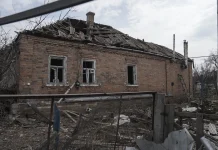
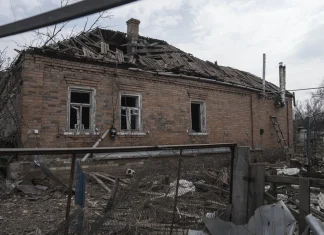
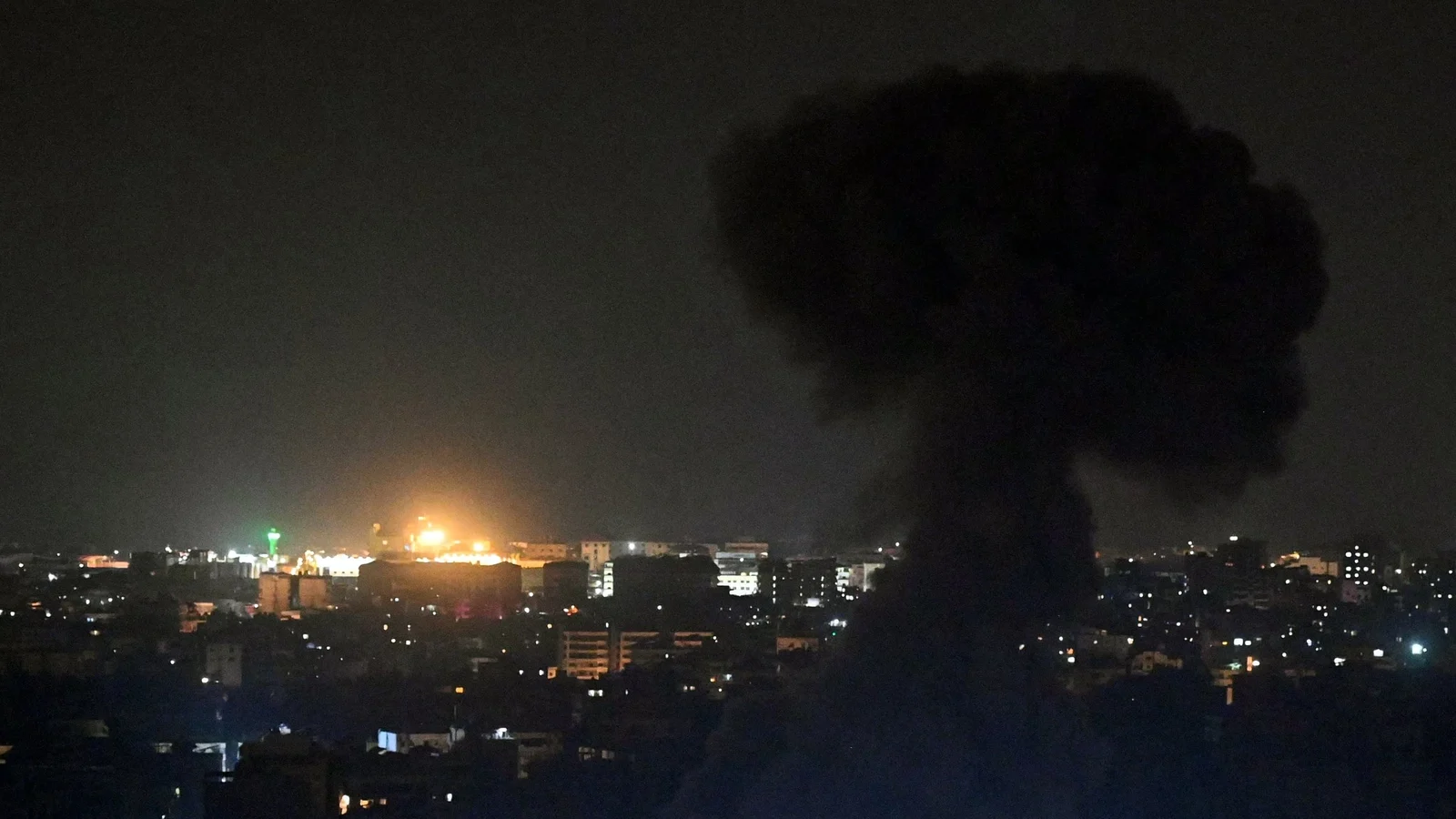
Meanwhile in Lebanon, the conflict has taken a terrible toll: nearly 700 people reported killed as Israel pursues strikes targeting Hezbollah positions, including in central Beirut. Thousands of residents have been ordered from southern neighborhoods in what officials describe as tactical steps to weaken the Iran-backed group.
Collateral and calculation
There is growing anger over civilian casualties. U.S. lawmakers asked for clarity after reports of a strike that killed dozens of children at a girls’ school in Iran. “When you have mass civilian deaths, you can’t hide behind ambiguity,” said Representative Alana Hughes, a Democrat. “We need a full accounting — and a plan for what comes next.”
But no one in the U.S. administration has provided a public estimate of how long the fighting might last or what reconstruction would look like, a vacuum that has only magnified political tensions at home.
Broader implications: energy, alliances and the new normal
Beyond the immediate carnage lies a cascade of long-term questions. How long before global energy markets adjust? Can supply chains that depend on a perilous chokepoint be diversified fast enough? Will regional alliances harden into new blocs, and how will countries that host foreign bases weigh their sovereignty against the risk of becoming targets?
“This is a wake-up call,” said Dr. Leila Farouqi, an energy strategist based in Dubai. “For decades, markets priced in a level of geopolitical risk. Now the calculus has to include persistent disruption scenarios. Companies and governments will have to plan for oil at $120, $150, maybe more, if the Strait remains unsafe.”
Even the language of warfare has shifted. Drones have been reported over Kuwait, Iraq, the UAE, Bahrain and Oman — a new, diffuse geography of conflict that undermines claims of having knocked out Iran’s long-range arsenal. Precision strikes, proxy skirmishes, and cyberattacks have rendered the battlefield both physical and virtual.
What does victory look like?
Each government frames an end-state differently. Israel talks about dismantling a hostile regime’s reach; Iran speaks of economic shock to force foreign withdrawal; the United States mixes hard power with strategic messaging. But for the people whose lives are interrupted, victory is simpler and more human: safe streets, consistent fuel supply, and funerals that can be held without sirens cutting them short.
Ask yourself: what would you accept as an end to this conflict? Is there a price you’d refuse to pay in the name of strategic advantage? These are not abstract questions when a port burns or when a child’s school is a target.
Small acts, big hearts
Amid the rhetoric and the statistics, small human things persist: volunteers in Beirut stuffing food packages into trunks; Tehran bakers handing out loaves to those who cannot pay; oil traders ringing phones in late-night rooms as they try to price not only barrels but human consequences.
“We are not numbers,” said Farah, a nurse I met near a field hospital. “We are people who want to live. If that sounds naive, then so be it. I will be naive until the lights go out.”
In the days ahead, expect more heat and more noise. Expect markets to test new highs and new lows, and expect families on both sides of the conflict to keep counting the cost in ways that cannot be summed in press briefings or shareholder reports. History will judge the strategists. For now, the world watches, waits, and hopes for something that looks like peace.