When Soldiers and Subpoenas Collide: A Minnesota Morning That Felt Like History
The winter sky over Minneapolis had that thin, brittle light that makes breath hang like small ghosts in the air. It was the sort of morning when people move deliberately—schoolkids bundled, business owners shoveling sidewalks, neighbors exchanging quick, careful hellos. Then the federal vans arrived.
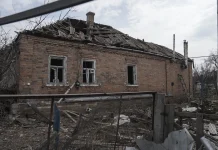
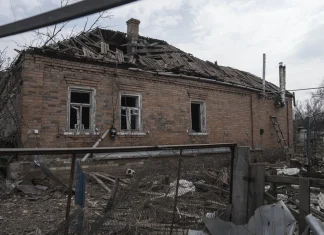
They were not the sort of vehicles that move quietly through a neighborhood. Dark, unmarked, with heavy doors and men in tactical gear, they pulled up outside a small Somali grocery on Cedar Avenue. Within minutes, a crowd gathered: friends, family, neighbors. Voices rose. A chant began—something between prayer and protest—and a city that has leaned on community bonds for decades found itself tense, face-to-face with a federal force that some in the neighborhood saw as an occupying army.
“This is our block,” said Amina Hassan, who has run Hassan Halal Market for 17 years. “We take care of each other here. You don’t show up like you’re at war and expect people to be okay with that.” Her voice trembled, not with fear but with a tired anger that comes from seeing your town become a theatrical stage for national power plays.
What the President Has Threatened — and Why It Matters
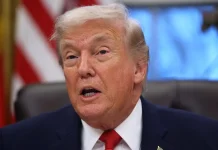
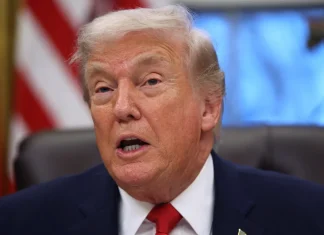
In recent days, President Donald Trump has warned that he may invoke the Insurrection Act to counter protesters who have clashed with federal immigration agents. The president’s message, shared on social media and echoed across conservative outlets, framed the move as a law-and-order response to attacks on Immigration and Customs Enforcement (ICE) personnel performing deportation operations in Minnesota and other states governed by Democrats.
On the surface it is a terse legal threat: use of a statute to deploy military forces on U.S. soil. Beneath it lie deeper currents—questions about federal power, local sovereignty, community safety, and how a democracy uses its instruments of coercion.
The Law in Plain Terms
The Insurrection Act is one of those statutes that reads like constitutional history made practical. Enacted in its present form over two centuries ago, it authorizes the president to call upon the U.S. armed forces to suppress insurrections, enforce federal law, or repel attempts to interfere with the execution of federal authority.
It slices through another key statute—the Posse Comitatus Act of 1878—which generally bars the active-duty military from conducting domestic law-enforcement operations. In short, the Insurrection Act can temporarily lift that bar when the president deems it necessary to respond to domestic unrest that ordinary law enforcement cannot handle.
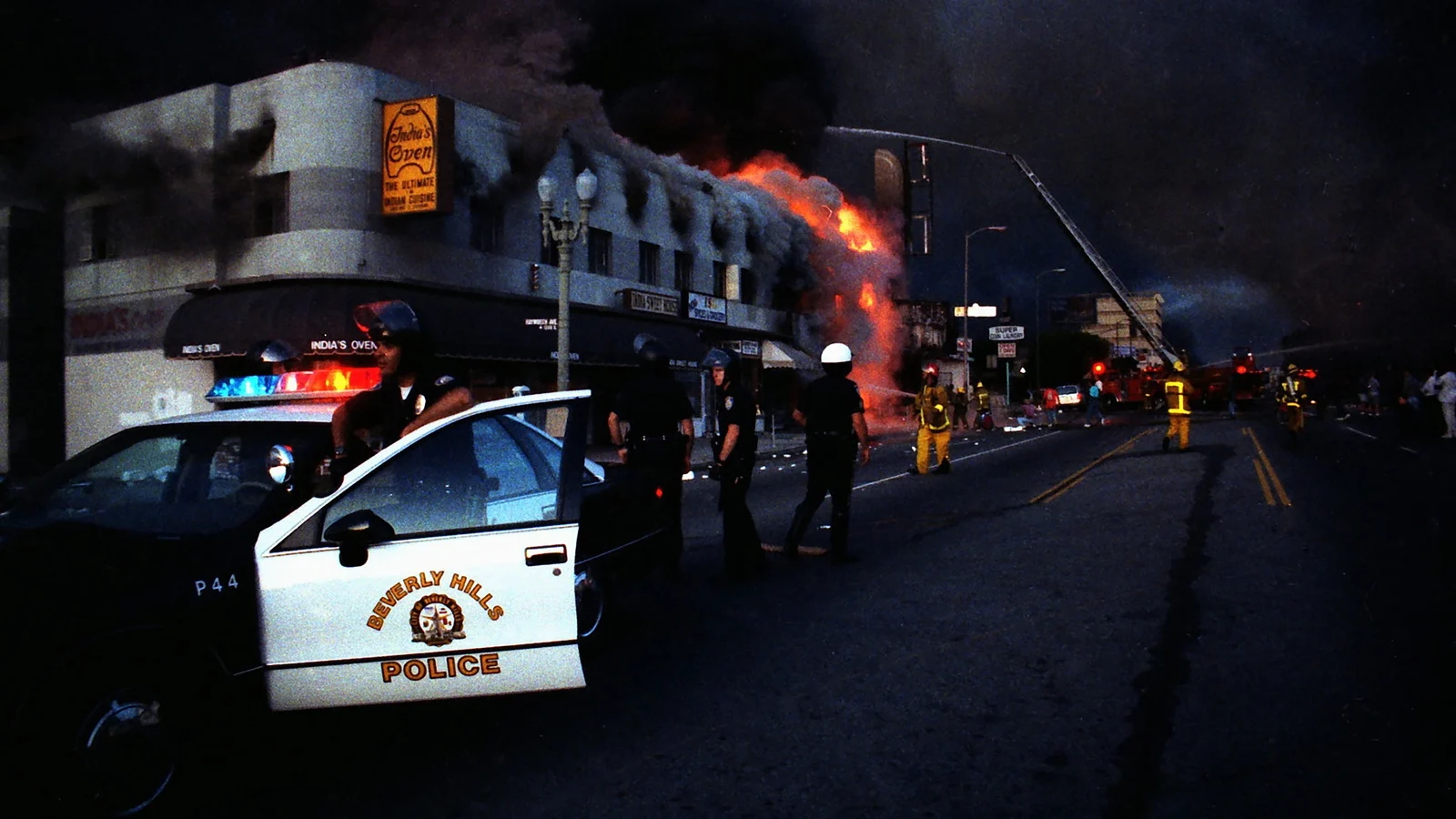
But laws are not just words. They carry weighty precedents. The Insurrection Act has been invoked roughly three dozen times over U.S. history, from George Washington’s early use against state-level resistance to federal law, to Abraham Lincoln at the start of the Civil War, to Lyndon Johnson in 1968 after the assassination of Martin Luther King Jr., and to President George H.W. Bush during the Los Angeles unrest of 1992.
When the Guard Is Called
Confusion often follows headlines: people assume any uniformed force is the same. It’s not. The National Guard operates under two distinct modes. Governors can call them up under state authority (often called Title 32), giving them more latitude for local law enforcement support. The federal government can also federalize the Guard under Title 10, which shifts command to the Pentagon and limits their ability to conduct domestic police functions.
Title 10 and Title 32 are legal hair-splitting with political teeth. Deploying active-duty military under the Insurrection Act is unusual and explosive precisely because it means U.S. troops would be acting in communities across the same streets where their own neighbors live.
Voices from the Ground
“We are scared, yes,” said Jamal Osman, 42, who works at a nearby community center and grew up in the neighborhood. “But it’s more than fear. It’s humiliation. You don’t want to be stewarded by strangers in full gear to feel safe in the place you call home.” His hands folded around a cup of coffee, a small act of humanity against the larger spectacle.
Not everybody agrees that deploying the military would be an overreaction. “If law enforcement is being physically assaulted and federal agents can’t do their jobs, we have to consider every tool,” argued one former federal official, speaking on background. “This is about protecting people who are executing the law.” The official emphasized, however, that invoking the Insurrection Act is a serious step and would require clear justification.
“Our Constitution gives the president power, but it also gives states rights and citizens protections,” said a constitutional law scholar in the Midwest. “The bar for using military force internally should be extraordinarily high.” Their assessment echoed a broader legal consensus: courts and civil-society groups watch these maneuvers closely because of their implications for civil liberties.
Numbers and Context
- Insurrection Act invoked: roughly 30–35 times across U.S. history (Brennan Center and legal historians note use has been rare in recent decades).
- Posse Comitatus Act: enacted 1878 to limit military involvement in civilian law enforcement.
- Undocumented population: estimates range around 10–11 million people in the U.S., according to demographers—though enforcement activities and public attention rarely map neatly onto these figures.
- ICE operations: arrests and removals fluctuate year to year, frequently numbering in the tens of thousands; the agency’s actions are often localized but have national reverberations.
Local Color: Why Minnesota Feels Different
Minneapolis and St. Paul are not just points on a map; they are neighborhoods stitched together by immigrant communities—Hmong farmers, Somali entrepreneurs, East African congregations, long-standing Scandinavian families, and young activists. The Somali community, in particular, has deep roots here. Minnesota is home to one of the largest Somali diasporas in the United States, and that demographic reality shapes how the city views federal enforcement actions.
“We celebrated Eid here last summer in the park,” said Fatima Ali, a community organizer. “Kids ran around with ice cream; elders sat in folding chairs. You don’t just uproot that because of a political signal you want to send elsewhere. Enforcement should be humane and targeted—not like a raid in a movie.”
The cultural texture of these neighborhoods—speech patterns, faith practices, small-business economies—makes any heavy-handed approach not only legally fraught but socially brittle. When neighbors say a tactic will erode trust, they’re forecasting a breakdown in cooperation that law enforcement often relies on to solve crimes and keep streets safe.
What Should Citizens Ask—and What Comes Next?
As readers around the world watch this unfold, consider these questions: When is it appropriate for a nation to put soldiers into its streets? Who gets to decide what constitutes a threat that rises to the level of insurrection? And how do we protect civil rights while ensuring public safety?
These are not idle constitutional hypotheticals. They are the scaffolding of how a free society holds power to account. Whether the president ultimately invokes the Insurrection Act or not, the debate is revealing something about the times: a fracture between federal authority and local control, between rhetoric and reality, and between the need for order and the demands of liberty.
In the end, the scene on Cedar Avenue may be small—a grocery, a crowd, a van—but its significance is large. It is a reminder that law is not merely a tool but a story we tell about who we are, and who we want to be. Watch closely. Ask questions. Speak to your neighbors. History often announces itself in neighborhood tensions before it writes itself into law.