When the Lights Went Out: Cuba’s Grid Collapse and the Human Flicker of Survival
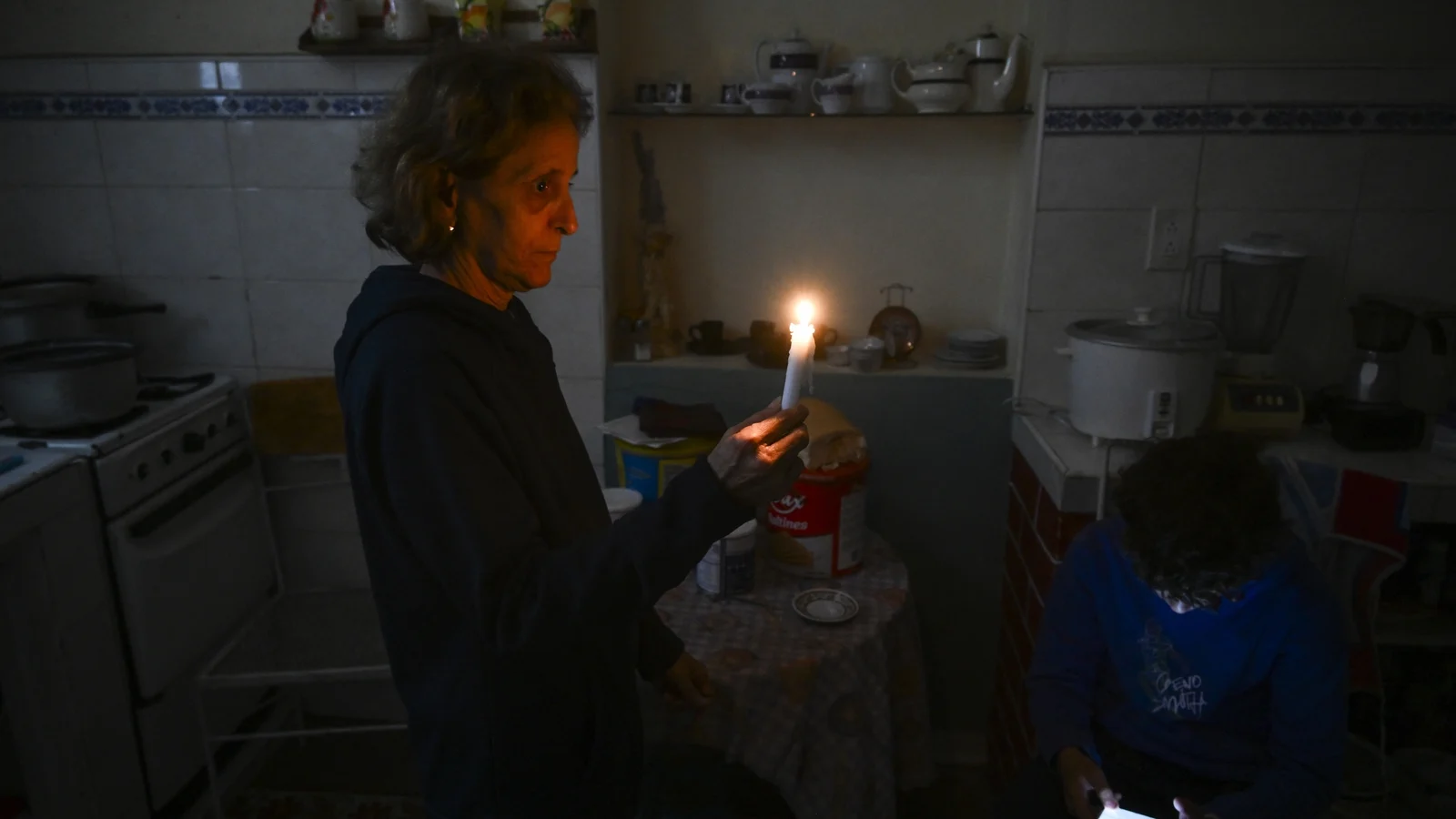
On a humid afternoon in Havana, the city’s familiar soundtrack — old jazz spilling from a corner café, the distant cough of chromed American cars, vendors calling out for mangoes — fell into an uneasy quiet. Streetlamps that normally bloom at dusk remained stubbornly dark. In neighborhoods lined with crumbling colonial facades and laundry draped like pennants between balconies, people paused and looked up, as if the sky had decided to stop paying its bill.
The country’s grid operator announced what many had feared: the national electric grid had collapsed. Nearly the entire island was left in the dark — hospitals on emergency generators, schools closed, refrigerators stilled, small businesses that run on thin margins pushed closer to collapse. For millions of Cubans, blackout is not a seasonal metaphor but a lived reality.
Beyond the Switch: A Tangle of Politics, Fuel and Fragile Infrastructure
This is not merely a technical failure. It is the visible, painful manifestation of years of economic strain, a longstanding U.S. trade embargo that has been in place since 1962, dwindling tourism revenue, and the loss of critical oil shipments that once flowed from friendly partners.
“We have power cuts every few weeks, but this is different — this was every light at once,” said Ana López, a nurse who lives near the Vedado district in Havana. “You learn to plan around rolling blackouts, but when the grid dies, the entire rhythm of the day is gone.”
Cuba imports most of its petroleum and refined fuels. For decades, Venezuela supplied preferentially priced oil as part of a political and economic alliance. That lifeline has frayed amid Venezuela’s own crisis and international sanctions. More recently, political pressure and the threat of extra-territorial penalties have discouraged other suppliers, constraining the fuel that keeps Cuba’s aging power plants running.
At the center of this drama is a collision of geopolitics and human cost. U.S. officials argue that sanctions are meant to pressure the Cuban government and its leadership. Cuban authorities counter that these measures punish the population, compounding shortages of medicine, food, and energy. Both positions echo across the empty streets.
Protests, Arrests, and the Fraying Social Contract
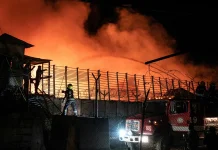
When hunger and heat meet darkness, tension finds a voice. In the provincial town of Morón, around 500 kilometers east of Havana, an outburst of discontent turned violent enough for police to detain several people after protesters stormed a local Communist Party office. Furniture was overturned and torches were lit. Regional officials condemned the unrest as the work of “delinquents” and outsiders; residents described a raw mix of anger, desperation and opportunism.
“We’re not thieves,” said one woman who gave her name as Lila, visibly shaken, as neighbors gathered on a sun-baked sidewalk. “We’re tired. My son waited hours at the clinic last week because the lights went out. The medicine ran out. If you ask me why people threw stones, you’d have to ask why we don’t have the basics.”
President Miguel Díaz-Canel acknowledged the “discontent our people feel because of the prolonged blackouts” on social media, while also warning against violence. The message was familiar: sympathy for hardship coupled with a refusal to tolerate unrest. The country’s leaders are trying to thread a needle — manage an energy emergency without allowing it to become a political rupture.
Behind Closed Doors: What Experts Say
Power systems experts say the collapse likely stems from a mix of aging infrastructure, deferred maintenance, and an acute shortage of fuel to operate thermal plants. “When you run equipment beyond recommended cycles and then add irregular fuel supplies, failure becomes a question of when, not if,” explained Dr. Isabel Martínez, an electrical engineer who has studied Caribbean grids. “The system needs predictable fuel, spare parts, and time for maintenance — all of which are in short supply.”
International energy analysts note that small island grids are especially vulnerable. Cuba’s network is large by Caribbean standards and historically reliant on older, centralized plants that lack redundancy. In contrast, many other nations are pivoting toward decentralized renewables, microgrids and storage — long-term strategies that could reduce vulnerability but require capital and political will.
Everyday Life in the Blackout
For front-line health workers, the blackout is a clinical emergency. “We are running on battery packs and whatever diesel the hospital can scrounge. We are administering care, but it is not sustainable,” said Dr. Jorge Almeida, who manages a municipal clinic. “Some essential medicines require refrigeration. When the cold goes, so does efficacy.”
Small entrepreneurs feel the pinch too. The Paladar owners — privately run restaurants that once welcomed tourists by the hundreds — now keep a wary eye on their fuel reserves and food supplies. “We used to sell out dinner every night,” said Marta, who runs a family restaurant in Old Havana. “Now the lanterns are our best investment. People come for food, but if we lose power, the perishables are gone. The bills keep coming.”
For older residents, the blackout revives fears beyond inconvenience. In buildings without elevators, those who are mobility-challenged are effectively confined. For children, the sudden return of the night brings both the thrill of unplanned shadow plays and the dread of unsafe streets.
What This Means for the World
Is this a Cuban story only? Hardly. The blackout is a prism through which we can see broader trends: the fragility of fossil-fuel supply chains, the cascading effects of sanctions, and the way political conflict abroad can transmogrify into humanitarian stress at home.
Ask yourself: what would happen if a major city in your country lost power for days? Would hospitals hold? Would food spoil? Would the social contract fray? Around the globe, leaders and planners are reckoning with these vulnerabilities — from cyberattacks on grids to climate-related storm damage — and Cuba’s plight is a stark reminder that energy security is foundational to public order and human dignity.
Paths Forward — Remedies, Reforms, and Reckoning
There are no easy fixes. Short-term relief requires fuel deliveries and emergency aid, negotiated with sensitivity to sovereignty and political complexities. Medium-term resilience could come from diversifying energy sources: investing in solar, wind, and distributed battery storage that reduce dependence on imported fuels. Long-term stability requires a rethinking of economic policy, international engagement, and the institutional capacity to maintain infrastructure.
“You can’t fix a grid with slogans,” said an economic analyst close to Havana who requested anonymity. “It takes money, expertise, and time. But it also takes political willingness to prioritize systems that serve people’s daily lives rather than symbolic gestures.”
Closing Thought
Walking down the Malecón as night fall finally softened into the horizon, I saw neighbors sharing a single lantern, children tracing shapes on the concrete. People joked, traded bread, compared notes on when the lights might return. There was resilience in the small rituals — but also a palpable weariness. The darkness has exposed more than wires and transformers. It has spotlighted the fragility of systems, the human cost of international quarrels, and the urgent question of how societies protect everyday life.
How should the world respond when geopolitics dims a population’s daily life? And how do citizens, leaders and allies prepare for a future where electricity, once taken for granted, becomes a matter of survival? Cuba’s blackout is a local tragedy with global lessons — and it asks of us, urgently, a kind of common sense and common humanity we have rarely been forced to practice in recent memory.