At Dover’s Gates: A Quiet Crossing, a Sudden Arrest, and a Bigger Conversation
The white ferry slid into Dover as it always does—familiar, steady, a metal promise across the Channel. Travelers shuffled toward the port, tired commuters, families with suitcases and a handful of drivers who had chosen to take their cars across from Calais for the weekend. For most it was just another crossing. For one 24-year-old man from west London, the journey ended under the flashing blue of counter‑terrorism markings.
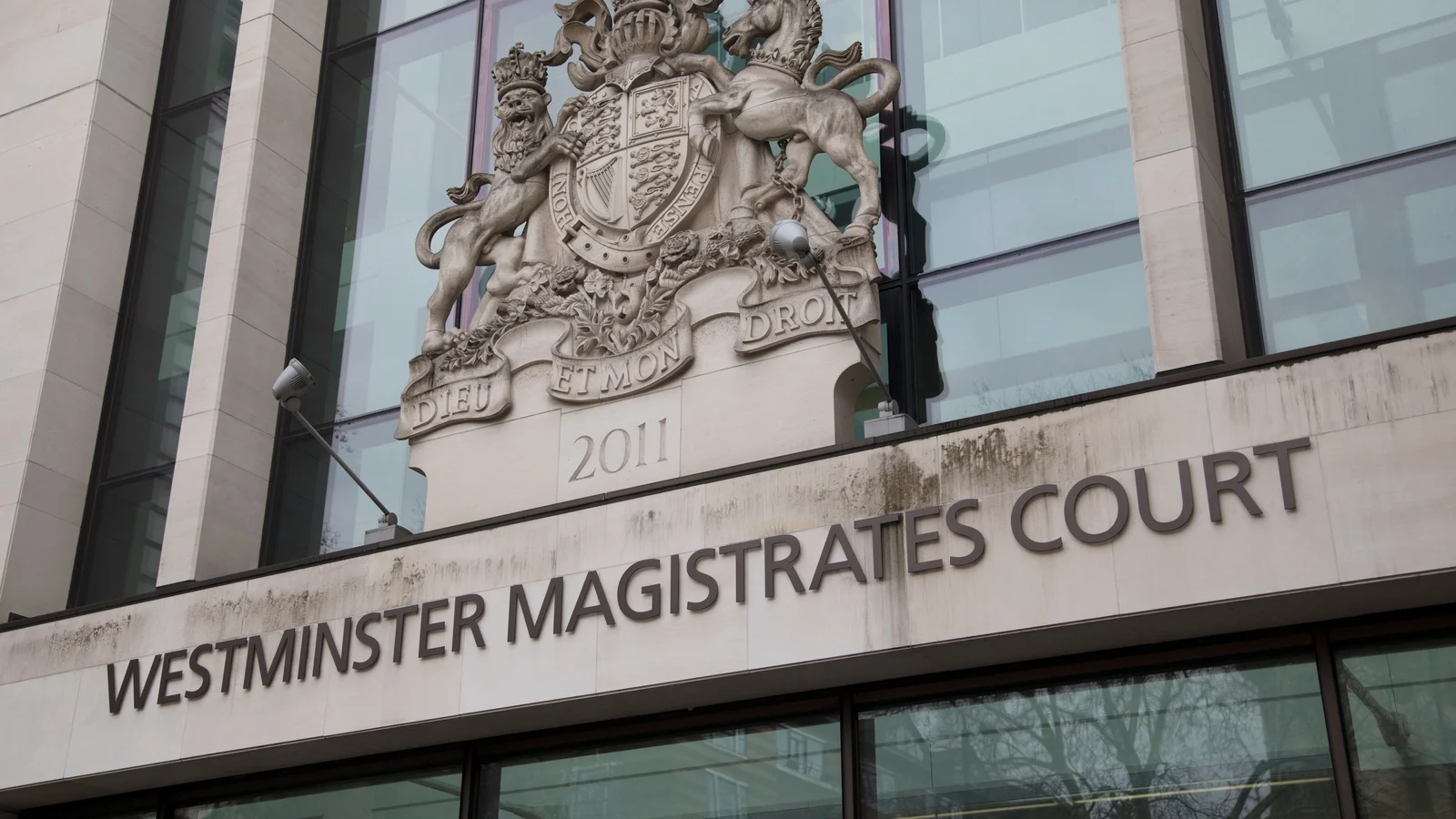
On a damp Thursday last week, Khalid Ahmed, a resident of Ealing and a dual Dutch‑Irish national, was stopped by officers as he rolled off the ferry. Police say that when his vehicle was searched, several self‑loading pistols were discovered—enough, the authorities allege, to prompt ten counts of possession of prohibited weapons and an additional charge for prohibited ammunition. He has been formally charged and is due to appear at Westminster Magistrates’ Court.
What Happened at the Border?
Border crossings at Dover are a choreography of routine: lorries, cars, foot passengers, all filtered through passport control, customs, and sometimes, more intrusive checks. In this case it was counter‑terrorism police—an arm of the Metropolitan Police that has responsibility for the capital and for threats that reach beyond everyday criminality.
“We intervene where there is reason to believe that items that could pose a significant risk are being carried into the country,” said Commander Helen Flanagan, head of Counter Terrorism Policing London. “Our priority is to protect the public. At present, while numerous enquiries continue, we have not identified any immediate threat linked to this arrest.”
Her words were measured, a deliberate calm designed to steady public nerves. Yet for residents and commuters who rely on Dover’s ports, the news prickled. How do we square a city famed for its White Cliffs—and the quiet life of its small cafes—with sudden reminders of global flows of people and goods that can also carry danger?
Local Voices: Surprise, Concern, and a Search for Context
In Ealing, a neighborhood of tree‑lined streets, busy markets and a strong sense of community in west London, the name prompted astonishment.
“You don’t expect this here,” said Miriam Patel, who runs a bakery near Ealing Broadway. “We have kids playing in the park, people queueing for curry. To hear someone from our area arrested with guns — it’s worrying. But I’m also trying not to jump to conclusions. He’s charged; the court will decide.”
Another neighbor, Jamal O’Connor, added: “I see a young man with two passports and I think of the decisions people make when life is split between places. There’s a complicated story behind every arrest. We hope for answers.”
A Uniform Response from Authorities
Police messaging focused on reassurance. They emphasized that the arrest was the result of targeted checks and that investigations were ongoing. “Given the criminal proceedings, it’s important to avoid speculation,” Commander Flanagan added, underscoring the legal principle that charges are not convictions.
That call for calm is familiar in Britain, where the memory of past attacks and high‑profile seizures exists alongside statistics that show a very different landscape from many other countries: Britain’s strict firearms laws, sharpened by the 1996 Dunblane school shootings and subsequent bans, mean that gun‑related homicides are relatively rare compared with other nations.
Broader Picture: Guns, Borders, and the Challenge of Smuggling
What this arrest highlights are two enduring realities: first, that ports like Dover are frontline infrastructure in an era of increased cross‑border movement; second, that the illegal movement of weapons—whether to fuel street crime or more sinister plots—remains a persistent challenge.
Experts point out that most illegal firearms in the UK are not manufactured domestically but imported or converted from legal devices. “There’s a market online and in Europe where components can be purchased and assembled,” says Dr. Aisha Khan, a criminologist who studies weapon trafficking. “The problem is transnational. One country’s gap becomes another country’s supply line.”
The presence of dual nationality complicates travel patterns too. “People with multiple passports often move fluidly between jurisdictions, which is perfectly lawful,” Dr. Khan said. “But that mobility can also challenge police checks, requiring coordinated intelligence and effective border cooperation.”
What the Law Says — And What It Means
In the UK, possession of prohibited firearms and ammunition is treated with grave seriousness. The legal framework—centred on the Firearms Acts and a suite of amendments—restricts ownership of handguns and certain semiautomatic weapons. Convictions can lead to significant custodial sentences and long criminal records that alter futures.
- Possession of prohibited firearms typically leads to serious criminal charges under UK law.
- Counter‑terrorism units are often involved when there are concerns about the potential use or intent behind weapons being carried into the country.
- Arrests at ports like Dover follow intelligence‑led operations as well as random and targeted searches.
But legal consequences are only one part of the story. There are social and psychological repercussions—for neighbors, for families, and for communities trying to reconcile local normalcy with headlines that suggest international intrigue.
Questions for the Reader — and for Policy Makers
So what should we take away? Do we double down on stricter border controls? Invest more in intelligence‑sharing across Europe? Focus on community interventions that deter young people from turning to weapons in the first place?
Each option has costs and trade‑offs. More intrusive checks could slow commerce and travel. Better intelligence requires funding and trust between agencies. Community programs require time and long‑term commitment.
Conclusion: Patience, Scrutiny, and the Slow Work of Justice
Khalid Ahmed now faces the slow machinery of the courts, and the public waits for facts to be tested in open court. While authorities continue their investigation, the case is a reminder of how global flows—of people, goods and, at times, illicit items—arrive at our doorsteps with little fanfare.
For those who live near ports, who work in customs, who police the streets or walk them with children, the episode will prompt reflection. How do we maintain openness and mobility while keeping communities safe? What do we owe each other in the face of threats that are both international and intimately local?
These are not questions with quick answers. But they are worth asking, together.