Tiny Parcels, Big Politics: The EU’s New €3 Duty and What It Means for Shoppers, Shops and Sovereignty
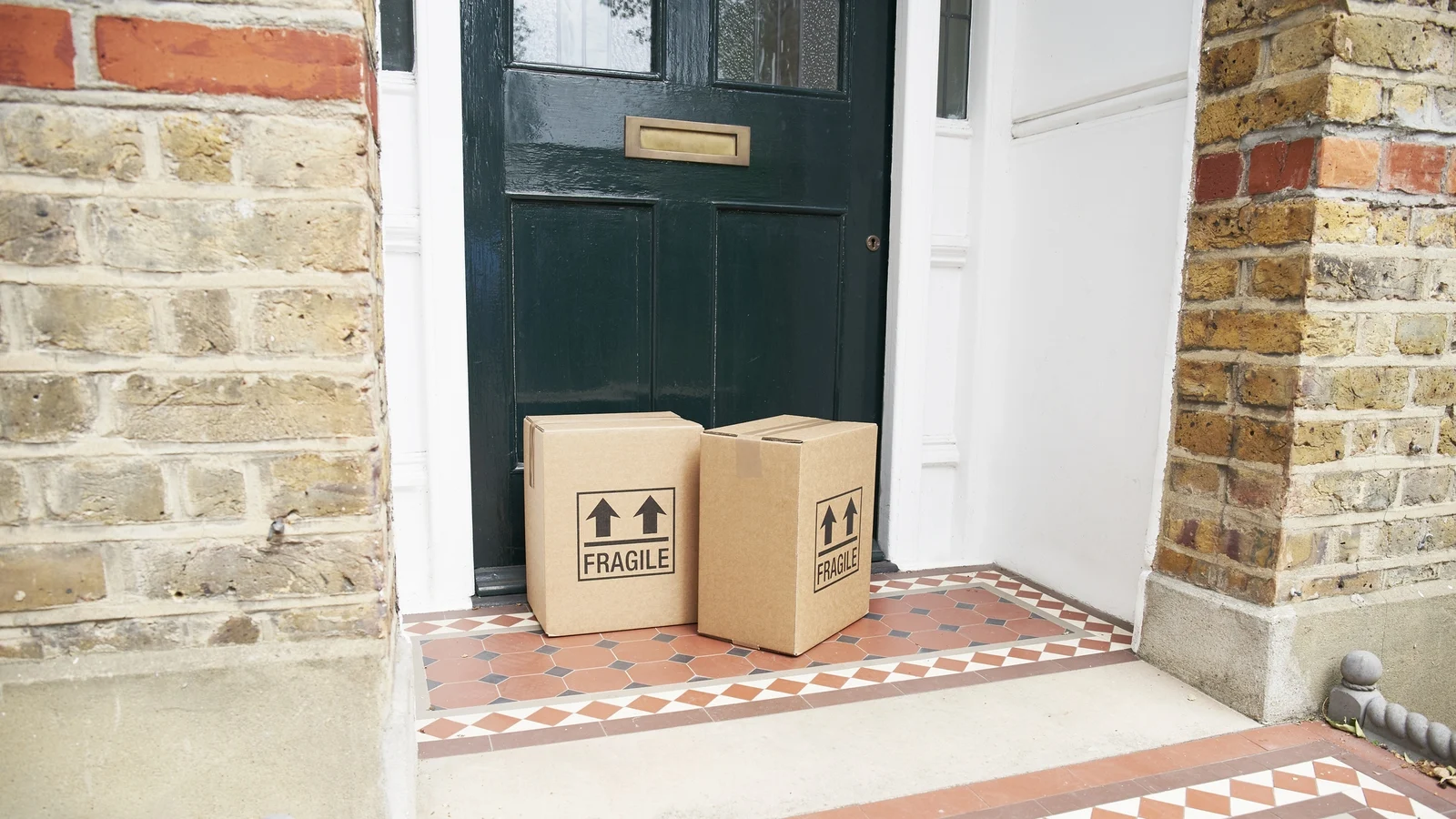
On a gray morning in a customs warehouse outside Rotterdam, conveyor belts hummed beneath the fluorescent lights like a mechanical heartbeat. Cardboard boxes, padded envelopes and glossy poly mailers shuffled through scanners, carrying everything from $3 hair clips to knock‑off designer sunglasses. For years, most of these parcels crossed borders with near impunity — inexpensive, direct-to-consumer wares that slipped past tariffs and landed on European doorsteps for a pittance.
That era is ending. EU finance ministers have agreed to impose a flat €3 duty on all small parcels entering the 27‑nation bloc, a measure due to take effect on 1 July next year. It’s a modest headline number — three euros — but its ripples will be felt across living rooms, high streets and trade corridors from Lisbon to Lviv.
Why three euros? A short answer with long consequences
The new fee is intended as a blunt instrument to slow a flood of cheap imports that, according to EU estimates, totalled 4.6 billion small packages last year — that’s more than 145 parcels every single second — with roughly 91% originating in China. France alone received about 800 million of those packages.
An EU spokesperson described the charge as temporary, a stopgap until a comprehensive, permanent system for taxing small imports is agreed. The move follows a separate decision to end a duty exemption for goods under €150 that were sent directly to consumers — a change designed to close what Brussels calls an “unjust advantage” enjoyed by online platforms and overseas sellers.
“Europe is taking concrete steps to protect its single market, its consumers and its sovereignty,” France’s finance minister Roland Lescure said this week, calling the flat tax “a major victory for the European Union.” That victory is political, economic and symbolic.
Voices from the street: who will feel the change?
“I used to buy a blouse on Shein for €8,” said Sophie, owner of a small boutique in Marseille. “I knew I was paying for fast fashion, but sometimes my customers simply couldn’t afford my handmade pieces. This could level the playing field — if it’s enforced properly.”
Across town, Rachid, a delivery driver, shrugged. “Three euros might not sound like much to someone with a big salary, but multiply that by thousands a day and some customers will think twice. Still, I’d rather have safer goods and fewer returns for broken batteries or unsafe toys.”
A customs officer who asked not to be named told me the daily stream of parcels has created real headaches: “They’re tiny, they come in massive numbers. Checking them all is impossible. A flat fee helps slow volumes and gives us a breathing space to inspect what matters.”
Not just retail: safety, waste and national sovereignty
European retailers — from independent bakers to multinational brands — have long argued that they face unfair competition from overseas platforms such as AliExpress, Shein and Temu. These platforms often sell directly to consumers in the EU without always observing the bloc’s product safety, environmental or labour rules, critics say.
Beyond competition, there’s a consumer‑safety argument. Reports of non‑compliant electronics, counterfeit goods and unsafe children’s products have multiplied in recent years, prompting regulators to act. Then there’s the environmental side: tiny parcels mean extra packaging, more carbon from air freight and a logistics chain that’s harder to decarbonize.
“It’s not just about tariffs,” said Dr. Elena Marković, a trade policy researcher in Brussels. “This is about governance at the digital and physical intersection. How do we regulate companies that blur national borders? How do we ensure consumer safety without strangling innovation? The EU is wrestling with these questions in public.”
How the measure will work — and the bumps ahead
The headline €3 duty is straightforward on paper: every small parcel imported into the EU will be charged that fee. It’s temporary, Brussels says, pending a permanent framework. Earlier this year the European Commission also floated a €2 small‑package handling fee intended to cover customs processing; member states are still negotiating that and hope it may take effect in late 2026.
Practical questions remain. Will the costs be absorbed by sellers, passed to consumers, or swallowed by platforms? How will platforms track and declare millions of items accurately? What about parcels routed through third‑country hubs? Implementation across 27 different tax and customs administrations will be complex, and enforcement will require investment in IT systems and manpower.
- Temporary €3 flat duty on all small parcels, starting 1 July next year.
- Duty exemption for packages under €150 has been removed (previously allowed).
- Commission proposed an additional €2 handling fee; member states hope it will apply from late 2026.
- 4.6 billion small packages entered the EU last year; 91% came from China; France received ~800 million.
Winners, losers — and the uneasy middle
Small independent retailers see this as a chance to reclaim customers and protect local jobs. Public authorities see an opportunity to tighten safety controls and recoup lost tax revenue. But low‑income consumers who have relied on ultra‑cheap imports for essentials will feel the pinch.
“I buy from those sites because I need things for the home that I can’t afford otherwise,” said Marta, a single mother in Warsaw. “If prices go up, there will be trade‑offs. We’ll have to choose between heating and a new coat.”
Meanwhile, global platforms will likely adjust business models — shifting logistics, raising prices slightly, or offering bundled shipping. They may also ramp up lobbying efforts. Trade policy watchers expect court challenges, political negotiations and one‑way or another adjustments to the fees’ technical design.
Bigger picture: what this says about globalization today
This small‑parcel story is a microcosm of larger currents reshaping the global economy. For decades, the logic of globalization celebrated frictionless flows — of goods, services and data. Now, after a pandemic that exposed supply‑chain vulnerabilities, geopolitical tensions, and a reinvigorated focus on local jobs and environmental limits, many governments are reintroducing friction intentionally.
Is that protectionism dressed up as prudence? Sometimes. Is it a legitimate defense of public standards and of an economy that works for citizens instead of platforms? Often. The answer depends on implementation and intent.
What I kept thinking as I walked through the customs hall was this: our shopping habits are not just personal choices. They are policy outcomes. They create demand, shape factories, draw shipping lanes and write the rules of commerce.
Questions for the reader
Would you be willing to pay a little more to protect local businesses and ensure safer products? Or do you value the immediate savings and convenience of ultra‑cheap imports more? How should regulators balance consumer choice, small business protection, and global trade rules?
These are choices for societies to make, not mere technicalities. Tiny parcels have become a big political issue because they sit at the intersection of everyday life and geopolitics, of taste and regulation, of environmental cost and economic access.
When the €3 fee lands next July, it will be a test — not only of customs IT systems and legislative patience, but of how Europe wants to shop, sell and govern in an age where a package no bigger than a paperback can carry the weight of international policy.