Brussels on Edge: Europe Seeks a Way Out of an Energy Storm
The corridors of the EU Council were quieter than usual the morning ministers gathered — not with the calm of consensus, but with the nervous hush of people who know the stakes. Outside, the city hummed with trams and cafeteria chatter; inside, the debate was about something that will touch household bills, factory floors and the future of Europe’s climate ambitions.
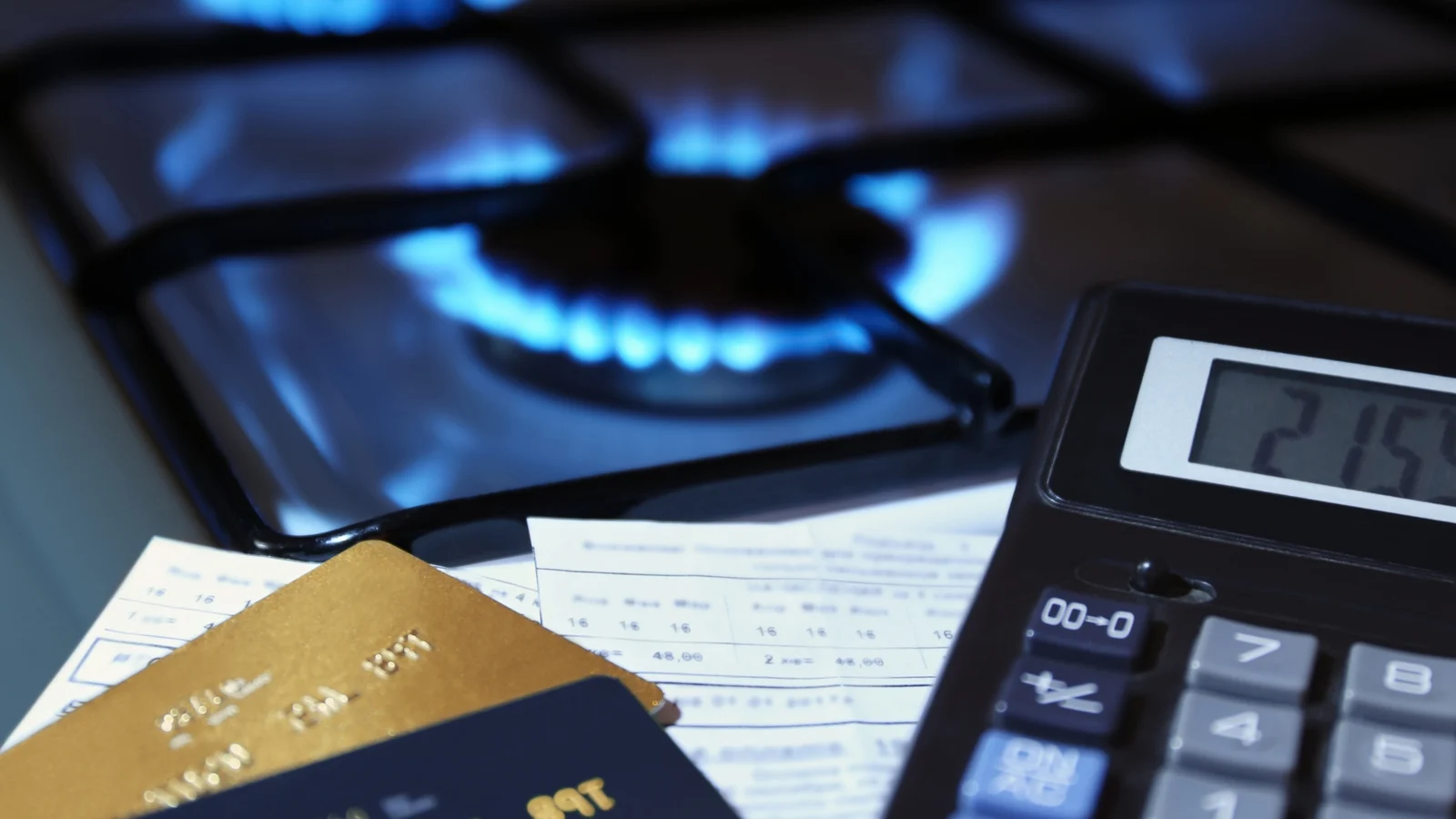
Energy ministers met behind closed doors as officials rushed to sketch emergency plans to blunt a fresh spike in oil and gas prices unleashed by the Iran conflict and the disruptions around the Strait of Hormuz. Traders had already seen European benchmark gas prices climb by more than 50% since the fighting began. For citizens who remember the winter shock of 2022, that statistic is not abstract — it is another anxiety over the heating meter and the grocery cart.
Short-Term Fixes, Long-Term Fault Lines
At the center of discussions were familiar, uncomfortable choices: should Brussels lean on state aid and tax cuts, or should it move to systemic interventions like capping gas prices or altering the EU carbon market to dampen power costs?
“There are no silver bullets in a room with 27 different energy systems,” a senior adviser to one EU delegation told me, thumbs steepled, eyes tired from the hours of briefings. “Some countries have coal and nuclear, some have mountains of renewables — any one-size-fits-all solution risks doing more harm than good.”
Behind the closed doors, officials mulled several paths. The European Commission is reportedly drawing up emergency options ranging from temporary tax relief for consumers, to targeted state support for energy-intensive industries, and to measures within the EU Emissions Trading System (ETS) that could increase the supply of CO2 permits—effectively tempering the price pressure that gas-fired power plants exert on wholesale electricity costs.
Commission President Ursula von der Leyen has even floated the idea of a temporary cap on gas prices — a politically fraught proposal that would require careful legal and technical design to avoid creating new shortages or market distortions.
What’s on the table
- Short-term national subsidies or tax cuts to shelter households and businesses
- Using the EU carbon market’s mechanisms to release permits and lower power prices
- Temporary price caps on gas to shield consumers
- Sectoral measures to protect energy-intensive industries
Each option carries trade-offs. National subsidies can help immediately, but they risk entrenching inequality among member states: in 2022, EU countries together spent more than €500 billion supporting consumers and firms through an energy crisis — and Germany alone accounted for roughly €158 billion of that support, according to the Brussels think-tank Bruegel. Not every capital has that kind of fiscal room.
“Not everyone can afford to step up,” one EU diplomat said bluntly. “If support is left to national governments, the richer will buy themselves out of pain, while poorer countries and households will bear the brunt.”
On the Ground: Voices from Across Europe
Walk the docks of Rotterdam and you get a sense of why ministers are anxious. “We handle the flows, we see the ships diverted, the manifests change — you can feel the ripple three days later,” said Pieter van Dijk, a logistics coordinator at a busy terminal in Europe’s largest port. “If the Strait is choked, even for weeks, pricing ripples through everything from diesel to fertilizer.”
In Naples, an independent baker named Maria lowered her voice over a cooling tray of ciabatta. “Electricity is part of our bread now. If the bill jumps again, prices on the shelves jump too. People are already cutting corners,” she said.
And in Warsaw, energy analyst Anna Krawczyk of a local think-tank points to structural differences across the continent. “Taxes, levies, and the energy mix make the retail price in Lisbon look very different to the price in Gdańsk,” she explained. “That’s why solutions must be layered — emergency shielding for the poorest, but a real push to change the underlying system.”
Why the Strait of Hormuz Matters — and Why It’s Hard to Fix
Geopolitics is stubbornly literal when it comes to hydrocarbons. Around one-fifth of the world’s seaborne oil flows through the Strait of Hormuz — a narrow chokepoint off the coast of Iran that suddenly became the fulcrum of global supply worries. When shipping lanes are threatened or tankers are rerouted, the price impact is immediate and broadly felt.
Liquefied natural gas (LNG) trade, already reshaped by post-pandemic shifts and the 2022 shocks, has also been thrown into disarray as buyers scramble for cargoes and freight costs spike. For Europe — still reliant on imports for a large share of fossil fuels — such disruptions have no quick fix.
“No matter how clever our policy papers are, you cannot conjure gas out of thin air,” said Dr. Léa Fournier, an energy systems expert at a Paris university. “That’s why longer-term resilience is about local supply and diversity: renewables, storage, and, where politically viable, nuclear.”
Beyond the Emergency: A Choice About the Future
Ministers will also look beyond band-aid responses. Brussels insists that the path out of repeated crises lies in scaling up domestically produced, low-carbon energy. The logic is simple: the more electricity and heat generated at home from wind, solar, geothermal and modern nuclear, the less Europe will be exposed to volatile international fossil-fuel markets.
But scaling takes time, money and societal buy-in. Siting new projects, building grids that can carry intermittent power, and ensuring fair transition policies for workers in fossil-fuel sectors — these are politically tricky items that do not resolve a price spike this winter.
“This moment exposes a tension between two imperatives,” said Sorin Petrescu, a Romanian energy-policy advisor. “You must protect citizens now, but you must not let emergency measures become an excuse to delay the transition. Otherwise, you bake in the very vulnerability you’re trying to cure.”
What Should We Expect — and What Can Readers Do?
Expect a shortlist of options to be sent to EU leaders ahead of their summit. Expect some national measures and possibly coordinated EU tools like tweaks to the carbon market or temporary fiscal measures. Expect debates, compromises and, inevitably, frustration.
And for citizens: take a moment to consider your own energy footprint. Can small behavioral changes, insulating a home, or adjusting routine energy use help in the near term? Can communities press local representatives for both short-term support and quicker adoption of renewables?
These are not small questions. They are about who gets protection in a crisis and who pays to avoid the next one. They’re about solidarity, design and courage. As Europe scrambles for answers, the real test will be whether policymakers can combine immediate relief with a credible path toward independence from geopolitical shocks—so that people like Maria the baker and Pieter the dockworker face fewer nights of dread when the news flashes another tanker detention. Wouldn’t you want your leaders to aim for that?