Morning Explosions: The Gulf Wakes to Smoke, Sirens and Uncertainty
For anyone who’s lived in the Gulf, the skyline is a kind of promise—sleek towers, glittering malls, and the certainty of sun. This morning that promise felt fragile. Fresh blasts echoed across Dubai, Doha and Manama before dawn, carving suddenly into a week already stretched thin by retaliatory strikes and political brinkmanship.
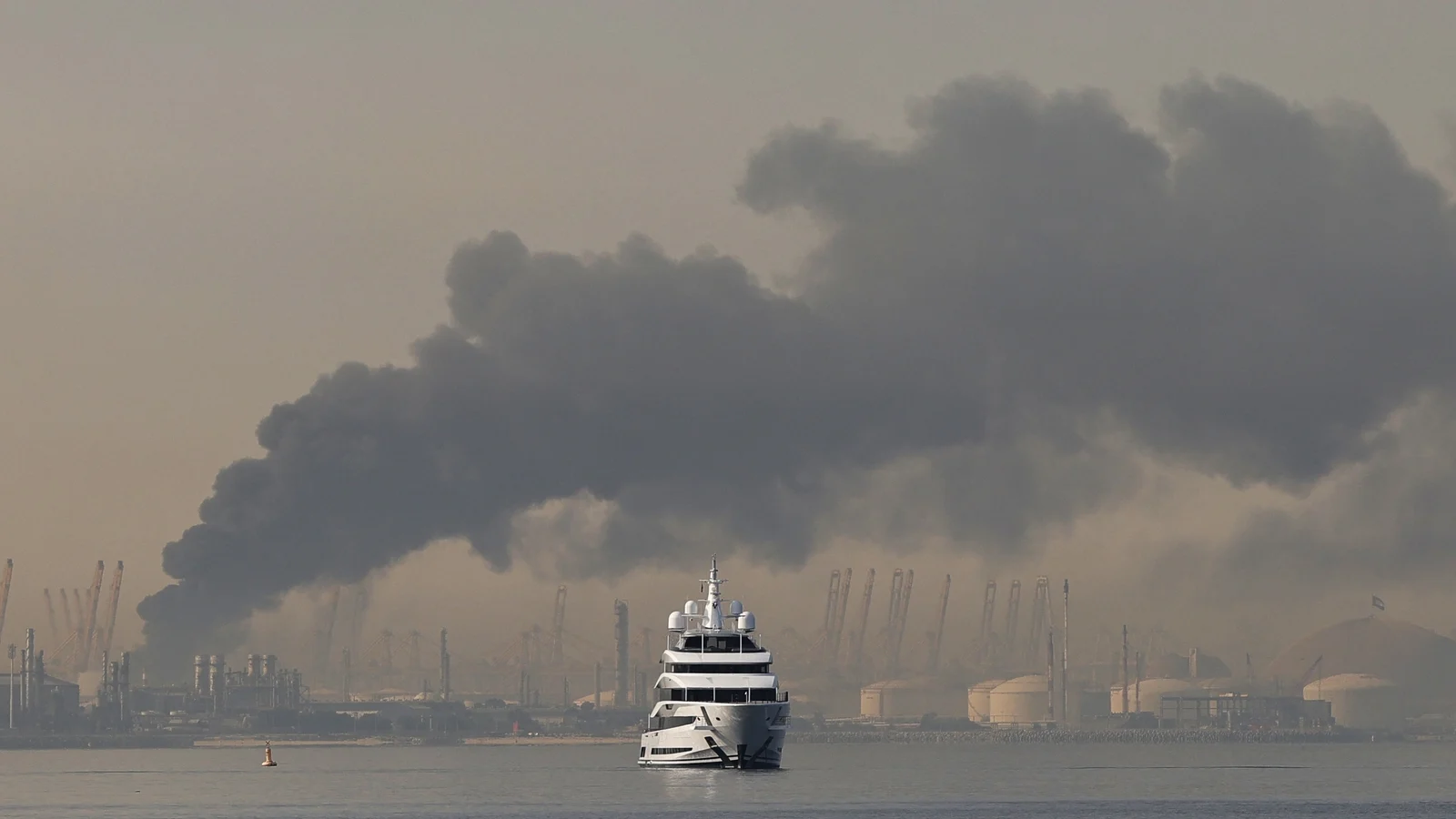
Thick black plumes rose behind Dubai’s silhouette; the palm-shaped islands and the sail of the Burj Al Arab, icons of leisure and finance, were reported with damage. Air-raid sirens wailed in Jerusalem after incoming missiles were identified. In scattered footage shared on social platforms, smoke licked into the blue above industrial districts in Doha and onto the facades of high-rises in Bahrain’s capital.
Numbers on the Ground
Officials in the region said this was no small flare-up. Iranian state sources claimed waves of missiles and drones had been launched at Emirati targets—137 missiles and 209 drones at the UAE, according to one defence ministry statement—while Qatar reported roughly 65 missiles and a dozen drones directed its way. Authorities in Doha said most interceptors worked as intended, but at least eight people there were injured, one critically. In Dubai, two residents were hurt by falling shrapnel after defensive systems intercepted drones near residential neighborhoods.
“We heard the hits and then the echoes,” said Aisha Al-Mansouri, a teacher in Dubai who spent the morning shepherding neighbors out of a glassed-in corridor. “Windows trembled. My heart still feels like it’s racing.”
Landmarks and Lives: Damage Beyond the Headlines
There’s a jolt when familiar places sustain damage. The Palm Jumeirah—an engineered island that doubled as a symbol of ambition and excess—showed burn marks in images online. Burj Al Arab, the luxury hotel whose image fills tourism brochures, was said to have suffered damage. Dubai International Airport, one of the world’s busiest hubs for international passengers, reported operations disrupted; flights were cancelled as airlines reassessed safety and rerouted. Kuwait’s international terminal also reported impacts.
At Abu Dhabi’s airport, authorities said an “incident” left at least one person dead and seven others wounded. Across the Emirates, fires and smoke climbed from industrial and residential sites. In Bahrain’s Manama, the home of the US Fifth Fleet, smoke rose from military areas; social media posts showed emergency crews working on scorched façades.
“You can patch a window,” said Karim Haddad, a logistics manager who works at a port near Manama, “but you can’t patch the calm. People who came here for work now ask whether they should stay.”
Voices of Power and People
On social media, Iran’s security chief Ali Larijani posted a terse vow in response to what Tehran called strikes that had targeted its leadership: “Yesterday Iran fired missiles at the United States and Israel, and they did hurt. Today we will hit them with a force that they have never experienced before,” he wrote. Whether as threat or rallying cry, it landed like a stone in already turbulent waters.
A US defence official, speaking on condition of anonymity, told reporters that American and coalition assets were braced for further strikes and were working to protect civilians. “Our priority is to de-escalate and shield lives,” the official said. “We’re also tracking information to minimize harm to non-combatants.”
Meanwhile, ordinary people offered quieter, raw reactions. “My seven-year-old asked if the world had ended,” said Nadia, who lives on the third floor of an apartment block in Dubai Marina. “I didn’t have the words.”
Experts Weigh In
Regional security analysts say the strikes mark a dangerous widening of a conflict that had previously been contained to proxy battlegrounds and discreet operations.
“This is asymmetric warfare escalating into state-on-state exchanges,” said Dr. Laila Farouk, a Middle East security analyst based in London. “When major urban centers and civilian infrastructure are targeted—even when interceptors succeed—psychological and economic damage are profound and long-lasting.”
Oil-producing monarchies in the Gulf are global linchpins for energy markets and international trade. Even isolated hits can rattle supply perceptions and investor confidence. Markets are sensitive; shipping lanes, insurance rates, and long-term foreign investment could all feel the ripple effects.
Beyond the Gulf: Protests, Deaths, and a Region on Edge
The shock transmuted into fury in other capitals. In Karachi, Pakistan, a breach of the outer wall of the US consulate ended in bloodshed. Local authorities reported at least nine protesters shot dead and dozens injured after crowds clashed with security forces. Video from hospitals showed wounded people arriving by the dozens. “We were mourning a neighbour and then the street filled with smoke and shouts,” recounted Bilal Khan, who saw the clashes near the consulate.
In Baghdad, security forces fired tear gas to disperse hundreds of demonstrators outside the fortified Green Zone that houses the US Embassy; chants of “Death to America” and “Death to Israel” rose in the air. Cities across Pakistan and parts of the wider region reported protests, some turning violent, and a UN office in the tourist-favorite northern area of Skardu was set ablaze.
Local Color: The Human Geography of Fear
Walk the markets of Doha or the alleys of Manama and you meet the Gulf’s mosaic: migrant workers from South Asia selling late-morning tea, Emirati families pushing strollers, Africans running late-night bakeries, Western expats commuting to offices. For many, these places have been bubble-wrapped from the region’s conflicts—luxury and security wrapped together. That bubble is now punctured.
“I moved here for the work and the safety,” said Samuel, a Kenyan electrician. “We send money back to our families. Today people are saying, should we go back? That’s not just fear—it’s livelihoods at stake.”
What Now? Questions That Won’t Fade
How do you negotiate peace when the instruments of war now include swarms of drones as well as traditional missiles? Who will step up as mediator? Oman—long a quiet interlocutor in Gulf politics and notably spared in the initial strikes—may have renewed significance, some analysts say.
And to the reader I ask: when skyscrapers and international terminals—the arteries of global mobility—are threatened, how should the world balance immediate de-escalation with longer-term diplomacy? Should economic interdependence—trade, travel, expatriate communities—be a shield for negotiation or a target that makes peace harder to achieve?
Closing: The Fragility of Ordinary Days
The morning’s blasts did more than rattle glass. They upended routines and exposed how thin the line is between normalcy and crisis. Flights cancelled, hospitals full, markets jittery—these are tangible effects. But so are the small human felts: the child who asked if the world had ended, the teacher comforting her students, the worker wondering whether to board a plane home.
For now, the region waits—waiting for returned silence, for a political route out of this escalation, for leaders to choose restraint over vindication. In the meantime, the Gulf’s skyline stands scarred but still standing, a reminder that life continues amid conflict—and that inside every report of missiles and smoke, there are ordinary people trying to make sense of it all.