They Called Him a Criminal on TV. His Family Calls Him a Son, a Friend, a Believer.
On a chilly Dublin morning, Sama Sabet sits by the window and scrolls through a message thread that doubles as a ledger of fear: short, breathless updates from relatives in Iran, a 30-second international call, the names of lawyers who never show up. The light on the phone washes over her face like a thin, cold promise that the next notification might bring good news. It rarely does.
“He’s my cousin, but he’s also the person who used to bring bread and tea whenever my aunt had guests,” Sama told me, voice threaded with both fatigue and fierce tenderness. “They’ve turned him into a villain on television, but he was the kind of man who knew everyone’s birthday.”
A Confession on Camera, a Family in Limbo
Peyvand Naimi was arrested in early January amid a wave of anti-government demonstrations. Weeks later, an image of him—thin, shirt rumpled, eyes rimmed with exhaustion—was forced into living rooms across Iran as authorities broadcast a confession. Within days, new and graver accusations followed: that he participated in the killing of three Basij militia members. The family points out a glaring contradiction. Peyvand was already in custody on the date in question.
“It’s like reading a play where someone keeps changing the ending,” said Dr. Leyla Azimi, a human rights lawyer who works with families of detainees. “Forced televised confessions are a well-known tool. They serve as both spectacle and evidence to domestic audiences.”
According to his cousin, Peyvand has endured mock executions, beatings, and 48-hour stretches of torture. He has been denied steady contact with counsel. What little communication the family receives comes through hurried, pricey international calls or the filtered updates of relatives who can visit his detention facility in Kerman.
When Mock Executions Become a Method
“He told us about being tied to a wall, about being asked to say his prayers knowing it meant something else to them,” Sama said. “They would stage it, then stop short. The psychological violence of that is endless.”
Mock executions are designed for maximum terror. They leave no visible scars for cameras to document, but they are devastatingly effective in extracting self-incrimination or compliance. “Even a recorded confession taken under duress has ripple effects: it affects courts, families, and the sense of security for many,” Azimi said.
Identity, Faith and a History of Persecution
Peyvand is a member of the Bahá’í faith, a religious minority that has long faced discrimination in Iran. Bahá’ís are frequently denied higher education, dismissed from jobs, and targeted with arrests. This inclusion of faith in Peyvand’s story makes his case resonate with a pattern of systemic persecution that human rights groups have documented for decades.
“If you look at the historical record, minority faiths in Iran have often been used as an expedient scapegoat,” said Amir Faroukh, a member of the Iranian diaspora active in Turkey. “When regimes want to delegitimize dissent, they weaponize identity.”
How Families Survive on Fragmented News
Sixteen minutes of a call, thirty seconds of credit—practicalities become existential when your loved one is behind bars thousands of kilometers away. Sama and other relatives have learned to listen for tone, pauses, and unspoken meanings in the sliver of voice that filters through.
“These calls are so expensive that you choose your words like you’re rationing bread,” said a neighbor who asked to remain unnamed. “You say the important things. You brace.”
Visits from relatives inside Iran are rare and tightly controlled. When they happen, they offer small relief and new questions. “He sounded tired but defiant,” Sama recounts of the last conversation on March 7. “He said he wouldn’t confess to something he didn’t do.”
A Family’s Campaign: Pressure, Petition, Persistence
Sama and the extended family are building a public campaign to prevent the worst outcome—execution—and to secure a fair trial. They say they need international media attention, solidarity from human rights organizations, and pressure from diplomatic channels.
- Raise awareness: share verified information and personal stories to counter official narratives.
- Engage with elected representatives: demand inquiries and consular intervention where possible.
- Support human rights organizations that can document abuses and provide legal aid.
“We are going to put all our efforts into bringing his case to light,” Sama told me. “We need voices beyond our family: journalists, NGOs, ordinary people who can look at this and say, ‘Not in our name.’”
Why This Case Matters Beyond One Family
Think for a moment about the machinery of repression: a televised confession, a charge that doesn’t fit the timeline, a court that proceeds without independent oversight. These are not anomalies; they are mechanisms. Around the world, authoritarian systems exploit fear and spectacle to immobilize dissent. They also test the limits of international attention.
In recent years, Iran’s domestic crackdowns have attracted global scrutiny. Human rights organizations have documented the use of capital punishment against protesters and the politicization of the judiciary. Though exact figures fluctuate, reports note that dozens of protesters were executed in the aftermath of the nationwide unrest that began in 2022. Each number on a list is someone’s brother, sister, or, like Peyvand, cousin. Each one leaves a constellation of grieving relatives who must navigate a complicated landscape of legal and diplomatic barriers.
Questions We Should Ask
What does justice look like in a system that manufactures confessions? How should the international community respond when evidence is produced behind closed doors? And perhaps most urgently: how do we protect people like Peyvand—individuals caught between protest movements and instruments of state power?
“Solidarity matters,” said Faroukh. “Not just in slogans, but in consistent, practical actions: legal aid, media coverage, and the willingness to keep a story alive until it’s no longer convenient for others to forget.”
How You Can Help
If this story moves you, don’t let it pass. Small acts, multiplied, can make the difference between a footnote and a lifeline.
- Contact your local representative and ask them to raise Peyvand’s case with relevant authorities.
- Support verified human rights groups documenting abuses in Iran.
- Share trustworthy reporting and family statements—amplify the human story behind the headlines.
Closing: Names, Not Numbers
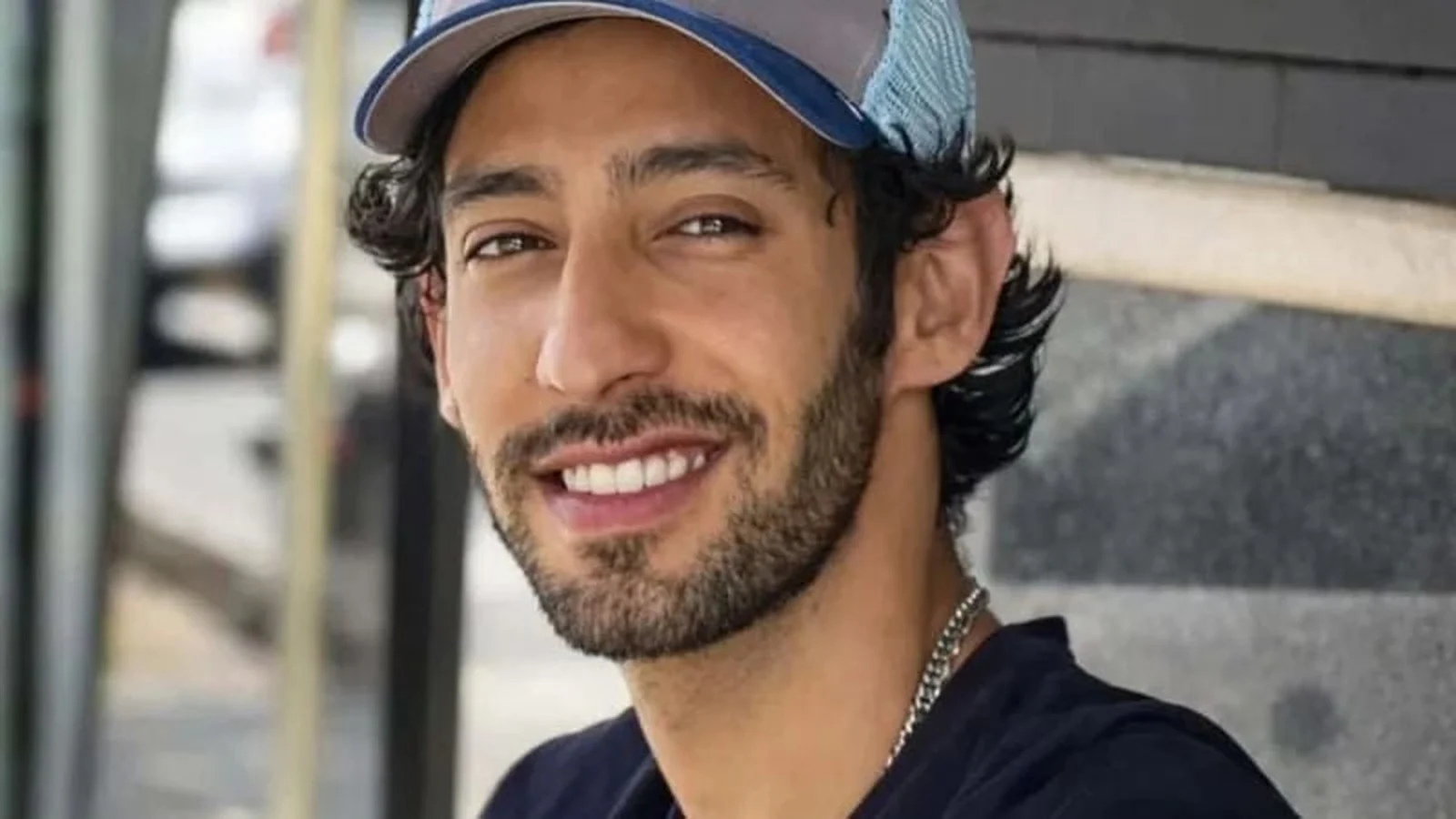
At night, Sama pins photographs to a corkboard—school pictures, faded invitations to weddings, the snapshot of Peyvand smiling in a summertime market. “They’ve made him into a number on TV,” she said. “We’re trying to make sure he’s remembered as a person.”
Stories like Peyvand’s force us to reckon with the human cost of political theatre. They ask us, gently and insistently: who do we stand up for when the state insists we look away? If you take nothing else from this post, hold the name—Peyvand Naimi—and consider what it would mean if the world refused to be silent.