A Seaside Name, a Washington Story: Palm Beach’s Airport and the Politics of Legacy
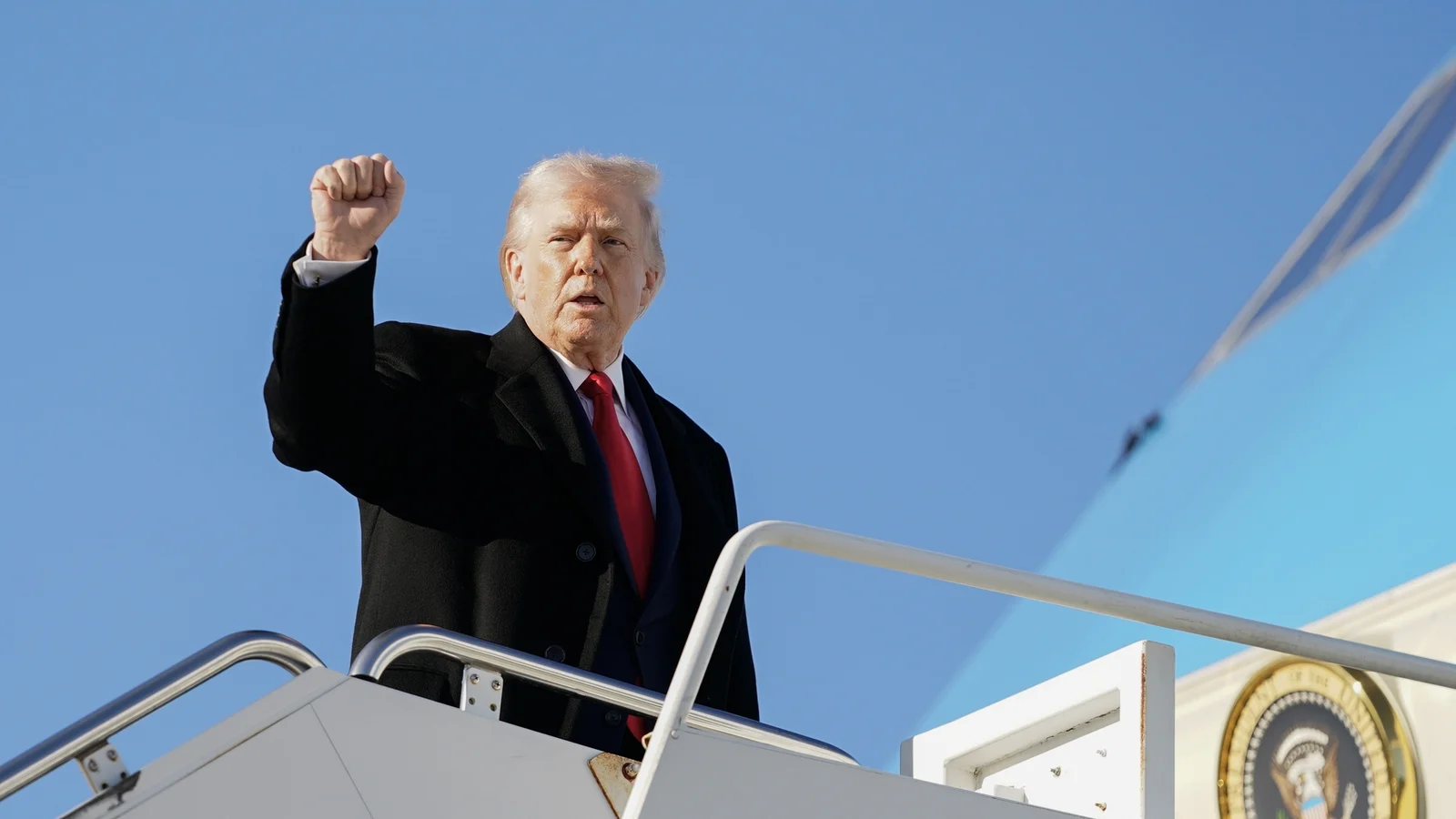
On a bright Florida morning, the tarmac at Palm Beach glints like a polished coin. Private jets taxi past coconut palms. Beachfront mansions cast long shadows over bustling boulevards. And, in an unfolding new chapter of American life, the modest sign above the arrivals hall could soon carry three words that are as polarizing as they are personal: President Donald J. Trump.
Last week, Florida’s Republican-led legislature voted to rename Palm Beach International Airport as the “President Donald J. Trump International Airport.” Governor Ron DeSantis, once a rival and now an oft-aligned ally in the state’s political constellation, is widely expected to sign the bill into law. But the change, even if inked in Tallahassee, won’t be complete with a governor’s signature. Federal agencies, aviation regulators, and the public will all have their say.
More than a sign: what a renaming means
At first blush, changing a name might seem ceremonial: new letterhead, a fresh logo, a ribbon-cutting. But airports are living systems—wayfinding, safety charts, digital databases, international airline agreements, and emergency procedures are all keyed to how a facility is known. The Federal Aviation Administration must approve the rename; the International Air Transport Association and the International Civil Aviation Organization would need to be informed for ticker codes and charts; and flight planners and pilots would receive updates that trickle into systems around the globe.
“It’s not just about paint on a wall,” said Claire Mendoza, an aviation consultant based in Miami. “There are operational costs and logistical headaches that come with renaming an airport. From updating approach plates to replacing signage on the approach road, it’s a project that can take months and cost millions.”
Local residents and businesses, meanwhile, are already imagining the effects. For some merchants in downtown West Palm Beach, the prospect signals a possible tourism spike—fans might come to see a place linked to a living president who has made no secret of his appetite for big gestures. For others, it feels like a kind of cultural annexation.
“My grandmother moved here because she loved the quiet and the old money feel,” said Rosa Alvarez, who runs a small bistro a few blocks from the airport. “If every public building becomes political billboard, where do we hold a neutral place to meet?”
Legacy by decree: a pattern of personalization?
This renaming fits into a broader pattern of attempts—successful and unsuccessful—to stamp a modern presidency onto the American landscape. Reports have shown Mr. Trump has pursued other eponymous projects, from proposed renames of Penn Station and Dulles International (which reportedly met resistance), to moves around cultural institutions. In December, the board of the Kennedy Center voted to attach his name to the historic arts complex; the decision ignited debates about the intertwining of politics and state-funded culture.
There is precedent for naming public infrastructure after living presidents—the late 1990s saw debates over honoring recent leaders while they were still active—but those instances have always cut awkwardly across partisan lines. Naming an airport after a sitting or living political figure raises deeper questions: Who controls public memory? When does tribute become triumphalism?
“Monuments and names tell stories about what a community values,” said Dr. Helen Park, a historian who studies public memory. “When you put a politician’s name on a civic asset, you risk turning a shared space into a piece of propaganda. That’s a tough trade-off for a diverse public.”
On the ground in Palm Beach: reactions and realities
Drive through Palm Beach and you’ll encounter a blend of gilded nostalgia and suburban sunshine: picket-fenced estates, palm-lined avenues, and storefronts where locals greet each other by first name. Mar-a-Lago, the white mansion that has anchored Mr. Trump’s Florida presence, is only minutes from the airport—a proximity that critics say makes the renaming feel less like recognition of public service and more like a personal monument.
“It’s like living next to a shrine,” said Aaron Blake, who has run a charter boat company on the Intracoastal for two decades. “Some folks will love it. Others won’t. But whatever your view, it will be noticed internationally—people will either celebrate, protest, or book a flight just to say they’ve been.”
Tourism is the engine of Florida’s economy. The state has long been one of America’s top destinations, drawing tens of millions of domestic and international visitors annually before the pandemic and rebounding strongly afterward. An airport’s name carries marketing heft; it can become a brand in itself. Yet the tradeoff here is clear: branding for whom?
Practicalities—and politics—are both at play
Even if state lawmakers want the change, federal oversight is a check. The FAA’s review will consider navigational safety and charting impacts, but it does not adjudicate questions of taste or legacy. Still, what happens at the airport has echoes in Washington.
“The FAA looks at safety; it doesn’t decide if a name is politically appropriate,” Mendoza said. “But the FAA process creates time and space for public debate and for other stakeholders—airlines, international agencies—to raise concerns.”
There are also budgetary considerations. Updating signage, digital materials, and legal documents is not free. Municipalities and airport authorities will have to weigh who bears the cost—the state, the airport, or taxpayers. Some will argue the investment is worth it for the prestige; others see a needless expenditure of public funds on a partisan symbol.
What this tells us about our public life
Beyond the immediate logistics and local reactions, this renaming asks a broader question: how do democracies honor their leaders without erasing the civic spaces that belong to everyone? A terminal named after a politician becomes a daily reminder—on boarding passes, on travel apps, in airport announcements—of the line between private personality and public institution.
“We are at a moment when symbols matter more than ever,” Dr. Park reflected. “A sign can be comforting to some and alienating to others. The danger is that public spaces become curated museums of one view instead of shared commons.”
So, readers—what would you do? Keep the rename, making the airport a beacon for supporters and perhaps a tourist draw? Or preserve neutral civic space, keeping airports, schools, and parks free of partisan eponyms? It’s a question that goes beyond Florida’s coasts to the way nations tell their stories.
What to watch next
-
Governor’s signature: Watch Tallahassee for the formal signing and any accompanying statements.
-
FAA decision: Expect a process that could take weeks to months, with technical reviews and public comments.
-
Local feedback: Community meetings, business reactions, and tourism data will reveal how the change lands on the ground.
In the end, the airport rename is about more than letters above a doorway. It is about who is remembered, how, and where. It is about the small rituals—breathing in ocean air on a morning commute, catching a flight home for the holidays—that tie us to places that are meant to belong to everyone. And it is a reminder that names, once given, are stubborn things. They last.