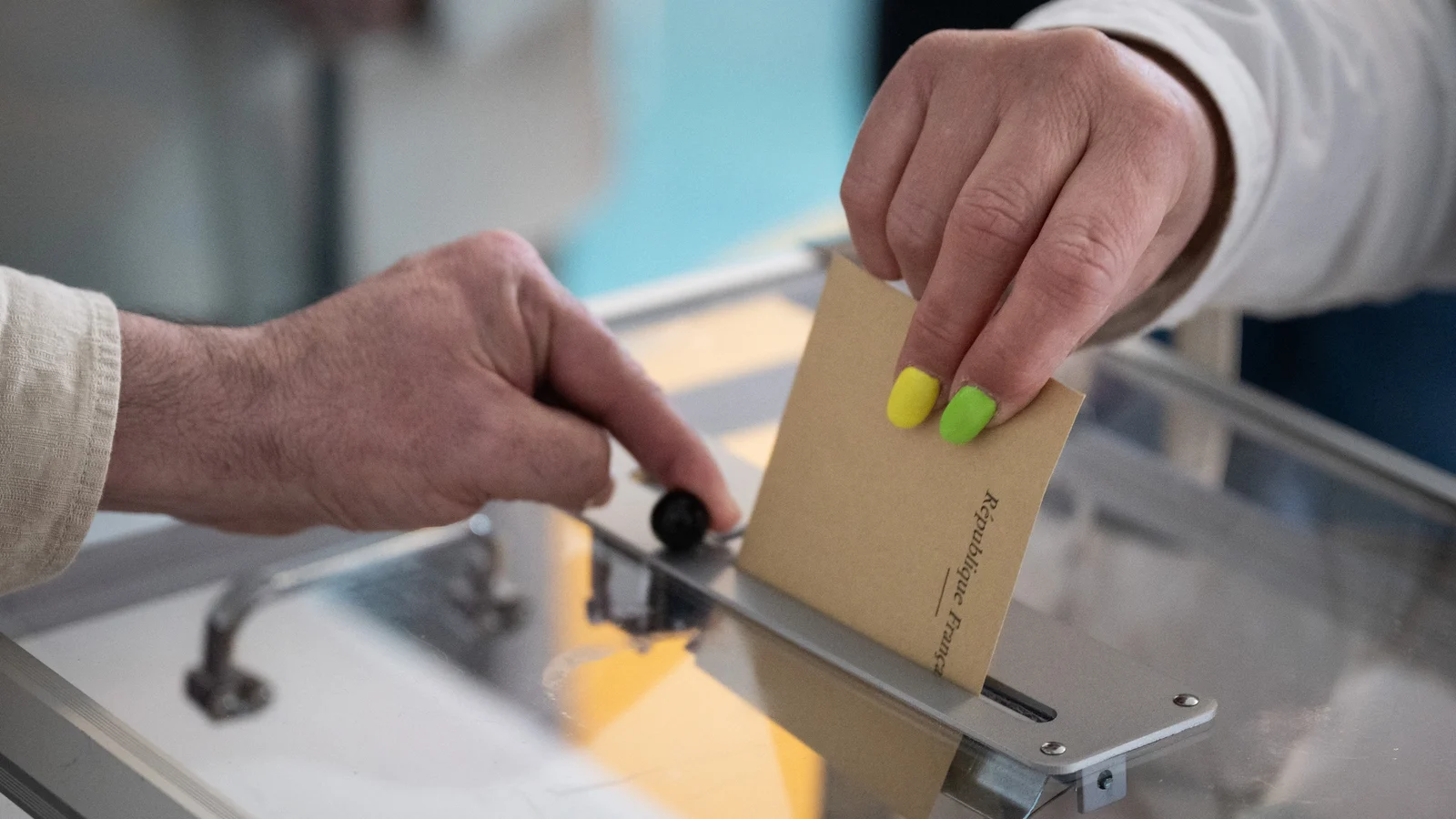
Morning in the polling station: a small ritual with big consequences
On a cool Sunday in March, a line of people snakes past a boulangerie, circling a church square slick with last night’s rain. A father balances a toddler on his hip. An elderly woman carrying a canvas bag of groceries ducks into the mairie. A man in a high-visibility vest lights a cigarette and checks his watch. Posters flutter on lampposts—bright partisan colours, hand-painted slogans, a few peaceably defaced with hearts or a wire of red paint.
These are municipal elections—35,000 communes voting for mayors and councillors, from tiny mountain hamlets to bustling port cities. But the mood is anything but parochial. Across France, the small ritual of dropping a ballot into a box feels, this year, freighted. Not just about potholes and recycling schedules, many voters say, but about what kind of country France will be as it heads toward a presidential election next year.
Why local ballots are now a national thermometer
On the face of it, municipal contests are local mechanics—who will fix the streetlights, manage public housing, run local cultural events. Nearly nine in ten communes are small, rural constituencies, where ballots have traditionally been more about neighbors than national politics. But in larger towns and cities, national themes bleed into local campaigns: immigration, security, unemployment, and the cultural arguments that have surged across Europe in recent years.
“In big cities you can see the political map of the country drawn in miniature,” a political analyst I spoke with in Paris said. “These races will show whether parties can translate national momentum into municipal governance.” That translation matters. For the far-right National Rally (RN), local mayorships are not just trophies; they are laboratories for governing and a test of whether the party can move from opposition to responsible administration.
Numbers that matter
Here are the essentials to keep in mind as the votes are counted:
- 35,000: the number of French communes holding votes this year.
- Two rounds: French municipal elections proceed over two consecutive Sundays; the second round will be held on 22 March if no candidate wins an absolute majority in the first.
- Perpignan: the only city with more than 100,000 inhabitants currently governed by the National Rally—a symbolic foothold the party wants to expand.
- Turnout: political scientists are watching whether citizens return to the polls after a series of low-turnout contests and a turbulent national calendar.
Cities under the microscope
It’s easy to romanticize Paris and Marseille as the only places that matter. But cities of all sizes are on the table—Lyon, Nice, Toulon, and the northern port of Le Havre, where former prime minister Édouard Philippe seeks to hold the mayoralty he’s held since 2014. Losses or surprising wins in any of these places will send ripples through national politics.
“If the RN takes Marseille or Toulon, the optics will be huge,” said a campaign strategist over coffee in Marseille. “It would suggest the party isn’t just a force in the countryside but one capable of managing complex urban issues—housing, public transport, immigrant communities.” For mainstream parties, the challenge is equally stark: can traditional left and right hold ground against a shifting electorate that has shown both volatility and new loyalties in recent legislative cycles?
Voices from the street: what people say matters
“I come every time,” said Amélie, 26, who works producing exhibitions in the Marais. “Local elections feel close to my life—whether the buses run, whether there’s a community center for kids. But this year I’m thinking about the bigger picture too.” She folded her scarf and glanced at a nearby poster supporting a centrist list. “I don’t want extremes ruling my city.”
On the quay in Le Havre, Olivier, a fishmonger who’s been up since dawn, worried less about slogans and more about delivery schedules. “People talk about national politics, sure,” he said, “but the mayor needs to keep the harbour working and stop the bins overflowing. That’s how you feel whether the country is doing well.” Nearby, a retired teacher, Jeanne, 72, shook her head. “Turnout is the health check of democracy,” she said. “If people don’t come, how can anyone claim a mandate?”
These comments echo a broader worry among analysts: disaffection. After a series of snap national ballots and a climate of political discontent, many French voters are fatigued. The pattern of tactical voting—the old “Republican Front” alliances against the far right—may be tested anew, and the week between rounds is likely to see a flurry of negotiations, withdrawals, and last-minute pacts.
Local governance as a proving ground
For the RN, municipal power would be proof they can govern responsibly. “We want to show we can run schools, manage budgets and keep streets safe,” an RN official in the south told me. “Winning a city like Toulon would change how voters see us.” But governing urban complexity is a different exercise than campaigning on national identity and immigration. The daily grind of local administration—budgets, public procurement, social services—will be a test of competence.
For centrist and left parties, holding onto urban strongholds is about more than prestige. These cities are incubators for candidates and policies that can be scaled nationally. Mayors become names on future ballots; municipal success becomes a political résumé. If high-profile figures like Mr. Philippe stumble, it reshapes the field for 2027—when, by constitutional limit, President Emmanuel Macron cannot run again after two terms.
What to watch in the days ahead
Expect the unexpected. Here are the threads that will tell us whether these municipal elections are a local affair or a national turning point:
- Turnout rates—are voters returning to the ballot box?
- Performance of RN in cities over 100,000 inhabitants—can they expand beyond Perpignan?
- Tactical alliances between rounds—will mainstream parties unite to block the far right?
- Results in symbolic cities—Paris, Marseille, and Le Havre as barometers of political momentum.
What does this mean beyond France?
Municipal elections rarely make headlines worldwide—but this one does, because it touches on a global theme: how democracies cope with polarization, economic strain, and the erosion of trust in institutions. Across Europe and beyond, voters are testing new parties, re-evaluating old loyalties, and scrutinizing whether politicians can deliver results on the ground.
So what should we, as observers, ask ourselves? Are local elections the right place to settle national anxieties? Can a mayoral office be a laboratory for healing political divides? And ultimately: how do communities rebuild trust in governance—through policies that work, or rhetoric that resonates?
As dusk falls and polling places close, the ballots will be counted. The results will be parsed in living rooms and newsrooms alike—but their real test will be ordinary life: whether streets are cleaner, buses run on time, and people feel safer and heard. That is the truest measure of whether democracy is healthy: not spectacle, but daily competence and a citizenry willing to show up and hold leaders accountable.