Night of Music, Smoke, and Silence: A Club Blaze That Shook Goa
It was the kind of night Goa lives for: warm air, the distant lull of waves, and the intoxicating promise of music until dawn. In Arpora, a clutch of clubs and beach shacks draw crowds from across India and beyond—DJs, backpackers, honeymooners, and locals who come alive under neon lights. At roughly midnight, that thrum of life turned into a nightmare when a fire tore through the Birch nightclub, cutting short the lives of 25 people and injuring six more.
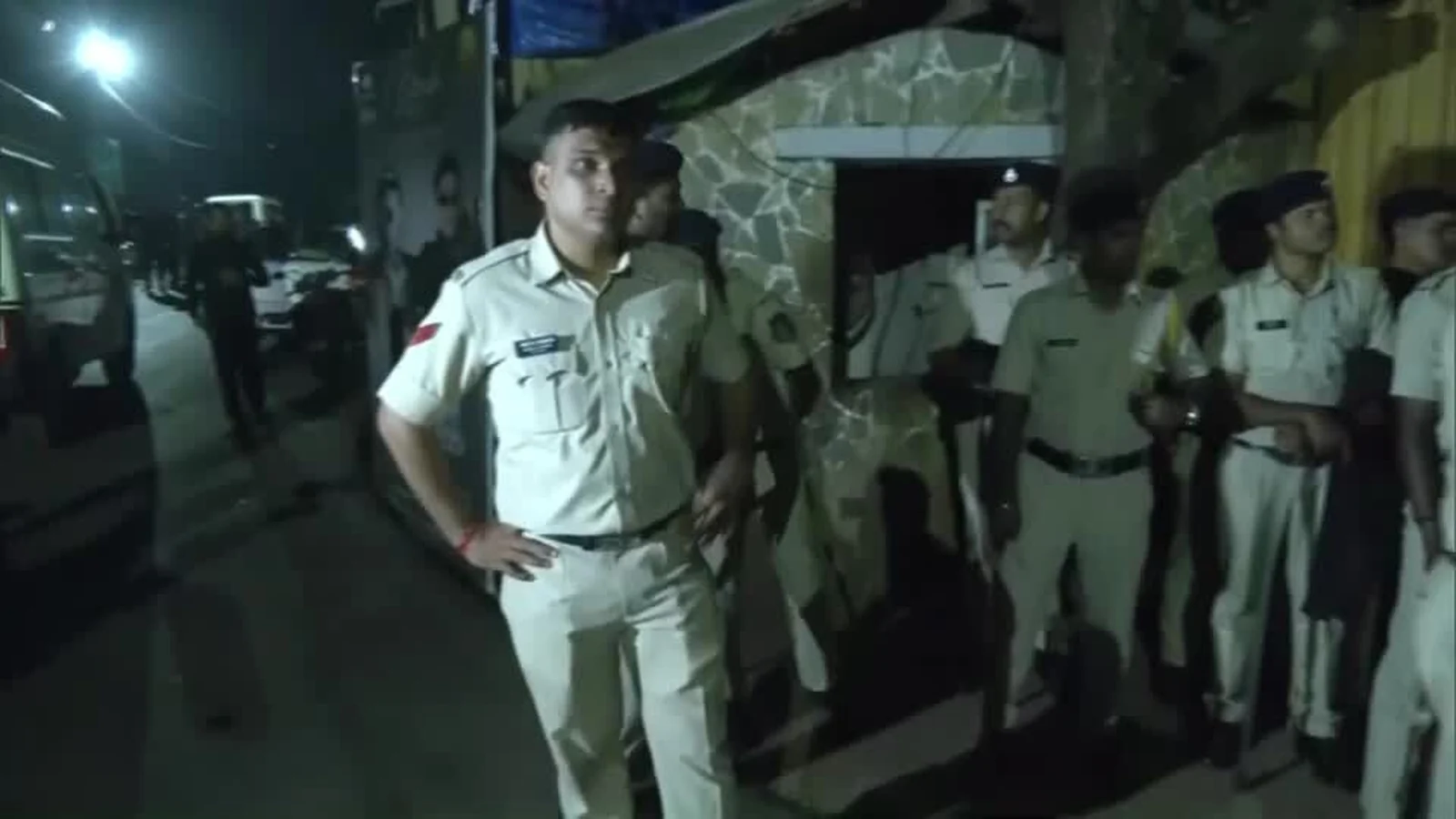
The news arrived in fragments at first—sirens, a neighbor pounding on doors, a video clip of rescuers carrying bodies down the club’s narrow stone staircase. Then the formalities: Goa Chief Minister Pramod Sawant confirmed the casualty toll, and the prime minister called the deaths “deeply saddening.” An immediate magisterial inquiry was ordered to identify the cause and allocate responsibility.
Moments That Felt Like a ‘Show’
Survivors speak of the first seconds as disbelief. “At first we thought it was part of the act,” said Leena, a tourism student who had come to the club with friends. “There were small flames near the DJ booth and smoke, then people started shouting. The music didn’t stop quickly enough—some of us stayed because we assumed it was a fire show. I wish I hadn’t.”
Another guest, Rohit, described a chaotic dash for the exit. “The staircase was packed. People slipped, luggage piled up, and smoke was thick. We could see no emergency lights and the door was almost impossible to open with the crush.” He still carries the scent of smoke in his hair.
Where Nightlife Meets Risk
Goa’s nightlife is part of its identity. The state’s sandy beaches, Portuguese-era churches, and late-night music scenes lure millions of visitors each year. Holidaymakers come for the trance parties at Anjuna cliffs, the bustling Saturday market in Arpora, and the casual camaraderie of beach shacks that serve seafood with a side of sunset. Tourism is a pillar of the local economy—supporting hotels, taxis, restaurants, and small businesses that line the coast.
Yet, as this tragedy reminds us, the very spaces that animate the tourist experience can be perilously fragile. India has seen a string of deadly fires in recent years: a devastating blaze in a Hyderabad apartment block earlier this year, a hotel fire in Kolkata that sent people scrambling onto rooftops, and last year’s deadly incident in a crowded amusement arcade in Gujarat. These incidents share familiar threads—overcrowding, poor maintenance, and lax enforcement of safety rules.
Systemic Gaps, Human Cost
Experts who study urban safety argue that building codes are only as strong as their enforcement. “The National Building Code of India and various fire safety standards are well-drafted on paper,” said Dr. Anita Deshmukh, a Mumbai-based fire safety consultant. “The problem is inspection. Many commercial venues operate without regular audits or certified fire-fighting equipment. Small changes—like ensuring clear exits, functioning alarms, and trained staff—can be lifesaving, but they’re often overlooked.”
Data tell a blunt story: fires in public spaces repeatedly produce high casualty counts when escape routes are blocked, when panic replaces protocol, and when response systems are inadequate. While precise national statistics on nightclub fires are patchy, every such incident compounds a public sense of vulnerability and casts doubt on the ability of local authorities to protect both citizens and visitors.
The Human Ripple
The impact extends beyond the immediate victims. Shopkeepers near the club spoke of a silent, stunned morning. “We’ve lost customers and friends,” said Maria Fernandes, who runs a neighboring cafe. “Tonight, people will stay home. It will hurt all of us—not just the families of those who died.” Candlelight vigils had already begun to form by the next afternoon, small circles of grief stitched together by music lovers and residents who know the scene too well.
For the families of visitors, the loss is disorienting and bureaucratically complex. The chief minister mentioned that three to four of those killed were tourists, though nationalities were not disclosed immediately. Consular contacts, medical certifications, and the logistics of repatriation all add layers of pain in the days after a tragedy.
What Can Change—and What Might It Cost?
If there is momentum to be found amid sorrow, it is the rare political focus that follows headline-making calamities. The magisterial inquiry could lead to prosecutions, fines, and perhaps a mandate for stricter compliance. Yet change runs up against familiar obstacles: economic pressures to keep venues open, seasonal inflows of temporary workers and pop-up events, and the informal networks that lubricate the tourist economy.
Some proposals are simple and immediate. Public safety advocates call for regular surprise inspections of nightlife venues, compulsory staff training in crowd management and emergency evacuation, functioning sprinkler systems in enclosed entertainment spaces, and mandatory emergency lighting and clearly marked exits. Others urge a broader rethink: urban planning that separates high-density nightlife from residential clusters, better licensing that is tightly linked to safety audits, and public awareness campaigns so patrons know to recognize risky situations before they become lethal.
- Clear exits and unobstructed stairways
- Regular fire safety audits and surprise inspections
- Mandatory training for staff on evacuation procedures
- Working alarms, sprinklers, and emergency lighting
- Stronger penalties for non-compliance
Beyond Regulations: A Cultural Shift
Rules can be written; habits are harder to change. Many regulars at Goa’s clubs revel in a sense of freedom—a belief that the night belongs to them and that worry spoils the moment. Changing that culture requires not only enforcement but a collective refashioning of expectations. Patrons need to demand safe spaces the way they demand good music and cold drinks.
“When people shout ‘show’ and laugh at a flame near a speaker, that’s a moment to be alert,” said Suresh Naik, a longtime resident and nightclub manager. “We must teach younger people that fun and safety are not opposites.” Naik has overseen emergency drills in his venue, a practice he says should be universal.
Questions to Carry Forward
As you read this, consider the places you frequent: Do you notice emergency exits? Have you ever stayed in a crowded venue where the staff seemed unprepared? What price are communities willing to pay for the economy that nightlife brings?
Tragedies like the Birch nightclub fire force uncomfortable reckoning. They ask communities to balance livelihood and safety, to measure the cost of negligence in human terms, and to decide whether the rituals of freedom can coexist with a simple, non-negotiable duty: keeping people alive.
For now, Goa mourns. For now, questions are being asked, and inquiries are underway. In time, there may be policy changes and prosecutions. But the raw grief—faces in vigil, the slow tally of names, the empty chairs—will remain the clearest accountability of all.