A Quiet Carpenter Who Became an Epic Hero: Why Harrison Ford Is Getting a Lifetime Tribute
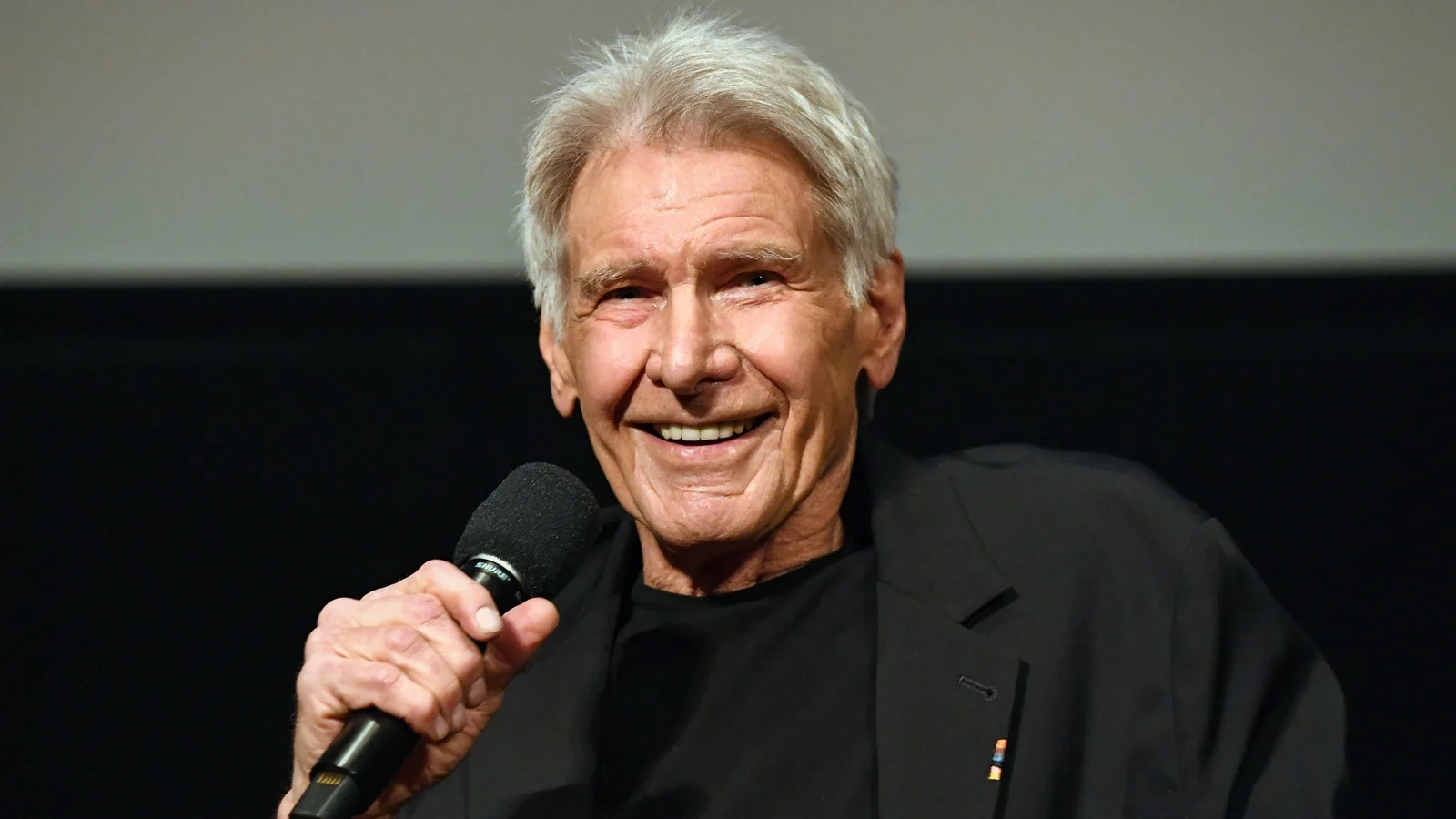
There are few faces in modern cinema that can stop a room the way Harrison Ford’s does. Weathered, human, stubbornly real — his presence on screen feels less like performance and more like an old friend turning up when you need him most. This spring, the actors’ union SAG-AFTRA will hand Ford its Life Achievement Award at the newly rebranded Actor Awards, a moment that feels both inevitable and oddly tender.
“Harrison Ford is a singular presence in American life; an actor whose iconic characters have shaped world culture,” SAG-AFTRA President Sean Astin said in announcing the honor. “His career has been endlessly exciting, always returning to his love of acting. We are honoured to celebrate a legend whose impact on our craft is indelible.”
From Carpentry to Cosmos: The Backstory
Ford’s path to legend didn’t come wrapped in special-effects smoke. Born in Chicago and raised in the American Midwest, he learned a kind of practical craft long before he ever learned camera angles. He worked as a carpenter — literally building the world he would later inhabit on screen — and landed early, modest roles until a string of collaborations with young directors catapulted him into public life.
George Lucas cast him as Bob Falfa in American Graffiti (1973), then a few years later, Ford roared into the cultural bloodstream as Han Solo in Star Wars (1977). Indiana Jones arrived with that fedora and whip in 1981, and the rest is cinematic scaffolding you can still climb: Blade Runner (1982), where he played Rick Deckard, and decades later reprised the role in Blade Runner 2049, bridging two filmic eras.
“To be acknowledged by my fellow actors means a great deal to me,” Ford said upon learning of the award. “I’ve spent most of my life on film sets, working alongside incredible actors and crews, and I’ve always felt grateful to be part of this community.”
Why This Award Matters
The SAG-AFTRA Life Achievement Award is not a trophy for box office or Instagram counts. It’s given to performers who “embody the finest ideals of the acting profession” — a phrase that suggests stewardship, longevity, and an ethical grounding in craft and collaboration. The union itself represents more than 160,000 performers, an organization that survived and reshaped itself through strikes, negotiations, and shifting media landscapes since the 2012 merger of SAG and AFTRA.
Previous recipients read like a canon: Robert De Niro, Jane Fonda, Morgan Freeman, Elizabeth Taylor. Their work spans eras, styles, and politics. Ford, now in his eighties, sits comfortably among them because his career is one of rare continuity: blockbuster thrills, intimate dramas, television turns in 1923 and Shrinking, and a consistent presence as someone who could sell both long shots and human close-ups.
Iconography and Intimacy
There’s a paradox to Ford’s appeal. He’s become an icon — a hat and a jacket that millions can recognize — but his acting is stubbornly, often disarmingly, intimate. He rarely plays the flawless hero. Han Solo is cocky and selfish; Indiana Jones is brave and terrified; Deckard is exhausted and morally murky. That moral complexity is why a line, a look, a careful pause from Ford can feel like a moral pivot for the audience.
Voices from the Streets and Sets
Ask a barista on the Sunset Strip, a film historian at a small college, or a veteran prop-master in a Burbank lot, and you’ll get different takes that add up to the same thing: respect. “He’s the kind of actor who makes you forget you’re watching acting,” said Maria Alvarez, a barista who’s worked near studios for years. “People in town don’t talk about his awards so much as the way he makes a scene feel true.”
Dr. Kevin Tran, a film studies lecturer, pointed out the cultural scale: “Ford’s characters have become shorthand for certain American myths — the reluctant hero, the grizzled winner — but he’s also managed to peel back those myths and reveal the person underneath. That’s rare in actors who have been so commercially successful.”
On social media and at conventions, fans speak in terms more sentimental than analytical. “When I was a kid, Han Solo was my rebellion,” wrote one attendee of a recent Comic-Con panel. “As an adult, Indy is how I want to be — flawed but trying.” Those notes of affection multiply into something like cultural weather: Ford’s work is familiar as sunlight and old as a family story.
What It Says About Hollywood Now
Honoring Ford at the Actor Awards — streamed live on Netflix on March 1 — also tells a story about the industry’s present priorities. After years of labor disputes, streaming upheaval, and debates about representation, Hollywood is looking to anchor itself in legacies that cross platforms. Ford’s career cuts across studio movies, indie-spirited auteurs, and television serial storytelling. He is, in many ways, the bridge figure for an industry in flux.
Consider these facts: Ford’s biggest franchises grossed billions at the box office worldwide; Blade Runner’s cultural afterlife has influenced everything from architecture to AI ethics debates; his television roles have introduced him to new, younger audiences at a time when streaming platforms prize recognizable faces to build subscriber trust. These are not mere trivia points. They are a map of how star power adapts to technology, not just resists it.
Context and Cultural Threads
Ford’s recognition is not only about nostalgia. It’s also a moment to reflect on how stories endure. In an era where tentpole films and serialized TV coexist with short-form content and AI-generated art, the longevity of a human performer — someone who can change a scene with a look — becomes a kind of counterargument to disposability.
What are we choosing to remember? What sorts of performances do we save for our grandchildren’s playlists? When a union representing hundreds of thousands of actors gives its lifetime award, it is choosing a set of values: craftsmanship, collaboration, and a commitment to the art of inhabiting other lives. Those choices ripple outward.
Closing: A Moment to Watch
On March 1, when the Actor Awards stream, viewers will see a man whose face carries decades of stories accept a recognition shaped by his peers. Whether you grew up with Raiders of the Lost Ark on VHS, discovered Blade Runner in a film class, or caught Ford’s quieter recent turns on television, the award asks a simple question: what do we value in storytelling?
As you watch, think about the actors who taught you how to feel, or taught you to ask a better question about a character’s motive. Who, among the performers living now, will still be shaping global imagination decades hence? Ford’s career offers a model — not immaculate, but resilient — of how a life in movies can both mirror and shape the human stories we keep returning to.
Will the next generation pick up the hat and the whip, or will they invent new artifacts entirely? The answer will tell us as much about the future of storytelling as any award ever could.