When the Screen Becomes the Snack Counter: A New Chapter in the Fight Against Childhood Obesity
On a rainy Wednesday afternoon in Cork, a six-year-old presses his nose to the television while his mother prepares dinner in the kitchen. Between the cartoon and the weather forecast, a stream of bright, jingly adverts floods the screen—milkshakes with cartoon mascots, crisps that promise “fun,” and fizzy drinks with colours more vivid than the childhoods they aim to colour. The boy points. “Can I have that?” he asks.
This tiny exchange is part of the scene that drove the UK government to roll out a sweeping ban on daytime television and paid online advertising for foods high in fat, salt or sugar. Officials hailed the move as “world-leading” and say it could remove up to 7.2 billion calories from children’s diets each year, reduce the number of children living with obesity by about 20,000, and deliver roughly £2 billion (€2.2bn) in health benefits. For public health advocates, it’s a gesture toward a future where childhood cravings aren’t manufactured before kids can read.
What the UK ban does — and what it doesn’t
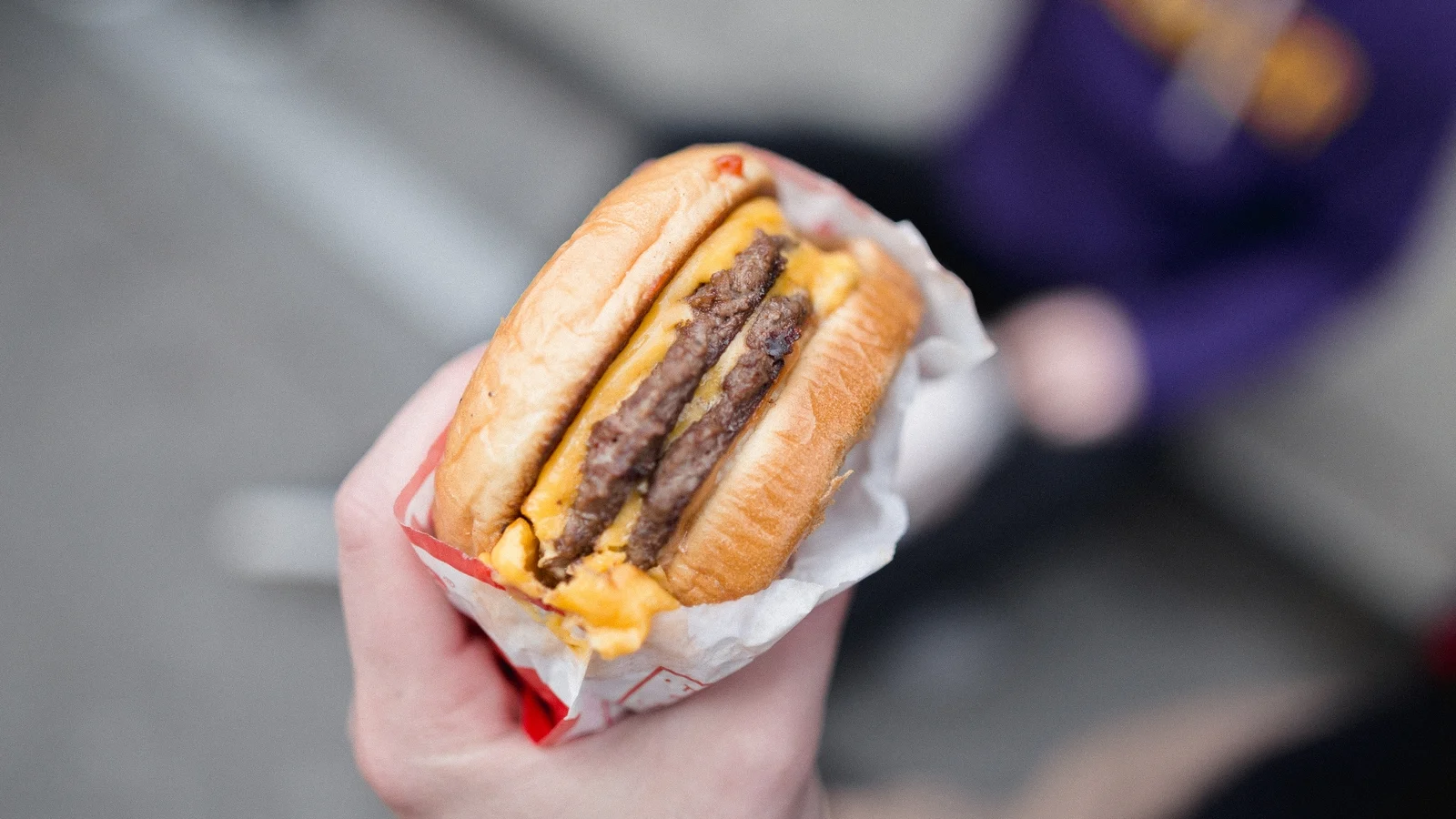
The gist of the regulation is simple on paper: junk-food adverts will not be shown on TV before the 9pm watershed and paid ads for these products will no longer appear online. Local councils have also been empowered to restrict fast-food outlets setting up shop outside schools, while an extended sugar tax now includes items such as milkshakes, ready-to-go coffees and sweetened yogurt drinks.
- Banned: Paid TV ads for HFSS (high fat, salt or sugar) foods before 9pm; paid online ads for the same products.
- Allowed, in some form: Brand advertising remains permissible, which critics say keeps brand recognition alive long before children develop meaningful consumer choice.
- Not fully addressed: Influencer marketing and some forms of product placement, which are rapidly evolving and can be hard to police.
“By restricting adverts for junk food before 9pm and banning paid adverts online, we can remove excessive exposure to unhealthy foods,” Health Minister Ashley Dalton said as part of the policy launch, adding that the move fits into a broader strategy to shift the National Health Service’s emphasis toward prevention as well as treatment.
The human toll behind the statistics
Numbers make headlines. They also make futures. The UK government points to sobering childhood health statistics: around 22% of children starting primary school in England are overweight or obese, and by the time those children reach secondary school, the figure climbs to more than a third. Tooth decay—largely preventable—is the leading cause of hospital admissions among children aged five to nine in the UK.
For parents and teachers on the ground these are not abstractions. “You see kids trading lunchbox snacks for branded pots and pouches,” says Margaret O’Neill, a primary school teacher in Limerick. “They’re learning to link feeling good with a brand logo. That sticks.”
Public health organisations welcomed the UK’s move. Katharine Jenner, executive director of the Obesity Health Alliance, called the ban “a welcome and long-awaited step towards better protecting children from unhealthy food and drink advertising that can harm their health and wellbeing.” Diabetes UK echoed the sentiment, warning that rising rates of type 2 diabetes in young people are linked to obesity—today’s sugar habit can be tomorrow’s chronic disease.
Across the Water: Ireland Watches and Asks Why Not Us?
In Dublin, the Irish Heart Foundation listened to the announcement and issued an immediate call to action: the Government in Ireland should adopt similar restrictions. “Children in Northern Ireland will now have greater protection than their counterparts here from unscrupulous online targeting tactics by junk brands that we know are rampant,” said Chris Macey, director of advocacy at the Irish Heart Foundation. “They result in overconsumption, which in turn causes high rates of overweight and obesity that are damaging children’s long-term health.”
That observation stings because Ireland has previously been warned of the same dangers. Several policy recommendations—most notably from the Oireachtas Committee on Children and Youth Affairs—have suggested tough marketing curbs to shield kids, but many suggested measures remain unimplemented. “The implementation paralysis of successive governments, which have been well aware of the need for tough restrictions on junk food marketing, has to end. The futures of tens of thousands of today’s children depend on it,” Macey said.
Local voices: parents, shopkeepers, and the pacing of policy
Across neighbourhoods in Ireland, the issue feels both immediate and personal. Aoife Murphy, a mother of two in Galway, described the omnipresence of junk-brand imagery. “My toddler knows the mascots on cereal boxes before she can say ‘banana.’ It’s everywhere—on TV, in supermarket aisles, even in gaming apps,” she says. “A ban like this would give us a fighting chance.”
Shopkeepers argue with nuance. “We sell what people buy,” says Declan Byrne, who owns a convenience store near a secondary school in Waterford. “If demand shifts, we will too. But education and economic realities matter. Some families buy cheaper, ultra-processed food because it stretches the budget. You can’t solve this with a single law.”
Advertising, Algorithms and the Invisible Persuader
The digital dimension complicates matters. Algorithms track and learn from children’s viewing habits; influencer marketing cloaks promotion in familiarity; and brand-building campaigns aim to make recognition habitual as early as 18 months—research shows infants can identify brand logos astonishingly early in life.
Dr. Sinead O’Leary, a behavioural scientist focused on childhood nutrition, points out that “advertising doesn’t just inform; it creates a context for desire. The more exposure, the more normalised those choices become.” She warns that while the UK ban is meaningful, it is not a panacea. “Brand marketing and influencer content are the next battlegrounds.”
What else could be done?
Tackling a complex public health challenge calls for multi-pronged action. Measures experts suggest include:
- Expanding restrictions to cover brand advertising and influencer promotions aimed at children.
- Strengthening school food policies and restricting fast-food outlets near schools.
- Investing in community-based nutrition education and subsidies for healthy foods.
- Monitoring and enforcing online ad rules with clearer penalties for breaches.
Why this matters to a global audience
Childhood obesity is not a British or Irish problem alone. The World Health Organization reported that in 2020 tens of millions of children under five were overweight or obese worldwide, and rates of excess weight among school-age children have been rising in many countries. This is a global conversation about corporate influence, children’s rights, health equity, and the ethics of selling to those who can’t yet fully understand the persuasion.
As you scroll through your own feed tonight, ask yourself: who is talking to your child? Who is shaping their tastes before they learn to read nutrition labels? And what kind of world do we want them to inherit—a world where craving is manufactured and convenience rules, or one where healthy defaults are the easy and visible choice?
The UK’s ban is not the final word. It is, however, a clarion call—and a reminder that policy can change the odds in which children grow up. Whether Ireland, and indeed the wider world, will match that ambition remains to be seen. For parents like Aoife, teachers like Margaret, and doctors like Dr O’Leary, urgency is part of the daily rhythm.
“This isn’t about taking treats away,” Aoife tells me. “It’s about making sure treats stay occasional, and that our kids don’t grow up in a world where every screen is trying to sell them a shortcut to happiness.”
Will your government, community, or family step in to redraw the line between childhood and commercial persuasion? The choices we make now will shape not only calories on a plate but the contours of children’s lives for decades to come.