At the Brink: A City Waiting and the World Holding Its Breath
Tehran wakes to the same rhythms it always has — the shrill vendor calls in the bazaar, the hiss of tea poured into tiny glass cups, the soft thud of shoes on carpeted stairways — but there is an undercurrent of waiting now, a tautness that hums under everyday life.
“We are teaching our children to be quiet at night,” said Leyla, a carpet seller in the Grand Bazaar, pausing between customers to fold a faded rug. “Not because the world has changed what it sells, but because people listen differently when guns and talk of strikes are in the air.”
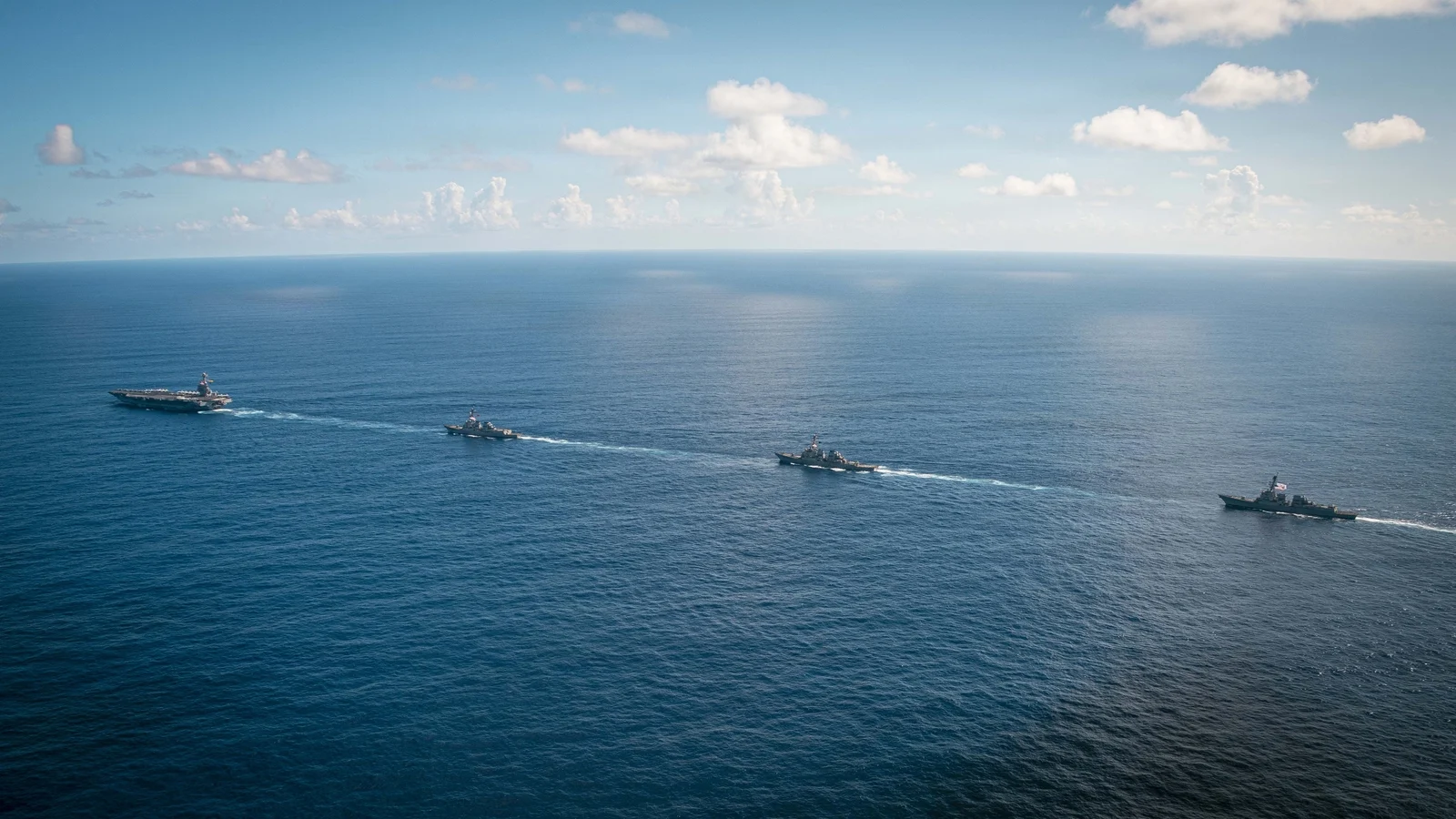
Across continents, officials and soldiers have been moving pieces on maps as if summoning the future into being. Diplomatic exchanges in Geneva left both sides claiming modest progress — and a fragile, precarious pause. At the same time, public rhetoric hardened in Washington: deadlines, threats of limited strikes, and talk — reported by several Western outlets — that U.S. military planning had reached an advanced stage, including options that would strike individuals or even aim to unsettle Tehran’s leadership if a political decision were made.
Diplomacy in the Shadow of Force
In neutral meeting rooms in Geneva this week, Iran and American envoys did not sit across the table directly; they moved proposals through intermediaries, technical papers and a shared desire to avoid total collapse. Tehran’s foreign ministry — speaking through a senior official — said a draft counterproposal could be ready within days. That paper, it was explained, would outline ways to assure the world that Iran’s nuclear program would remain peaceful, while seeking relief from crippling sanctions.
“We have been very clear about our aim,” the Iranian official said. “This is about coexistence: the right to a civilian nuclear programme, and guarantees that it will never become a weapon. That’s what a reasonable people expect from their government and what the world should expect from us.”
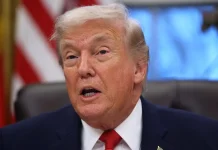
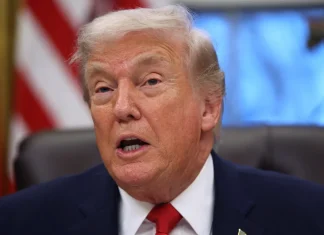
But the same week, President Donald Trump publicly offered Tehran a short window — “ten to fifteen days,” as he put it in an Oval Office briefing — to clinch a deal or face “really bad things.” Later, pressed about the option of a limited strike, he said he was considering it. That kind of brinkmanship, analysts warn, complicates negotiations by raising the stakes on both sides.
“You cannot simultaneously wave the olive branch and the sword,” said Dr. Miriam Alvarez, a former diplomat turned senior fellow at an international security think-tank in London. “Armed pressure can bring a partner to the table, yes, but it also hardens resolve, creates fear, and makes any diplomatic gains brittle. Trust — not just written text — is the currency of agreements.”
What Was Said — and What Wasn’t
Those Geneva conversations, according to participants, did land on a set of “guiding principles” — broad strokes outlining mutual aims — but did not produce a final agreement. On technical matters, both sides reportedly left the more contentious issues, such as enrichment levels and verification regimes, open for further negotiation. U.N. officials, echoing growing alarm across capitals, urged restraint and a return to sustained diplomacy.
“The world cannot afford another military escalation in the Middle East,” said a U.N. spokesperson at a daily briefing. “We encourage both parties to continue engagement, reduce rhetoric, and avoid steps that could lead to miscalculation.”
The Human Toll: Numbers, Stories, and Disputes
Talking of geopolitics without talking about people flattens the story. In Tehran and beyond, the human cost of recent unrest remains bitterly contested. Iran’s government has published a list it says includes 3,117 people killed during waves of protest and unrest. Independent monitors — including HRANA, a U.S.-based rights group — say their verified count stands substantially higher: 7,114 deaths, with another 11,700 cases under review.
“Numbers are a form of evidence; they are also a claim on our conscience,” said Soraya Rahmani, a human rights researcher who has tracked the unrest from abroad. “The discrepancy is not just academic. It shapes who is believed, who is held accountable, and how the international community judges the situation.”
For families here, the numbers translate into empty rooms and altered futures. “My brother used to sit at the kitchen table and joke about the national football team,” said Reza, a bus driver in northern Tehran whose sibling was killed during clashes. “Now my mother keeps his scarf in a drawer. She says it smells like him.”
Local Rhythms: Life Between Anxiety and Normalcy
In the neighborhoods surrounding the university, students argue over politics and poetry in cafés clouded by the scent of cardamom coffee. Mothers in the markets swap recipes and, in softer tones, swap worries about curfews and the economy. The city’s ancient fabric — its mosaics, its saffron-sweetened pastries, the stooped tea vendors who refill cups as if refilling spirits — continues to hold daily life together.
“You can see how people get used to fear,” said Leila Hosseini, a schoolteacher of twenty years. “They speak in parentheses, they put their sadness in small boxes. But they still make Nowruz sweets; they still dream about the sea. That is how a people survive.”
Choices Ahead and the Global Stakes
The coming days will be decisive, not only for Iran and the United States but for regional stability and the architecture of non-proliferation. If Tehran presents a counterproposal and the U.S. responds in kind, there is a narrow corridor for a diplomatic breakthrough that could ease sanctions and curb nuclear risks. If military options are pursued, even limited strikes risk igniting broader confrontations — not only military but also economic, cyber, and proxy-driven.
“We are in an international moment where miscalculation scales,” said Colonel James Anders, a retired military planner now advising a civilian security institute in Washington. “Options on paper look neat; in reality, they generate ripples. Those ripples affect tanker routes, stock markets, refugee flows, and the lives of people who have nothing to do with the decisions made in command centers.”
So what should the global observer ask of these actors? Can states reconcile sovereign security concerns with the human imperative to prevent war? How can accountability for alleged abuses be pursued without weaponizing those claims into pretexts for attack?
How This Might Unfold
- A fast diplomatic track: Tehran submits a written counterproposal, mediators shuttle between capitals, and sanctions-relief confidence-building measures are negotiated. This route would require political will, verification mechanisms, and careful sequencing.
- A hardened standoff: Rhetoric escalates, military posturing continues, and diplomatic trust frays — increasing the risk of miscalculation or limited strikes that could widen into broader conflict.
- A messy middle: Intermittent talks and periodic skirmishes in cyberspace or with proxy groups keep tensions simmering, affecting markets and civilians without ever resolving the core dispute.
A Final Thought
Walking back through the bazaar at dusk, a young shopkeeper named Navid summed up what many I spoke to shared: “We are tired of being headlines,” he said, lighting a cigarette and watching the city’s street lamps glow like scattered stars. “We want to make carpets, to teach our children, to open the doors of our shops in peace. If the powerful make a deal, let it be not for show but to let us live our small lives without fear.”
How will the urgent chess match between words, drafts, and war plans end? The answer will be written not only in diplomatic communiqués but in the quieter ledger of lives: markets reopened, families at tables, numbers reconciled — or not. The next days may decide which ledger the world will inherit.