A jog that turned into a rescue: Life and fear at Manly Beach
The sun had just started to lift off the Tasman Sea, painting Manly Beach in stripes of gold and blue, when a morning jog became an impromptu medical mission.
“I thought it was training,” one witness later told me, voice still catching on the memory. “You know, kids doing CPR on the sand. Then I saw the blood.”
Brian Burns, a clinical professor of emergency medicine who was out running, says his professional instincts switched on the moment he saw the scene: surfboards scattered, lifeguards clustered, and a young man being worked on in the sand. What had begun as an ordinary Australian morning—the coffee shops opening, surfers paddling out—was suddenly about saving a life.
What unfolded on the beach
According to accounts from people at the scene and hospital staff, the surfer had been pulled from the water with catastrophic injuries consistent with a shark bite. He was in cardiac arrest when bystanders and trained lifesavers reached him. Burns and the beach lifeguards commenced CPR while awaiting paramedics.
“Everyone just moved,” a surf club volunteer said. “No panicking—people jumped from the water, others grabbed towels, someone ran for the defibrillator. It felt like a well-oiled machine, weirdly, in the middle of chaos.”
By the time an air ambulance touched down, the team had begun advanced life support—intravenous fluids, adrenaline—and, critically, blood transfusions were already underway on the beach. The patient was rushed to Royal North Shore Hospital and taken straight into surgery. Staff described a rapid, coordinated response that likely made the difference between life and death.
Prehospital transfusion: a game-changer
One of the most striking details from the rescue was the ability to deliver large volumes of blood to the victim before he ever reached the hospital. The system in Sydney allows for blood products to be transported to a patient in the field—an example of prehospital transfusion protocols becoming more common in trauma systems around the world.
“By the time we got him into the trauma theatre, he’d had 12–13 units of blood,” Burns said. “That level of intervention on the beach isn’t something you used to see often. It gave surgeons a fighting chance.”
Why are these attacks happening now?
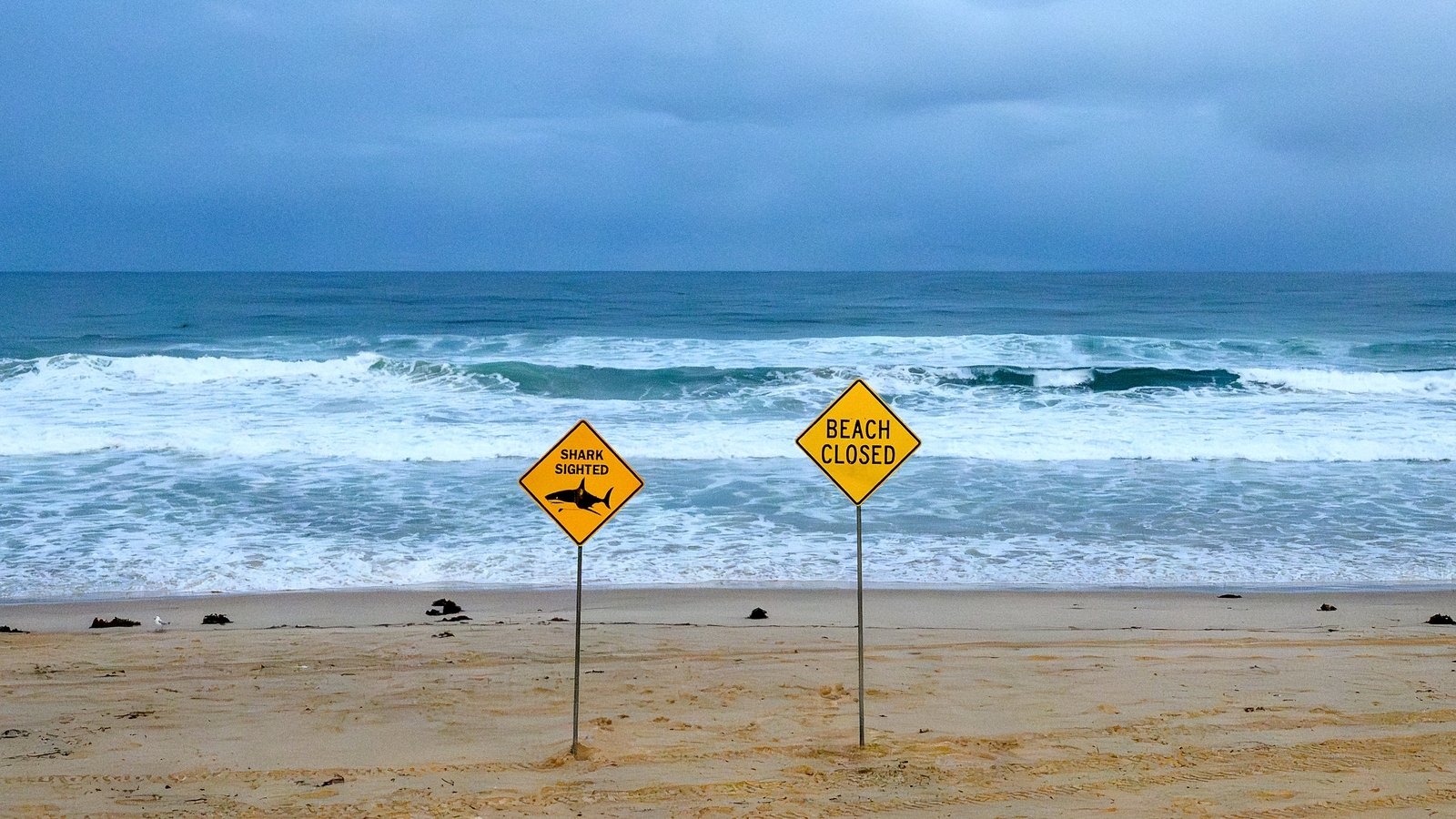
The incident in Manly was not isolated. Local authorities warned swimmers and surfers across parts of New South Wales to stay out of the water after four shark incidents in a 48-hour window. Heavy rains were blamed for stirring up murky coastal waters, washing nutrients—and sometimes fish—closer to shore. Where prey goes, predators can follow.
“We’re seeing a confluence of factors,” explained Dr. Mei Li, an oceanographer who studies coastal ecosystems. “Warmer seas, shifting fish populations, and increased human presence along shorelines—more people in the water, more chance of encounters. Then you add heavy runoff from storms: visibility drops, sharks can mistake a human for prey, or simply come closer in search of food.”
Globally, unprovoked shark attacks are still relatively uncommon. The International Shark Attack File (ISAF) records between roughly 60 and 100 confirmed unprovoked attacks worldwide each year, with fatalities typically in the single digits annually. Yet for local communities the statistical rarity offers little comfort when it’s your friend or neighbor on the sand.
Faces behind the headlines
Walk along Manly and you hear stories: the lifeguard who has grown up with the sea, the café owner who sets out milk and sugar as he waits for the morning rush, the grandmother who remembers when beaches felt less complicated. Each person interprets risk through the lens of lived experience.
“You accept a certain risk when you live here,” said Tom, a lifeguard in his thirties, towel slung over his shoulder. “But that doesn’t make moments like this any easier. We train for it, but training and reality are different. The kid who pulled him out—he’d been surfing since he was six. It’s heartbreak.”
Another surfer, Maya, watched from the promenade, hands clenched around a paper cup. “I love the ocean. I’m not going to stop surfing because of fear. But maybe we need better signals, more education. It’s not just about closing beaches—people need to know how to help.”
What the emergency response showed
The rescue highlighted several strengths: quick action by fellow surfers and lifeguards, a system capable of delivering blood and advanced resuscitation in the field, and seamless transfer to a major trauma centre. Those are the things that separate a tragic statistic from a story of survival.
- Rapid bystander intervention and CPR
- Lifeguard and surf-club coordination
- Prehospital advanced life support and transfusion
- Air ambulance transport to a specialist trauma centre
Wider implications: climate, coastlines, community
This episode is more than a dramatic headline; it’s a small, sharp example of larger trends. Coastal population growth worldwide continues to put more people in proximity to marine predators. At the same time, changing marine ecosystems—driven by warming waters and altered food webs—appear to be nudging some species closer to shore. Add in extreme weather events and more frequent storm runoff, and the conditions for encounters rise.
How do we live with the sea’s power and beauty while managing the risks? There’s no single answer, but communities are experimenting with solutions: drone surveillance for sharks, increased public education on what to do during an encounter, fishery management to reduce attractants near swimming areas, and better-equipped lifeguard services.
“We have to respect the ocean,” Dr. Li said. “We’re part of the coastal ecosystem now, whether we like it or not. If we want safe beaches, we need cross-disciplinary solutions—environmental management, emergency medicine, public policy, and community engagement.”
Looking inward: what would you do?
Stories like Manly’s force uncomfortable questions: How would you react if someone needed help in the water? Do you know basic CPR? Are our beaches and rescue services keeping pace with changing risks?
For the man who was bitten, answers came in the form of coordinated human effort—friends on surfboards, trained lifeguards, doctors and paramedics who knew exactly what to do. At least in that narrow window, the community’s muscle memory for emergencies worked.
A complicated gratitude
In hospital hallways and on the sand, gratitude mingles with a solemn recognition of vulnerability. “You never expect to be that person,” Tom the lifeguard said. “But you train so you can be. That’s all we can do—train, prepare, and act.”
As the city discusses better ways to keep beaches safe, as scientists study shifting marine patterns, and as surfers continue to paddle out at dawn, the Manly rescue remains a vivid reminder: the sea will always be a place of joy and danger, and how we respond to that truth says a lot about who we are.