Under the Same Sky: Irish Peacekeepers, Bunkers and the Human Pulse Along the Lebanon-Israel Border
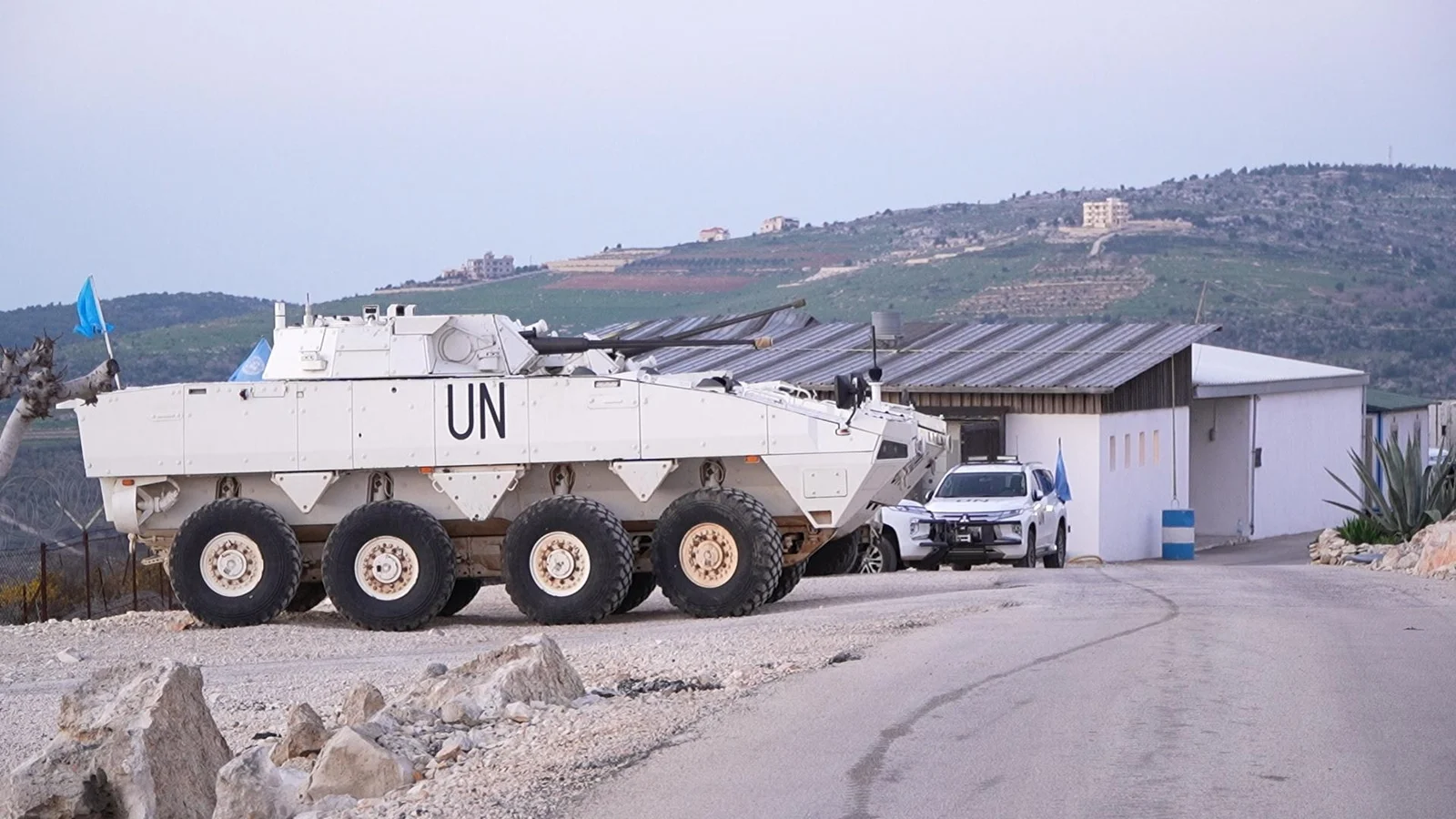
There is a particular hush that falls over a military camp when the night is no longer merely dark but charged. At Camp Shamrock in southern Lebanon, that hush has a meaning—one that ripples through radio channels, makes commanders count boots twice, and sends troops into the concrete mouths of bunkers they call “groundhog” shelters.
“You learn to live with the thrum of things you cannot control,” an Irish peacekeeper told me over a weak Wi‑Fi link, his voice soft behind the tinny static of a satellite phone. “We are trained for this—yet training and the smell of fear are different things.”
On the Ground: Calm, Prepared, Not Unmoved
The Irish Defence Forces say their personnel in southern Lebanon are accounted for and prepared for what they call a “period of heightened intensity.” Command posts remain active; patrols continue, albeit interrupted at times by incoming strikes. From within the camps, troops slip into bunkers and continue to monitor, report and radio updates to forward posts.
“We can scale protection up or down as the situation dictates,” an Irish Defence Forces spokesperson told Morning Ireland this week. “From the bunkers, our personnel maintain situational awareness and continue with mandated tasks whenever possible.”
Operational life here is an exercise in small, steady adaptations: a patrol route adjusted by a few hundred metres, an observation post switched to a temporary shelter, a family liaison officer standing by to take the next call. In short, the mission of monitoring and de‑escalation continues—under strain, but intact.
What “Prepared” Looks Like
- Rotating patrols and reinforced observation posts that can be temporarily abandoned to shelters;
- Robust communications—Wi‑Fi and satellite links—so soldiers can keep in touch with loved ones when safe;
- Close coordination with UNIFIL headquarters, the Government of Ireland and allied contingents for any changes to force posture.
“Family is a huge weight on everyone’s mind,” said one family liaison officer. “When the sirens start, their messages are the thing troops hold onto.”
Across the Fence: Buffer Zones, Tanks and New Lines
To the north, the cadence of a different drumbeat has become louder. Israeli officials say they are creating a buffer zone inside Lebanon, ordering forces to seize key positions across the border after projectiles were fired into Israeli territory. “Northern Command has moved forward, taken control of the dominating terrain, and is creating a buffer… between our residents and any threat,” a military spokesman said.
Hezbollah, the Iran‑aligned armed group that dominates much of southern Lebanon’s political and military landscape, reported targeting an Israeli tank near the border village of Kfar Kila. The Lebanese army, caught between these two powerful neighbours, said it had pulled back soldiers from several border positions after what it called an escalation by Israeli forces.
Such movements are not merely strategic adjustments on a map. They rewrite the rhythms of daily life for civilians across dozens of villages that rub shoulders with minefields, olive groves and checkpoints.
Lives Uprooted: Tens of Thousands on the Move
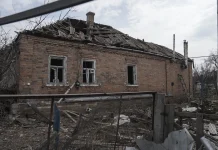
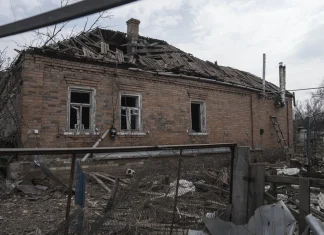
Numbers become blunt instruments against human stories, but they matter. The United Nations reported at least 30,000 people displaced in Lebanon amid the latest surge in hostilities—among them roughly 9,000 children.
“I left with what I could carry,” said Nuzha Salame, a woman sheltering in Sidon after fleeing her south Lebanon village. “There was no time to pack. We have blankets, a kettle and each other. This displacement is harder than the last one… There’s more fear and less shelter than before.”
Aid workers on the ground warn that displacement is a precursor to deeper crises: overcrowded shelters, interrupted schooling for children, and pressure on hospitals already struggling to meet basic needs. “Each wave of displacement draws resources thin,” said a UN humanitarian officer. “If fighting continues, we will see a rapid deterioration in civilians’ access to water, medicine and shelter.”
What People Are Leaving Behind
- Homes and livelihoods—particularly small farms and fishing equipment;
- Schools and public services; many teachers leave with the families they teach;
- Psychological safety—children become acutely vulnerable to trauma.
Wider Ripples: Syria, Diplomacy and a Region on Edge
This border flare‑up is not an isolated tremor. Syria has reportedly reinforced its border with Lebanon, sending rocket units and thousands of troops to positions along the western Homs countryside and south of Tartus. Syrian officers quoted anonymously by news agencies said this build‑up began in February and accelerated in recent days—ostensibly to curb smuggling and prevent militants from slipping into Syrian territory.
Whether this posture is defensive, deterrent or preparatory matters to strategists, but to civilians it signals a region tilting toward a wider safety squeeze. The US embassy in Beirut has temporarily closed, citing regional tensions. Governments in Dublin and elsewhere are quietly reviewing contingency plans for their nationals.
“When embassies shutter their doors, the message is clear: uncertainty is rising,” said a former diplomat now with an international think tank. “People with passports will look to planes and boats—and some will be left behind.”
Questions for Us All
What does peacekeeping mean when the peace is frayed? Can neutral observers remain effective when combatants redraw lines at will? And as displacement climbs, who ensures that the people who must flee are not forgotten in the fog of geopolitics?
These are not academic questions. They are the immediate moral and practical dilemmas facing UNIFIL personnel, national governments and humanitarian agencies. They are also the choices readers around the world will watch as the coming days unfold: whether to press for diplomatic pressure, to fund relief, or to simply remember the faces behind the statistics.
What to Watch Next
Keep an eye on several markers in the coming days: any decision by UNIFIL to withdraw or reposition contingents, additional movement of armored vehicles or creation of buffer positions across the border, and the rate of civilian displacement. Humanitarian corridors and shelter capacities will be crucial indicators of how effectively the international community responds.
Back at Camp Shamrock, the groundhog shelters stand like small, stubborn promises. Troops go in and out; radios chirp; messages are sent home when the bandwidth allows. Outside the camp, families gather in public squares, in basements, along the edges of towns that have become temporary homes.
“We are a small country,” a veteran Irish officer said. “But we are part of something bigger. Our job is to hold the space for conversation, for negotiation—even when the noise around us grows louder. The human story is the one that matters most.”
So, reader: when you next hear headlines about lines on a map, spare a thought for those living under the same sky—people who wake to the same sun, who feed their children, and who wonder if tomorrow they will still have a home to return to. What do we owe them? How can we make sure that, in the swirl of military postures and diplomatic rounds, the human pulse is not only counted—but heeded?