The Trial at the Edge of the Sea: Reckoning with Cutro
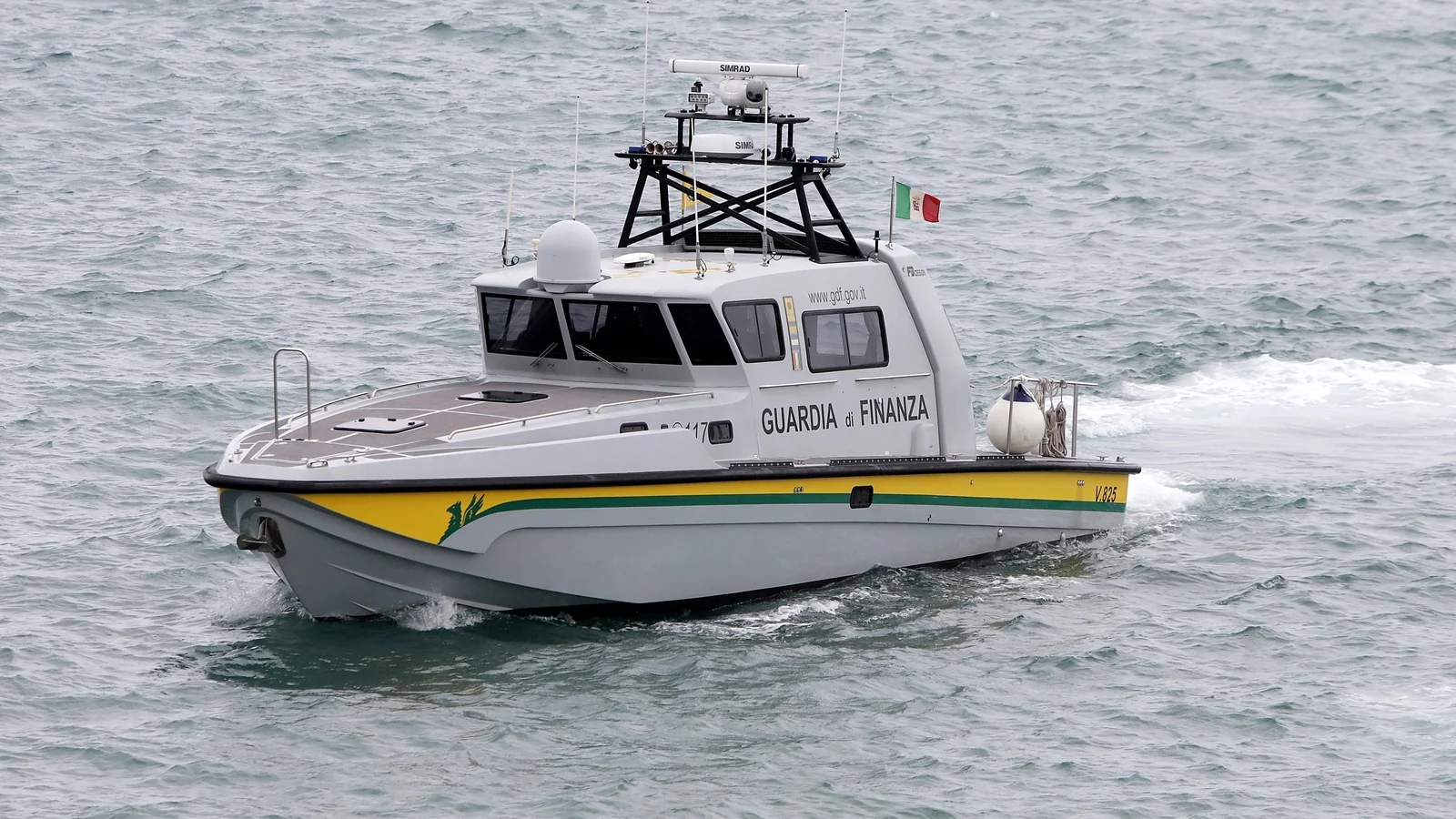
In a courtroom in Crotone this week, six men sit under the fluorescent glare of a trial that has become a kind of moral barometer for Italy and Europe. Four officers from the Guardia di Finanza and two coastguard personnel are accused of involuntary manslaughter and “culpable shipwreck” after a packed migrant boat smashed into rocks off the Calabrian shore on a stormy night in February 2023.
The number of dead—at least 94, including 35 children—still haunts the town of Cutro, a place better known for its modest beaches, narrow streets and the slow, insistent rhythm of southern Italian life. Survivors numbered roughly 80. Dozens of bodies washed ashore; the town’s sports hall was transformed into a temporary necropolis where rows of coffins—brown for most adults, white for the children—stood like mute witnesses.
What prosecutors say went wrong
At the heart of the prosecution’s case is a chain of missed chances. An aircraft from Frontex, the EU border agency, had spotted the distressed vessel about 38 kilometres off the coast and relayed its location to Italian authorities. But according to investigators, a Guardia di Finanza vessel that set out to assist turned back because of bad weather, and crucial information was not passed clearly or urgently between separate control centres.
“We’re not talking about a single error in the dark,” said one prosecutor in court. “We are looking at a series of omissions—messages not sent, warnings not followed—that together cost lives.”
Defence lawyers argue the men on trial were working within the constraints of protocol and weather, and that responsibility cannot be pinned to remote decision-makers for the chaotic choices made by human traffickers or the sea. Liborio Cataliotti, representing one defendant, told reporters, “My client is calm. He cannot be held as the scapegoat for systems that failed to give him the complete picture.”
Cutro still remembers
Walk through Cutro now and you can still feel the tremor of that February night. An old market vendor, Antonio, puts it simply: “We found children on the rocks. How do you live with that?” His hands, brown from olive oil and tobacco, tremble when he speaks. “We wrapped them in towels. We cried.”
For many townspeople, grief has braided together with anger. “They were people—mothers, fathers, small boys—and they were turning to the sea because everything on land had closed to them,” said Maria Russo, who organizes a small volunteer group that brings hot meals to migrant reception centres. “Yet when help was called for, the machines of state response were slow, distant.”
NGOs, human rights groups and the politics of deterrence
The case has reverberated beyond Calabria. Humanitarian organizations that run rescue boats in the Mediterranean, including SOS Humanity and Mediterranea Saving Humans, have joined the trial as civil parties. They argue the catastrophe reveals a wider policy problem: the framing of migrant crossings as law-enforcement challenges rather than urgent humanitarian emergencies.
“Policies that emphasize deterrence—closing ports, pushing boats back, criminalising rescue—create a context in which lives are traded for headlines,” said Judith Sunderland, acting deputy director for Europe and Central Asia at Human Rights Watch. “This trial is about individuals, but it also raises questions about policy choices that put migration control above saving lives.”
The case has also been a political lightning rod. Prime Minister Giorgia Meloni, whose government has taken a tough stance on irregular migration, visited Cutro after the disaster and blamed the traffickers, promising harsher penalties. Two men accused of trafficking received 20-year sentences in 2024; other suspects received prison terms ranging from 14 to 16 years later that year. Still, for many residents and observers those convictions do not answer why rescue attempts were not more vigorous when lives were at stake.
Numbers that will not be ignored
Numbers help to clarify but not to console. Last year, around 66,000 migrants landed in Italy—about the same as in 2024 but down from more than 157,000 in 2023, according to Italian government figures. Yet the danger of the crossing remains stark: the International Organization for Migration (IOM) recorded at least 1,340 deaths in the central Mediterranean last year alone.
Just days before this trial, the IOM warned that over 50 people were feared dead after a shipwreck off Libya amid Storm Harry. Other heart-wrenching stories have surfaced in recent months—like the family that lost one-year-old twin girls after a weather-battered crossing from Tunisia. Each number, each name, is a life abbreviated, a family reconfigured by grief.
Why the trial matters beyond Italy
Ask yourself: what should a state prioritize when the sea offers no mercy—deterrence or immediate rescue? The Cutro case forces that question into the light. At stake are legal definitions—did negligent inaction amount to a crime?—but also ethics and strategy. Are border controls and anti-trafficking operations compatible with swift, proactive search and rescue?
Legal scholars watching the trial say its outcome could reverberate across Europe. “If courts determine that operational decisions that prioritise border enforcement over rescue can be criminal, ministries will be forced to adjust protocols,” said Dr. Elisa Romano, a maritime law specialist. “Protocols will not be mere paperwork; they will carry criminal liability.”
Local voices, global echoes
In Cutro, the trial is both a legal proceeding and a communal therapy session. “We want answers, not slogans,” said Angela, a schoolteacher who helped identify bodies back then. “And we want it to mean something—so this doesn’t happen again.”
But what would “again” look like, in a world of climate shocks, weak states, and tightened borders? Migration is seldom a single story; it’s a tangle of war, poverty, climate stress, and family hope. The Mediterranean is a thin foil between despair and aspiration, between policies crafted far from its waves and people whose only options are often perilous.
After the gavel
As the trial unfolds, remember the faces and the details that statistics can erase: the white children’s coffins in the sports hall, the lonely survivors singing quietly on stretchers, the control rooms where men and women made decisions under pressure. Whatever the legal verdict, Cutro will continue to ask a larger question: if a ship in distress is visible, who is responsible to act, and how will we weigh safety against sovereignty?
As you read this, what do you think justice should look like in the face of human tragedy at sea? Is accountability enough, or does the world need a different compass to guide its response to migration—one that measures success not in numbers turned away but in lives saved?