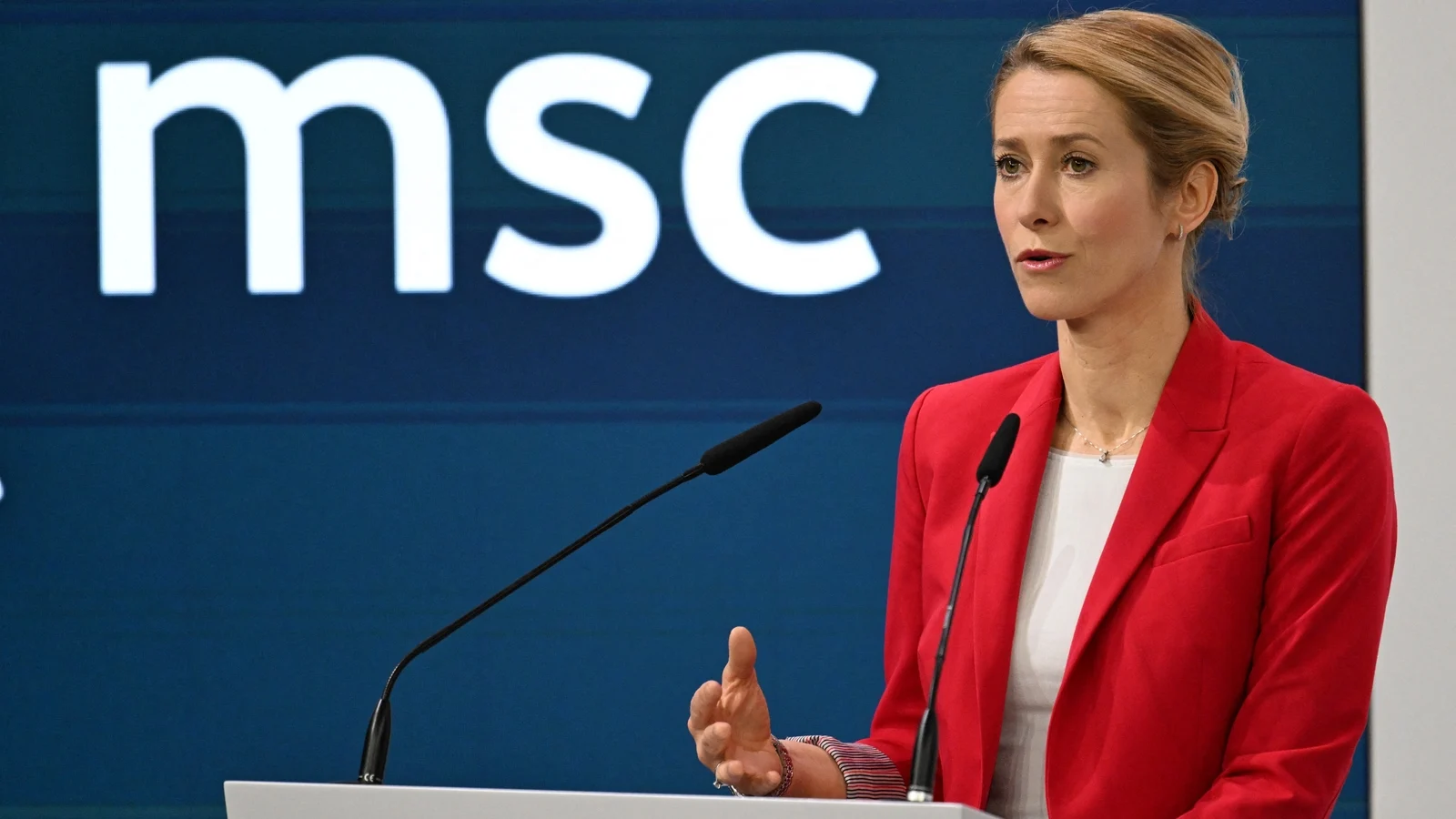
Munich in February: Where Old Alliances Meet New Fault Lines
The city smelled of strong coffee and exhaust — a bitter, familiar perfume these conference weeks — as hundreds of delegates streamed through the glass doors of the Munich Security Conference. Outside, the Bavarian winter bit at the cheeks of delegates hustling between meetings; inside, the conversations were hotter than the spiced wine that warmed the nearby Christmas market a month earlier.
What played out across those heated rooms was not just diplomacy. It felt like a reckoning: a conversation about who Europe can trust, what “strategic autonomy” actually looks like, and whether a continent that once leaned on American muscle can truly stand on its own two feet.
Pushback, Not Panic: Europe Responds to a Changing Transatlantic Script
EU foreign policy leaders arrived with a crisp, pointed message: Europe is not a museum piece to be pitied or lectured. That sentiment — equal parts defiance and pragmatism — threaded through speeches and private briefings.
Kaja Kallas, the EU’s high-profile foreign affairs representative, used the Munich stage to shrug off what she called gratuitous “Europe-bashing” from across the Atlantic. The subtext was clear: jibes about a “woke, decadent” Europe do not sit well when the continent is racing to arm itself and shelter millions displaced by conflict.
“We are not begging for approval,” one senior EU official told me after a session. “We are recalibrating. If the world is changing, so must our posture.”
Not all voices harmonised
On the other side of the podium, American officials were reassuring — and sharp. One high-ranking U.S. diplomat reminded the audience that the United States and Europe share deep historical ties and intertwined security interests. But that olive branch came with a caveat: migration and cultural anxieties remain central to political calculations in Washington.
The result was a strange duet. A declaration of mutual belonging, and a tug-of-war over who should carry what weight in the years ahead.
Ukraine: The Linchpin of European Defence
Conversations kept circling back to one cornerstone: Ukraine. For many European leaders, how the war ends in Kyiv matters more than any rhetoric from Washington. Ukraine is the proving ground of European defence policy — the place where Europe’s words about autonomy either ring true or fall hollow.
“Support for Ukraine is not an abstract moral duty,” said a Brussels-based defence analyst. “It’s the mechanism by which Europe tests and accelerates its own defence capabilities.”
Across halls and café tables, there was a shared anxiety: if Russia walks away from talks with more than it seized on the battlefield, the diplomatic victory will be Russia’s. That anxiety translated into concrete proposals: a cap on Russian military strength, reparations for the damage inflicted, and accountability for war crimes.
- Cap the size of the Russian armed forces to reduce future invasion risk.
- Require reparations and reparative mechanisms for civilian damage.
- Establish robust war-crimes investigations with international oversight.
These are not small asks. They would reshape security architecture and force Europe — and the world — into uncomfortable but necessary conversations about enforcement and endurance.
From Munich to the Street: What People Are Saying
Outside the conference bubble, Munichians noticed the fraying threads of alliance rhetoric too. At a tiny bakery near Marienplatz, I spoke with a Ukrainian volunteer who had come to Munich to coordinate humanitarian shipments.
“Back home, people ask us: will Europe fight for our borders or for its principles?” she said, stirring her tea with a trembling hand. “The answer matters for my neighbours who have lost everything.”
A taxi driver, a man of few words and firmer opinions, offered a different lens. “We used to rely on one big friend across the ocean,” he said. “Now we are learning to sharpen our own knives. Better late than never.”
These small voices are the pulse under the diplomatic pronouncements — reminders that strategic decisions touch kitchens, schools and the quiet corners of refugee centers as much as they touch state budgets and military doctrine.
Rearming Europe: Urgency, Money, and Politics
There is momentum behind Europe’s call to rearm. Since Russia’s full-scale invasion in 2022, European governments have increased defence spending and sped up procurement cycles. NATO’s 2% of GDP benchmark remains a lodestar for many member states, and new joint procurement mechanisms in the EU aim to reduce duplication and accelerate delivery of arms and ammunition.
But spending more is only part of the puzzle. Europe also needs higher-speed decision-making, interoperable systems, and resilient supply chains for munitions and critical components. That reality was echoed in private meetings between defence ministers over sausage platters and espresso rituals between panels.
“Money opens doors, but doctrine opens wars well,” a French policy adviser commented. “If we don’t coordinate, we’ll spend a lot and end up with incompatible systems.”
The Bigger Picture: Migration, Identity, and Global Compacts
Migration wove itself into every conversation like a shadow. Some U.S. remarks focused on migration as a civilisational threat — language that stokes political anxieties across Europe. Others at Munich warned against letting migration fears obscure the need for humane, practical policy frameworks.
Who gets to define “civilisation” and who gets to protect it? Ask a policymaker in Tallinn and they’ll speak strategy; ask a refugee in Warsaw and they will speak survival. Both answers matter.
As leaders posture about defence and borders, society-wide questions also bubble up: How do democracies remain open and resilient in the face of demographic shifts? How can defence investments be reconciled with social spending? How do we hold aggressors to account without sliding toward permanent militarisation?
Leaving Munich: Questions to Carry Home
When the conference lights dim and the delegates drift back to their capitals, the rhetoric will be remembered — but the real test will be policy and implementation. Will Europe translate this weekend’s resolve into sustained investment, shared procurement, and the political will to hold Moscow to account?
Here are a few questions worth taking home:
- Can Europe sustain increased defence spending without hollowing out social programs?
- Will transatlantic ties be reinforced by mutual respect or strained by divergent priorities?
- How can global institutions be empowered to ensure accountability and reparations for war crimes?
Munich felt like a crossroads: a place where old alliances were reaffirmed with caveats, where Europe claimed agency and where the world was reminded that security is as much about values as it is about firepower.
So, reader — what do you think? Should Europe step into a fuller role as guarantor of its own security, or will an enduring partnership with the United States always be the safer bet? The answers will shape a continent, and perhaps, the shape of this century.