A Palace in the Quiet Eye of a Storm: What the New Epstein Revelations Mean for Britain—and for Power
On an overcast morning in London, the familiar rhythms of royal life—carriages, patronages, polished portraits—feel oddly out of sync. The headlines have another rhythm now: leaked emails, millions of pages of documents, and questions that land not just on one man, but on institutions and habits of power that seemed immune to scrutiny.
At the centre of this latest swirl is a claim that reaches into the corridors of diplomacy and the off-the-record intimacy of elite friendship. Thames Valley Police have confirmed they are assessing allegations that a member of the royal family once acting as the UK’s trade envoy forwarded confidential government briefings to Jeffrey Epstein, the convicted sex offender whose sprawling network and sudden death in 2019 have fuelled years of probing and speculation.
The palace speaks—carefully
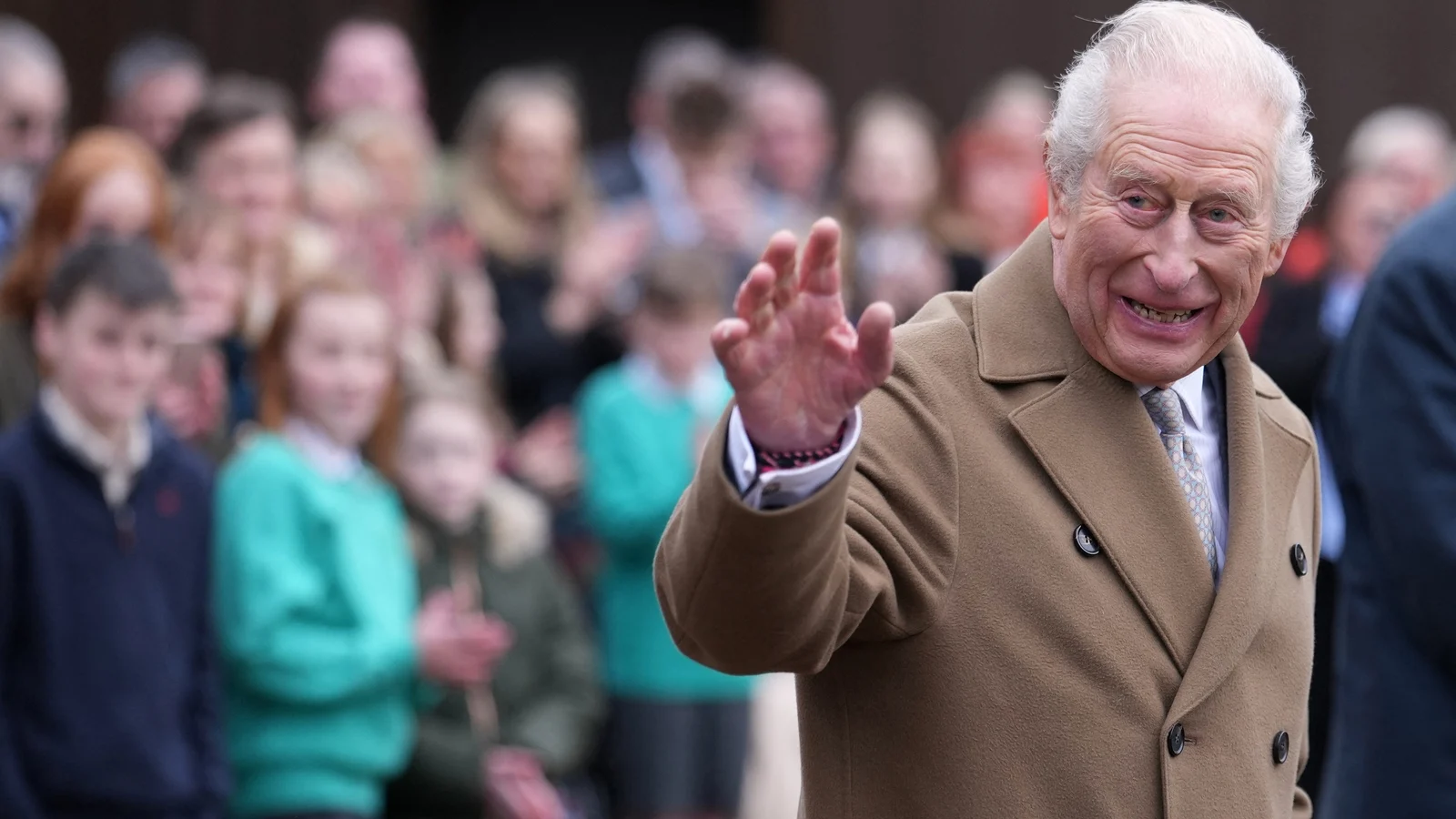
Buckingham Palace, unusually direct, said the king had expressed “profound concern” about the emerging allegations. A palace aide told me, on condition of anonymity, “His Majesty has said clearly that any credible claim about misconduct must be met with the full force of the law. If Thames Valley Police request our cooperation, we will provide it.”
It is a departure from the palace’s traditionally measured language. That shift—small in phrasing, large in implication—signals how the royal household recognises the reputational threat, but also how sensitive the balance is between defending the family and submitting to external scrutiny.
What has been alleged
The documents released recently by U.S. authorities include emails that appear to show a former senior royal sharing notes and trip reports from official overseas visits. One message, dated in late 2010, was forwarded to Epstein soon after it had been sent by a special adviser. Another, sent on Christmas Eve of the same year, reportedly mentioned investment prospects in the reconstruction of Helmand Province, Afghanistan.
Trade envoys are ordinarily bound by confidentiality and commercial sensitivity. If the allegations prove true, they would raise legal questions around “misconduct in public office” and perhaps breach of official secrets. The national conversation, already raw from previous revelations, has pivoted to the boundaries of influence—who we allow into those spaces, and with what oversight.
Voices from the street and the institutions
In Windsor, a woman selling tea and shortbread outside the castle said, “It’s worrying. We teach our children about fairness. When people at the top break rules, it makes the rest of us feel smaller.”
At a press briefing, a Kensington Palace spokesperson said the Prince and Princess of Wales were “deeply concerned” and that their thoughts remain with victims of abuse. “This is not about gossip,” one royal aide told me. “It’s about alleged conduct that, if true, would be deeply troubling.”
Campaigners reacted swiftly. Graham Smith, chief executive of the anti-monarchy group Republic, posted that he had reported the matter to Thames Valley Police, arguing that the allegations mirrored earlier cases of alleged misconduct in public office. “No one is above the law,” he said in a statement. “We have an obligation to follow where the evidence leads.”
Meanwhile, an advocate for survivors of sexual abuse urged caution but demanded accountability. “Leaks and allegations can be difficult for survivors,” she told me. “But we also know that transparency can bring validation and justice.”
Politics, portfolios, and the ripple effect
This is not happening in isolation. The cascade of documents has stirred controversies beyond the palace gates, touching figures in Westminster and prompting fresh debates about appointments and political judgement. In recent days, revelations around a senior political appointment have forced a prime ministerial team into damage control, highlighting the spillover between royal scandal and electoral politics.
For Prime Minister Keir Starmer’s administration, the timing is awkward. Questions have been raised not just about past associations, but about how contemporary leaders vet and assess the reputations of those they place in public roles. “Government and monarchy are connected only by convention,” a former diplomat said. “But reputations bleed into each other in a small country like ours.”
What the police say—and what they might do
Thames Valley Police have confirmed receipt of reports and said they are assessing the information “in line with established procedures.” That phrasing, while procedural, is the opening salve of a process that may take months or years. Evidence must be corroborated, sources verified, and legal thresholds met.
Legal experts tell me that a police assessment is not itself an indictment. “Assessment means whether there is something to investigate,” said a London-based barrister specialising in public law. “If the information is credible and meets a standard of likely wrongdoing, it will progress. If not, it won’t.”
Local color: Sandringham, menus, and the texture of exile
The former prince in question has moved within the royal sphere in recent months—leaving Royal Lodge and taking up residence at Sandringham. Locals say his daily rhythms have become more private: fewer walks, fewer public engagements, more discreet comings and goings. At the village pub, an elderly landlady shrugged: “You notice when someone goes. But life goes on—sheep, church bells, teas. People like a touch of scandal with their biscuits, but they also want things to stay steady.”
There is a peculiarly British theatricality to these events: country estates, whispered memos, and the image of an envoy scribbling notes to be passed to a notorious financier. The cultural backdrop—class deference, the allure of private wealth, the rituals of privilege—adds texture to the legal questions.
Global implications: secrecy, accountability, and the age of leaks
Why does this matter beyond the United Kingdom? Because it sits at the intersection of global finance, diplomatic soft power, and the unmooring of secrecy in a digital era. The Epstein archives, when released, have not only revealed crimes but also the way wealth and influence can create shadow corridors of access across borders.
We are living through an age where vast troves of documents—released by governments, courts, or whistleblowers—reshape narratives overnight. That raises urgent questions: How do democracies police private networks of influence? How do institutions guard against reputational risk without sheltering wrongdoing? How do societies balance a presumption of innocence with a demand for transparency?
Questions for readers—and for the institutions we trust
So I ask you, reader: what do you expect when people in positions of authority cross into private networks that have long arms and murky records? Should the default be silence, caution, or full disclosure? And if institutions will not police themselves, how far should the public demand external oversight?
The coming weeks will matter. Police assessments will either fizzle into a closed file or swell into formal investigations. The palace will weigh its options: reputational defence, institutional reform, or cooperation with law enforcement. For victims and survivors, for citizens, for a nation whose symbols and governance are tightly intertwined, the answers will not come easily.
In the meantime, the familiar contours of royal life—carved wood, embroidered banners, estate hedgerows—sit alongside the unremitting pulse of accountability. Power, it seems, remains forever subject to public light; what changes is how brightly we choose to shine it.