When the chandeliers dimmed: a Kremlin meeting, a denied ask, and a country still paying for war
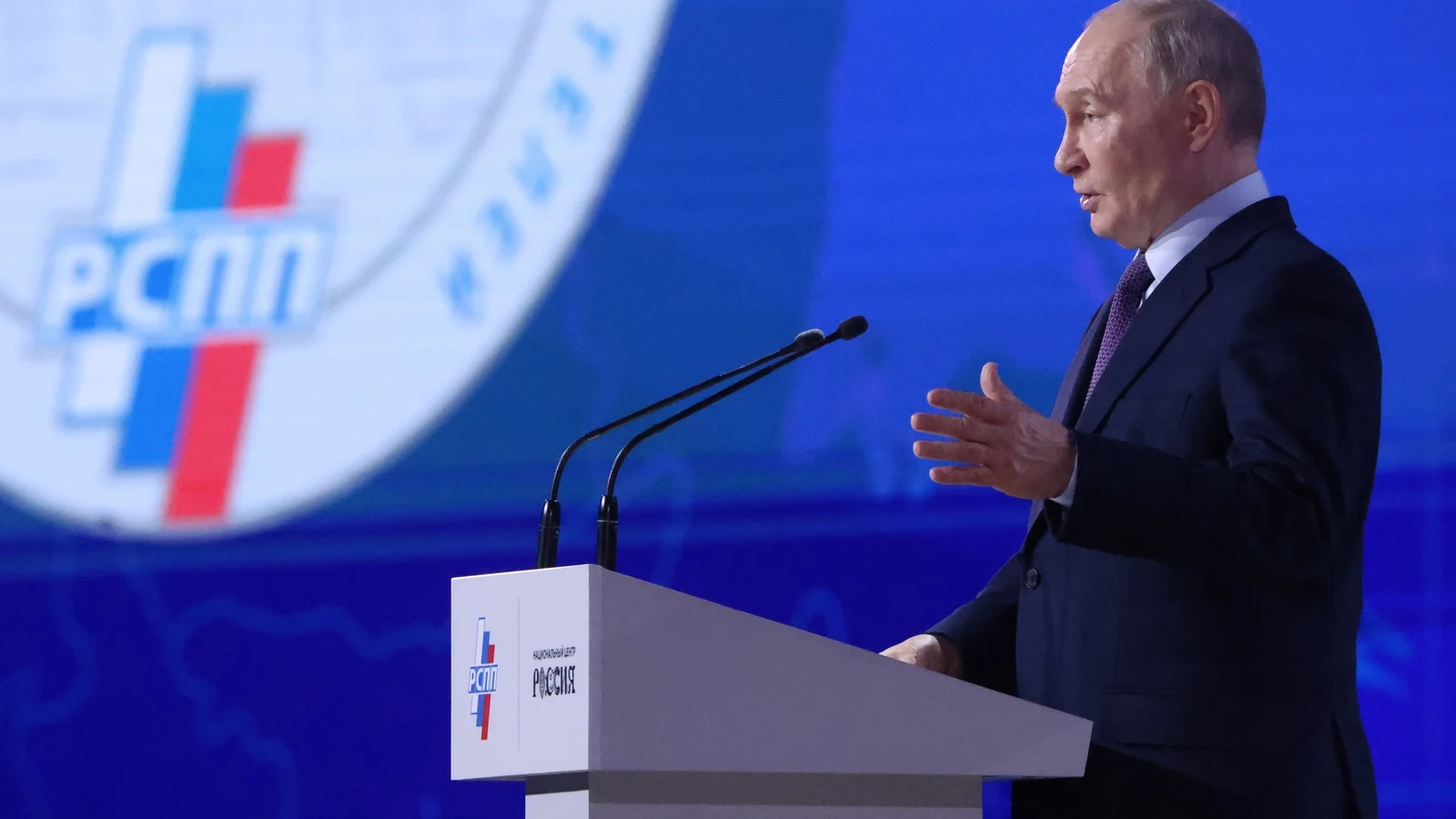
There are meetings in Moscow that leave a trail of rumor like cigarette smoke: thin, persistent, and impossible to clear. Last week’s closed-door gathering between President Vladimir Putin and a clutch of Russia’s brightest business figures has become one of those smokescreens—part courtroom drama, part kabuki theatre.
Reports from independent outlets and international papers suggested that the president had quietly asked Russia’s tycoons to open their wallets to help stabilise state finances as the war in Ukraine grinds on into its fifth year. The Kremlin’s reply was crisp and categorical. “It’s not true that Putin made such a request,” said Dmitry Peskov, the presidential spokesman, in remarks to reporters. But he didn’t close the door on generosity: one attendee, Peskov added, volunteered to donate “a very large sum” to the state, and Mr Putin welcomed the offer.
It is a strange sort of denial—less an outright contradiction than a narrowing of the frame: a state refuses to have asked, and yet a state accepts the gift. “This was absolutely his initiative, and not President Putin’s,” Peskov said, while underlining that many of those present trace their fortunes to the tumult of the 1990s and feel a sense of duty to the state.
Money, motive and a whispered pledge
The media accounts that lit the initial fuse named a substantive figure. The Bell reported that Suleiman Kerimov, a billionaire often discussed in conversations about Russian capital and politics, pledged 100 billion roubles—roughly $1.2 billion at current exchange estimates. The Financial Times carried similar whispers about discussions of military funding and Moscow’s determination to press on in the eastern Donbas region.
“People here have an old understanding with the state,” said an entrepreneur who asked not to be named. “You build with the state when it suits you and you chip in when it matters. That’s how the game has been played since the 1990s.” Whether that game is philanthropy, patriotism or pressure is where the water gets muddied.
At the crossroads of economics and war
Russia’s public finances are under strain. After four years of military operations, Western sanctions, and a pivot in trade relationships, the budget is running a deficit and economic growth has slowed. The government has, according to several sources, floated the possibility of cutting non-essential spending by around 10%—a painful measure but one that could be deferred if a recent spike in oil prices proves sustainable.
The timing of any private donation would matter immensely. A one-off transfer of funds is hardly a fiscal policy. But symbolic acts carry weight too: they can shore up domestic confidence, help cover short-term cashflow gaps, and signal to international observers how intertwined state and elite fortunes remain.
- Russia’s war economy is a mix of redirected industrial capacity, higher defense spending, and constrained consumer markets.
- Sanctions have reshaped trade corridors, pushing Moscow to deepen ties with partners in Asia and the Middle East.
- Oil and gas remain the largest single lever in Russia’s financial resilience—prices govern more than just export receipts; they influence political room for manoeuvre.
“In a way, this is less about the money and more about the story,” said Dr. Elena Morozova, an economist who studies state-business relations in Moscow. “If oligarchs are donating, it broadcasts unity. If they aren’t, it exposes fault lines. For the Kremlin, symbolism is often as valuable as cash.”
Beyond the Kremlin: the wider theatre of conflict
The same night the rumours swirled about billion-ruble pledges, Ukraine was reporting fresh damage from Russian attacks. Naftogaz, the national energy company, said a gas production facility in the Poltava region was struck and forced to suspend operations. “A fire broke out as a result of the attack. The equipment sustained significant damage and operations at the facility have been suspended,” Naftogaz CEO Serhiy Koretskyi said.
Each strike on energy infrastructure ripples beyond the immediate damage. It affects local jobs, national energy security, and, ultimately, the balance sheet of a country whose fiscal health is tethered to commodity markets and wartime expenditure.
On the streets of Moscow, conversation about these matters is often evasive. “We don’t talk openly,” said Anna, a middle-aged shopkeeper in a central market. “People say what they must. But everyone knows someone who knows someone who benefited from the old deals. It’s complicated.”
Questions worth asking
Does a wealthy citizen’s voluntary transfer to the state resemble charitable giving, forced taxation, or a tacit bribe for future favours? When the line between private and public blurs, how should international lawmakers respond—especially when sanctions aim to isolate a country but not the humanitarian costs that may follow?
“There’s a global lesson here,” suggested Tomas Anders, a geopolitical analyst in Stockholm. “During conflicts, governments will look for every lever to finance operations—state revenue, borrowing, and yes, elite contributions. Western policymakers should think about how sanctions and loopholes affect those dynamics.”
Readers might ask: would a foreign campaign to hold wealthy financiers accountable for supporting a war make a difference? Or would it simply push money into more opaque channels? These are not abstract questions. They sit at the intersection of ethics, law, and geopolitics.
Local textures and human cost
Walk past a café near the Kremlin and you can almost hear the low hum of these tensions—tourists attempting selfies with a stony constancy; a cleaner sweeping the square; a young software engineer discussing startup opportunities overseas because “growth is easier there.” The everyday life of a nation at war shows up in small ways: fewer flights to Europe, a new brand of tea in the shops, parents whispering about school fees.
“I’d rather my tax money went to schools than to tanks,” admitted Sergei, a retired electrician. “If a billionaire gives money because he feels guilty or patriotic, who am I to judge? But it shouldn’t be a substitute for fair taxes and government accountability.”
Where we go from here
The Kremlin’s denial of a presidential plea does not end the story. It reframes it. Whether Mr. Kerimov’s pledge was made, and whether that pledge becomes a model for others, will say a lot about where power and money now meet in Russia’s political economy.
For the global reader, the saga is a window into larger themes: the role of wealthy elites during wartime, the limits of sanctions, and the moral calculus of private wealth supporting public endeavors. It is also a reminder that wars are funded in many ways—tax receipts, bond sales, commodity revenues, and sometimes, the handshake and cheque of an oligarch.
So what do you think? Is the private funding of state needs ever legitimate in wartime? Or does it erode accountability and deepen inequality? The answers are not tidy, but they are essential if we are to understand not only the mechanics of conflict, but the societies that wage them.