A Shift at the Shield: Inside the Turbulent Exit of Kristi Noem from DHS
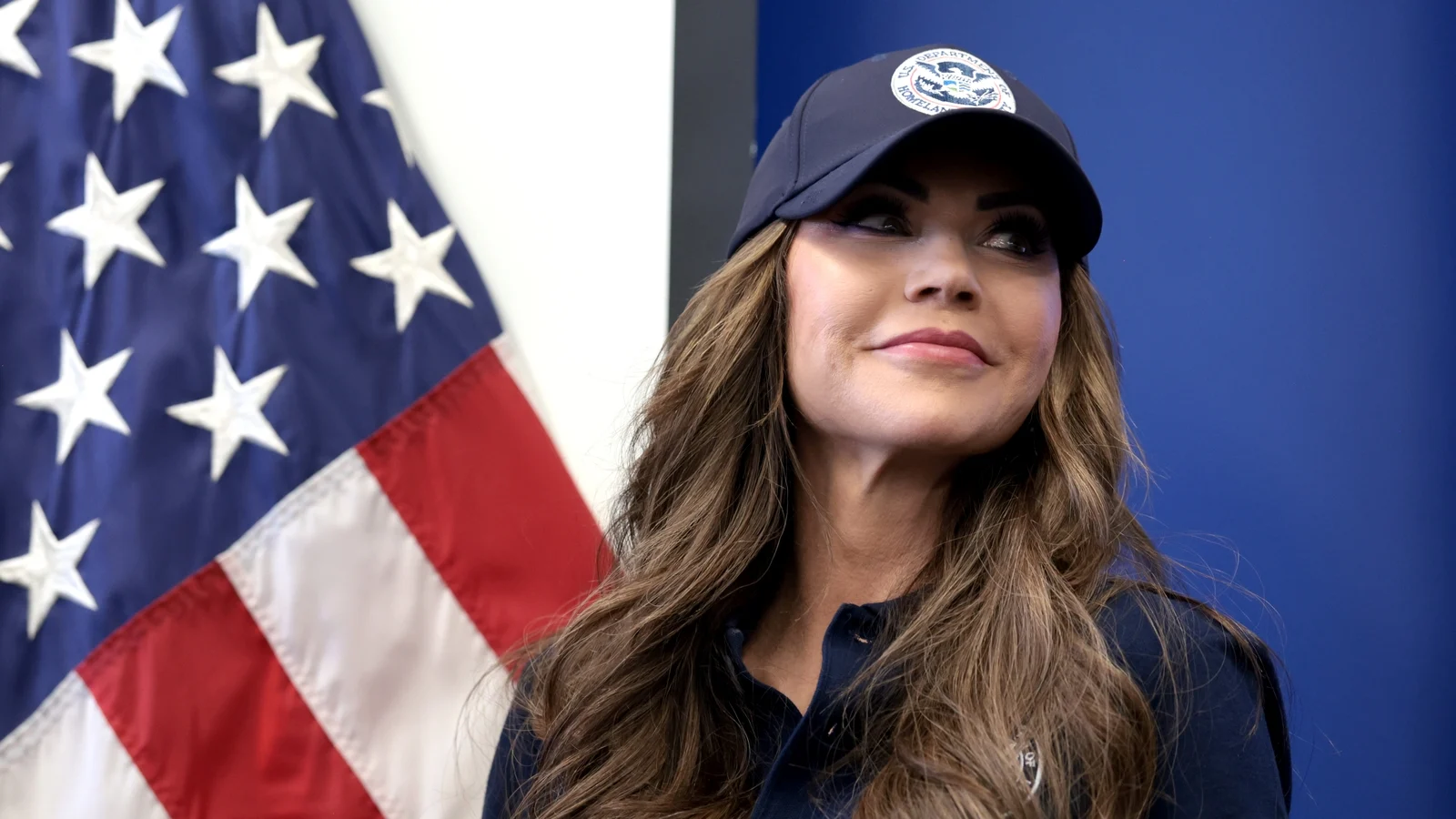
There are moments in Washington that arrive with the quiet thud of inevitability. This week, one of them landed on the doorstep of the Department of Homeland Security: Kristi Noem, the combative architect of the Trump administration’s most aggressive immigration moves, is stepping down from her post as DHS secretary. President Trump announced that Senator Markwayne Mullin of Oklahoma will take over the sprawling department on March 31, 2026, while Noem is being reassigned as a special envoy to a regional initiative he is calling “The Shield of the Americas.”
When I first spoke with people who lived under the shadow of the raids—neighbors in south Minneapolis, a parish priest in Los Angeles, staff at a small shelter in El Paso—they described Noem’s time at DHS with a vocabulary of fear, fury and, in some corners, fierce approval. “We felt the boots,” said Rosa Martinez, who runs a community kitchen in a Chicago neighborhood once visited by masked immigration agents. “They came at dawn. The children still wake up afraid.”
From South Dakota Porch to the National Stage
Noem’s journey from the plains of South Dakota to the corridors of one of the federal government’s largest departments was always going to be dramatic. Confirmed in January 2025 to lead a department of roughly 260,000 employees, she quickly became as much a public relations force as a policy chief—amplifying enforcement operations with an almost theatrical zeal. Social media became her microphone: incendiary posts, blunt rhetoric and high-profile visits to prisons and enforcement operations kept immigration policy at the top of the national news cycle.
“She changed the tone overnight,” said a career DHS official who asked not to be named. “The agency became centered on spectacle—sweeps, videos, hardline messaging—over quiet, targeted enforcement.”
The Minneapolis Turning Point
Nothing tested that approach like the fatal confrontations in Minneapolis earlier this year. Two U.S. citizens, Renee Good and Alex Pretti, were shot during an immigration enforcement operation. Initial statements from Noem and other administration figures labelled the incident an act of “domestic terrorism,” a phrase that inflamed a national reckoning.
But then videos emerged—grainy, upsetting, vivid—that complicated the official narrative. Where the administration had painted a picture of violent assailants, the footage suggested chaos, confusion and a sequence of events that many found troubling. The fallout was immediate: public outrage, congressional inquiries and impeachment proceedings initiated by Democrats in the House. Even some high-profile Republicans publicly urged a reconsideration of leadership at DHS.
“We should ask, as a nation, what kind of enforcement we want,” said legal scholar Dr. Amina Rahman. “Are we prepared to authorize operations that risk civilian lives when the evidence is murky? That’s not merely a policy debate; it’s an ethical one.”
Hard Lines, Human Costs
Noem’s tenure saw an unmistakable shift toward hardline enforcement. Agents, often masked, swept through neighborhoods in Los Angeles, Chicago and Washington, D.C., sometimes snagging U.S. citizens in the process. The administration publicly chased a dramatic figure—one million deportations a year—yet last year’s totals fell well below that target. Meanwhile, non-criminal arrests rose, Temporary Protected Status programs for people from Venezuela, Haiti and elsewhere were curtailed, and public debate about the morality and legality of mass enforcement intensified.
“We deported people who had jobs, kids in school, doctors treating our elders,” said Father Miguel Alvarez, who runs an immigrant outreach program in El Salvador and has met returnees at a maximum-security facility there. “It wasn’t just policy. It was slicing through families.”
The human toll shows up in grim statistics too. Under Noem’s watch, deaths in immigration detention climbed to their highest levels in two decades, according to internal counts and oversight reports. At the same time, watchdog offices inside DHS saw staffing and budget cuts—creating a paradox where a department tasked with safeguarding people was losing the very oversight that protects civil liberties.
What Does Mullin Mean?
Markwayne Mullin arrives at DHS with a reputation for staunch conservatism and close ties to the base of the party. In the president’s announcement on Truth Social, Trump called Mullin “highly respected”—words that will reassure some and alarm others. The question on everyone’s lips now is simple: will Mullin intensify the administration’s push for broad sweeps and mass deportations, or will he pivot to a more surgical, legally defensible strategy?
“Leadership changes like this are a fork in the road,” said immigration policy analyst Serena Cho. “You can double down on volume—attempting to remove hundreds of thousands of people regardless of community integration—or you can recalibrate to focus on national security threats and violent offenders. The former is politically robust but legally treacherous; the latter is administratively trickier but more sustainable.”
Local Reactions—A Country Divided
On the streets, reactions split along familiar lines. In a small diner near an El Paso shelter, immigration attorneys and shelter volunteers exchanged weary looks. “We want enforcement of the law, yes,” said Elena Gutierrez, an attorney, stirring her coffee. “But when enforcement loses its moral compass, when communities are terrorized, that is not justice.”
Meanwhile, at a town hall in a rural Oklahoma county, chants of “secure the border” filled a gymnasium. “We need someone who will act decisively,” said Tom Kepler, a retired Air Force sergeant. “We can’t have backdoors anymore.”
Bigger Questions: What Does This Say About American Power?
Beyond personalities, this personnel shuffle opens a window onto larger national debates about sovereignty, fear, and the rule of law. Across the globe, nations are grappling with migration flows shaped by climate change, conflict and economic dislocation. How a superpower handles migration tells other countries—and those on the move—what it values.
Ask yourself: do we prefer policies that prioritize deterrence and spectacle, or ones that emphasize durable legal frameworks and humane treatment? Is security achieved through forceful displays, or through institutions that balance enforcement with oversight? These are not rhetorical questions; they are the choices that will shape communities on both sides of the border for years to come.
Where Do We Go From Here?
The reassignment of Noem to an envoy role—framed as regional cooperation on a vaguely named “Shield of the Americas”—is a face-saving pivot. But it will do little to heal the fissures opened by the past year’s operations. Mullin’s confirmation, whenever it happens, will set the tone for what comes next: a continuation of confrontational enforcement, a recalibration toward targeted deportations, or some hybrid neither side will be fully satisfied with.
For families who have packed into cars at dawn, for lawyers who have filed pile after pile of habeas petitions, and for communities that woke up to find their neighbors gone, the change in personnel may feel like a headline more than a remedy. “What we need,” Father Alvarez told me softly, “is not only a different name on the door, but a different way of seeing the people behind the statistics.”
As readers, what do you think the balance should be—security, compassion, or a mix that keeps both in check? The answer will shape policy, politics and lives. And for anyone who has watched this story unfold on the ground, those choices have faces, names, and quiet prayers attached to them.