When Power Flickers: Kyiv’s Winter Struggle and the Human Cost of Struck Infrastructure
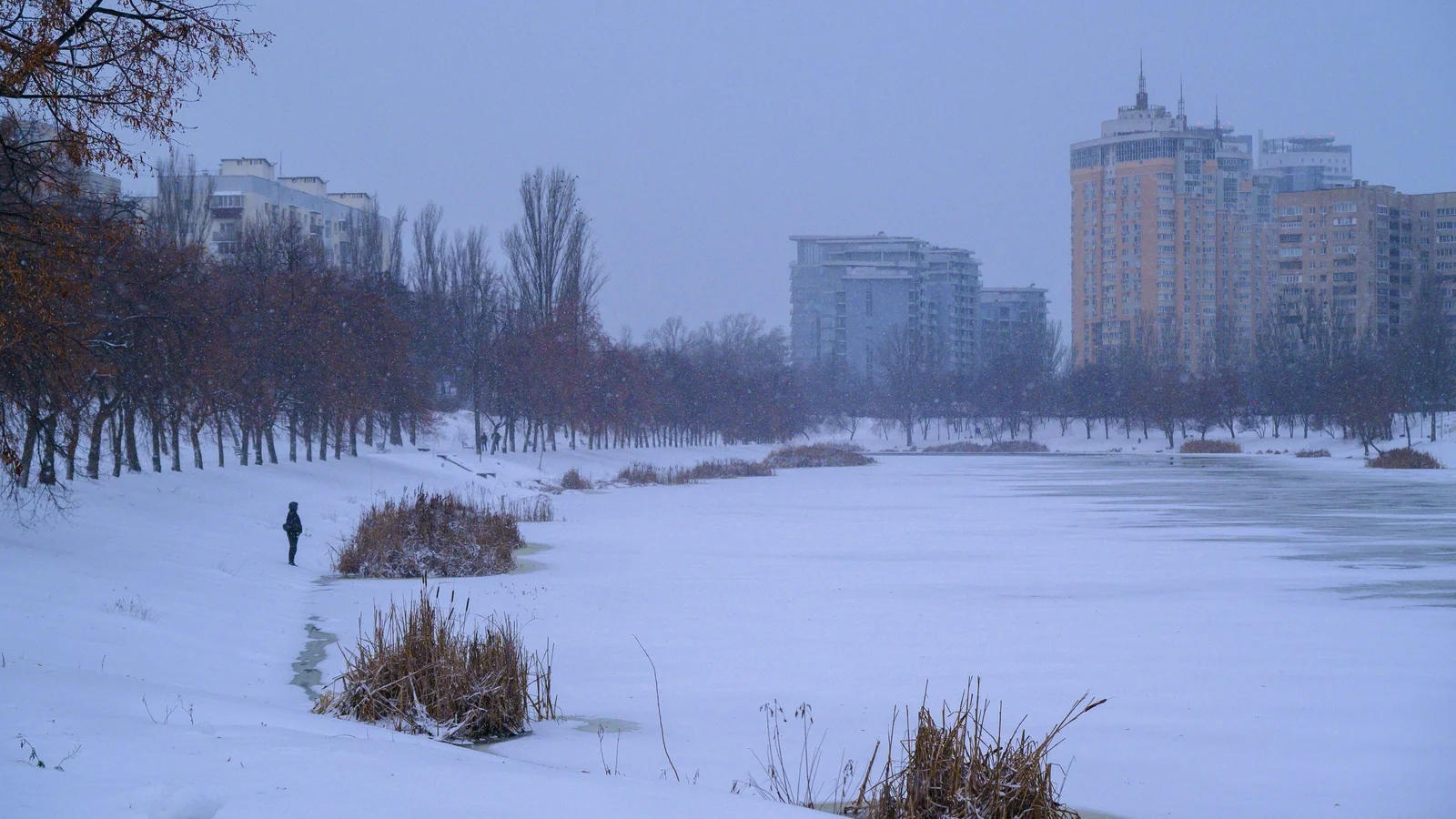
In the low, grey light of a Kyiv morning, the city did something ordinary and extraordinary at once: it breathed again. Pipes that had gone quiet began to murmur. Streetcar lines that had been still hummed faintly as electricity trickled back. For hours, however, the reprieve was brittle—engineers wrestled with a grid pushed to the brink by a campaign of strikes that have turned energy systems into front-line targets.
“We felt the building sigh when the radiators returned,” said Olena, a retired schoolteacher who lives on the fifth floor of an apartment block in central Kyiv. “My neighbour boiled water on a gas ring overnight to wash. At dawn, someone banged pots from their balcony. It sounds small, but you could feel relief washing through the stairwell.”
The technical squeeze: a grid under pressure
The city administration reported that, just before noon local time, Ukrenergo—the state operator—ordered an emergency shutdown of Kyiv’s local power system. The move was blunt and necessary: damage from earlier strikes had left the network unstable, and the shutdown was intended to prevent a larger collapse.
Less than an hour later, Ukrenergo announced engineers had stabilized the immediate fault and that electricity was returning to parts of the capital. Prime Minister Yulia Svyrydenko confirmed that the centralised heating system—the Soviet-era style of pumping hot water through radiators across entire districts—was being restored and that officials expected heat to be fully back on by the end of the day.
“We are working around the clock,” Svyrydenko told reporters. “Restoring heat and water is our absolute priority.”
But priority does not erase fragility. The grid remains scarred, and the city is on edge. As temperatures hover below minus 10°C in many areas, the demand for electricity surges—people plug in portable heaters, hospitals run generators, and municipal crews race to patch ruptured lines. That additional load can tip an already fragile system back into failure.
Homes, hospitals, and the human ledger
Last night’s strikes left roughly 6,000 apartment blocks in Kyiv without heating, city officials said. By morning, Mayor Vitali Klitschko reported that half of those blocks had had heat restored—only for the supply to be interrupted once more when the grid operator enacted the shutdown.
“We wrapped ourselves in every blanket we own and took turns keeping the baby warm,” said Maksym, a father of two in the Dnipro district. “The younger one fell asleep on my chest; he didn’t even stir when the building went dark. You don’t feel safe with children in these conditions.”
Across hospitals, staff juggle generators and frayed patience. “The generator keeps essential equipment running, but you cannot run an entire hospital on diesel forever,” explained a nurse at Kyiv’s municipal clinic who asked not to be named. “Every outage is an ethical decision about who gets power and who goes without.”
Across the border: Belgorod goes dark
The disruption is not one-sided. On the Russian side of the border, Belgorod region’s governor Vyacheslav Gladkov reported on Telegram that some 600,000 residents were left without electricity, heating or water after what regional officials described as a Ukrainian missile strike. Local footage shared with international agencies showed streetlights extinguished and people navigating with torches and car headlights.
Belgorod, once home to about 1.5 million people before the war reshaped the region, has seen periodic attacks since 2022. The visual is stark: rows of apartment blocks with glowing windows abruptly darkened, families wrapped in coats indoors, and long lines at improvised warming centers.
Why hitting energy hurts so much
To understand the toll, picture the urban anatomy of a Kyiv apartment block: steam-heated radiators linked to a vast network of boilers and pumps, corridors threaded with insulated pipes. Unlike single-unit electric heaters, centralised district heating depends on a continuous inflow of hot water and electric pumps. Cut the power to the pumps, and the heat comes to a halt—even if the boilers are intact.
“These systems were built for efficiency, not for missile resilience,” said Dr. Marina Petrenko, an energy systems specialist based in Lviv. “When infrastructure is designed as a network, damage to a handful of nodes cascades across entire neighborhoods. In cold weather, that cascade becomes a life-or-death issue.”
That vulnerability is precisely what has given attacks on infrastructure a grim strategic logic. Ukraine has faced repeated bombardment of its energy grid and heating assets since the conflict escalated in 2022, and each strike carries disproportionate human costs—hospitals, schools, apartments, and the elderly bearing the brunt.
What the world is saying—and what it might do
The United Nations Security Council has been called to convene over the situation. Ukraine’s request for an emergency meeting drew backing from several UNSC members, including France, Latvia, Denmark, Greece, Liberia, and the United Kingdom. Diplomats argue that the repeated targeting of civilian infrastructure risks breaching international humanitarian norms.
“There is a moral and legal obligation to protect civilians and civilian infrastructure,” said a Western diplomat involved in the council briefing. “Powering people through winter is as essential as delivering food or medicine.”
- Countries supporting the UNSC meeting (as reported): France, Latvia, Denmark, Greece, Liberia, United Kingdom
Neighbors helping neighbors: grassroots resilience
Amid the strain, communities in Kyiv have responded in the only way they can—by improvising warmth and company. Churches and community centers open as warming hubs; volunteers distribute hot tea, porridge and battery-operated lights; a neighbourhood handyman runs a hotline for elderly residents whose pipes risk freezing.
“A woman in my stairwell couldn’t heat her small flat,” said Taras, a volunteer coordinator. “We brought her to the warming center and patched a radiator for a neighbour. It’s not a long-term fix, but the small acts stitch the city together.”
Looking beyond today
So what are we to take from this winter’s litany of outages and repairs? Certainly, it’s a story of engineered systems under fire. But it is also a reminder of how intertwined modern life is with invisible networks—electricity, water, heat—that usually hum without notice. When those networks break, the rupture is not just technical; it is social and moral.
Will future urban planning factor in the lessons of this winter: decentralized heating options, microgrids, hardened infrastructure, and international norms that protect civilian systems? Can diplomacy and technology combine to reduce the human cost of strategic targeting?
For now, Kyiv waits—engineers continue to patch, citizens continue to bundle, and the city leans on a fragile warmth that must be protected not only by cables and crews, but by global attention and accountability. When you wrap your hands around a hot mug tonight, consider what it took to make that small comfort possible. Who will defend such ordinary, essential things when geopolitics turns cold?