At the Table, in the Corridors: A Fragile Convergence for Peace
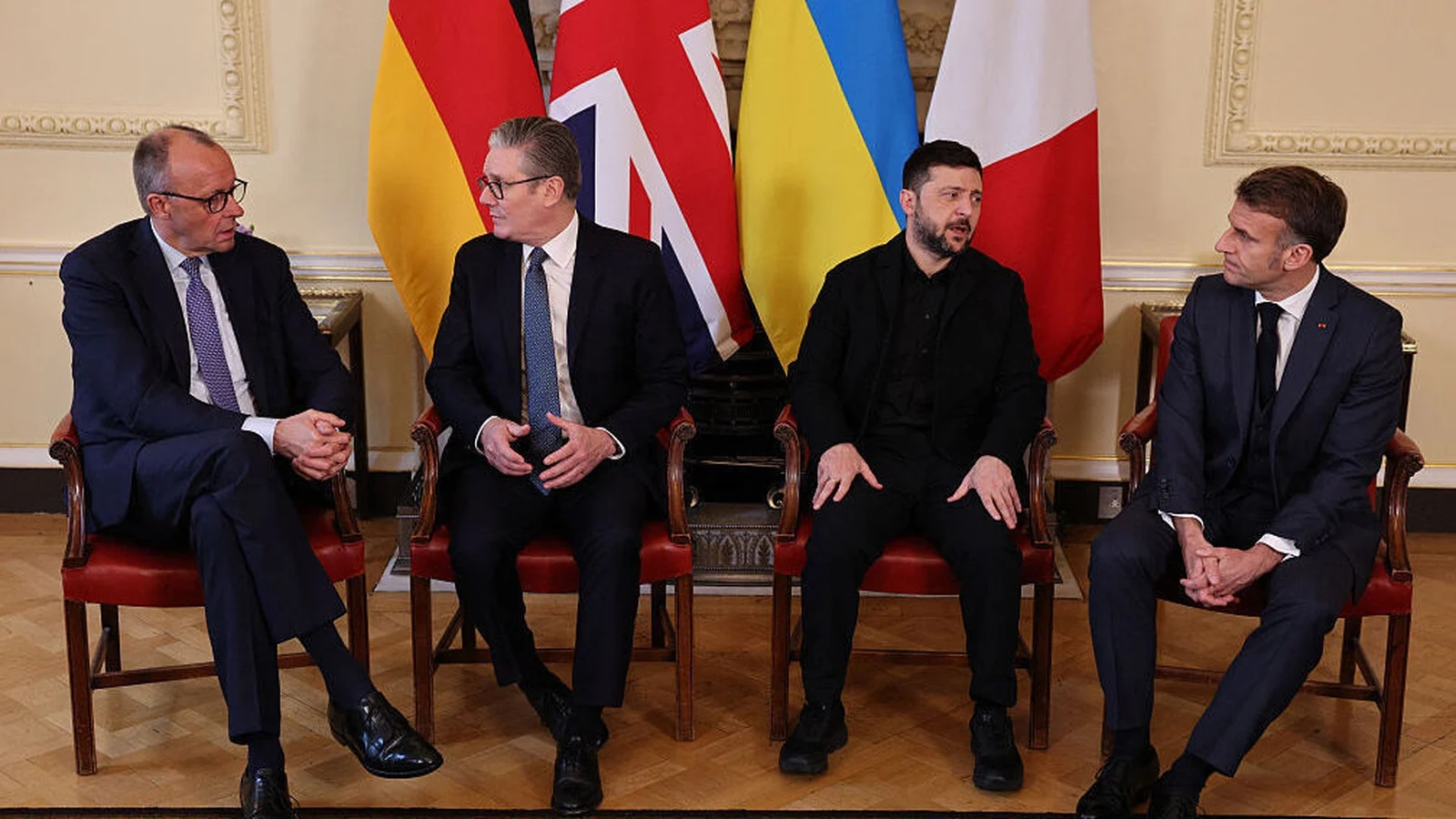
On a damp London morning, the flags outside a stately government building fluttered as if shrugging off the weight of a conversation that could reshape the map of Europe. Leaders and envoys moved through a choreography as old as diplomacy itself—handshakes, guarded smiles, papers passed across polished tables. It felt, at times, almost intimate: the rubbing of hands, the quick aside, the pause before a camera flash. Yet beneath that intimacy is a bargaining dance with the future of a nation still scarred by war.
French President Emmanuel Macron spoke of “convergence” — a careful word for an even more careful hope: that the United States, European capitals, and Kyiv can align on a framework to end Russia’s invasion. “We are trying to build the bridge between different positions so that we can move to a new phase,” he told aides, his tone equal parts diplomatic and urgent. “That phase must secure the best possible conditions for Ukraine, for Europe and for collective security.”
Why Convergence Matters
Think of convergence as a compass. Without a shared direction, even the most earnest ceasefire talk can dissolve into competing assurances, conditional aid, and bitter recriminations. On the table this week were fragile compromises: territorial questions, security guarantees, and the logistics of enforcement. Those are technical terms that mask profound human realities — homes destroyed, children displaced, harvests abandoned.
President Volodymyr Zelensky, who has been crisscrossing capitals, was blunt: “We can’t manage without Americans, we can’t manage without Europe,” he said to a room of ministers. “We need to make some important decisions.” His message to Western allies was both simple and stark: unity matters not just for diplomacy but for survival.
Voices From the Ground
In a café near a London embassy, a Ukrainian teacher sipping black tea summed up the anxiety many feel. “We are tired of waiting,” she said. “We want a plan that keeps our children safe, not promises that vanish with the next headline.”
A retired British diplomat, who asked not to be named, offered a cautionary note: “Peace without security is just a pause in conflict. If you create a ceasefire that leaves the underlying power imbalance unchanged, you will not have peace — you will have a countdown to the next crisis.”
An EU official in Brussels, involved in the discussions on frozen Russian assets, described heated debates behind closed doors. “There is an economic lever on the table — tens of billions of euros immobilised in European accounts — but turning that into a practical tool to support Ukraine is legally complex and politically risky,” she said. “Belgium, for instance, fears litigation or retaliation.”
Money, Momentum and the Moral Calculus
One of the sharpest packets on the table is financial: a proposal to convert up to €210 billion in frozen Russian assets into a long-term loan to underwrite Ukraine’s budgetary and military needs. Seven European leaders, including Ireland’s Taoiseach, have backed the concept in a letter urging swift action. “Time is of the essence,” they wrote, arguing that this was both “the most financially feasible and politically realistic solution” and a matter of justice for damages inflicted by aggression.
But not all capitals are comfortable. Belgium, home to Euroclear — which holds a large share of these immobilised assets — has voiced worries about retaliation and legal claims. It’s a reminder that even within the EU’s close-knit halls, national concerns can jostle with collective purpose.
How Would Such a Loan Work?
- Frozen assets would be pooled and converted into a long-term loan mechanism.
- Proceeds would be earmarked for Ukraine’s reconstruction and defence budgets.
- Repayments or compensation could be tied to eventual reparations or legal frameworks yet to be negotiated.
Whether that model is implemented this autumn will depend on a European Council decision that ministers hope will give Kyiv the financial breathing space to both defend itself and bargain from a position of relative strength.
The American Angle: Complex, Unpredictable, Essential
The United States remains pivotal. Over recent months the tone from Washington has been uneven. President Donald Trump, according to sources close to the talks, has alternated between pressing for a high-profile settlement and admonishing Ukrainian leaders for not immediately embracing White House proposals. “I’m a little bit disappointed that President Zelensky hasn’t yet read the proposal,” he remarked to reporters, encapsulating a diplomacy laced with impatience.
Behind the headlines are real negotiations. Portions of the US plan reportedly envision Ukraine relinquishing certain territories in exchange for robust — if not NATO-level — security guarantees. Key details, like where defensive jets would be based and what legal guarantees would look like, remain clouded. Moscow’s reaction has been to reject elements of the plan outright, turning the diplomatic chessboard into an even more complicated game.
A Western security expert watched the week’s meetings and commented, “You can’t force a durable peace through headline diplomacy alone. Guarantees need clarity. Verification mechanisms need teeth. Otherwise you end up papering over the real issues.”
Beyond the Summit: What Comes Next?
After London, Zelensky heads to Brussels to meet NATO and EU leaders, and capitals from Washington to Warsaw are bracing for more talks. The next phase — if convergence is achieved — will likely involve months of technical work: drafting security arrangements, building monitoring mechanisms, and integrating economic recovery plans.
But even if leaders sign on, the human work remains. Rebuilding trust between societies, resettling displaced families, and restoring livelihoods are tasks that money and treaties only begin to address. “Peace is not just the end of guns; it’s the beginning of normal life,” a farmer from eastern Ukraine told me over the phone, his voice raw with fatigue. “We want to go back to planting, not planning exits.”
So where does that leave us, the global audience watching with varying degrees of proximity and involvement? We are being asked, quietly and collectively, to weigh strategic patience against moral urgency. Are we prepared to back a plan that compromises for peace, or do we hold out for maximal justice at the risk of prolonging conflict?
These are not academic questions. They ask us to define what we mean by security in an interconnected age. They force us to confront whether international law, economic leverage, and political will can be combined to make a peace that is both just and sustainable.
As the delegations disperse, leave their black SUVs, and step back into parliaments and press rooms, one truth remains unmistakable: the path to a lasting solution will be long, messy, and stubbornly human. And it will demand, above all, a rare thing in politics — sustained, patient unity.