When Diplomacy Meets Tabloid: A Sausage Sandwich, a Mock Accent, and the Fraying Threads of Global Order
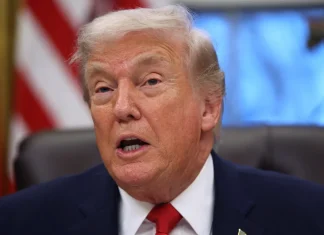
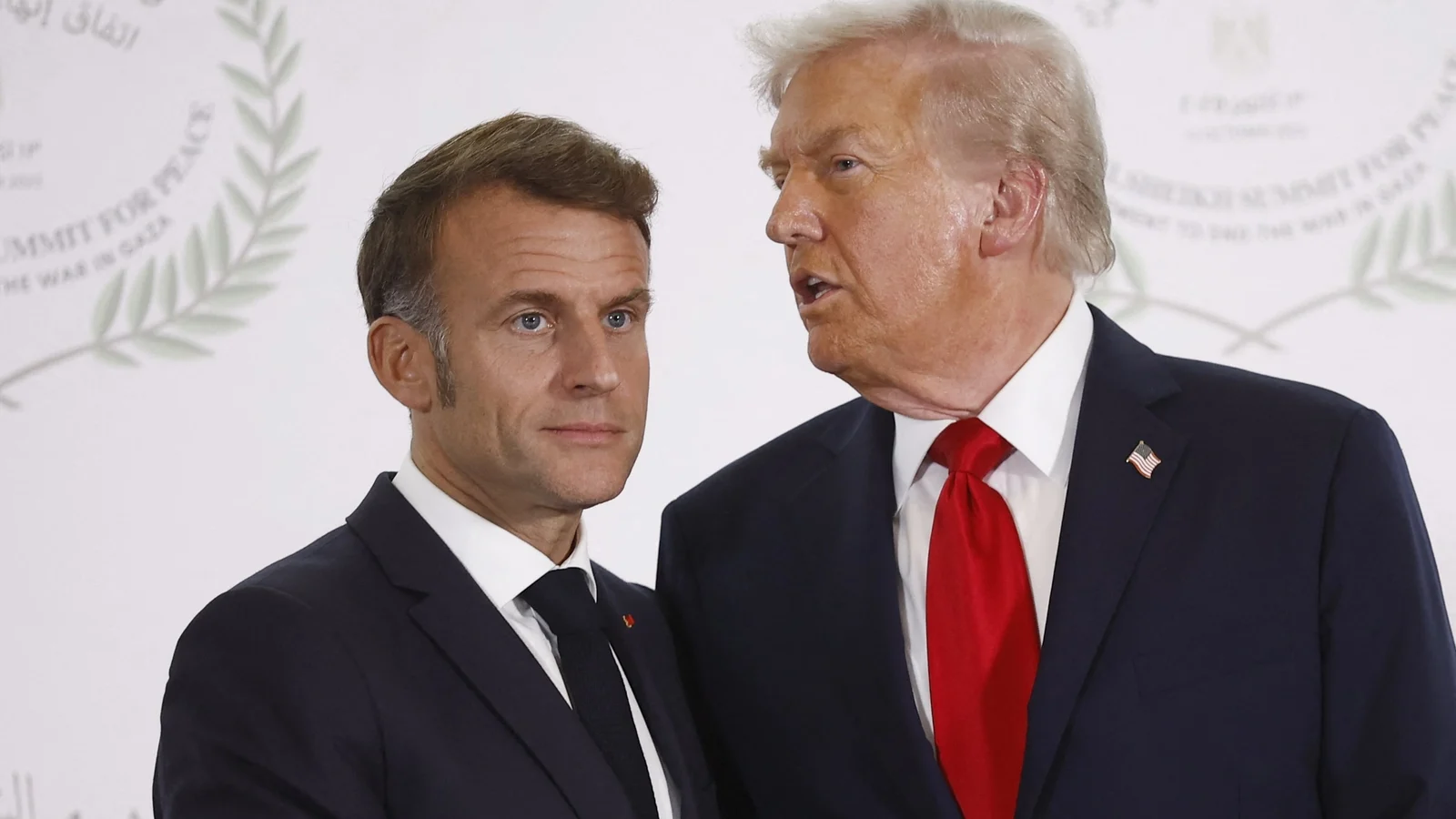
It began, like so many modern diplomatic dramas, at a table where plates are half-empty and the microphones are supposedly off. A private lunch. Small talk; then a joke that landed like a thrown tomato. The president of the United States mimicked his French counterpart’s accent, joked about the state of his marriage, and dismissed the utility of European allies in a conflict that threatens to swallow whole regions.
To watch it from Paris, Seoul, or a café outside the Élysée, the moment felt less like a gaffe and more like an X-ray: the brittle scaffolding of international trust, exposed.
Macron’s Measured Rebuff
Emmanuel Macron, who was in Seoul with his wife Brigitte, answered with the kind of composure many politicians train for but few truly embody when pushed. “Neither elegant nor up to standard,” he said when asked about the jibe, and then refused to throw fuel on the fire. “I am not going to respond to them — they do not merit a response,” he told reporters, turning the story back toward what he insisted should matter: de-escalation in the Middle East and a push for ceasefire.
Short sentences. Clear priorities. It’s a line of defense in itself: dignity. But beneath the poise, diplomats on both sides know that slips like this can ricochet. “There is too much talk, and it’s all over the place,” Macron added, a pointed barb aimed not just at the quip but at what it symbolizes — a presidency increasingly prone to whirlwinds and reversals.
Private Mockery, Public Consequences
The roast reportedly took place as Mr. Trump, in a private setting, lambasted NATO allies for not throwing ships and men into a conflict against Iran, and mocked Macron for being “still recovering from the right to the jaw” — a reference to a viral video from May 2025 in which Brigitte Macron appeared to push him during a trip to Vietnam. Macron had called that footage part of a disinformation campaign.
It’s tempting to dismiss such a moment as tabloid fodder. But when the leader of the United States — a superpower whose military commitments anchor NATO — openly mimics allies and calls the alliance a “paper tiger,” it reverberates far beyond dinner table jokes.
Voices from the Ground: Anger, Bewilderment, Resolve
Back in France the reaction was swift and surprisingly united. From the left and the right, lawmakers lined up to defend the office of the presidency — not always out of affection for Macron, but out of principle. “Honestly, it’s not up to par,” one senior lawmaker told me, speaking from a Quai d’Orsay corridor. “We are discussing the future of the world. Millions are suffering. To see a leader laugh about that — and mock another country’s head of state — is unacceptable.”
A café owner on the Rue Saint-Dominique — where soldiers march past in crisp uniforms, and where politics is digested with espresso and croissant — shrugged and said, “We French joke, yes. But we also expect respect. You don’t make family matters a punchline in front of the world.” She asked that I use only her first name, Jeanne. Her hands were stained with flour and indignation in equal measure.
Even critics of Macron on the far left expressed dismay. “We can disagree on policy,” one opposition coordinator told a television interviewer, “but there is a line. Mocking someone’s spouse — that is not politics. It’s personal, and it’s unnecessary.”
Why This Matters: NATO, Norms, and the Erosion of Courtesy
Beyond the personal insult lies a set of deeper anxieties. NATO is more than a military alliance; it’s a forward-operating expression of a post-1945 order — a network of shared commitments, rules, and predictability. Members are supposed to coordinate defense spending, with a widely cited 2% of GDP target that many believe is the minimum to sustain credible collective defense.
The United States has shouldered an outsized share of NATO defense spending — roughly two-thirds of the total — and American commitment has historically been the glue that held the alliance together. When U.S. leaders publicly question NATO’s utility or cast it as a “paper tiger,” it sends ripples across capitals from Tallinn to Ankara.
And then there is the immediate, combustible backdrop: the confrontation with Iran and the recent US-Israeli strikes that have pulled in reactions from capitals across the world. In such a context, strategic clarity matters. Jokes about marriages and accents do not.
Experts Weigh In
Elena Markovic, a defense analyst with years in Brussels, described the situation with clinical worry. “These are not cosmetic slips,” she said. “Diplomatic language is part of deterrence. When rhetoric becomes unpredictable and personal, it undermines the signaling that keeps crises from escalating.”
Markovic pointed to a simple truth: “Allies calculate risk. They make defense investments, deploy forces, commit basing rights — all of that is predicated on expectations of reliability. If those expectations fray, the calculus changes.”
What the Public Sees — and Feels
For many citizens the spectacle is disorienting. In Seoul, where Macron stood beside his wife and tried to pivot to diplomacy, locals watched a global spat unfold with a kind of weary fascination. “We come to Korea for harmony; we do not feed drama,” said a University of Seoul professor. “When leaders behave like performers rather than statesmen, it diminishes the gravity of decisions that can mean life or death.”
Ask yourself: would you trust a friend who joked about abandoning you in a crisis? Nations are, in many respects, like that friend. Trust, once eroded, is laborious to rebuild.
Moving Forward: De-escalation, Diplomacy, and the Return to Substance
Macron’s insistence that “this is not a show” is more than a line; it’s a plea. It’s a request for the world to stop consuming headlines like reality TV and to return to negotiation rooms where moves are deliberate, not performative. If there is hope, it lies in that shift back to sobriety: a renewed focus on ceasefires, humanitarian corridors, and renewed diplomatic engagement.
But will entertainment-infused politics allow that? Or are we entering an era where international relations are increasingly conducted under the glare of personality-driven theatrics? The answer will shape whether alliances survive this moment of strain.
Small Acts, Big Signals
Consider the small courtesies: accepting an invitation at a diplomatic lunch without jesting about a host; making statements about allies in the press that are measured rather than mocking; showing up where the consequences are felt and not just where the cameras are.
“Diplomacy is not a cuisine you can improvise,” a retired ambassador told me over the phone. “It requires recipes passed down, discipline in the kitchen, and respect for those who sit at the table. When you start tossing the ingredients around, the dish collapses.” His laugh was thin. “And then everyone blames the waiter.”
Final Thought
We live in an era where the personal is political and the political is performative. But beneath the zingers and the viral snippets lie very real consequences: shifting alliances, recalculated defenses, and at worst, additional lives lost in conflicts that might otherwise have been contained. So the next time a leader chooses jest over restraint, ask yourself: what are we trading for the laugh?