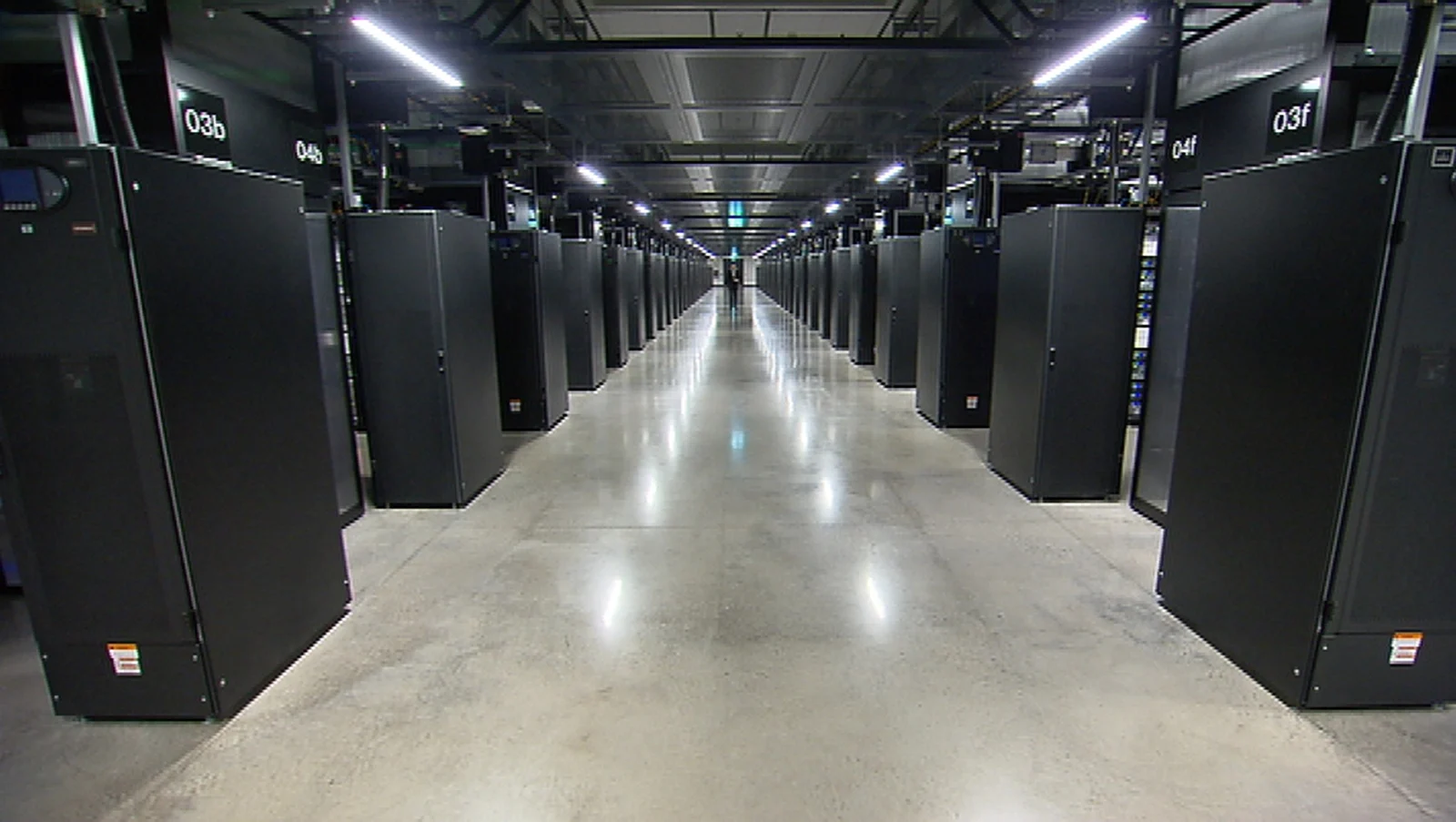
City halls are moving to rein in the booming data-centre industry, as dozens of mayors prepare to unite behind a new global agreement aimed at reducing the sector’s growing environmental and community footprint.
Mayors from 40 cities, including London, Phoenix and Melbourne, are set to sign a pact pledging to work together to ease the mounting pressure that rapid data-centre expansion is placing on electricity grids, water supplies and local neighbourhoods, city leaders said.
Demand for computing power is surging worldwide—much of it tied to artificial intelligence—unleashing trillions of dollars in investment in new facilities and triggering protests from the United States to South Africa and Britain.
The Global Urban Data Centres Pact, due to be launched today at London Climate Action Week, is designed to establish standards so that data centres rely on clean energy, use resources more efficiently and fit more smoothly into urban planning, the mayors of Phoenix and Melbourne told Reuters.
Although the guidelines will be tailored to local realities—cooling requirements in Iceland are not the same as in Manila—the mayors said the framework is intended to inform permitting and planning decisions, and to strengthen cities’ hands in talks with companies and governments.
Melbourne Lord Mayor Nicholas Reece said about 50 major data centres are already operating in the city, and they are expected to make up roughly 10% of local power demand by 2030 and as much as 20% by 2040 in a city of 5.5 million.
“Data centres are the biggest thing to hit the energy grid since air conditioning in the 1950s… where the rollout of air conditioning took decades, this is happening in a few short years,” Mr Reece said.
He added that the facilities could consume around 20 billion litres of water annually—about 4% of Melbourne’s drinking supply—underscoring the strain on essential resources.
Race to the bottom
Mr Reece said data-centre investment is arriving at “breakneck speed” and outrunning the rules meant to govern it, exposing cities to a potential “race to the bottom” as governments compete to lure projects, at times sidestepping environmental scrutiny.
Phoenix Mayor Kate Gallego said the city and surrounding region have 225 existing or planned data centres, with proposals that could double electricity demand.
Utilities accustomed to decades of steady growth are now confronting expansion over just a few years comparable to what they previously saw across an entire century, Ms Gallego said, driven largely by AI-linked computing needs.
“The demand for electricity… is unprecedented,” she said.
She said the surge has fuelled disputes over noise, land use and safety concerns related to battery storage, alongside broader objections to placing large-scale infrastructure near residential areas.
London Mayor Sadiq Khan said in a statement that while AI and digital infrastructure would play “a major role in the future prosperity of cities around the world… residents are right to expect growth to be managed responsibly”.
Data centres are responsible for an estimated 2.5% to 3.7% of global greenhouse gas emissions, according to the World Economic Forum—more than aviation—with their electricity needs rising faster than overall power consumption.
Coordinated by C40 Cities, a network of nearly 100 of the world’s largest cities working together on climate action, the pact will also be signed by cities including Barcelona, Chennai and Boise in the US state of Idaho.
“In the race to be smart cities, we don’t want to ruin the planet,” Mr Reece said.