When the Sky Over the Gulf Went Quiet: An Irish Exodus and the Fog of War
It is an odd thing to watch the sky fall silent.
For days now, much of the airspace above the Gulf has been shuttered—one of those sudden, political weather patterns that rearrange lives and travel plans with little warning. The reverberations are felt thousands of miles away: in Dublin arrivals halls, in the fluorescent glare of airport information screens, in the anxious WhatsApp threads of families separated by continents.
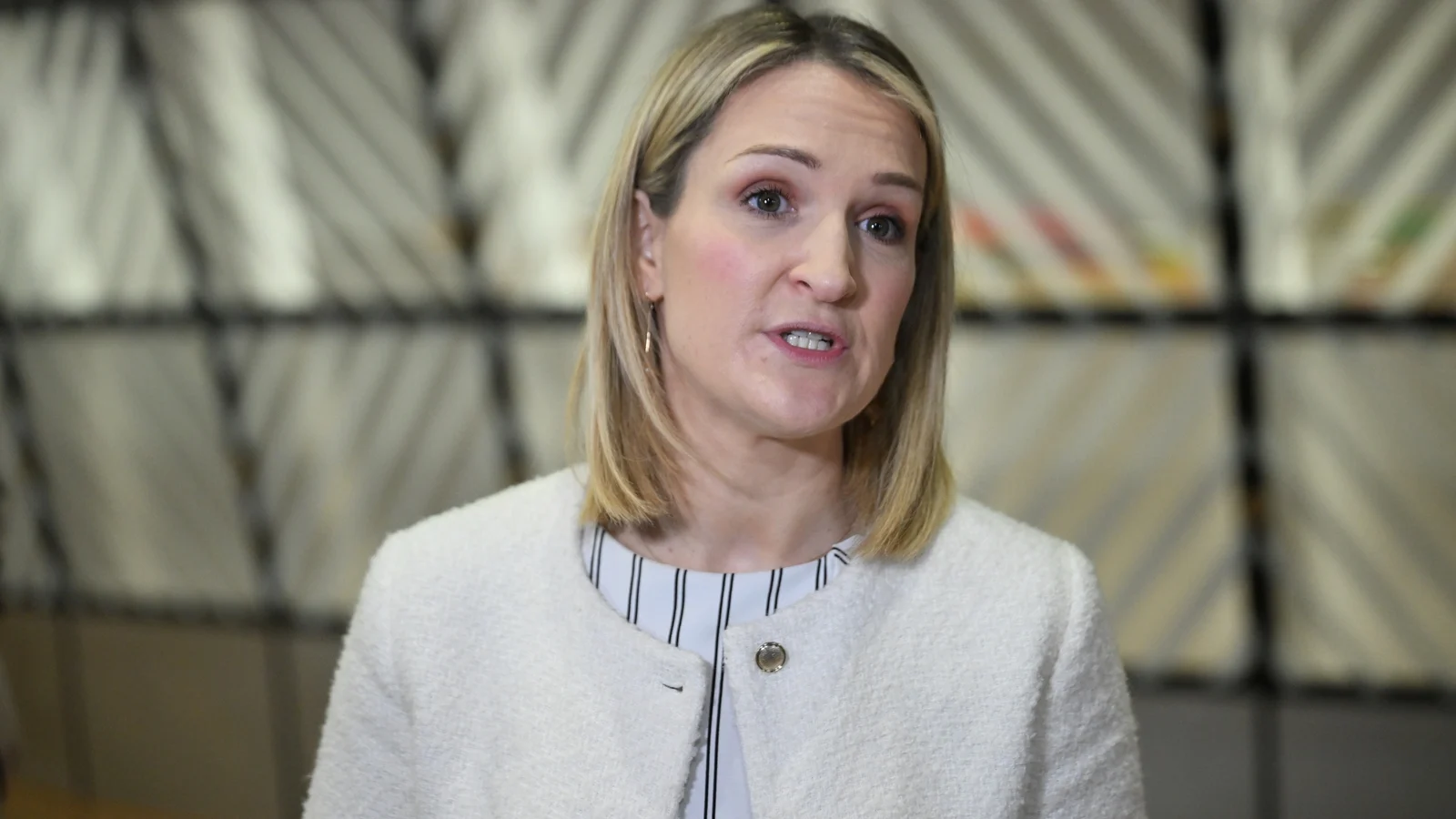
Minister for Foreign Affairs Helen McEntee told the Dáil that 24,400 Irish citizens have registered their presence across the Gulf, and that number is growing by the day. It is a small census of alarm, a tally of people who went to the region for work, study or adventure and now find themselves negotiating a patchwork of cancelled flights, closed borders and uneasy headlines.
Planes that arrived—and those that did not
Last night an Emirates flight, EK163, descended into Dublin at 11pm. Another touched down the following evening at 7:14pm. On board one of those planes were about 384 people, many of them transiting to other European destinations after flights elsewhere in the region were called off.
But the arrivals are the story’s punctuation marks, not its sentences. Since the outbreak of war six days ago, “eleven of the thirteen” scheduled Dublin–Middle East services were cancelled on one day alone, according to Graeme McQueen, head of media relations at daa, the airport operator. More than 70 flights have been axed since the weekend. Airports that once thrummed with business travellers and families now feel paused, their departure boards lit with cancellations and a muted hum of worry.
“It felt surreal,” said Aoife Murphy, 28, squeezed into a return seat on EK163 whose luggage tag still bore the Dubai airport code. “We were meant to be home in time for a cousin’s wedding. Instead we queued, slept on baggage carts, and tried to work out whether flights would ever restart.”
Charters, costs, and who gets priority
Not all routes are closed. The Irish government has chartered a flight from Muscat, Oman, scheduled to depart tomorrow, and expects it to carry more than 300 people home. Vulnerable passengers—families, the elderly, those with pressing medical needs—have been promised priority. Children will travel free. Adults have been asked to contribute €800 each, a figure the Minister said amounts to less than half the true cost; it is standard practice for such repatriation flights, she added, and no one will be denied travel for lack of funds.
There will also be practical help on the ground: the government will cover bus transport from the UAE to Muscat for those who cannot otherwise reach the charter.
“We’re not asking people to fund their own rescue,” Ms McEntee told reporters, voice steadier than the headlines. “This contribution simply shares the cost of a very expensive operation. Our priority is to bring people home safely.”
Lives in transit: small scenes that tell a bigger story
In the departure lounge families huddled with mismatched luggage, young professionals scrolled flight updates with the kind of grim focus endurance athletes get in race mode. An older man, a retired engineer who had been working on a project in Abu Dhabi, recited the names of his grandchildren as if checking them off in his head: “Nora, Sean, little Ciarán—are they alright? Will there be potatoes left in the freezer?”
For many Irish citizens in the Gulf, the decision to travel home has been less about politics than instinct: a parent’s intuition, a desire to be near a familiar bed or the reassurance of a national helpline. Others planned to use Dublin as a hub—arriving only to sleep in the terminal before catching onward trains and planes to Spain, Germany, or the UK.
“We’ve navigated storms before,” said Niamh O’Rourke, a Dublin nurse who had been teaching in Sharjah. “But there’s something different about this one—the uncertainty. You can handle a delay. You can’t plan when the sky closes on you.”
Diplomacy under strain
Behind these personal dramas sits an awkward diplomatic tableau. Ms McEntee has been clear in her discomfort about the unfolding violence, speaking of scenes of death and destruction and signalling Ireland’s long-held position that the use of force without UN authorisation sits in uneasy legal territory. She reminded the Dáil and the public that all states must abide by international law and the UN charter. Yet when pressed bluntly on whether the current military actions by the US and Israel are outside international law, she declined to say definitively.
That reticence reflects an old conundrum: a small state’s imperative to uphold international norms while navigating complex alliances and the messy immediacy of citizens in danger.
Practicalities and connections: what to do if you’re in the region
If you or someone you love is in the Gulf and needs help, there are specific, practical steps to take. Registering with the Department of Foreign Affairs helps consular teams prioritize assistance and track who is on the ground.
- Citizens Registration: citizensregistration.dfa.ie
- DFAT Crisis Team phone: +353 (0)1 408 2000
- Residents of Northern Ireland not holding an Irish passport can still contact the Irish number to register.
- Those seeking British consular help from Northern Ireland should call +44 (0)20 7008 5000 (24/7).
Why these numbers matter
Twenty-four thousand four hundred people is not a faceless statistic. It is tens of thousands of lives, each one threaded into families and businesses and communities back in Ireland. It is the barista who mixed your flat white last week, the IT consultant who helped your company migrate servers, the student who came to study English and ended up knitting a life in a city of skyscrapers and souks.
And those figures matter politically: they shape consular response, influence public sentiment, and test the limits of international travel infrastructure when it is strained by conflict.
What this moment tells us about a connected world
As you read this, consider the ways your morning commute might ripple into someone else’s evening in a distant country. We live in an era where global crises are not distant affairs for long; they wrap around networks and families in hours. That can be terrifying, and—when systems work—comforting.
It is worth asking: are our consular services and international mechanisms ready for the next sudden human tide? Are airlines and governments communicating quickly enough when the sky closes?
“The lesson, I suppose, is to stay connected,” said Dr. Liam Keane, an expert in diaspora studies at Trinity College Dublin. “People move, they have ties across oceans. Governments need the nimbleness to respond to that reality—logistically, diplomatically, and with compassion.”
A final thought
Back in Dublin, the arrivals hall’s fluorescent lights warm in the early evening as passengers hug relatives who have not seen them for months. A child runs past, trailing a banner from a school farewell party. The headlines will shift. New crises will demand attention. But for those 24,400 and counting, and for the families who wait for their return, this pause in the sky is a potent reminder of how close the world truly is.
Will we remember the human faces behind the statistics the next time the flight board blinks red? That’s a conversation worth having.