A New Keeper of the Gate: Iran’s Quiet Transfer of Power and the Man at Its Center
The city of Mashhad smells like saffron and diesel this morning, the air thick with the incense of pilgrims and the harsher tang of a country learning to live with sudden absence. On the grand boulevards that lead to the gilded shrine of Imam Reza, vendors fold their tarps more slowly than usual; people glance at one another with the furtive curiosity of those who have just learned a family secret.
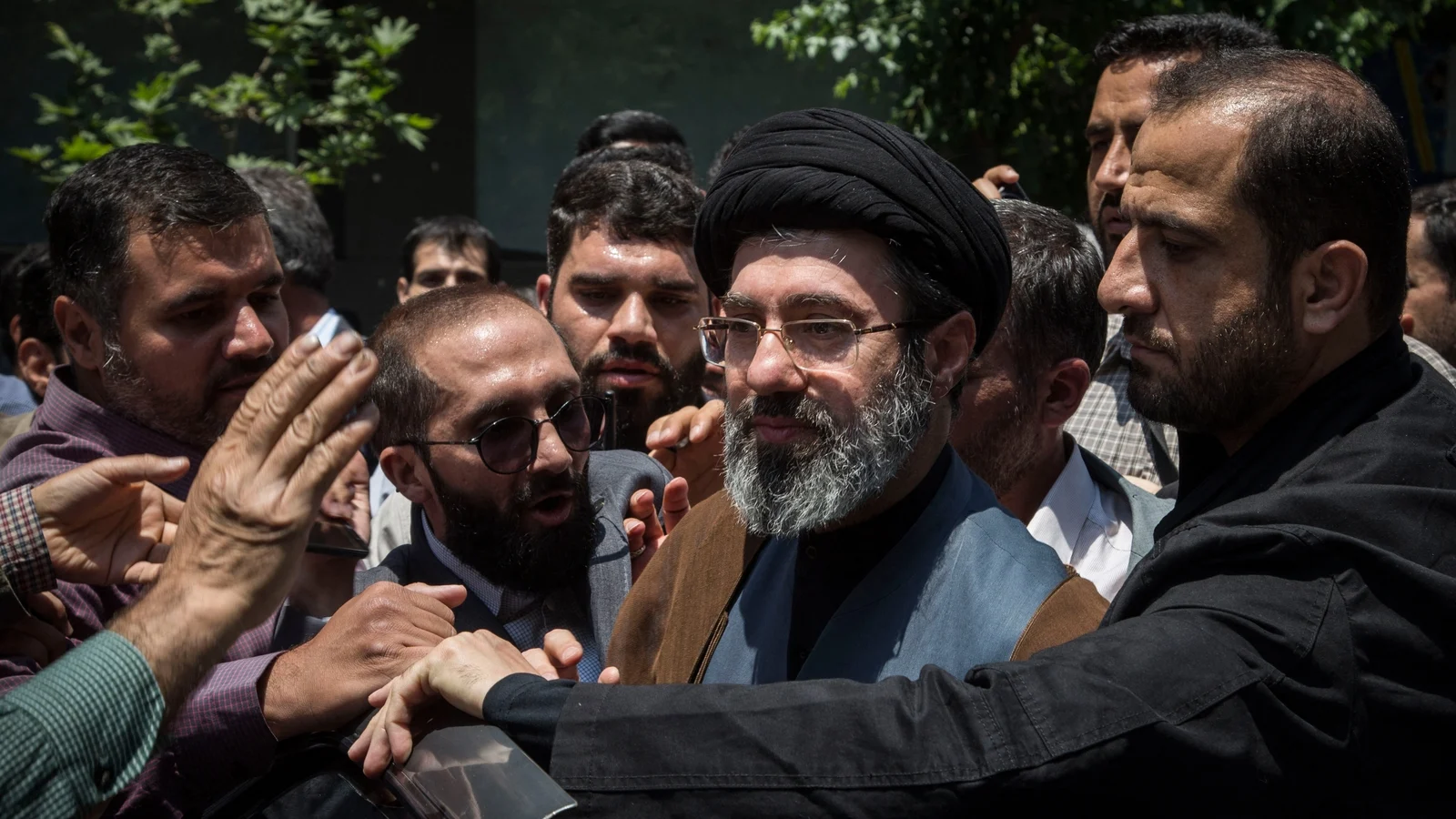
More than a week after an air strike that killed Iran’s long-serving supreme leader, Ayatollah Ali Khamenei, the Assembly of Experts — a body of about 88 clerics who hold the constitutionally sanctioned authority to choose the Islamic Republic’s highest figure — announced a choice that will shape the nation’s future: Mojtaba Khamenei, the late leader’s son, was named as successor.
It is a decision heavy with symbolism and contradiction. On one hand it signals continuity: the hardline network that has dominated Iran’s levers of power for decades remains intact. On the other, it stokes the deep worries many Iranians express about dynastic drift in a republic born of an anti-monarchical revolution.
What the Assembly said — and what it did not
In a videotaped statement circulated by state-linked outlets, Ayatollah Mohsen Heidari Alekasir — a member of the clerical council — explained the choice in starkly political terms: the new leader was selected in line with Khamenei’s guidance that Iran’s supreme leader should be “hated by the enemy.”
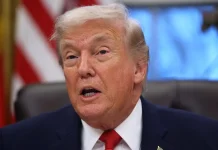
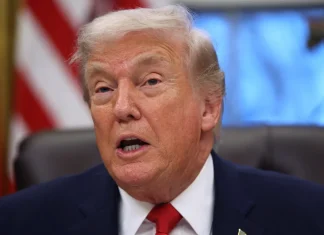
“Even the Great Satan has mentioned his name,” Heidari Alekasir added, echoing rhetoric that frames international hostility as proof of domestic legitimacy. In another corner of the globe, former US President Donald Trump had publicly dismissed Mojtaba as an “unacceptable” successor — a choice that, in the calculus of Iran’s internal politics, may have been spun as a strange sort of endorsement.
Who is Mojtaba Khamenei?
He is 56, a mid-ranking cleric who spent much of his life in the shadow of a father who was both guardian and gatekeeper. Born in the holy city of Mashhad in 1969, Mojtaba was raised amid the fervor of the revolution and the later trauma of the Iran-Iraq war, in which he served as a young man. He studied in Qom’s seminaries — the intellectual heart of Shi’a theological life — and holds the clerical title Hojjatoleslam, a step below the rank of Ayatollah.
Yet his public profile was never that of a traditional, bombastic cleric. He rarely spoke publicly. He did not hold the standard formal government offices one might expect for someone earmarked for the nation’s top job. Instead, observers say, he accrued influence through proximity: to the supreme leader’s office, to the inner security networks, to the Islamic Revolutionary Guard Corps (IRGC) and its affiliated Basij militia.
“He’s been the man who opened and closed the sovereign’s door,” said a Tehran-based political analyst who asked not to be named. “That’s informal power, but in the Iranian system, informal power is often decisive.”
Power behind the curtain
Mojtaba’s ties to the IRGC — the paramilitary institution that in recent decades has become one of Iran’s most consequential organizations, with an estimated core force of more than 100,000 and a broader network of economic ventures and militia affiliates — are central to his rise. Analysts note his rapport with younger, more radical elements inside the Corps, a constituency that prizes defiance against the West and regional assertiveness.
“He has cultivated a base among the IRGC’s rising generation,” said Kasra Aarabi, who runs research on the Guards at United Against Nuclear Iran. “They see in him a leader who will continue the policies they believe in — stronger security controls at home and continued projection of Iranian influence abroad.”
Local reactions: from markets to mosques
On the streets, reactions run a spectrum. In a tea house near the shrine, an elderly man in a black chador paused his chess game and said, “We have seen turmoil before. We know how to pray and how to endure.” Nearby, a young woman with a saffron scarf and cropped hair — who declined to give her name — said quietly, “We want dignity. We want to be heard. A name on a list doesn’t erase what was done to us.”
Memories of the 2022 protests over the death of Mahsa Amini still hang close to the surface: hundreds, according to human rights groups, were killed in the violent crackdowns that followed. Mojtaba’s name was a focal point for anger then; he was widely vilified by demonstrators who saw him as emblematic of a closed, interlocking system of power.
“There are people who will accept him, many who won’t,” said an economics student in Qom. “This is about more than one man — it’s about trust.”
Quick facts
- Assembly of Experts: around 88 members, charged with selecting and supervising the supreme leader.
- Mojtaba Khamenei: born 1969, clerical rank Hojjatoleslam, named successor after Khamenei’s death in an air strike.
- IRGC: a central security and economic actor in Iran, with core forces estimated in the low hundreds of thousands and a wider network of militias and businesses.
- US sanctions: Mojtaba was targeted by the US Treasury in 2019 for effectively representing the supreme leader in an “official capacity” despite lacking formal office.
Broader implications: domestic strife, regional rivalry, and the nuclear question
The selection of Mojtaba is not only an internal story; it reverberates across a volatile region and a fractious international landscape. The supreme leader in Iran holds final say on foreign policy and nuclear strategy. Western governments, anxious about the proliferation risks, have long viewed hardline continuity with alarm.
For many inside and outside Iran, the affair raises an enduring question: can a system born in 1979, forged in anti-royalist zeal, tolerate the semblance of dynastic succession? Critics insist the move betrays the republic’s founding ethos. Supporters argue stability is paramount amid external threats and regional instability.
“The regime will argue that succession by a trusted insider prevents chaos,” said a former diplomat who worked on Iran policy. “But trust does not equal legitimacy — and legitimacy is in short supply when hundreds protested and voices were silenced.”
What comes next?
Expect a period of consolidation: appointments to key security and economic posts, efforts to reassure the IRGC rank-and-file, and a diplomatic outreach that blends defiance with pragmatism. But also expect persistent unrest. Iranians have shown — from the Green Movement in 2009 to the nationwide protests of 2022 — that they are willing, in waves, to demand more freedom.
So here is the question I leave with you: in a world where charisma, bloodlines, and bureaucratic muscle intertwine, who decides what counts as legitimate rule? And where does popular consent fit into a system that prizes revolutionary continuity over electoral renewal?
For now, the gates of power in Tehran have a new keeper. Whether he will open them to change, or clamp them shut on a nation’s restless hopes, is a story that will unfold in bazaars and boardrooms alike — and affect us all in a region where every tremor is shared across borders.