When a Quiet Scottish Street Suddenly Became the Epicenter of a Global Story
On a rain-slick morning in East Kilbride, a town of tidy gardens and bus routes that fold into the hills outside Glasgow, neighbours stood on pavements in shock and curiosity. A uniformed police presence threaded through the terraces; vans idled with engines ticking. For people who come here for the hum of local shops and the smell of fresh rolls from the bakery, it was a jolt — a reminder that geopolitical fault lines can arrive at your front door without warning.
Three men were detained by counter-terrorism officers in a coordinated operation that stretched from London to mid-Wales. The Metropolitan Police confirmed the arrests of men aged 39, 43 and 68 on suspicion of assisting a foreign intelligence service. Searches were carried out at several addresses: the properties where the men were detained, plus others in London, East Kilbride and Cardiff. All three remain in custody as searches continue.
Faces and Names: The Personal Layer Behind the Headlines
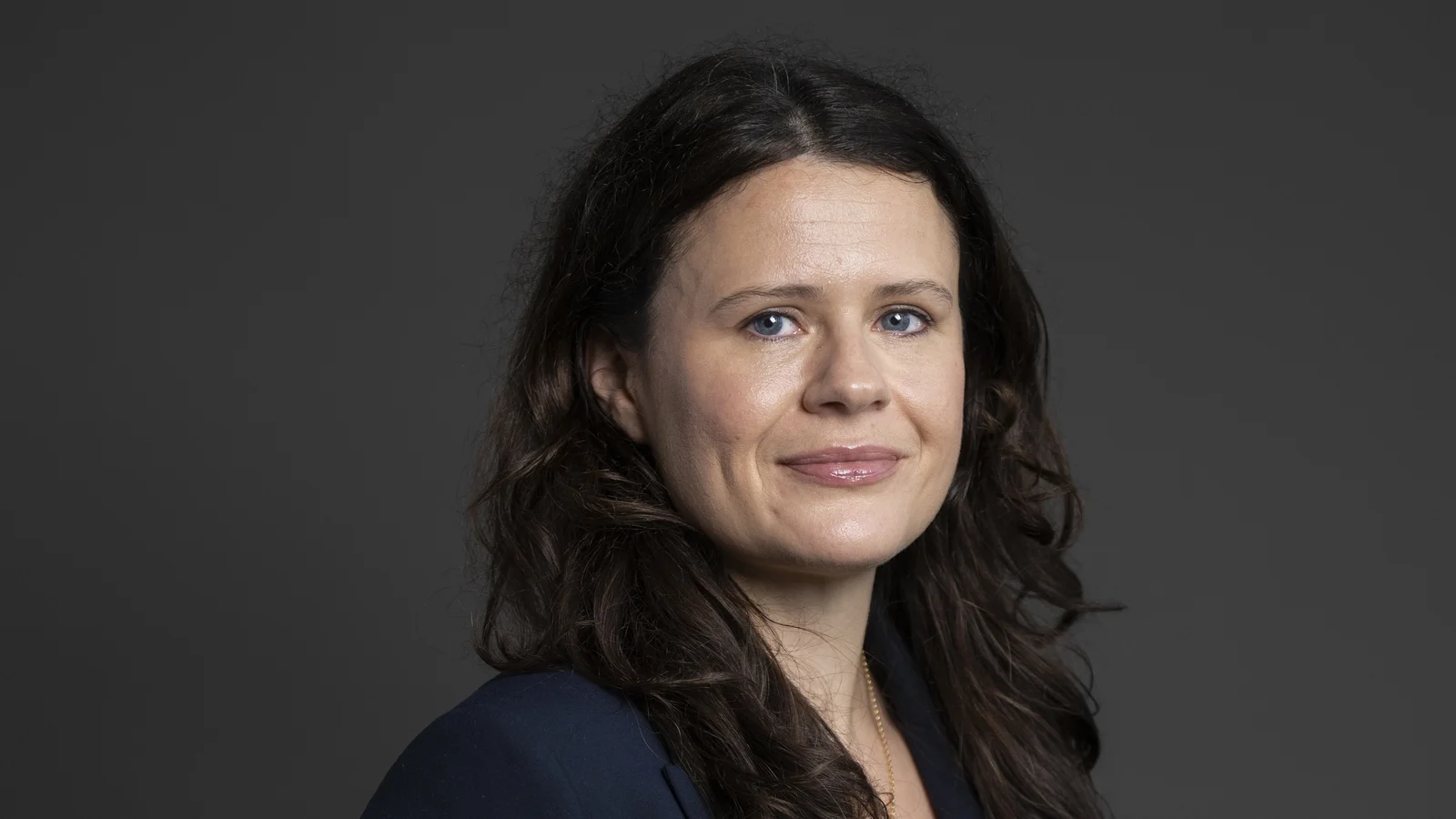
One of those arrested is married to Joani Reid, Labour MP for East Kilbride and Strathaven and a member of the Home Affairs Select Committee. She issued a clear, personal defence: she says she has never had dealings with China as an MP, has not raised China-related matters in the Commons and has never been to the country. “I have never seen anything to make me suspect my husband has broken any law,” she told reporters, asking for privacy for her children as the investigation unfolds.
Her husband, listed as a lobbyist on Ms Reid’s parliamentary register and named in Companies House records as director of a communications firm, is central to the inquiry. For a family accustomed to the cadence of constituency work — surgeries, school runs, local charity events — the intrusion of a counter-terrorism probe is both bewildering and bruising.
What the Authorities Say
Commander Helen Flanagan, who leads Counter Terrorism Policing London, framed the arrests as part of a proactive, preventative investigation. “We have seen a significant increase in our casework relating to national security in recent years,” she said, underlining the scale of the task facing law enforcement as foreign malign activity becomes more complex and diffuse.
Security minister Dan Jarvis added the government’s voice: if there is evidence that a foreign state has attempted to interfere in UK sovereign affairs, “we will impose severe consequences and hold all actors involved to account.” He highlighted the National Security Act — the legal framework ministers say gives intelligence agencies and police modern tools to deter and disrupt state threats.
How the Operation Spanned the Map
The Met detailed the geography of the operation: the 39-year-old man was arrested in London; the 43-year-old in Pontyclun, south Wales; the 68-year-old in Powys, mid-Wales. Additional searches were undertaken in London, East Kilbride and Cardiff as part of the wide-ranging sweep. Police stressed that while these are serious matters, they do not believe there is any imminent threat to the public.
Voices from the Street and the Study
At a café near Ms Reid’s constituency office, a barista who asked to be identified only as Tom wiped down a counter and sighed. “You hear things — whispers on the bus, messages from friends — but nobody expects national security to land like this,” he said. “It’s unnerving, especially when there are kids involved.”
A neighbour, an elderly woman who has lived on the road for three decades, offered a gentler perspective: “Joani has always been seen helping folk, turning up at raffles and fetes. Whatever’s happening, I hope the children are shielded.”
A former intelligence officer, speaking on condition of anonymity, pointed to a broader pattern. “Democracies are under strain from low-visibility influence operations. They’re not always dramatic — often they’re long campaigns to shape opinions, access information, or gain influence through intermediaries,” they said. “This investigation looks like part of that tapestry.”
Politics, Posturing and Public Anxiety
The arrests fed instantly into political rhetoric. On social media and in Westminster lobbies, commentators sharpened their language. Conservative politician Kemi Badenoch posted a video decrying what she called a pattern of Chinese targeting of Britain and accusing the government of naivety — invoking the decision by some leaders to deepen diplomatic channels with Beijing as a strategic misstep. “China is targeting Britain, targeting our MPs. Enough,” she said.
Such reactions show how national security incidents can quickly become touchstones for broader debates: about trade and energy dependence, about how to balance engagement with competition, and about how democracies should respond without lapsing into suspicion and prejudice.
Questions That Outlast the Headlines
What does this moment mean for the relationship between foreign policy and the everyday lives of politicians’ families? How do investigators balance the imperative to protect the public with the right to privacy for those swept up in inquiries? And how can journalists — and readers — separate necessary scrutiny from gratuitous sensationalism?
There are no easy answers. What is clear is that the story sits at the intersection of several global trends: intensifying great-power competition, the expanding remit of national-security law, and the growing awareness that influence can be as potent as espionage when wielded subtly over time.
Local Color, Global Consequences
Back in East Kilbride, life goes on. Delivery vans make their rounds. School bells ring. Yet the usual rhythms have acquired a new edge. A municipal worker who polishes the war memorial by the civic centre remarked, “You’d think small towns were immune to these headaches. But we’re not. Bad things happen wherever people gather.”
That human scale is important to hold onto. Behind policy speeches and legal statutes are ordinary lives — children in need of reassurance, neighbours offering casseroles and cups of tea, and public servants navigating a balance between secrecy and accountability.
What Comes Next?
Investigations of this nature can take weeks or months. For now, the police say the probe is ongoing, and they have thanked the public for cooperation. For politicians, the episode will feed into renewed calls for tough responses to alleged foreign interference. For the public, it is a reminder that in an interconnected world, decisions made in diplomatic corridors can ripple into the streets where we live.
So, reader: how should societies protect themselves from malign influence without eroding the freedoms and privacy that define democratic life? It’s a question that local streets and international capitals are asking, and the answer will shape not only policy but the contours of everyday trust for years to come.