When Trust Goes Flat: How a Global Infant-Formula Recall Became a Lesson in Fragile Supply Chains
There are few things as intimate and immediate as the click of a mother’s spoon against the plastic rim of an infant formula tub at 3 a.m. It’s a ritual wrapped in routine and worry—an act of care that millions of parents around the world perform in the hush of kitchens, hospital rooms and hotel stays.
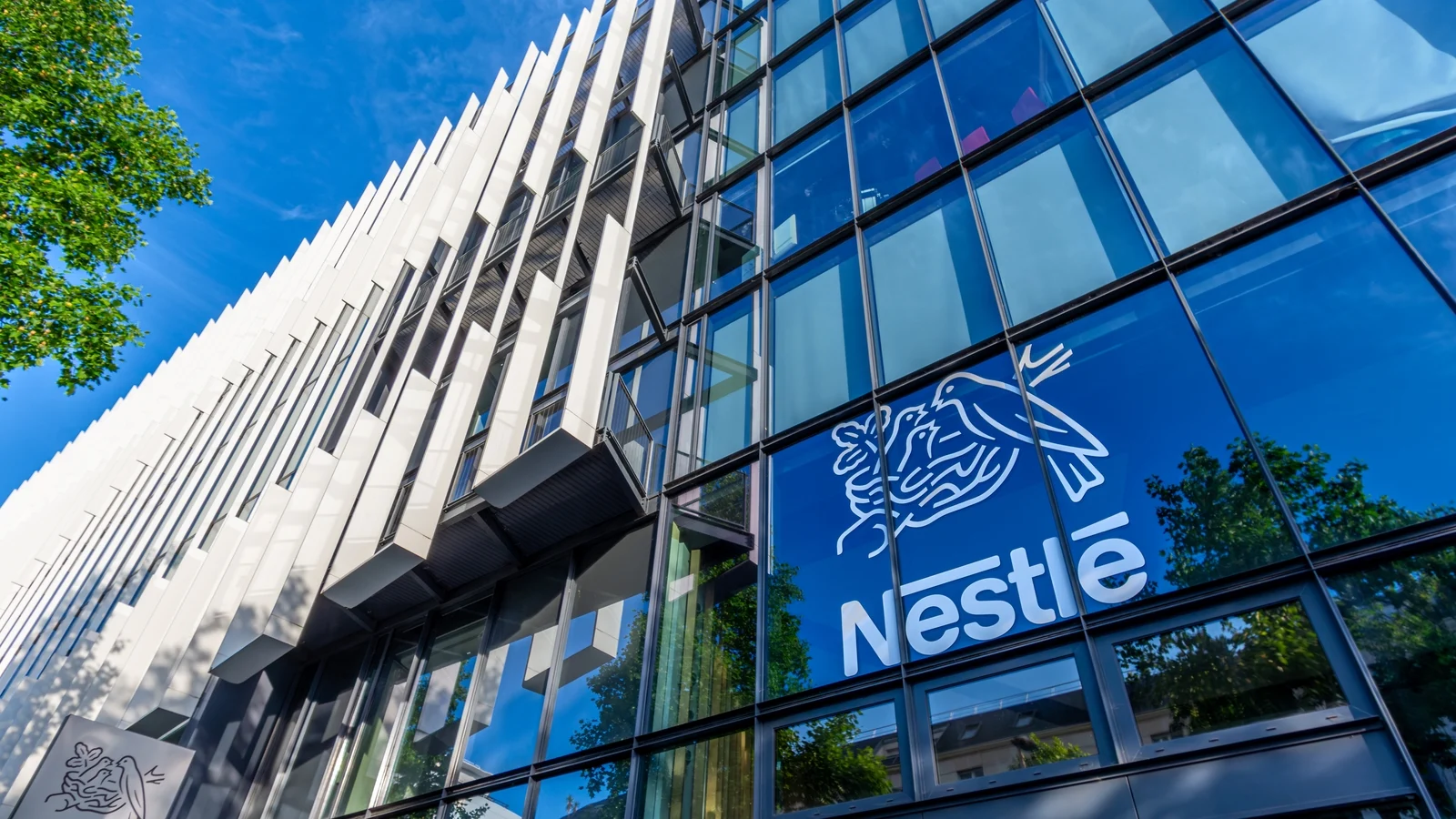
Last week that ritual was interrupted. Nestlé, the Swiss food giant whose names—NAN, SMA, BEBA, Alfamino—sit on supermarket shelves and in hospital nurseries across continents, announced a recall of nearly 80 batches of infant nutrition products. The recall now stretches across more than 50 countries, from Europe to the Americas, Asia and Africa, and has left parents, retailers and regulators scrambling for answers.
Aswift, spreading alarm
“I opened the notice and felt this cold knot in my stomach,” said Li Jia, a 35-year-old mother in Shanghai who buys imported formula for her 10-month-old. “You try to do everything right for your child. Then something like this makes you question every choice.”
Regulators and public-health agencies in at least 53 countries issued warnings after Nestlé flagged potential contamination with a toxin called cereulide, a compound produced by the bacterium Bacillus cereus that can cause rapid-onset nausea and severe vomiting. Ireland’s Food Safety Authority reminded consumers that symptoms of cereulide poisoning can appear within five hours, with most episodes lasting between six and 24 hours. So far, authorities said, there have been no confirmed cases of illness linked to the affected batches in Ireland.
For Nestlé, the recall was both precautionary and reputational. The company confirmed it identified a quality concern at one of its factories in the Netherlands in December and began pulling products. In a short video message, CEO Philipp Navratil apologised for the “worry and disruption” the recall has caused parents, caregivers and customers.
Brands, borders and the ripple effect
The list of affected products includes established labels that many families view as staples:
- SMA
- NAN
- BEBA
- Alfamino
What began as a localized quality alert extended swiftly beyond the factory gates. Shipments moved through interconnected distribution hubs, and batches possibly imported from the UK to Ireland were added to the list. Those transmissions of goods and information demonstrate a hard lesson about global supply chains: contamination in one link doesn’t stay local for long.
“We suspended sourcing ARA oil from the supplier concerned,” a Nestlé spokesperson said, referring to arachidonic acid oil (ARA), an ingredient implicated in the issue. The company said it had already restarted production using oil from another supplier. Nestlé declined to name the original supplier.
Amsterdam-listed dsm-firmenich, a producer of ARA, said none of its products were affected. Chinese supplier Cabio Biotech—whose shares tumbled nearly 12% in early January amid investor jitters—has not publicly commented. Cabio’s own 2024 annual report highlighted efforts to deepen relationships with major clients and expand internationally, illustrating how a single disruption can impact smaller companies tied into global contracts.
Beyond the jars: why this matters so much in China (and elsewhere)
To understand the intensity of the reaction—especially in China—you need to look at history. Chinese parents still carry a collective scar from the 2008 melamine scandal, when adulterated milk products caused widespread infant illness and the deaths of several babies. Since then, trust has been slow to rebuild, and foreign brands have at times been seen both as saviors and as suspect, depending on the headline.
“When it comes to infant nutrition, there is zero tolerance for ambiguity,” said Dr. Helena Ortiz, a London-based pediatric nutritionist who studies public perceptions of food safety. “Parents are making decisions under heightened anxiety. A recall—even a precautionary one—reverberates far beyond the factory. It affects how communities perceive risk, how regulators behave, and how brands are trusted long-term.”
Analysts at Barclays warned the recall could be “pretty damaging” for Nestlé, particularly in China where the company is one of the largest players in infant formula. Regulators there—China’s State Administration for Market Regulation among them—prompted Nestlé to “fulfil its corporate responsibility,” urging swift recalls and protection for consumers.
On the ground: how families are reacting
In a small Dublin market, a pharmacist named Aoife O’Connor said customers were coming in with tubs and receipts. “They ask me, ‘Is it safe? Can I still use this?’” she said. “Some are furious; some are terrified.”
Retailers have been fielding returns and questions. Nestlé advised customers who purchased the products to upload photos and batch codes via an online form to determine whether their product is affected. For many parents, that administrative route does little to immediatedly ease the stress of uncertainty.
“I feel frantic,” said Marco Alvarez, a father of two in São Paulo. “This formula has been our back-up when my wife had trouble breastfeeding. Now we’re searching for alternatives and wondering whether we can trust them.”
Lessons for global food safety
The recall underscores several broader themes that will matter for years to come.
- Supply-chain transparency matters: Companies increasingly source specialized ingredients from niche suppliers; a problem at one node can cascade quickly.
- Regulatory vigilance is essential: Rapid cross-border coordination among agencies can prevent illnesses but also must guard against unnecessary panic.
- Trust is fragile: For products sold to the most vulnerable—infants—rebuilding confidence takes sustained time and demonstrable change.
“We live in an era where a single ingredient, one microbe, or one fading oversight can become a global story overnight,” said Professor Samuel Brenner, an expert in food-supply resilience. “That makes proactive transparency and quick, honest communication not optional—but mandatory.”
What can parents do now?
- Check packaging for batch codes and manufacturing details.
- Follow official guidance from health authorities and the manufacturer’s recall instructions.
- If your child shows symptoms—especially rapid vomiting—seek medical attention promptly.
- Consider discussing feeding options with a pediatrician to find safe, appropriate alternatives if necessary.
The hum of refrigerators and the sleepy clatter of feeding bottles are the background music of new parenthood. When that music stutters, whole systems are revealed: logistics, governance, compassion. Nestlé’s recall is not merely a corporate misstep; it’s a moment to ask hard questions about how we feed the next generation and who we trust to do it safely.
So ask yourself: when a product that promises nourishment falls short, what should we expect from the companies that make it—and from the systems that regulate them? How much of our peace of mind are we willing to delegate to distant supply chains?
For now, parents are doing what they always do—looking, carefully, for the next safe step.