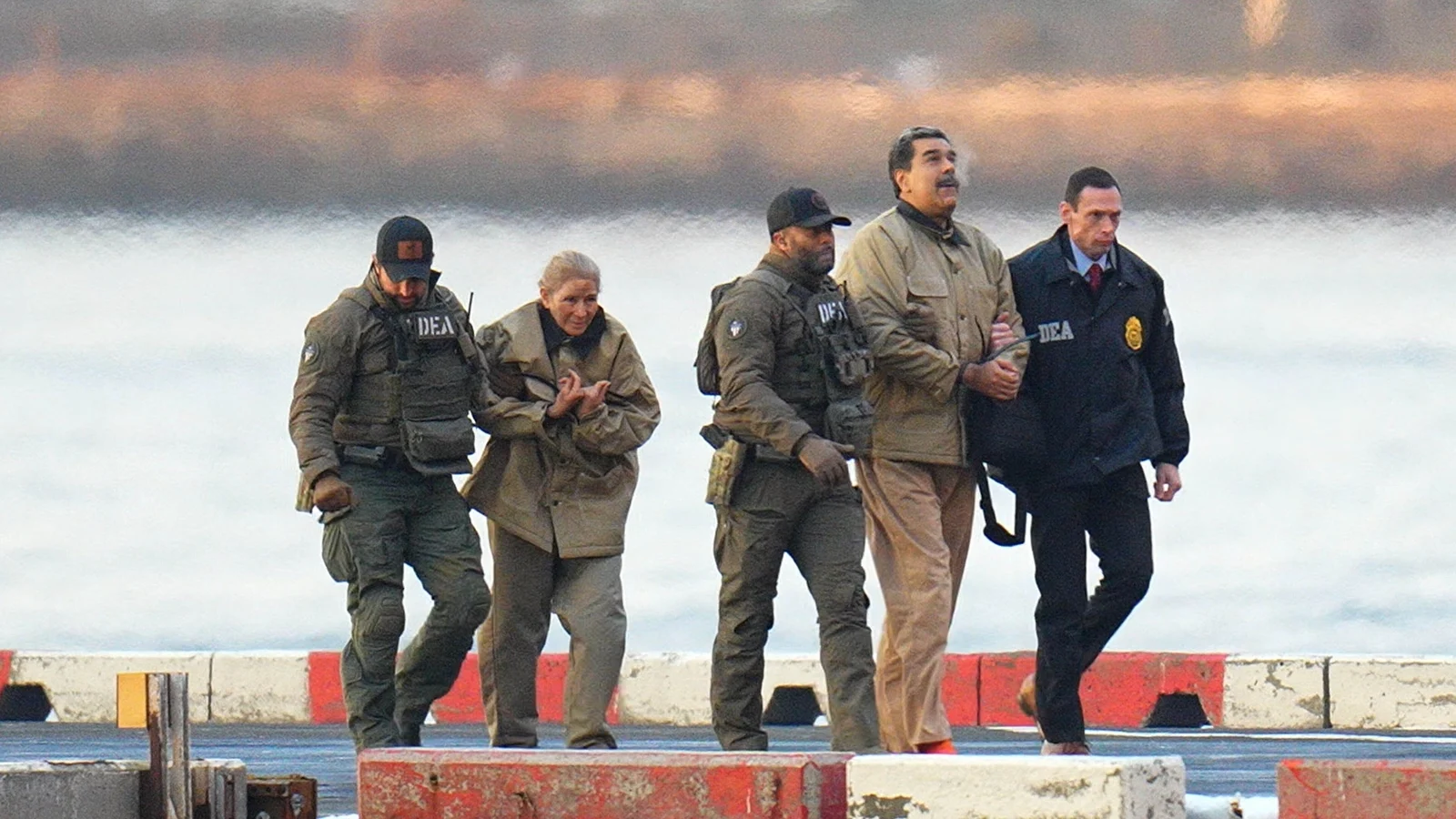
Nicolas Maduro Returns to a Manhattan Courtroom: Where Law, Politics and Oil Meet
The scene is almost cinematic: a gray Manhattan morning, courthouse marble cooler than the hum of distant traffic, and a man whose name roils headlines around the world stepped into the ring of American justice. Nicolas Maduro, the ousted president of Venezuela, along with his wife Cilia Flores, will stand before a federal judge in Manhattan in a case that reads like a geopolitical thriller — drug trafficking and narcoterrorism charges, questions of diplomatic recognition, and an argument over who should pay for their defense.
It’s not just a legal matter. The case feels like a map of modern power — the United States’ decades-long struggle to curb illicit drug flows, the contested legitimacy of governments, and the shadow of oil wealth that has long defined Venezuela’s place on the world stage. The couple’s detention in Brooklyn’s Metropolitan Detention Center after a dramatic US special forces operation in Caracas on 3 January has thrust all of that into stark relief.
The Courtroom Drama
Legal battles often turn on arcane procedural details. Here, the headline snag is the Sixth Amendment — the constitutional right to counsel. Maduro and Flores say they cannot afford the lawyers of their choosing because US sanctions block the Venezuelan state from transferring funds to pay their defense fees. They have asked US District Judge Alvin Hellerstein to dismiss the indictment on that ground.
“Under Venezuelan law and longstanding custom, the expenses of the president and first lady are borne by the state,” said a lawyer representing the couple in court filings. “To deny that funding is to deny them a fair chance to be represented by counsel of their choice.”
Prosecutors are blunt. They point to the fact that Washington has not recognized Maduro as Venezuela’s legitimate president since 2019, and therefore the United States cannot simply allow Venezuelan government funds to flow here for legal expenses. “If defendants cannot afford counsel, the federal system provides public defenders,” a Justice Department attorney told the court in a terse filing. “Recognition decisions have real consequences.”
Barry Pollack — a high-profile lawyer who once defended WikiLeaks founder Julian Assange and who is representing Maduro — has told the court he may withdraw unless Judge Hellerstein dismisses the charges or Venezuela is allowed to pay his fees. “I cannot ethically continue to represent clients who cannot pay and for whom the source of funding is illegal under our own statutes,” Pollack said outside court, his tone equal parts legalism and weariness.
Charges, Precedents, and the Weight of a Word: Narcoterrorism
Maduro faces four felony counts, including narcoterrorism conspiracy — a charge that criminalizes trafficking when proceeds are alleged to fund activities the United States deems terrorist. It is a rarely litigated statute; past attempts to secure convictions under similar theories have sometimes unraveled on witness credibility and evidentiary grounds.
A Reuters analysis of related cases found that, in instances where narcoterrorism allegations were central, two of three convictions were later overturned on appeal — a reminder that even when the law is invoked, the path to a durable conviction is far from certain.
Voices from Two Cities
In Caracas, the tone is a layered blend of disbelief and weary defiance. “We were cooking arepas when we heard,” laughed Marta, a vendor near Plaza Bolívar, fingers still dusted with cornmeal. “Some people say it’s an imperial plot, others say there is truth to the charges. But either way, life continues — the children need schoolbooks, the buses need fuel.”
Back in Brooklyn, a resident who walks past the detention center daily summed up a different set of emotions. “You see people come and go — lawyers, family members, translators,” he said. “It strikes you that justice here is very procedural… but also very human. There’s fear, there’s anger, there’s boredom. That’s true whether you’re accused in Queens or Caracas.”
Legal scholars watch with a mix of fascination and alarm. Dr. Elena Rodriguez, an expert in international criminal law, said, “This case tests the boundaries between foreign policy and criminal procedure. When recognition decisions intersect with criminal indictments, courts become inadvertent theaters for diplomacy.”
Local Color and Global Currents
To understand why this case matters, you have to know a little about Venezuela’s DNA. Once among the richest nations in Latin America thanks to its vast oil reserves — estimates commonly place its proven reserves at well over 300 billion barrels, the largest in the world — the country has endured a decade-plus of political turmoil, economic collapse and mass migration. More than 7 million Venezuelans now live abroad, according to UN estimates, a diaspora that has reshaped the politics of the region.
Sanctions imposed by the United States during the Trump administration — and maintained in various forms since — were aimed at crippling networks of corruption and pressuring Maduro from power. Washington declared Maduro’s 2018 re-election fraudulent, and in the years since, the diplomatic chessboard has been complex, with rival factions, quota-driven oil politics at OPEC, and regional actors all coaxing different outcomes.
Maduro has always framed accusations — especially those tying him to narcotics trafficking — as pretexts for seizure of Venezuela’s oil riches. “This is about control of our resources,” he said in a video address before his capture, his voice resonant with the rhetoric of sovereignty. “They want our oil, and they will use every lie to get it.”
Why You Should Care
Beyond the personalities and the courtroom theatrics, the case raises weighty questions: When a state’s recognition is withdrawn, what protections remain for its leaders under foreign legal systems? How do international sanctions interact with fundamental rights like counsel? And when allegations of narcotics-fueled violence cross borders, what is the balance between accountability and geopolitical maneuvering?
These are not abstract queries. Around the world, courts and capitals are grappling with similar dilemmas — from how to treat deposed leaders to how to police illicit financial flows that fund instability. The legal texture here could set precedents for how democracies and autocracies alike handle transnational accusations in an age of polarized diplomacy.
What Happens Next?
Judge Hellerstein will have to decide whether the sanctions regime creates an unconstitutional barrier to defence for the accused — a question that could reverberate far beyond this case. Meanwhile, the political chess pieces continue to shift. Delcy Rodriguez, who has acted as interim president in Maduro’s absence, has been part of a broader recalibration of Venezuelan-US relations since the capture, an adjustment that adds a diplomatic layer to the courtroom drama.
So, what does justice look like when law, politics and national sovereignty are braided together? Will this be a prosecution that clarifies the law, or one that deepens the fog? For the people of Caracas selling arepas and for the people of Brooklyn walking past the jail, the answers will shape more than headlines — they will shape how communities across the hemisphere understand fairness, accountability and power.
As you read this, consider: should political recognition determine legal rights? And when powerful nations pursue criminal charges against foreign leaders, who watches the watchers?