When a Rulebook Is Erased: America, Climate Science, and a Moment of Reckoning
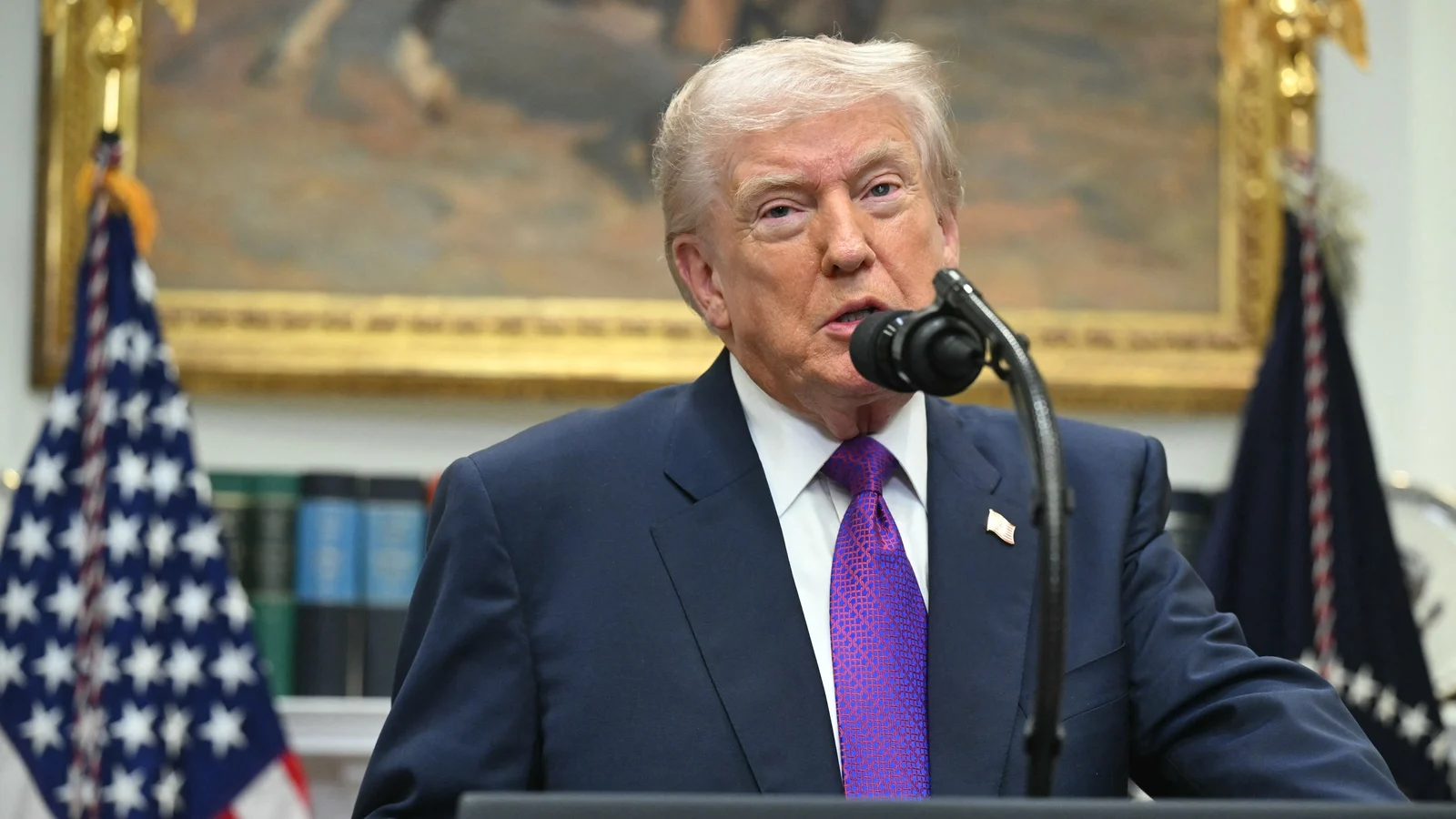
On a sun-slashed morning in Washington, a small crew of officials and cameras gathered outside a federal building while the air in much of the country felt anything but ordinary. The U.S. Environmental Protection Agency announced what many climate scientists and regulatory lawyers call the linchpin of American climate policy would be torn from the rulebook: the legal finding that greenhouse gases endanger public health and welfare.
This was not a dry bureaucratic tweak. It was a symbolic and practical unmooring. For more than a decade, that finding — a brief but powerful legal determination first adopted in 2009 — undergirded the federal government’s ability to limit carbon dioxide, methane and other heat-trapping pollutants from cars, power plants and industry. Remove it, and you remove the anchor for a raft of national protections.
What the Change Actually Does
Put simply: the repeal strips the federal government of a clear statutory basis to require industry-wide reductions in greenhouse gas emissions. The announcement also came with a declaration that existing vehicle emissions standards stretching across model years would be scrapped — a move that regulators said will save taxpayers vast sums on paper, even as opponents warn it will cost communities far more in the long run.
According to the EPA’s own summary, transportation and power generation each account for roughly a quarter of U.S. greenhouse gas emissions. Those are sectors that touch almost every American’s daily life: the commute, the refrigerator, the hospital lights, the summer air conditioner that kicks in on sweltering days.
Voices from the Ground: People Who Will Feel It
Drive through Detroit and you’ll see both the pride of auto-industry tradition and the unease of workers watching policy change like a weather front. “We build cars here,” said Rosa Alvarez, a 42-year-old assembly-line worker who’s spent two decades at a plant making sedans and trucks. “Folks worry about jobs, sure. But we also want cars that sell. Buyers are choosing cleaner models now. This feels like a bet against where the market is going.”
Out in the Midwest, farmers watching the calendar shift with more intense rain and longer droughts see this as more than a policy dispute. “We aren’t arguing science in the feedlot,” said Tom Harlan, who farms corn and soybeans in Iowa. “When spring storms wash soil into the river and the insurance premiums climb, that’s a fact. Policy that makes extremes harder is policy that makes life costlier for people like me.”
And then there’s the 28-year-old who recently purchased an electric vehicle in California. “I bought the car because incentives and better standards made it affordable,” she said. “If those incentives vanish, it’s not just prices — it’s trust.”
What Legal Experts See: A Door Left Ajar for Litigation
Beyond politics and pocketbooks, lawyers are busy reading ink. The endangerment finding did more than enable rulemaking; it re-routed lawsuits away from the courts and toward the EPA by making clear Congress’ tool — the Clean Air Act — could be used to regulate greenhouse gases.
“Take that foundation away, and you create a patchwork of uncertainty,” said Professor Alan Whitmore, an environmental law specialist. “We could see an uptick in nuisance suits, or state-by-state battles that are costly and slow. That invites years of litigation while emissions continue rising.”
Some in industry cheer the rollback, arguing regulatory relief will lower costs for manufacturers and consumers. Yet a number of trade groups have been publicly cautious — supportive of easing strict vehicle rules but wary of erasing the endangerment finding itself because of the legal chaos it could unleash.
Costs vs. Claims: Counting the Toll
The EPA framed the repeal as a windfall, estimating savings on the order of trillions of dollars by removing both the finding and the federal vehicle standards. Environmental groups and independent economists counter that the math is incomplete. They point to increased storm damage, rising health care costs from air pollution, and growing insurance premiums tied to climate-driven disasters.
“When you break down the ledger, the societal costs of more pollution almost always outweigh the regulatory savings,” said Dr. Miriam Okoye, a public health researcher. “We’re going to see more asthma, more heat-related illness, more flooding. Those are bills someone has to pay.”
Global Ripples: How This Plays on the World Stage
In Istanbul, where diplomats and climate specialists were preparing for the next UN climate conference, global voices described the move as a setback for international cooperation. UN climate officials have warned that international collaboration—already strained by geopolitical tensions—relies on major emitters showing up to the table with commitments and domestic tools to meet them.
“When big emitters unpick their own rules, it undermines trust and makes global progress harder,” observed Leyla Hakan, an organizer working with the COP planning team in Turkey. “Cooperation isn’t an ideal; it’s a pragmatic pathway to cheaper, cleaner energy and more stable economies.”
Indeed, the world is already shifting. Investment flows tell a story: global investment in renewables in recent years has outpaced fossil fuel investment, and renewable electricity generation overtook coal in the global mix—signals that markets, not just policy, are tilting toward cleaner sources.
So What Now? Choices, Consequences, and a Question for Citizens
Policy reversals like this are rarely permanent. Future administrations can re-establish findings and standards, but doing so requires political capital and legal steps that take time. The result could be policy whiplash: waves of regulation and deregulatory churn that complicate business planning and public expectations alike.
So, here’s the question for readers around the world: do we want climate policy to be treated as a pendulum, tugged by every new administration, or as a stable scaffold that businesses, communities, and nations can build around?
Some will say the market will solve it—customers will keep buying electric vehicles, investors will pour into renewables because they’re cheaper over the lifetime of a project. Others argue that without clear rules, progress slows, inequality widens, and the most vulnerable pay first and worst.
What You Can Watch For
- State-level actions: Many states may step in with their own standards and regulations.
- Legal challenges: Expect lawsuits that test whether removing the finding is lawful and what it means for greenhouse gas regulation.
- Market signals: Auto manufacturers and energy investors will reveal whether they pivot away from or press toward clean technologies.
Parting Thought
Policy is not just slabs of text on paper. It is the scaffolding that shapes economies, the quiet architecture behind the cars we drive and the air our children breathe. Erasing a finding changes that architecture. It is a choice about the distribution of risk—who bears the costs of storms, who benefits from short-term profits, who decides how quickly we move to cleaner energy systems.
There are no simple answers. But there is a choice to be made, and like every choice, it will be judged in the ledger of lives and livelihoods to come. How will you hold your leaders to account for it?