Home Blog Page 271

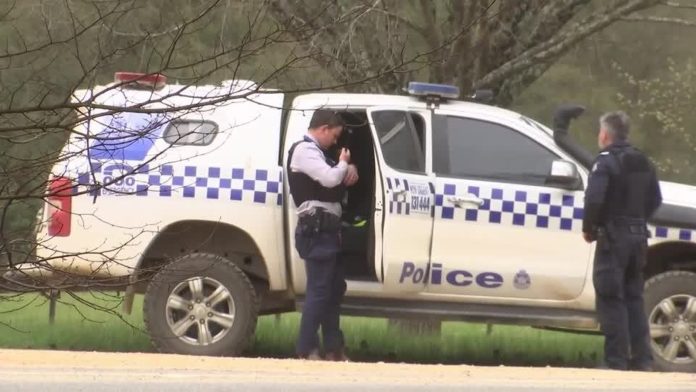
Two law enforcement officers fatally shot in countryside Australia

Two police officers killed in rural Australia shooting
The incident took place in Porepunkah, a rural area of Victoria state

A Quiet Town Shattered: The Tragic Loss of Two Police Officers in Porepunkah, Australia

On an otherwise serene morning in the eastern Australian hamlet of Porepunkah, shockwaves rippled through this tranquil rural community as news broke of a chilling tragedy: two police officers were fatally shot, and another wounded, in what authorities describe as a harrowing and swift ambush at a countryside property. The assailant remains on the loose, fueling an intense manhunt that has gripped local residents and law enforcement alike.

The Incident: A Violent Moment in the Australian Bush

It was just past dawn when ten officers arrived at a property northeast of Victoria’s popular Alpine region, carrying out a search warrant. But what was meant to be a routine operation erupted into violence that would leave the community reeling. According to Victoria Police Chief Commissioner Mike Bush, the entire encounter “lasted minutes” before it turned deadly.

“They were met by the offender and they were murdered in cold blood,” Mr. Bush solemnly confirmed at a tense news conference, his voice heavy with grief. The two officers killed were a 59-year-old detective and a 35-year-old senior constable, dedicated public servants whose lives were cut tragically short. A third detective was critically injured but is currently undergoing surgery with injuries described as “not life threatening.”

The suspect, described as heavily armed and dangerous, managed a daring escape into the surrounding bushland. Despite police pursuit, he evaded capture, fleeing in a car. Disturbingly, it appears he left behind his partner and their two children—who remain missing and unaccounted for.

The Hunt for a Dangerous Man

Since the shooting, Victoria Police have mobilized an arsenal of specialist resources to locate the fugitive. The gravity of the situation is underscored by the fact that police fatalities in Australia are distressingly uncommon—a testament to the country’s stringent gun control laws enacted after the 1996 Port Arthur massacre.

“This is a deeply frightening event for our community, and the fact that someone so heavily armed could act with such violent intent shakes us to our core,” commented Deputy Inspector Sarah Blake, a criminologist based in Melbourne. “The escape of the suspect into dense bushland complicates the search but also raises serious concerns about public safety beyond Porepunkah.”

Echoes of Trauma in a Close-Knit Community

Porepunkah, a town known for its scenic vistas and tight-knit spirit, has suddenly found itself thrust under an unrelenting spotlight of grief and fear. Alpine Shire Mayor Sarah Nicholas spoke with heartfelt sorrow in a social media video, her voice trembling as she addressed the broader community:

“Today is a day of deep sorrow and shock for all of us. We are grieving together, and we will continue to support one another with compassion and care. Our hearts go out to the families and colleagues of the fallen officers.”

The incident has sent ripples through everyday life—with schools locking down and children kept indoors, their innocence momentarily overshadowed by the threat near their doorstep. “To our wonderful teachers,” the Mayor added, “thank you for being a steady and calming presence for our children during today’s lockdowns. Your kindness and reassurance have made a world of difference.”

Emily White, manager of a local caravan park, described the palpable fear creeping into the community. “It’s really terrifying that this could happen here. Porepunkah has always been a place where you felt safe, where neighbors looked out for each other. To see this violence… it’s hard to take in.”

Wider Reflections: Australia’s Enduring Battle with Gun Violence

The Porepunkah shooting tragically reminds us that even countries with some of the world’s strictest gun laws are not immune to deadly violence. Australia’s quiet resilience following the sweeping reforms after the Port Arthur massacre, which banned automatic and semi-automatic weapons, stands as a global example of successful gun control policies. Since then, police fatalities from shootings have been extremely rare.

Yet, this latest event provokes unsettling questions. Are there cracks in the system? How can heavily armed individuals still slip through the cracks and threaten small communities? What is the emotional toll on the law enforcement officers who face such dangers, and their families who live with the constant worry?

Dr. Maxine Harper, a sociologist specializing in rural community safety, notes, “The isolation of rural areas combined with limited mental health resources and access to firearms—even illegal ones—can create volatile situations. We need to address these intersections with compassion, funding, and preventive strategies.”

Behind the Badge: The Human Faces of Service and Sacrifice

In the wake of this tragedy, the stories of the officers who lost their lives echo loudly. Colleagues describe them as dedicated professionals with a genuine love for serving their community—a sentiment echoed by Detective Inspector James Lee, a close friend of one of the slain officers.

“He cared deeply. Every time we went out on patrol, he talked about the people he wanted to protect and the kind of community he hoped to help build. His loss is not just a professional one; it’s deeply personal.”

The wounded officer, currently fighting through surgery, symbolizes the bravery first responders embody every day. Ambulance Victoria released a statement emphasizing support for paramedics and first responders affected by the trauma.

“We stand united in shock and sadness after today’s tragic incident in Porepunkah. We are wrapping our arms around our own at this time and ensuring that those who attended the scene receive the care they need.”

A Community United, Yet Shattered

As Porepunkah mourns, its residents gather strength in unity—holding vigils, opening doors for one another, and supporting the families of the fallen. Local councils have shuttered facilities, schools remain cautious, and public safety operations are intensified.

The manhunt continues, but the broader fight is for healing, justice, and a return to the sense of security now shaken to its core. It’s a powerful reminder that beneath every headline is a community of people grappling with grief, and a collective hope that justice will restore peace.

What Can We Learn From This?

As you read this, perhaps miles or continents away, I invite you to pause and reflect: How do communities—big or small—confront the trauma when peace is shattered? What does it mean to serve and protect in places we believe are safe? And how can the world better safeguard those who risk their lives every day to protect others?

For now, Porepunkah’s sorrowful morning marks a solemn chapter in Australia’s ongoing story—a story of resilience, tragedy, and the relentless pursuit of justice.

If you have the chance, reach out to local law enforcement around you. Valuing their safety honors the sacrifice of those who have fallen and those who continue to stand watch over us all.
Doctor says journalists killed in Gaza were intentionally targeted

Journalists killed in Gaza deliberately targeted - doctor
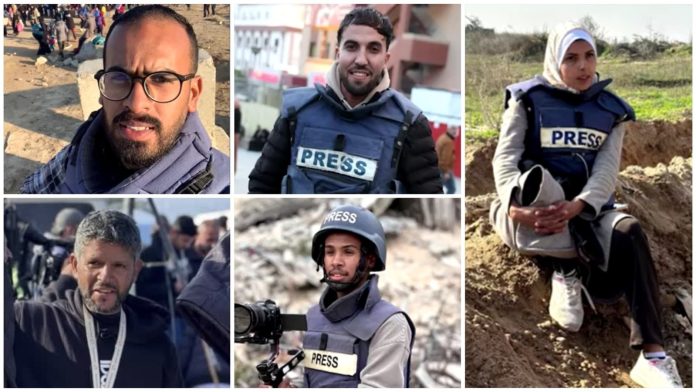
Five journalists were killed in Gaza yesterday (bottom left) Hussam Al-Masri and Mohammed Salama, (top left) Ahmed Abu Aziz and Moaz Abu Taha, (far right) Mariam Abu Dagga

Under the Rubble: The Tragic Toll of a Gaza Hospital Strike and the Silent Sacrifice of Journalists

In the heart of Gaza, where conflict is a daily shadow, a hospital—meant to be a sanctuary—became a pulverized reminder of war’s cruel precision. Nasser Hospital, a beacon of care amid devastation, was struck by Israeli air strikes, leaving at least 20 dead, including five courageous journalists who paid the ultimate price to remind the world of a harsh reality. Their deaths have rippled far beyond the rubble, igniting profound questions about the very nature of conflict, media safety, and human dignity.

The Doctors Who Witnessed Horror

Dr. Ahmed Al Farra, head of the Paediatric and Maternity Department at Nasser Hospital, stood amid the chaos, his voice heavy with disbelief. “What happened was unbelievable,” he told me during a quiet moment of reflection. “These attackers—they know who is where. They knew the journalists were there, working to help, to evacuate. This was no mistake. It was intentional.”

His words cut deeper than any bomb blast. In a place riddled with conflict, targeting a hospital—already a red line under international law—is an act of brutal defiance. And when that attack kills journalists, people who hold power to account and shed light on suffering, the implications become chillingly clear.

“This isn’t sporadic,” Dr. Al Farra added. “It’s planned execution.”

Names etching a legacy

The five journalists killed were more than names boxed in an obituary. They were Mariam Abu Dagga, a freelance journalist for the Associated Press who had recently written her final letter to her 11-year-old son. “She told him not to cry, said she was proud,” shared Mohamed Moaward, Managing Director of Al Jazeera. Then there was Mohammad Salama, the Al Jazeera photojournalist who died rushing to save a colleague struck down while live streaming the attack.

Moaward’s voice cracked as he remembered Salama, “He wasn’t just a cameraman. He was a human being whose first instinct was to protect others—even in the face of mortal danger. He died as he lived: with courage and compassion. He was only two days away from his wedding.”

Journalists: The Brave Witnesses of Gaza

Journalism in Gaza isn’t a profession; it’s a perilous calling. These reporters and photographers traverse the perilous battlefield wielding cameras instead of weapons, their mission to amplify the silent screams. Despite relentless danger, local journalists continue documenting every moment of suffering and resilience, pushing back against the clamor of misinformation and propaganda.

“The loss of these journalists is felt deeply,” Moaward admitted. “Six months ago, fewer than 20 had been killed in this conflict. Now, we’ve surpassed 240 journalists worldwide since the war escalated. It’s a staggering number.”

He emphasized that the press convoy sought safety near the hospital, knowing it was a place of refuge, not a target. “To strike a press convoy in a hospital compound—it’s beyond tragic. It sends a message: that even safe spaces cannot be trusted. How are we supposed to keep telling this story when the storytellers themselves are silenced?”

A call for justice and accountability

Amid grief and anger, the call grows louder for an independent investigation. “We demand accountability,” Moaward insists. “The killings of journalists cannot be brushed aside as collateral. There must be consequences, internationally. The world must see these acts for what they are—a deliberate assault on truth.”

Local voices echo this urgency. “How long are we to remain silent when our protectors, our healers, and our truth bearers are hunted?” pondered Noor, a Gaza resident who attended a candlelight vigil outside the hospital.

Cultural Resonance in a Land of Resilience

Gaza’s history is steeped in resilience, from its olive groves to its vibrant markets. Within this mosaic of life under siege, journalists like Mariam Abu Dagga carved a space for truth. She was known for her unwavering spirit against intimidation, often risking her safety to document the lives of ordinary Palestinians.

Her colleagues remember her as a “voice for the voiceless,” a shining example of fearless coverage amidst the noise of war. Mariam’s last will, which she shared just days before the strike, was a testament to her bravery and love for her family. “She wanted to be remembered not just as a journalist who took risks but as someone who refused to back down despite everything,” Moaward said.

Global Implications: A Warning from Gaza’s Rubble

As we digest these events, the world must grapple with stark questions. What does it say about the protection of journalists in conflict zones when even hospitals are no longer safe? How do we uphold international laws that are meant to shield civilians and the press?

More than a local tragedy, the Nasser Hospital strike embodies a troubling global pattern: the erosion of boundaries in warfare, where civilians and journalists become targets rather than protected witnesses. The consequences transcend Gaza—touching every corner of the globe where truth is under siege.

What responsibility do international institutions bear? Are sanctions and condemnations enough when lives are lost and voices silenced?

The indomitable spirit of storytelling

Despite the rubble and despair, the journalists of Gaza, and those who survive, embody a relentless spirit. They remind us that the need for truth is more urgent than ever. They risk life and limb for the stories that must be told—stories of human suffering, resilience, and hope.

As you read this, imagine the courage it takes to film amid explosions, to listen attentively and report amid chaos, to raise a light in the darkest hour. And then ask yourself, how can the world respond to protect those who risk everything for us to see the truth?

Remembering the Fallen

In the courtyard of Nasser Hospital, the funerals of Hossam Al-Masri, Mohammad Salama, and Mariam Abu Dagga unfolded with sorrow and dignity. Mourners from all walks of life came to pay homage—journalists, doctors, neighbors, and families linked together by grief and admiration.

In their names, in their memory, the quest for accountability intensifies. The story doesn’t end with their deaths; it awakens a global imperative to defend press freedom and human rights in the most dangerous corners of our shared world.

So, dear reader, as you reflect on these lives lost amidst conflict, ask yourself: What price are we willing to accept for truth? How will we ensure those who bring us the stories from the frontlines can do so safely? And how will we honor their sacrifices—not just in words, but in action?

Deni iyo Swan oo Shan qodob uga wada hadlay Boosaaso

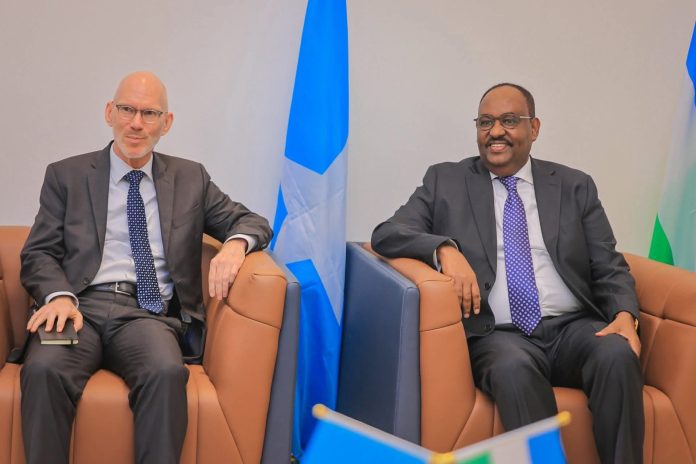
Aug 26 (Jowhar)Madaxweynaha maamulka Puntland Said Abdullahi Deni ayaa maanta qaabilay Ergayga Qaramada Midoobey ee Soomaaliya Ambs. James Swan iyo wafdi uu hoggaaminayo.

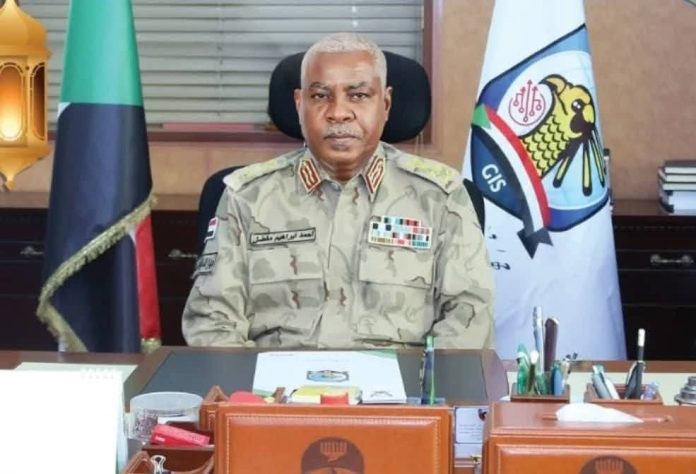
Taliyaha Sirdoonka Sudan oo soo gaaray magaalada Muqdisho

Aug 26 (Jowhar)Taliyaha Hay’adda Sirdoonka Qaranka ee Suudaan, Jeneral Axmed Ibraahim Cali Mufaddal, ayaa soo gaaray Muqdisho isagoo ku yimid diyaarad Dassault Falcon 900 oo ay leedahay Dowladda Suudaan (ST-PSA).

India Issues Flood Warning to Pakistan Due to Heavy Rainfall

India warns Pakistan of flooding amid torrential rain
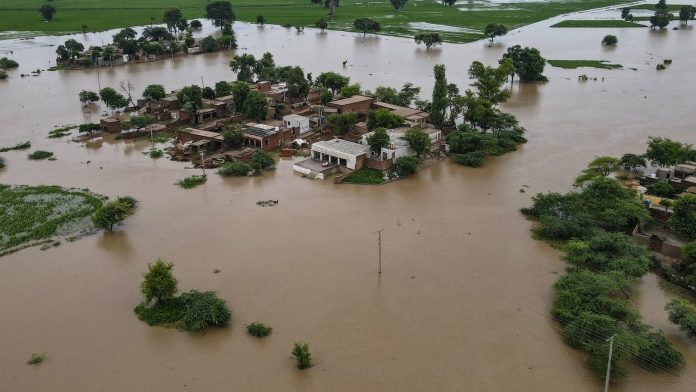
Partially-submerged houses in Kasur, Pakistan

When Rivers Run Through Rivalry: Flood Warnings Rekindle a Fragile Connection Between India and Pakistan

In a region where the flow of water has long been as contentious as territorial lines, a surprising act of shared humanity now shines through the monsoon-drenched tensions: India has issued a warning to Pakistan about potentially devastating floods creeping across their disputed borders.

This gesture, exchanged amid some of the most dangerous floods and political tempests the region has seen in decades, offers a haunting reminder that nature’s forces often transcend human conflicts.

A Surprising Signal Amid Steep Tensions

For more than half a century, the Indus Waters Treaty, brokered in 1960 with the World Bank’s support, has been a lifeline guiding the management of some of South Asia’s most vital rivers.

It splits the precious resource between India and Pakistan—three rivers flow predominantly to Pakistan, three to India. Yet this treaty’s calm waters recently became turbulent. In April, New Delhi effectively suspended the treaty in retaliation for a brutal attack on Indian tourists in Jammu and Kashmir, believed by India to be linked to Pakistan, a claim Islamabad denies emphatically.

To many, the announcement that India’s High Commission in Islamabad had shared warnings about potential flooding with Pakistan’s foreign ministry was startling news. The communication explicitly stated that it was made on “humanitarian grounds” and distinctly separate from the official and now-suspended treaty mechanisms.

“It was unexpected, but absolutely necessary,” confided a Pakistani disaster management official, Mazhar Hussain, from Punjab province. “We rely on such alerts to prepare communities and save lives. This kind of cooperation is what people on the ground need, beyond political disputes.”

The Relentless Monsoon and the Human Cost

For millions living along these transboundary waterways, the monsoon season of 2024 has been miserably relentless. In northern India, floods have claimed at least 60 lives, while in Pakistani Punjab and its northwest territories, nearly 400 have perished. The National Disaster Management Authority of Pakistan reports a staggering total of 799 deaths across the country since the monsoon began late June—and warns of more torrential rain until early September.

In villages in Punjab, Pakistan, where fertile fields usually burst with wheat and rice, farmers now face muddy fields submerged under floodwaters. “We had just harvested some crops last year,” a local farmer lamented, steering his cart through floodwaters. “Everything is lost again. The river does not care about borders or politics.”

Water, Power, and Prestige: The Stakes Beyond the Floods

The warning issued to Pakistan spoke of a looming surge along the Tawi River, which feeds into the Sutlej River before crossing into Pakistani territory. This warning, though non-specific about the scale, carries grave implications. “Heavy rains on the Indian side have swelled dams to capacity,” Hussain explained. “When India releases this water, combined with our own rains, rivers like Sutlej, Ravi, and Chenab could flood the Punjab plains.”

This is no small matter for Pakistan, where agriculture accounts for about 25% of the country’s GDP and employs nearly 40% of the workforce. The Indus Basin irrigation system nourishes 17 million hectares of farmland—making it the backbone of national food security and hydroelectric power supply. Any disruption in river flow could precipitate a domino effect of food shortages, electrical blackouts, and economic upheaval.

Understandably, there is suspicion beneath the surface of this humanitarian alert. Pakistan’s foreign ministry reiterated its call for India to respect the terms of the Indus Waters Treaty, condemning New Delhi’s earlier “unilateral declaration to hold the Treaty in abeyance” as a breach of international law that could destabilize the region further.

Ripples of Hope or a Mirage? Navigating Complex Water Diplomacy

So what do these flood warnings mean in the grand scheme of India-Pakistan relations? Can humanitarian cooperation around natural disasters become a bridge in a dialogue riven with decades of conflict, territorial disputes, and deep mistrust?

Experts who watch South Asia’s water politics paint a cautiously optimistic picture. Dr. Amina Qureshi, a regional water security scholar at Lahore University, reflects, “Water, ironically, might be one of the few forces strong enough to compel these two nations to communicate. When lives are at risk, politics can sometimes give way to pragmatism.”

Her counterpart in India, Ravi Patel, points out, “The tricky part is not just sharing information but institutional trust. With years of erratic diplomatic relations, any goodwill must be nurtured carefully. Flood alerts are a good first step but we need systemic resilience built into these bilateral mechanisms.”

What Can the World Learn from South Asia’s Water Wars?

India and Pakistan’s flood crisis underscores a fundamental challenge in today’s global landscape: the clash and coexistence of natural phenomena with political boundaries. As climate change intensifies and extreme weather events become more frequent worldwide, transboundary water management will grow increasingly critical—and fraught.

Consider the millions across the globe who live along contested rivers and lakes—from the Nile Basin in Africa to the Mekong in Southeast Asia. Their fates may hinge on the same mix of cooperation, distrust, and fragile treaties we witness here.

For many readers wondering how to grasp these entangled realities, here’s a prompt: What would you do if your neighbor’s dam releases torrents that could wipe out your home? Do you see water as a shared treasure, a potential weapon, or both? How can humanity rise above the divisions that separate us to honor the essential flows that connect us all?

The Human Story Beneath the Headlines

Behind every statistic of rainfall, floodwater, or diplomatic communiqué, there are ordinary people living precariously in river valleys. In Jammu and Kashmir, Srinagar’s ancient Wullar Lake swells relentlessly, its waters creeping toward villages whose wooden homes stand on stilts. Residents here speak of the river as a living force—simultaneously giver and taker of life.

“We’ve learned to respect the river’s moods,” said Samina Bhat, a local teacher. “But this year, the river is angry. It washes away not just land, but memories too.”

On the Pakistani side, children wade through flooded fields searching for livestock; elders gather to share stories of past floods and hopes for rains to end. Communities brace for the days ahead, weaving resilience amid uncertainty.

And while borders and politics may dominate headlines, it is these shared human experiences—the shared water, the shared vulnerability—that remind us: Amid conflict, cooperation can still flow.

As the monsoon pours down on South Asia in 2024, the question lingers: Will the rivers that divide also inspire the bridges we so desperately need?

Mareykanka oo soo Gebagabeeyay hawlgalkii ka dhanka ahaa Daacish-ta Soomaaliya

Aug 26 (Jowhar) Warbixin uu soo saaray Taliska Ciidanka Mareykanka ee Afrika (AFRICOM), ayaa lagu sheegay in la soo afjaray howlgal socday muddo toddobaadyo ah isla markaana lagu beegsaday fariisimo iyo aaggag ay ku suganaayeen Daacishta Soomaaliya.

US Screwworm Patient Recovers, Farmers Condemn Lack of Transparency

US confirms first travel-associated human screwworm case
Screwworms are parasitic flies whose females lay eggs in wounds on any warm-blooded animal

A Silent Menace: The New World Screwworm Lands in the US—And Why It Matters to Everyone

The arrival of an uninvited and gruesome guest has sent ripples of concern far beyond Maryland, casting a shadow over the vast ranchlands of America’s beef country and challenging our fragile trust in how information about infectious threats is shared. This is the story of a parasite—small, almost invisible to the naked eye—that can consume flesh and potentially dismantle economies: the New World screwworm.

When Flesh-Eating Parasites Cross Borders

On August 4th, the Centers for Disease Control and Prevention confirmed what many feared but few expected—a human case of the notorious New World screwworm in the United States. The patient, a Maryland resident who had recently traveled abroad, was found to be infected with larvae of this flesh-eating fly, a parasite whose female lays eggs inside wounds on any warm-blooded animal.

What makes this more than a simple medical curiosity is the fact that this case marks the first recorded instance of travel-associated human screwworm infestation on American soil. Luckily, the individual has since recovered, and officials affirm that there is no sign of transmission to others, whether humans or animals. The Maryland Department of Health remained tight-lipped on details about the travel destination and timeline.

Yet, beneath this cautious confidence lurks a tension that is far from resolved.

Understanding the Screwworm Threat

Imagine a fly so insidious that it can devastate not just individuals, but entire livestock industries. The New World screwworm (Cochliomyia hominivorax) is infamous for its larvae feeding voraciously on living tissue—earning it a reputation as a flesh-eating menace. This parasite has been eradicated in the US for decades through aggressive programs, but its slow northward march from Central America and Mexico has set off alarms.

In practical terms, a full-blown screwworm outbreak in the U.S., especially in Texas where cattle ranching thrives, could wreak economic havoc. Experts estimate losses could escalate to $1.8 billion—threatening the livelihoods of ranchers, the stability of food supply chains, and the price of meat worldwide.

“This is a nightmare scenario for agriculture,” says Dr. Ana Martínez, a veterinary parasitologist who has studied screwworm biology extensively. “Once this parasite establishes itself, the damage can spiral quickly. It’s not just about economics; it’s animal welfare, public health, and our interconnected food system.”

Transparency and Trust: A Clash with Public Sentiment

But the screwworm story in Maryland is about more than just biology and economics—it’s a lesson about communication, trust, and transparency amidst a potential health and agricultural crisis. Reuters’ investigative reporting brought the first public attention to the case, revealing that the U.S. government had known about the infection weeks prior yet had delayed public disclosure.

Neal Wilkins, CEO of East Foundation, a conservation and cattle group, voiced frustration over this lag in communication. “It’s irresponsible and tone deaf to keep producers, wildlife managers, and the general public in the dark for nearly three weeks,” he said. “If authorities withhold information, it undermines trust and hampers coordinated efforts to prevent a larger outbreak.”

This sentiment lays bare an urgent predicament: how can farmers protect their herds, communities safeguard their health, and policymakers craft measured, effective responses without timely and transparent information?

Ranchers on Edge

In Texas, ranchers are bracing for impact. The recent tumble in U.S. cattle futures reflects not only market reactions but deep-seated fears. “We’ve been battling drought, market volatility, and now this screwworm threat?” says Miguel Alvarez, a third-generation cattle rancher from San Antonio. “It feels like we’re fighting on all fronts. Without clear information, how can we prepare?”

Alvarez recalls how the agricultural community was once blindsided by pest outbreaks—like the boll weevil that devastated cotton in the early 20th century—and warns that history could repeat if vigilance wanes. “Transparency isn’t a luxury; it’s survival.”

Global Wounds and Local Stories

The screwworm infestation story is a vivid reminder of an increasingly interconnected world where diseases and pests travel with people and goods across borders. It is rooted in a wider ecological and economic pattern—one where climate change, global trade, and human mobility shift disease geography in unpredictable ways.

Central America and Mexico are already grappling with the screwworm’s spread. This has prompted the U.S. Department of Agriculture to suspend cattle imports from Mexico as of July, aiming to stem the risk of further incursions. Yet human cases like Maryland’s reveal how porous such barriers can be.

Despite its small size, the screwworm encapsulates grander challenges:

  • How do national borders stand up against microscopic ecosystems of disease?
  • What systems do we need to detect and counter new biological threats promptly?
  • How do we balance public reassurance with transparency without causing panic?

Voices from the Frontlines

Dr. Elena Rivera, an infectious disease specialist based in Baltimore, offers an additional layer of insight. “Infections like this are rare but not unprecedented,” she explains. “What matters now is vigilant surveillance and education—helping local doctors and communities spot signs early and report them.”

Meanwhile, local Maryland residents express mixed emotions—from concern to cautious relief. “Hearing about a parasite that eats flesh sounds like something out of a horror movie,” says Joshua Bennett, a schoolteacher in Annapolis. “But knowing the patient recovered and no one else was infected, I feel reassured… though I do want clear updates.”

A Call to Reflection for Global Readers

What do we make of this unsettling episode? It’s an opportunity to pause and reflect on how our modern world handles unseen threats. Whether it’s a parasite in a traveler or a virus on a plane, these events compel us to rethink our systems of detection, communication, and cooperation. How connected are we, really? And how prepared are we to act swiftly when nature’s age-old adversaries resurface in new guises?

The New World screwworm may seem like a tiny foe, but its invasion speaks to broader narratives of ecological imbalance, public health, and the power of information. For ranchers, public health officials, and the everyday citizen alike, its story is a stark reminder: vigilance, transparency, and global solidarity are the best defenses we have against the silent threats lurking just beneath the surface.

So the next time you bite into a juicy steak, or hear about a traveler returning from afar, consider the microscopic journeys unfolding around us—complex, intertwined, and urgent. How might your community respond if the screwworm—or its kin—came knocking at your door?

US president expresses desire for another meeting with North Korea’s Kim

US president says he wants to meet N Korea's Kim again
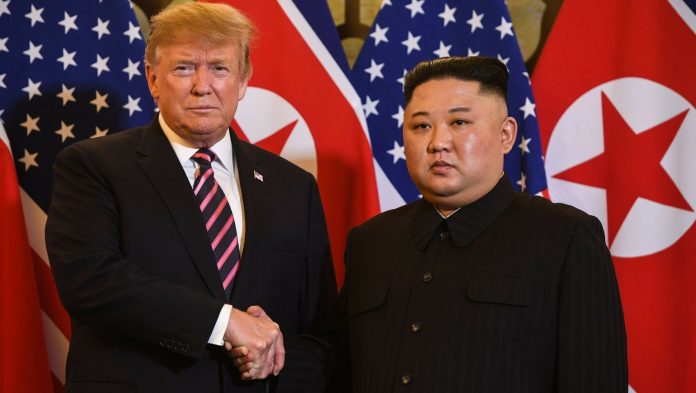
The US leader, who met Kim Jong Un three times in his first term, hailed his relationship with the young totalitarian and said he knew him 'better than anybody, almost, other than his sister'

A High-Stakes Dance on the Korean Peninsula: Trump, Lee, and the Unfolding Drama of Diplomacy

There’s a peculiar rhythm to the delicate geopolitics on the Korean Peninsula—one step forward, two steps sideways, a cautious nod, and a wary glance over the shoulder. In the early days of summer 2024, beneath the gilded chandeliers of the White House’s Oval Office, a new chapter began to write itself. Against the backdrop of fraught history and living tensions, US President Donald Trump welcomed South Korea’s freshly elected leader, Lee Jae-myung, setting the stage for a summit blending old wounds, hopeful promises, and stark realities.

The Meeting of Minds – Or Worlds?

What is remarkable about this rendezvous was not just the crossing of the Pacific but the collision of ideologies and histories. President Lee, a progressive labor rights lawyer-turned-statesman known for his dovish stance, stepped into the White House with a vision that clashed and conversed with Trump’s bombastic style and transactional approach. Yet despite their divergent political DNA, moments of warmth and mutual praise flowed freely.

“Mr. Trump is not just a keeper of peace,” Lee remarked warmly, his voice echoing a certain earnestness common to Korean leaders hoping for stability. “He is a maker of peace.”

Trump, in his typically brash fashion, recounted his own complex rapport with Kim Jong Un—North Korea’s young, enigmatic leader. Reflecting on three summits held in the rollercoaster years of his presidency, Trump claimed to know Kim “better than anybody else, almost other than his own sister.” He voiced hope that new meetings might unfold within the year.

“He was very good with me,” Trump told reporters, recalling the tense, surreal moments of diplomacy when the two leaders broke decades of hostility with handshake gestures on the Korean soil and through televised smiles. “Someday I’ll see him again.”

The ‘Trump Tower’ in Pyongyang Fantasy

Lee injected a moment of surreal levity, joking with a twinkle that one could almost imagine the US and North Korea forging ties so warm that a “Trump Tower” could rise in Pyongyang, where the skyline is as much a monument to isolation as to power. He even quipped about playing golf there—an image that circles the traumatic memories of Cold War brinkmanship and nuclear threats with unlikely warmth.

“Mr. Kim will be waiting for you,” Lee said, drawing attention to a rare moment of North Korean propaganda that praised Trump’s rapport as better than South Korea’s own. It’s almost unthinkable, yet these gestures reveal how deeply intertwined personal dynamics still are with statecraft on the Korean Peninsula.

The Stark Reality: North Korea’s Unyielding Arsenal

Yet beneath the lighthearted banter lurked the harsh, uncompromising realities. Lee warned that despite international sanctions and diplomatic pressure, North Korea is hurtling towards a dangerous new plateau, with its nuclear arsenal rapidly expanding.

“The hard truth,” Lee said during a speech at the Center for Strategic and International Studies, “is that North Korea could soon produce 10 to 20 nuclear weapons annually, alongside missiles capable of striking the continental United States.”

This sobering outlook contrasts sharply with the hopeful veneer of diplomacy. North Korea’s recent actions, such as dispatching thousands of troops to support Russia in Ukraine’s war, signal an emboldened regime empowered by alliances outside the Western orbit. Kim’s regime has doubled down on its nuclear program and stiffened its refusal to denuclearize.

From Conflict to Diplomacy: Lee’s Balancing Act

Lee’s own political ascent followed the impeachment of former President Yoon Suk Yeol, whose hawkish approach made headlines with martial law and tense military posturing. Lee stepped cautiously, toning down aggressive rhetoric—halting loudspeaker broadcasts blasting anti-Kim propaganda and signaling yearning for dialogue. But his challenge is immense: to unlock peace without rewarding impunity, to embrace talks without dismissing threats.

Many in South Korea watch with a mix of hope and anxiety. Park Sung-min, a Seoul-based analyst, notes, “Lee’s approach reflects a generational shift—past presidents fixated on military strength, Lee prioritizes economic engagement and humanitarian concerns. But the North’s nuclear ambition looms like a shadow no policy can ignore.”

The Business of Alliances: Jets, Troops, and Bases

In this high-stakes game of geopolitics, business undercurrents run strong. Korean Air’s announcement during the visit to purchase over 100 aircraft from Boeing underscores how security alliances intricately link to commercial interests. Trump, known for skillfully leveraging diplomacy to boost American industry, pressed for increased compensation from Seoul regarding the 28,500 US troops stationed in the country.

“We spent vast sums to build a fort here,” Trump said, hinting bluntly at reels of maintenance, leases, and military expenses the US shoulders. “I want to see if we can get ownership of the land for our biggest bases, not just a lease.” This proposal sparked déjà vu fears among South Korean progressives, wary of signs the land might slip into American hands permanently, evoking old memories of sovereignty tensions.

The Lingering Scars of History: Comfort Women and Japan

No conversation about Korean peninsula politics would be complete without nodding to history’s painful wounds. Trump did not shy away, raising the sensitive issue of “comfort women”—the tens of thousands of Korean women forced into sexual slavery under Japanese colonial rule from 1910 to 1945.

South Korea’s left-wing communities have long condemned Japan’s handling of the issue, viewing past compensation agreements as insufficient and insincere. Yet Lee’s symbolic visit to Tokyo en route to the White House was hailed by Trump, signaling a nuanced effort at healing deteriorated trilateral ties: a trifecta of hardened histories, economic partnerships, and shared security concerns with the US as mediator.

Looking Beyond the Peninsula: What’s at Stake?

For global readers, what lessons does this unfolding drama hold? The Korea dialogue is never isolated; it reverberates through the corridors of global power, tinged with fears of nuclear proliferation, alliance dynamics between China, Russia, the US, and neighbors. It’s a tinderbox wrapped in decades of division but also a canvas for diplomacy’s enduring dream.

Ask yourself: How do powerful countries balance deterrence with dialogue? When does goodwill become naive appeasement? Is the personalization of diplomacy, as exemplified by Trump and Kim’s curious rapport, a genuine path to peace or an unpredictable gamble?

American scholar Dr. Helen Park reflects: “The Korean Peninsula is a crucible where history, ideology, and personal relationships intersect. Diplomacy here is less a chess game and more a storm of shifting winds. Leaders like Lee and Trump must navigate currents shaped as much by emotion as by strategy.”

As the world watches, we are reminded that peace on the Korean Peninsula—so tantalizingly close and yet so elusive—is a mirror holding up complex truths about power, memory, and the human hopes entwined in diplomacy’s fragile threads.

In This Moment

Here in Washington, with all the pomp and pompous spectacle, a story as old as conflict itself unfolds. It’s a tale of leaders carrying a weight that can tilt the balance from peace to peril. As Lee and Trump shook hands and shared visions of golf courses and Trump Towers in Pyongyang, the real question lies not in the photo ops, but in what they will build beyond words.

Will the Peninsula see a thaw, or will the cold harbor deepen?

Only time—and trust—will tell.

UN Security Council postpones vote on Lebanon peacekeepers

UN Security Council vote on Lebanon peacekeepers delayed
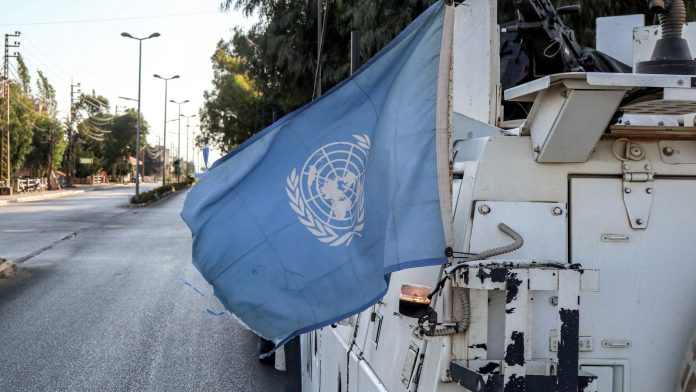
Ireland's participation in UNIFIL dates back to 1978

On the Brink: The Uncertain Future of UN Peacekeepers in Southern Lebanon

For nearly half a century, a distinctive blue light has flickered along the tense border between Lebanon and Israel—a beacon of fragile hope amid decades of conflict through the United Nations Interim Force in Lebanon (UNIFIL). Established in 1978 after the Israeli invasion of southern Lebanon, UNIFIL’s blue helmets and disciplined presence have become synonymous with the tenuous peace and stability in one of the Middle East’s most volatile corridors.

Yet today, this emblem of international peacekeeping finds itself at a crossroads. In the latest diplomatic drama unfolding within the vaulted halls of the United Nations Security Council, the fate of UNIFIL hangs in the balance. Expected votes on renewing the mission’s mandate, originally slated for this week, have been postponed as intense negotiations between global powers stretch on. The stalemate reflects the complex tapestry of regional dynamics and geopolitical interests that continue to bedevil Lebanon and its neighbors.

Between Promise and Peril: What’s at Stake?

UNIFIL is no ordinary peacekeeping force. Comprising approximately 10,800 troops drawn from countries as diverse as Indonesia, India, Italy, Ghana, and Nepal, the mission serves as a neutral buffer along the so-called “Blue Line,” vigilantly watching over a border too often stained by violence. But more than enforcing a ceasefire, UNIFIL has become a vital lifeline, supporting the Lebanese Armed Forces (LAF) as they endeavor to assert sovereignty over southern Lebanon.

Recent developments have intensified the mission’s stakes. Under a truce brokered last year following a brief but fierce war between Israel and Hezbollah, Lebanon has committed to deploying its own army to dismantle Hezbollah’s entrenched militant infrastructure. This move carries seismic implications for regional security—especially considering Hezbollah’s deep ties to Iran and its formidable influence within Lebanese politics and society.

Yet, questions remain: What happens if UNIFIL’s presence is diminished too swiftly or withdrawn prematurely? “Eliminating UNIFIL’s capacity at this juncture would serve no one,” a senior UN official warned, highlighting the precariousness of such a decision. The peacekeepers have already enabled the Lebanese military to deploy over 8,300 troops to more than 120 strategic sites. They provide essential logistics, funding, fuel, and training—support that Lebanon’s army would struggle to sustain alone.

Diplomatic Chessboard: The Political Tug of War

The current diplomatic wrangling is no simple procedural matter. Washington and Tel Aviv—significant Security Council players—have expressed reservations about continuing the mission, advocating for a complete withdrawal by August 31, 2026. According to sources involved in the talks, the United States, wielding its veto power, remains cautious about endorsing the French-drafted compromise intended to extend UNIFIL’s mandate for just another year. The resolution speaks of a planned “withdrawal” with the vision of making the Lebanese government the sole security provider in southern Lebanon, yet missing are guarantees that this scenario is realistic in the near term.

France, recognizing UNIFIL’s critical role, has taken a leadership role in rallying international support to maintain the mission. Tánaiste Simon Harris of Ireland, whose country contributes the largest military contingent—with over 300 of Ireland’s Defence Forces stationed under the blue flags in southern Lebanon—has been proactive in diplomatic outreach. “The renewal of the mandate is essential,” Harris stated emphatically. “UNIFIL has played a vital role in maintaining peace and security in this volatile region. A wind-down would be deeply problematic not just for contributing countries, but more importantly, for Lebanon itself.”

The Human Face of Peacekeeping

To truly grasp what is at stake, one must look beyond headlines and blueprints and into the lived realities of those on the ground. In a crowded, dusty UNIFIL outpost near the Tibnin area of Southern Lebanon, a Ghanaian peacekeeper—Sergeant Kwame Bediako—shared his reflections. “Every day, we are a symbol of hope. When tensions rise, people look to us for stability. Our presence means that bloodshed can be halted, families can sleep a little easier,” he said with a quiet dignity.

Yet this mission is not without its dangers. Recent months have seen a worrying increase in attacks on UNIFIL positions, some allegedly by Israeli forces, resulting in injuries to peacekeepers and damage to facilities. A draft Security Council text condemns these “incidents that affected UNIFIL premises and forces,” though it stops short of naming Israel outright—a diplomatic nod to the sensitivities involved.

Lebanon’s Internal Struggles: A Nation at a Crossroads

Lebanon itself is caught in a maelstrom. Economically devastated, politically fragmented, and socially strained, the country leans on UNIFIL as a pillar of relative calm. The Lebanese cabinet recently tasked the army with crafting a plan to disarm Hezbollah by the end of the year—a bold move in a nation where Hezbollah operates not only as a militia but as a political party and social service provider.

This task is daunting. Hezbollah’s hold on southern Lebanon reflects decades of history, local loyalties, and regional power struggles. Dismantling its military wing is a complex choreography of diplomacy, force, and societal negotiation. The Lebanese army—well-intentioned but under-resourced—requires time and support, not an abrupt mandate expiration that might create a vacuum filled by violence.

Questions For Us All: What Does Peace Mean in a World of Complexity?

In confronting this evolving saga, we might pause to ask: What does “peacekeeping” truly entail in a region fraught with competing narratives and enduring hostilities? Can a multinational force like UNIFIL be the bridge between past scars and future hopes? Or does its presence merely paper over unresolved conflicts, delaying inevitable reckoning?

There are no easy answers. Yet, the unfolding debate at the UN Security Council offers a glimpse into the delicate balancing act that defines modern diplomacy. It also reminds us how intertwined local realities and global interests are in shaping the fate of nations.

A Call to Awareness and Action

As the clock ticks toward the end of August, when UNIFIL’s current mandate expires, the world watches, often from afar, this quiet but critical pivot in Middle Eastern peace efforts. The choices made in New York will ripple far beyond conference rooms, touching the lives of thousands in southern Lebanon who live with uncertainty every day.

So when we scroll past news alerts or headlines about peacekeepers, let us remember the men and women who don the blue helmets, the communities who count on them, and the intricate diplomacy that strives to keep fragile peace alive. Could the future of UNIFIL teach us lessons about resilience, collaboration, and the profound complexities behind every ceasefire?

Only time, and the collective will of the global community, will tell.

Additional reporting by AFP

Minister cautions about major obstacles in international trade

'Significant challenges' in global trade, minister warns

Facing the Future: Ireland’s Bold Bid to Navigate Global Trade Storms

In a world where economic tides are shifting with startling speed, Ireland finds itself at a crossroads, confronted by one of the most complex trading landscapes in decades. The recent levying of a 15% tariff on EU exports by the United States has sent ripples—and for some, waves—through Irish businesses, prompting the government to act swiftly with a comprehensive new strategy. But beyond the numbers and official press releases lies a story of resilience, adaptation, and global ambition.

When Familiar Shores Grow Uncertain

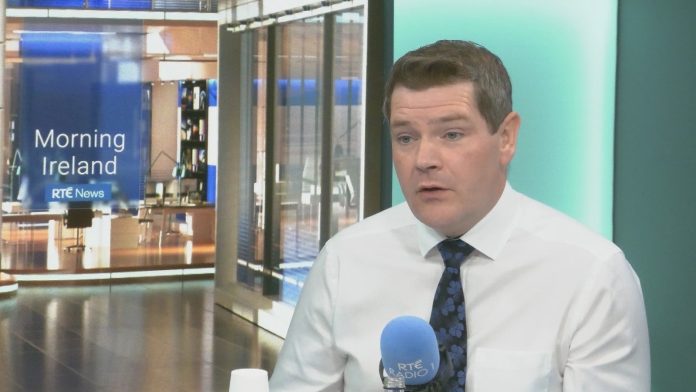
Minister for Enterprise Peter Burke has issued a stark warning about the road ahead: “There are very significant challenges,” he said, referring not just to the US tariffs but to mounting “global trading tensions” that now define the economic horizon. For decades, Irish exporters have leaned heavily on three key markets: the UK, the EU, and the US. But what happens when these reliable lifelines become fraught with uncertainty?

“We’ve always been focused on these big players,” Burke explained in a recent interview on RTÉ’s Morning Ireland, “but it’s not just about maintaining what we have. It’s about finding new pathways, new markets that can sustain and grow our economy into the future—the Asia-Pacific region is one such horizon.”

And with good reason. Asia-Pacific countries collectively represent the fastest-growing consumer markets on the planet, home to a rising middle class hungry for quality goods and services—ambitions that match Ireland’s own drive to diversify and deepen its economic partnerships.

Building a Safety Net with Over 100 Action Points

The government’s newly unveiled Action Plan on Market Diversification reads almost like a playbook for resilience in a destabilized world. Boasting over 100 targeted initiatives, the plan aims not only to ease the impact of American tariffs but to fortify Ireland’s economic backbone against future shocks.

Among the centerpiece commitments:

  • Launching a program designed to support 170 new Irish exporters in tapping fresh markets worldwide.
  • Exploring fast-tracked visa options to attract highly skilled workers to high-demand sectors.
  • Establishing a new air access fund dedicated to securing strategic long-haul flight routes, thereby shrinking global distances vital to trade.
  • Expanding the overseas presence of key state agencies such as IDA Ireland, Bord Bia, and Tourism Ireland.

In particular, the IDA—the agency behind many of Ireland’s foreign direct investments—will reassess its overseas footprint with an eye toward new market opportunities in Canada and a fresh outpost in Seoul, South Korea. Bord Bia, the body responsible for promoting Irish food and drink, looks set to deepen its presence in three major markets, reevaluating where it should grow next. Tourism Ireland, meanwhile, plans to bolster teams in the crucial North American markets, especially the US and Canada, hoping to lure travelers and beckon business alike.

The Numbers Behind the Promise

Behind such ambitious goals, the government isn’t holding back funds. Enterprise Ireland, the country’s key development agency for exporters, now boasts a budget of €3.6 billion, with €600 million of that fresh investment, allocated through the National Development Plan. Crucially, Minister Burke secured an agreement allowing Enterprise Ireland to retain its own resource income—strengthening its capacity to respond dynamically to emerging challenges.

“With an additional €200 million annually funneled directly to Enterprise Ireland,” Burke said, “we have the financial muscle to support businesses in navigating these turbulent waters.”

Support Grounded in Reality

Faced with the unknown variables that tariffs introduce, the government has crafted targeted grants to give companies footholds in exploring and conquering new markets. The “Market Research Grant” offers up to €35,000 to help businesses fully understand how tariffs might hit their operations and where mitigation strategies lie. Meanwhile, the “New Markets Validation Grant” provides up to €150,000 for those ready to pilot new products or enter uncharted territories.

“I run a mid-size food exporter,” shared Aoife Murphy from Cork. “These grants are a lifeline. With the US imposing tariffs, we’ve had to rethink where we market our Irish butter and cheeses. The support isn’t just financial—it’s a sign that the government is serious about protecting and growing our global reach.”

From Dublin to the World: A Unified Front

One particularly innovative idea gaining momentum is the expansion of the ‘Ireland House’ model—a concept that co-locates diplomats and state agencies under one roof in key cities such as New York, Tokyo, and Singapore. This arrangement promotes streamlined collaboration and makes it easier for Irish businesses to tap into government resources abroad.

Plans are afoot to open new Ireland Houses in London, Toronto, Lyon, Milan, and Madrid—strategic hubs that reflect both today’s realities and tomorrow’s potential.

And trade missions—once paused by the pandemic and complicated geopolitics—are being prepped for a grand return. The Taoiseach’s multi-ministerial visit to Canada is slated for 2025, with further expeditions planned globally into 2026 and 2027. Such missions aren’t mere ceremonial tours; they are carefully orchestrated encounters designed to ink contracts, forge partnerships, and spotlight Irish innovation on the world stage.

Global Lessons in a Local Context

What Ireland is experiencing is hardly unique. Around the world, businesses and governments grapple with the tug-of-war between protectionism and globalization, alliances and rivalries. The resurgence of tariffs and trade frictions is a throwback to an era many hoped was behind us.

Yet in this challenge lies an opportunity to rethink, to innovate, and to build economies that are not just bigger, but smarter and more adaptable.

Transport expert Declan O’Sullivan elaborates, “Diversifying markets is no longer an option; it’s a necessity. What Ireland is doing puts it ahead in the game because it’s integrating diplomacy, enterprise, and culture. This holistic approach reflects a deep understanding that trade is about relationships, not just transactions.”

Culture, Identity, and Economics: The Irish Way Forward

At its core, Ireland’s fervor to engage new markets carries cultural undertones. The Irish diaspora—the far-flung yet closely connected families around the globe—provide not just a market, but a bridge between economies, languages, and traditions.

It’s no accident that St Patrick’s Day celebrations now hinge on increased focus on emerging markets. These festivals, steeped in history and joy, double as vital platforms to showcase Irish culture alongside innovation and commerce.

So here’s a question to ponder: In an age where global trade strains under the weight of politics and protectionism, how do small nations like Ireland chart a course that is both authentic to their identity and pragmatic to their futures? What can other countries learn from this blend of courage, culture, and strategic foresight?

Looking Ahead with Open Eyes

The road ahead is anything but certain. Minister Burke himself acknowledged the difficulty of precise forecasting amid tariff volatility. Jobs may be affected, traditional markets challenged, and businesses pushed to the brink.

But Ireland’s vision, worldly in scope yet rooted in the experiences of entrepreneurs and communities, shows a profound readiness to evolve and thrive. It reminds us that when the world shifts beneath our feet, we must find new footholds, discover new directions, and create new stories.

As you read this from wherever you are in the world, consider: How do we respond to upheaval? With fear or with creativity? With retreat or with boldness? Ireland’s Action Plan isn’t just about trade—it’s about hope and human tenacity, a story currently unfolding on the global stage that deserves our watchful and hopeful gaze.

US limits rights settlements for transgender students

U.S. moves to curb settlement agreements safeguarding transgender students’ rights

0
The Quiet Undoing: What the Education Department’s Move Means for Transgender Students On a sunlit playground in Sacramento a few weeks ago, a small cluster...
Artemis crew flies further than humans have gone before

Artemis astronauts reach farthest distance ever traveled by humans

0
When Humankind Stretched a Little Further There are moments that feel like they belong to everyone at once: a sudden hush, a collective intake of...
Australia's most decorated soldier on war crimes charges

Australia’s most decorated veteran charged with alleged war crimes

0
A nation holds its breath: the arrest of Australia’s most decorated soldier The sharp, fluorescent glare of Sydney Airport’s arrivals hall softened into a different...
Israeli military tells people in Iran to avoid trains

Israel’s military warns Iranians to avoid using train services

0
When a Warning Crosses Borders: The Night Phones Told Iranians to Avoid Trains It was a warm evening in Tehran — the kind where the...
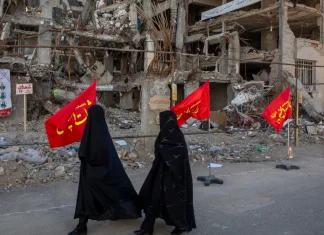
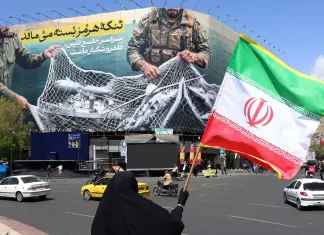
Iran defiant on eve of Trump's ceasefire deadline

Iran Refuses to Back Down as Trump’s Ceasefire Deadline Looms

0
The Midnight Deadline: A Strait, a Threat, and a World Holding Its Breath By the time dawn bled pale over the Persian Gulf, a strange...