

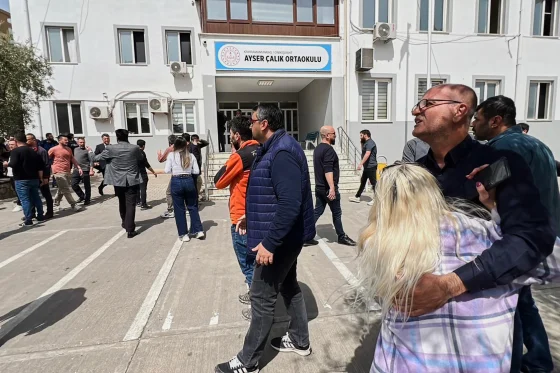
Apr 15(Jowhar)Ugu yaraan 8 arday iyo hal macalin ayaa ku dhintay tiro kalana waa ay ku dhaawacmeen toogasho ka dhacday iskuul ku yaalla koonfurta dalka Turkiga, sida uu sheegay wasiirka arrimaha gudaha Mustafa Cifci.
Dhacdadan ayaa ka dhacday dugsiga sare ee Ayser Calik oo ku yaala deegaanka Kahramanmaras.
Arday toogasho ku diley sagaal ruux dalka Turkiga
Attempted synagogue attack in London prompts police probe
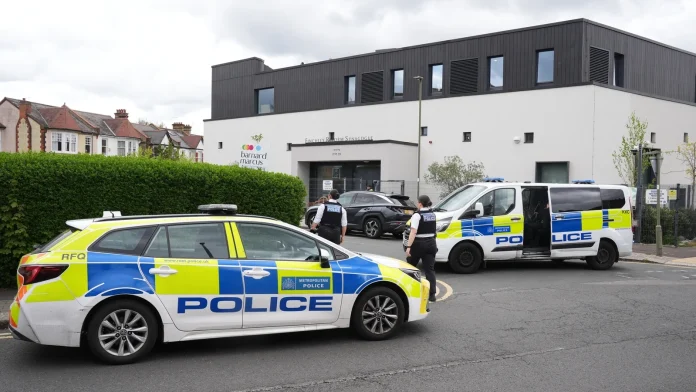
Midnight Fear in Finchley: A Community Jars Awake as Flames Fail to Take
It was the kind of hour when streets soften and the city exhales. In Finchley, a north London neighborhood known for its kosher bakeries, weekday markets and the steady thrum of community life, that nightly quiet was ruptured. Around midnight, two figures in dark clothing and balaclavas approached a synagogue and hurled two bottles that police say were suspected to contain petrol. The petrol never caught. The bottles did.
What remained was a voice on the other end of a 999 call, the taste of adrenaline in people’s mouths and a neighborhood that felt — once again — cradled by fear. The Metropolitan Police described the episode as an “attempted arson attack” and said the incident is being treated as an antisemitic hate crime, with counter-terrorism detectives now assisting the investigation.
What Happened That Night
Details from police briefings have been crisp but grim. Two suspects, masked and intent on destruction, approached the synagogue shortly after midnight and threw two bottles suspected to contain petrol. Fortunately, neither bottle ignited — a small mercy that left the building intact but the community shaken.
“We are treating this as a hate crime,” a Metropolitan Police spokesperson told reporters. “We are pursuing all lines of inquiry and working closely with community partners to reassure those affected.”
A chilling pattern
This is not an isolated moment. The attack in Finchley arrives against a recent, worrying backdrop: an arson attack on ambulances run by the Jewish volunteer charity Hatzola in March, a deadly assault on a synagogue in Manchester on Yom Kippur in October 2025 that left two people dead and several injured, and prosecutions this year of people who plotted murderous attacks or were accused of spying on Jewish communities in London.
- Community Security Trust (CST) recorded 3,700 instances of anti-Jewish hate across the UK last year — a 4% rise on 2024, though still lower than in 2023.
- Two men and a boy were charged over the March ambulance arson that destroyed four Hatzola vehicles.
- In February, two men received life sentences after police foiled an Islamic State-inspired plot to attack a Jewish gathering in Manchester.
- Two Iranians appeared in a London court in March accused of spying on the Jewish community on behalf of Tehran.
How Finchley Is Feeling
Walk down Ballards Lane in daylight and you’ll see the ordinary markers of community life: the kosher butchers, shops advertising Sabbath hours, an elderly man pausing to read the newspaper outside a café. At night, those same streets feel vulnerable. Neighbors speak with a mixture of anger and exhaustion.
“People are scared,” said Miriam Levine, who runs a family bakery adjacent to the synagogue. “I had customers in last night shaking. They kept asking, ‘Is it safe to walk home?’ You don’t expect this in Finchley — but these days you can’t pretend it won’t happen.”
Volunteers from Hatzola — a group that provides free medical transport and emergency response to the area — have been a quiet, steady presence for years. Their ambulances, once torched in March, have become symbols of both service and vulnerability.
“We show up for everyone,” said Aron Katz, a Hatzola crew member. “We treat emergencies, we help mothers in labor, we carry grandparents. When the ambulances were destroyed, people felt the attack was on their lifeline. That sticks with you.”
Voices of Authority and Concern
Community leaders and security experts are urging calm and vigilance in equal measure.
“Our priority is the safety of worshippers and the wider community,” said a senior community security official. “We are liaising closely with police, and increasing patrols around synagogues and community centers. But security alone cannot cure the deeper malaise of hate.”
Dr. Aisha Rahman, a sociologist who studies communal violence and hate crimes, puts the uptick in context. “When international conflicts intensify, they often ripple through diasporas,” she said. “Identity politics, social media echo chambers and a rise in polarized rhetoric create tinder. The recent war in Gaza has coincided with spikes in antisemitic and Islamophobic incidents across Britain, which is sadly predictable from a social dynamics point of view.”
Broader Implications: A Local Scene, A Global Trend
Ask yourself: how does a midnight attack in a London suburb fit into a larger story? The Finchley incident points to two interlocking trends. First, local communities are increasingly targeted in a climate where international conflicts have domestic reverberations. Second, the weaponization of fear — through vandalism, arson, spying, or planned mass-casualty attacks — is eroding everyday trust.
These are not abstract concerns. They reach into daily decisions: will parents allow children to attend youth groups? Will elderly congregants go to services? Will volunteers risk their safety to keep vital services running? The answers to those questions shape civic life.
Security vs Social Cohesion
There is a difficult balance to strike. More police patrols and surveillance can protect people in the short term. But security measures alone do not heal mistrust, counter misinformation or build the inter-community bridges that reduce the likelihood of such attacks in the first place.
“We have to do both,” Dr. Rahman said. “Security is necessary. But so are educational initiatives, cross-community dialogue, and interventions aimed at online radicalization. Otherwise, we simply put a bandage on a wound that bleeds in slow, quiet ways.”
What Next?
As detectives follow leads, Finchley’s residents are doing what communities always do: tending their lives, supporting one another, and looking out for warning signs. We can all watch and ask ourselves what kind of response we want from society at large.
Would you support stepped-up security at houses of worship if it meant less investment in community programs? How should authorities balance civil liberties with protection against hate? These are messy trade-offs with no easy answers — but they are questions worth asking.
In the immediate term, neighbors plan vigils. Community centers have posted extra volunteer shifts. And the bakery that opened early this morning is offering free tea to anyone who needs to talk.
“We will keep coming back,” Miriam said, kneading dough as if it were a kind of prayer. “Fear can make you small, or it can make you stubborn. We choose stubbornness.”
Closing Thoughts
Finchley’s midnight alarm is a reminder that acts of hatred, however small or failed, have outsized effects. They chip away at trust, alter routines and force communities to spend precious energy defending the basic right to exist in peace. As investigators continue their work, the broader challenge remains: how do we build a public life resilient to the shocks of hatred — one that protects people and also fosters understanding?
If you live near a place of worship, consider visiting, donating to interfaith initiatives or simply knocking on a neighbor’s door. These modest, human acts are the often-overlooked counterweight to fear. In the end, safety is not produced by patrols alone; it is crafted by the small, steady choices of people who refuse to let terror define their streets.
IAEA warns North Korea increasing capacity to produce nuclear arms
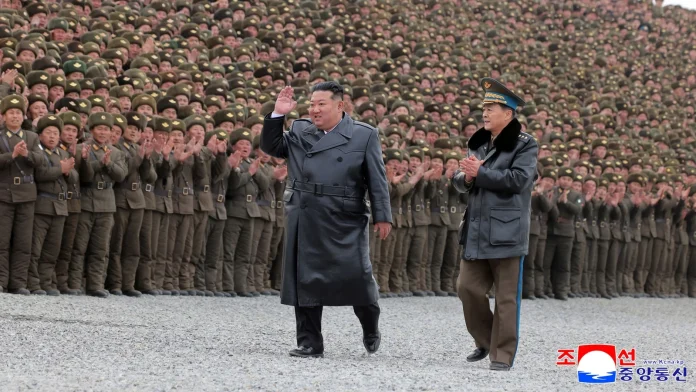
A Quiet Surge: What North Korea’s Latest Moves Really Mean
There is a particular hush that falls over a city when something shifts beneath the surface—like the low groan of a ship’s hull before it slices the waves. That same feeling is creeping through capitals from Seoul to Vienna: North Korea, long the island of stubborn rhetoric and secretive parades, is apparently stepping up the machinery that would let it build more nuclear weapons.
In Seoul this week, Rafael Grossi, director general of the International Atomic Energy Agency, used unusually blunt language. “We have been able to confirm that there’s a rapid increase in the operations,” he told reporters, pointing to activity at the Yongbyon complex and other facilities. The agency’s read is stark: operational increases at reprocessing plants and a light-water reactor, and the activation of other enrichment-related sites. Taken together, Grossi warned, the result is “a very serious increase” in North Korea’s capability to produce warheads—assessed at a few dozen.
Those words are short, clinical—but their implications are not. We’re not talking about rhetoric. We’re talking about industrial-scale work that converts material into weapons. For people living within eyesight of Pyongyang’s skyline, or in the port towns along the Yellow Sea, the changes are something felt rather than argued over.
The Evidence on the Ground
Yongbyon has long been the symbol and the sinew of Pyongyang’s nuclear ambitions: a graphite-moderated reactor, a reprocessing plant to extract plutonium, and in more recent years, a light-water reactor that could expand fuel production. International monitors have tracked activity there for decades—periods of shutdown followed by bursts of work. The reactor that Pyongyang once promised to disable has, according to multiple observers, been restarted again.
“We are seeing renewed heat, steam, and power usage consistent with operations,” an IAEA official said. “It’s not just one site; it’s a pattern.”
South Korea’s intelligence services, for their part, say they believe multiple enrichment facilities are being used—enrichment being the other route to a nuclear warhead, this time producing weapons-grade uranium. Reprocessing and enrichment together create options: plutonium-based warheads, uranium-based warheads, or both. For a regime that has long insisted its deterrent is non-negotiable, multiplying the pathways to a bomb is dangerous math for the wider region.
Missiles at Sea: A Naval Turn
As the reactors and reprocessing plants stir, Pyongyang’s navy is not idle. State media reported that Kim Jong-un personally witnessed tests of strategic cruise missiles and anti-ship missiles launched from the destroyer Choe Hyon. Two strategic cruise missiles reportedly flew for just over two hours; anti-ship missiles were said to have flown for 33 minutes. A photograph released by state media captures an initial stage of launch—an orange plume against a steel-blue sky.
It’s a reminder that North Korea’s military modernization is not confined to one domain. Over the past year the country has launched two indigenously built 5,000-ton destroyers and is said to be plotting Nos. 3 and 4. Kim’s reported comment—that strengthening the nuclear deterrent remains the regime’s “most important priority task”—ties together the land, sea and arsenal ambitions into a single narrative of self-preservation and power projection.
Voices in the Shadow of the Tests
What do ordinary people say when you ask? The voices you hear are often cautious, sometimes fearful, and frequently laced with resigned pride.
“We’ve always lived with the rhetoric,” a small-business owner in Incheon told me on a rainy afternoon, prefacing her words with a sigh. “But this feels different—more real. My brother calls his sons and tells them to pay attention to the news. Families are talking.”
A fisherman on the Yellow Sea, who asked not to be named, described the missile photos they see on state-run television: “It looks like fireworks at first, but then you remember what they say those fireworks can do. People here respect strength—but they don’t want to see the world close in around us.”
Experts, too, are talking in darker tones. A non-proliferation analyst who follows the peninsula for a European think tank noted: “When a country increases both its fissile material production and its delivery platforms, the strategic calculus changes. The window for diplomacy narrows and the margin for error shrinks.”
Numbers, History, and Sanctions
Context matters. North Korea’s first nuclear test came in 2006; since then, the United Nations Security Council has imposed an array of sanctions aimed at curbing finance, trade, and technical assistance. Despite that pressure, the country continued to advance its programs—tests, satellite launches, missile firings. The Yongbyon site, once partially shuttered as part of past diplomatic talks, was reactivated in 2021. Since then, monitoring agencies have watched with increasing concern.
The IAEA’s “few dozen” estimate dovetails with assessments from multiple intelligence communities and think tanks that suggest Pyongyang could have tens of warheads already—enough, if integrated onto reliable delivery systems, to alter deterrence calculations across Asia and beyond. But numbers only tell part of the story. The speed of production, the variety of pathways, and the regime’s willingness to test and flaunt capabilities are what keep so many capitals awake at night.
Why the World Should Care
Why does this matter beyond the immediate neighborhood? Because nuclear proliferation is not a local puzzle—it is a global condition that affects treaties, alliances, and the architecture of deterrence. When one state visibly ramps up production, neighbors reassess their own strategies; alliances tighten, military budgets swell, and regional tensions mount.
There are also the messy, opaque threads between nations. Reports of military exchanges—munitions and possibly technologies moving between Pyongyang and other actors—have prompted questions about reciprocal arrangements. “If weapons or expertise flow between isolated states, you get a multiplication effect,” an arms-control scholar warned. “It’s not just one country’s capability you’re worrying about.”
And there is the human dimension. The state that celebrates missile parades is the same state that manages chronic food shortages, has limited internet access for its citizens, and leverages external tensions to preserve internal cohesion. These policies’ human costs are profound yet often absent from strategic conversations.
Choices and Consequences
So what comes next? Sanctions will likely be tightened rhetorically; diplomatic channels will be probed for signs of leverage; military readiness in South Korea and Japan will be recalibrated. All of this carries risk. Each action can harden stances, making dialogue more difficult. Each pause can be read as weakness or as opportunity.
As a global audience, what should we ask ourselves? Do we accept a future where capability begets capability, where nuclear thresholds are normalized? Or do we demand imaginative, sustained diplomacy that ties legitimate security concerns to verifiable steps, even as trust remains evasive?
In the end, the story unfolding on the Korean Peninsula is both immediate and existential: immediate in its potential to rattle a region and existential in what it says about the fragile architecture of global non‑proliferation. The images of missiles against the sky and the hum of reactors at Yongbyon are more than news items; they are a challenge. How we respond—collectively, patiently, and wisely—will shape not just Korean lives but the contours of security for years to come.
UN officials warn Sudan has become an abandoned humanitarian crisis
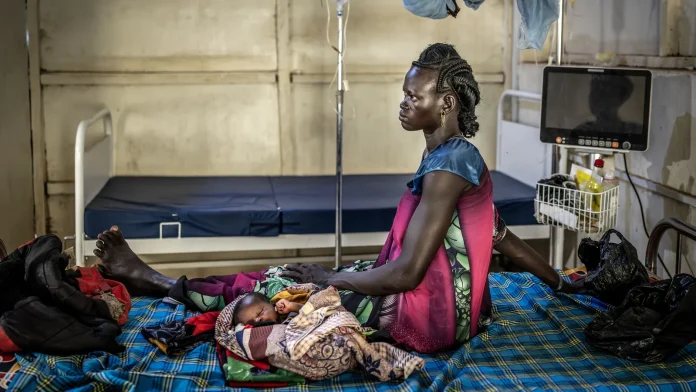
In the dust and heat: a country stranded between headlines
At a water point in Port Sudan, a donkey-drawn cart waits its turn. The vendor fills the blackened tank slowly, the animal swatting flies away with the practiced impatience of a creature used to long days and little water.
“We queue for hours,” says Amal, a 34-year-old mother balancing a toddler on her hip. “There is never enough. Sometimes I bring five jerrycans and return with two.”
That small scene—ordinary and brutal—is repeated across a nation now in its fourth year of bloodshed. It is the kind of image that gets squeezed out of daily media cycles: intimate, filthy, and impossible to reduce to a single statistic.
Four years in: why the world calls Sudan an “abandoned crisis”
When the United Nations describes Sudan as an “abandoned crisis,” it is not speaking in cliché. It is cataloguing neglect: the collapse of civic services, the forced movement of millions, the slow-burning hunger that sits behind every displaced camp’s perimeter.
“This grim and chastening anniversary marks another year when the world has failed to meet the test of Sudan,” said UN humanitarian chief Tom Fletcher, a blunt reminder that international attention has not yet translated into effective pressure on the combatants or adequate funding for relief.
Numbers that refuse to be abstract
- People displaced: roughly 13 million.
- People in need of aid: around 34 million—nearly two out of every three Sudanese.
- Estimated deaths: at least 59,000, with thousands more missing.
- Severe acute malnutrition: projected to rise toward 800,000 cases in the coming months.
- Health services functioning: only 63% of facilities remain fully or partially operational, amid outbreaks such as cholera.
Statistics can feel sterile, but each figure represents a person—someone like Amal, or a child in a camp in Darfur who hasn’t had a measles vaccination in two years. And then there are the mass crimes: UN experts concluded that the RSF’s offensive in el-Fasher displayed “the defining characteristics of genocide.”
On the ground: survival, resistance and grief
Walk through the neighborhoods of Omdurman and you will hear car horns, the crackle of radios, and the low rumble of generators as families try to hold on to the rhythms of ordinary life. Walk outside the city lines and the landscape is a different country—dented buildings, scorched fields, and the presence of men who carry more than farming tools.
“We were villagers; we were farmers,” says Ibrahim, an elder from a Kordofan town now under RSF influence. “We have become refugees in our own villages. We sleep in schools. We teach children how to fetch water without being shot.”
The scenes of daily endurance are punctuated by episodes of terrible violence: mass killings, rampant sexual violence, and assaults on hospitals and ambulances. The World Health Organization reports more than 2,000 health workers killed and continues to document repeated strikes on medical infrastructure.
A fractured nation and a complex regional chessboard
Sudan today is effectively two countries stitched together in a painful truce of violence. The military, internationally recognized and backed by Egypt, holds the north, east and central corridors—controlling ports, refineries and pipelines. The Rapid Support Forces (RSF), an armed paramilitary group that grew out of Darfur’s Janjaweed militias, control Darfur and large swaths of the west, where gold fields and oil-bearing zones sit under their control.
Accusations of outside backing complicate any simple narrative. UN experts and rights groups have alleged that the United Arab Emirates provided arms to the RSF—a charge the UAE has denied. Satellite imagery and research from institutions such as Yale’s Humanitarian Research Lab have also pointed to military support routes and foreign bases that shift the conflict’s dynamics beyond Sudan’s borders.
“This is no longer just an internal power struggle,” says an independent analyst who has studied the Horn of Africa for two decades. “It’s a regional proxy battleground, with resources at stake and neighbours trying not to be dragged in—sometimes unsuccessfully.”
When global distractions matter
Observers note that diplomatic energy has been redirected elsewhere—rising tensions in the Middle East, crises across the Sahel, the war in Ukraine—and that has left Sudan without a persistent, coordinated international push for a ceasefire. Germany’s recent conference in Berlin, convened to rally donors and promote a pause in fighting, was criticized by Khartoum as “unacceptable interference,” a reminder that even humanitarian diplomacy bumps up against questions of sovereignty and pride.
Famine, disease and the economics of despair
Food is getting more expensive. The immediate reason is complex: the Iran war’s disruption of shipping routes has pushed fuel prices in Sudan above 24%, and when diesel rises, everything that moves food—trucks, generators, pumps—costs more. That inflation seeps into market stalls and community kitchens where mothers decide whether to sell what little they have or keep food for the children.
The Integrated Food Security Phase Classification warned that cases of severe acute malnutrition—the deadliest form—are set to climb toward 800,000. Cholera and other preventable outbreaks quickly follow when sanitation crumbles and clinics cannot operate.
Who will be held to account?
The International Criminal Court has opened inquiries into atrocities in Darfur and beyond. Yet investigations take time. Survivors want more than legal rhetoric: they want protection, humanitarian corridors, and justice that does not require waiting years.
“We need immediate safety,” says Hawa, a teacher who fled el-Fasher last year. “We can wait for courts, but our children cannot wait for clean water.”
What needs to happen—and what you can imagine doing
There are practical steps: unfettered humanitarian access across front lines, targeted sanctions against those who profit from the conflict, emergency funding for food, water and shelter, and sustained diplomatic pressure from regional powers that still hold sway.
There are also moral steps. Amid donor fatigue and geopolitical distraction, Sudan’s suffering is easy to forget. Denise Brown, the top UN official in Sudan, pleaded publicly: “Please don’t call this the forgotten crisis. I’m referring to this as an abandoned crisis.” That phrasing is deliberate—an ask for momentum and memory.
What would it take for you to stay with this story? To click a donation link, to call a representative, or to keep a daily thought for a country whose ruins are not shown on every evening newscast? Empathy is not a finite resource if we treat it as practice rather than a headline sensation.
Looking ahead
Sudan’s war is stubborn because its causes are layered: power vacuums left after revolution, the economics of natural resources, local grievances, and foreign interests. And because there are no easy exits for a country sliced by competing armed actors.
But each small intervention—an airlift of therapeutic food, a negotiated safe corridor for a hospital, a foreign ministry convening that keeps pressure on warring leaders—can be life-saving. The question is whether the world will move beyond statements to consistent action.
As you close this piece, imagine Amal at her water cart again. Imagine her child drinking from a clean cup. That image is not sentimental; it is a test. Will the global community remember the donkey carts, the emptied clinics, the houses with the doorframes still standing—and will it respond?
Hezbollah warns Lebanon-Israel talks deepen the country’s political rift
Lebanon at a Crossroads: A Nation Frays as Diplomacy Meets the Gun
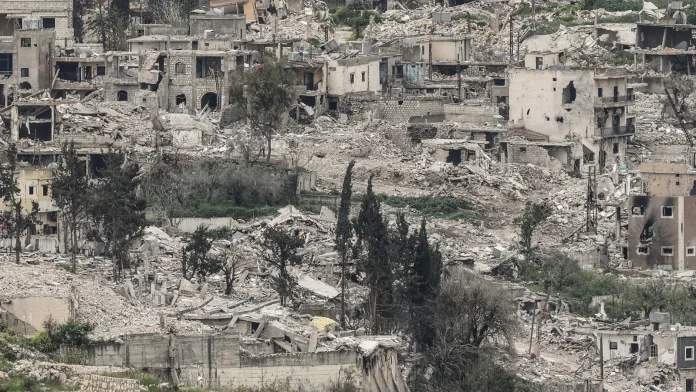
There is a peculiar sound to Beirut these days — not just the keening of sirens or the dull thunder of distant strikes, but the low hum of a country trying to speak to itself amid the rubble. Streets that once carried the rattle of conversations, the clink of coffee cups and the chatter of shopkeepers now pulse with uncertainty. The latest spark: a US-mediated meeting between Lebanese and Israeli envoys that has set off a political firestorm at home, exposing the fault lines that have long run beneath Lebanon’s fragile surface.
Lebanon and Israel have been in a technical state of war since 1948, yet for decades the two sides have mostly been separated by diplomatic silence and the tense calm of unofficial rules. This week a breakthrough of sorts — a face-to-face exchange, brokered by Washington — was hailed by some as an awkward but necessary opening. For others, especially Hezbollah and its supporters, it was a betrayal.
“A national sin,” says Hezbollah — and why it matters
“This was not the voice of Lebanon,” said a senior Hezbollah politician, visibly angered. “It amounts to a national sin that widens the wedge between our people.” The remark, broadcast on television and repeated on local radio, captured the fury of a movement that has grown into a parallel state within Lebanon: armed, politically entrenched and backed by Tehran.
Hezbollah objects not just to the meeting but to what it sees as any overture that bypasses its role as Lebanon’s defender. “If the government thinks a handshake will end the strikes, they are mistaken,” another party official told me. “We want a comprehensive ceasefire — not the fragile pauses we have been sold before.”
These are not hollow threats. Since fighting reignited on 2 March, when Hezbollah opened fire in an escalation linked to regional tensions involving Iran and Israel, Lebanon has paid a devastating price. Lebanese authorities report more than 2,000 killed and at least 1.2 million people forced from their homes — roughly one in five of the country’s population. More than 140,000 have sought refuge in government-run shelters. The numbers are stark, and the human stories behind them are devastating.
On the ground: tents, phones, and the smell of freekeh
In a makeshift camp on the outskirts of Beirut, families cook over small fires, trade news on cracked phones and try to find normalcy. Fatima, a schoolteacher who fled her home in the south, hands me a small bowl of freekeh and smiles — a moment of hospitality that feels almost defiant.
“We don’t know when we’ll go back,” she says. “Every night there are new strikes. Children wake up with nightmares. I tell them we will rebuild, but the city we remember is changing.”
Local markets that once pumped life into neighborhoods now sit half-empty. A fruit vendor wipes dust off a crate of oranges and says, “People have money, but they are afraid to buy. They think: why buy today if tomorrow the shop might be gone?” Small trade too often keeps the social fabric intact; when it frays, so do the ties that hold communities together.
Diplomacy amid ruin: what the talks achieved — and what they didn’t
The Washington-facilitated meeting was described by participants as constructive. Officials on both sides said the exchange was useful for clarifying positions and reducing the risk of unintended escalation. Yet key red lines remained in place: Israel reportedly refused to discuss Lebanon’s demand for an immediate ceasefire, and Hezbollah insisted on far broader terms than a simple halt to mutual strikes.
For many Lebanese, the optics were worse than the substance. “You cannot sit down with the enemy while your streets burn and call it progress,” said a Beirut-based analyst. “The government is trying to thread a needle between the demands of international partners and the realities at home. That is a tightrope act with no safety net.”
The Israeli military, for its part, reported striking over 200 Hezbollah targets in southern Lebanon within 24 hours of the talks — a reminder that diplomacy and military action can move in parallel, sometimes with deadly consequences.
History’s shadow: why disarmament is a powder keg
The question of Hezbollah’s disarmament has haunted Lebanese politics for decades. The state has long aspired to bring all armed groups under its authority — a tall order in a country scarred by a 15-year civil war (1975–1990) and frequent episodes of political violence, including a brief near-war in 2008 when moves against Hezbollah provoked armed confrontation.
“Any attempt to disarm Hezbollah by force risks igniting the whole country,” warns a former army officer. “Lebanon’s institutions are strained; social cohesion is fraying. A misstep could return us to a cycle we never finished dealing with.”
Humanitarian alarm: a displaced nation and an appeal that falls short
The United Nations’ refugee agency and other relief groups have issued urgent appeals. UNHCR chief Barham Salih, after meeting Lebanon’s prime minister, warned the international community: provide immediate help or watch a recovery become impossible. Of the $61 million requested to support Lebanese relief efforts so far, only a fraction has been received; the larger Lebanon Flash Appeal aims to raise $308 million to address needs across the country.
Lebanon’s financial woes compound everything. Since 2019 the country has spiraled through an unprecedented economic collapse, and the scars of the 2024 conflict were barely healing before this new escalation.
- Reported deaths in Lebanon (conflict-related): more than 2,000
- Estimated displaced: ~1.2 million (about 20% of the population)
- People in government shelters: over 140,000
- Lebanon Flash Appeal target: $308 million (with $61 million requested in a current tranche)
The wider picture: proxy wars, refugees, and the limits of diplomacy
This is not just a local quarrel. It is choreography on a regional stage where state and non-state actors — Iran, Israel, Hezbollah, and external mediators — shape moments that ripple far beyond Lebanon’s borders. When a meeting is convened by a third party, it is as much about signaling to Tehran and Jerusalem as it is about easing suffering in Beirut and Tyre.
So what do we want from diplomacy? Is it mere de-escalation, a pause to save lives, or a structural settlement that addresses why violence erupts again and again? “Short-term pauses are good, but they are not peace,” a conflict resolution expert told me. “You need institutions, economic recovery, and trust-building measures. That takes years, not days.”
Looking forward: choices, consequences, and a plea
Lebanon currently faces two paths. One winds toward continued fragmentation, where rival armies — state and non-state — set their own rules and civilians shoulder the toll. The other leads to painstaking, fraught negotiations that tie together security, governance and human needs.
Which path will the country choose? And how will the international community respond: with deep, sustained investment in relief and reconstruction, or with ad-hoc handouts and diplomatic gestures that paper over deeper grievances?
As you read this, imagine the family in a tent who can’t find a safe space to put their children to bed. Imagine the shopkeeper counting the days before his wares spoil. The numbers on a page are real people — teachers, bakers, fathers, mothers, and children — each with a story that resists easy headlines.
If Lebanon’s latest political rupture teaches us anything, it is that diplomacy cannot thrive without justice, and security cannot be imposed without the consent of the people it is meant to protect. The world can — and must — do better. Will it?
EU: Orban’s Defeat Sparks Fresh Momentum for Ukraine’s EU Accession
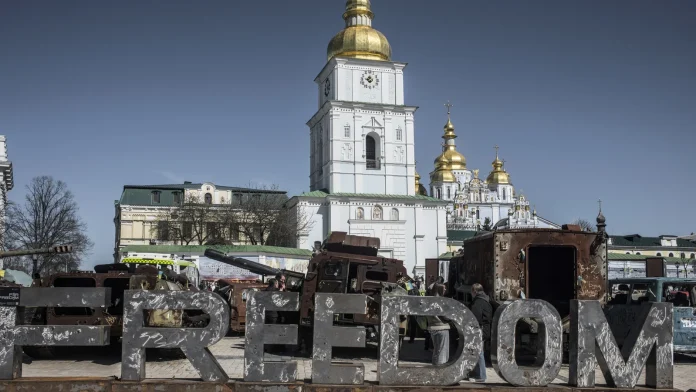
A New Day in Budapest: What Hungary’s Shock Election Could Mean for Ukraine, Europe — and the World
The city felt different the morning after. Trams clattered past pastel apartment blocks, but the usual hum of state radio chyrons had gone quiet. In a café off Andrássy Avenue, a barista wiped down tables and said, almost shyly, “It’s like the air has more room.”
On Sunday, Hungary’s long-serving leader — the polarizing figure whose defiant euroscepticism reshaped Budapest’s role in the EU — was unseated. The TISZA (Respect and Freedom) party swept into power with a commanding majority in the 199-seat parliament, ending Viktor Orbán’s 16-year run and opening a fresh chapter not only for Hungary but for Europe’s grand project of enlargement and solidarity.
Why should the world care? Because inside that election result lies the potential to unlock a lifeline for Ukraine — a package of loans and guarantees totaling some €90 billion — and with it, the possibility of a “new push” toward EU accession that Brussels has long sought.
From Veto to Vote: The €90 Billion Question
On the sidelines of the IMF and World Bank spring meetings, EU Enlargement Commissioner Marta Kos framed the outcome in stark terms. “I expect, personally, that this will have a positive effect on the accession process,” she told reporters, adding that the release of frozen funds could “cover the financial needs of Ukraine in ’26 and ’27.”
For months Hungary’s veto stood like a dam upstream of crucial financing. Orbán had linked his refusal to approve the package to a bilateral dispute over a damaged pipeline carrying Russian oil — a technical detail that became a geopolitical cudgel. The result was a standoff that left Kyiv balancing on a fiscal tightrope at the same time its soldiers and citizens continue to pay the cost of war.
“This isn’t charity,” a European diplomat in Brussels said. “It’s a stabilisation package. If Ukraine’s economy collapses, the ripple effects across energy, food, and migration will be felt everywhere.”
What kind of progress might we see?
- Release of the €90 billion package that Brussels has conditioned on unanimity.
- Advancement of negotiating “clusters” — a modular approach Brussels uses to break enlargement into manageable chapters.
- Increased pressure and support for Ukraine to implement reforms tied to governance, anti-corruption and economic restructuring.
Peter Magyar: A Complex New Steward
Peter Magyar, the conservative who vanquished Orbán, is not a simple pro-European zealot; he has voiced scepticism about rapid accession for Ukraine and resisted sending further military aid. Still, Magyar has signalled pragmatism: unblocking the loan could be a gesture of goodwill toward Brussels even as he keeps his domestic base reassured.
On state radio — a channel that for years had been home to Orbán’s weekly broadcasts — Magyar struck a tone of renewal. “Every Hungarian deserves a public service media that broadcasts the truth,” he said, promising a suspension of the current state media broadcasts until a new, supposedly independent, system is put in place.
That pledge has many Hungarians breathing easier. “For a decade it felt like we were watching a government channel, not a public one,” said Ágnes, a retired schoolteacher in Szeged. “To think our children might grow up hearing more than one voice — that’s hopeful.”
Media, Rule of Law, and the Long Repair Job
Brussels has long flagged concerns that Hungary’s drift under Orbán weakened independent institutions, constrained civil society, and eroded media pluralism. Commissioner Kos made it plain she expects change: anti-corruption efforts strengthened, the judiciary’s independence bolstered, and media freedoms restored.
“Those fundamentals — we put so much effort in the accession process — are also important for the member states,” Kos said, reminding audiences that accession is not just about borders on a map; it’s about shared rules and standards.
But transformation won’t be mechanical. “Rebuilding trust in institutions is slower than breaking them,” said Zoltán Farkas, a Budapest legal scholar. “You can pass laws in weeks, but culture and habits — transparency, independent reporting, impartial courts — take years to restore.”
Voices from the street
- “We want fairness in the papers,” said a young journalist who asked not to be named. “For years, editors had to check the wind. That changes how you cover corruption.”
- “I voted for change because my pension isn’t enough and the hospitals feel understaffed,” said Márk, a factory worker. “This is not only about Brussels. It’s about how my mother gets care.”
Between Hope and Reality: Conditions and the Road Ahead
Even with a government more amenable to Brussels, the path to EU accession for Ukraine is neither linear nor guaranteed. Commissioner Kos stressed a core caveat: Kyiv must continue to deliver on difficult reforms that underpin a modern, market-based, and corruption-resistant economy. That task is Herculean for a country under arms.
Globally, the episode is a reminder that domestic politics in a single EU member state can have outsized consequences — for neighbors, for the bloc, and for the international order. It’s also a lesson in the limits and levers of European solidarity. The EU is an intergovernmental patchwork where unanimity can be both a strength and a bottleneck.
Will Magyar move decisively to unlock the funds as a first act, or will he hold them hostage to political bargaining at home? Will Brussels couple generosity with firm demands for Hungarian reform? And will Kyiv manage both war and transformation without stumbling?
What to watch next
- Whether Hungary lifts the veto and the mechanics of releasing the €90 billion package.
- Steps the Hungarian government takes on media law, judicial independence, and anti-corruption measures.
- How Kyiv responds to any new conditionality and whether international lenders accelerate support.
Change has a smell: coffee, cigarette smoke, the paper of freshly printed ballots, the quiet of a newsroom that finally breathes. In Budapest’s cafes and parliament corridors, people are already asking what kind of country they want to be. In Kyiv and across the EU, leaders are weighing whether to trust this new chapter.
What would you trust — the promise of reform now, or the records of the past? How do you balance solidarity with scrutiny? These are the questions Europe must answer together. For Hungary, for Ukraine, and for an EU that says it stands united, the next steps will matter — not just for diplomats or economists, but for everyday lives across the continent.
Russia Launches Over 300 Drones and Missiles in Massive Assault on Ukraine
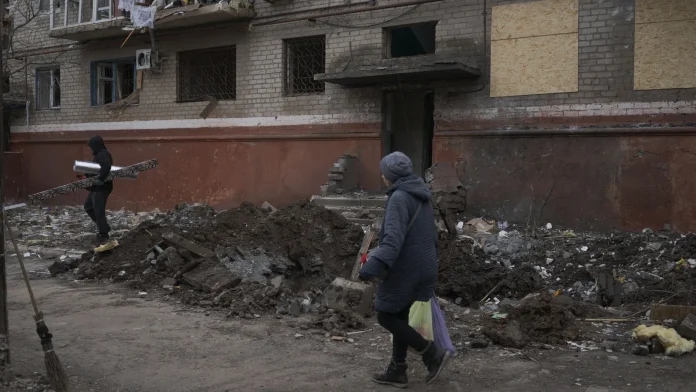
Before the sun was fully up, a string of explosions stitched the horizon
In the pale light before morning, the soft clatter of everyday life in southeastern Ukraine was ripped apart by a new kind of thunder—hundreds of small aircraft hunched low against the sky, and a few, much louder, ballistic missiles arced toward the ground.
By the time the smoke settled, officials said air-defence units had intercepted or neutralised 309 drones. Still, a number of weapons—three ballistic missiles and 13 drones—found their marks across nine different locations, striking port infrastructure, apartment blocks, shops and schools. One person was killed and at least seven were wounded in the barrage.
Numbers, but also faces
Statistics can numb us. So let’s give them texture. A 74-year-old woman was killed in Zaporizhzhia while sitting in a small kiosk—one of those metal-clad neighborhood hubs where you buy bread, breadsticks, a lottery ticket, a little human conversation. Ivan Fedorov, the regional governor, posted photos of a shattered kiosk, broken windows, and dented cars. “Everything that made this street a street is damaged,” a local man who asked to be unnamed told me over the phone, voice low. “There’s a silence now where the vendor’s radio used to be.”
In Dnipro, three people were injured in an overnight drone attack that also punched a gaping hole into a nine-storey apartment building. Oleksandr Ganzha, the regional governor, posted images of the scarred façade; neighbours shared videos of drywall dust still falling like ash. In Cherkasy and nearby regions, dozens of private homes and cars were damaged. An earlier attack this week had already killed an eight-year-old boy there and left other families wounded and reeling.
Ports under fire, but the river keeps moving
Beyond the cities, the Danube’s busy banks in Odesa’s southern region were struck. The Ukrainian Sea Ports Authority reported damage to production and storage facilities and to administrative buildings. At dawn, cranes stood like uncertain sentries; workers reported minor structural damage but said the ports were still operating.
“We will not stop the ships,” a port foreman told me, rubbing his hands against the cold. “The river is how we keep feeding the country.” There’s a stubborn, practical courage in that: make the rails run, keep the barges moving, and try to deny the violence the last word.
What officials are saying
President Volodymyr Zelensky posted on X that the attacks were “brutal,” listing Dnipro, Cherkasy, Kharkiv, Kryvyi Rih, Chernihiv, Donetsk and Zaporizhzhia among the places struck in the past 24 hours. “We need air defence missiles every single day — every day the Russians continue their strikes on our cities,” he wrote, adding that cooperation with partners to strengthen air defences is a priority.
His plea is simple and urgent: as attacks scale up and their tactics evolve—mixing swarms of small drones with heavier missile strikes—the demand for interceptors, radars, and training rises with them.
On the mechanics of modern attacks
Military analysts point to a trend that has become painfully familiar: saturation attacks. A swarm of dozens, even hundreds, of cheap drones can overwhelm defenders who have to choose which threats to engage and which to let through.
“It’s an economy of force that favours the attacker,” said Dr. Lena Horvat, a defence analyst who has been tracking unmanned systems. “Cheap, commercially available airframes, modified warheads, and simple guidance systems have changed the calculus. Defending a city now isn’t about a single missile battery; it’s about layered systems, constant supply of interceptors and the ability to repair and pivot quickly.”
International cooperation and quick fixes
This week, Kyiv reached new defense cooperation agreements with Germany and also announced plans with Norway for domestic drone production. Those are important steps. They promise not just weapons and equipment but training, supply chains, and potentially the industrial capacity to build a more resilient defence posture from within.
But the timeline matters. Interceptors take time to deliver and to train with. Factories take time to ramp up. And families need shelter now.
- Immediate needs include more air-defence missiles, portable counter-drone systems and repair crews for critical infrastructure.
- Medium-term needs include domestic production of key components and robust redundancy in port and logistics systems.
- Long-term resilience will require new doctrines for urban defence, investment in civil protection and reconstruction funding that reaches neighbourhoods, not just highways.
People on the street
Walk through any of these towns and you’ll see the same contradictory mixture: fear and stubborn normality sitting side by side. A woman in Dnipro, clutching a sack of potatoes, shrugged when asked how she slept. “We sleep in shifts,” she said. “If my neighbour is on the balcony, I go down to the basement. But then tomorrow we must go to work. Who will harvest the beets?”
Another resident of Zaporizhzhia, a schoolteacher with flour on her hands from baking bread to calm her class after an air-raid alarm, said, “The children ask why the sky is angry. When I tell them it’s not the sky but people, they don’t understand. They just want to know if their school will have windows tomorrow.”
What this means for the world
There are local stories and then there are ripples. Weaponised drones are cheap to produce, easy to source and increasingly accurate. The lessons learned here will be observed and replicated elsewhere; cities across the globe are taking mental notes. Are we going to build more protective infrastructure? Rethink airspace management? Consider regional pacts for rapid air-defence support? These are policy questions with human answers.
They also raise moral questions: when much of the civilian economy is increasingly vulnerable to low-cost attacks, who pays for the shields? Governments, allied partners, or private insurers? Whose lives are prioritized when interceptors are limited?
A final thought
Today’s tally—309 drones intercepted, multiple cities hit, one confirmed death, dozens wounded—reads like a grim ledger. But every number is a person’s morning turned to rubble, a vendor’s routine erased, a child’s classroom scarred. In the middle of headlines and geopolitics are people trying to live their lives.
So I ask you: when you hear the figure “309,” what do you picture? And what do we, as an international community, owe to those waking up to sirens and shattered windows? The answers will shape responses here, and perhaps the next time another city faces a sky full of drones.
Mucaaradka kasoo jeeda Muqdisho oo caawa kulan xasaasi ah ku leh guriga Sheekh Shariif
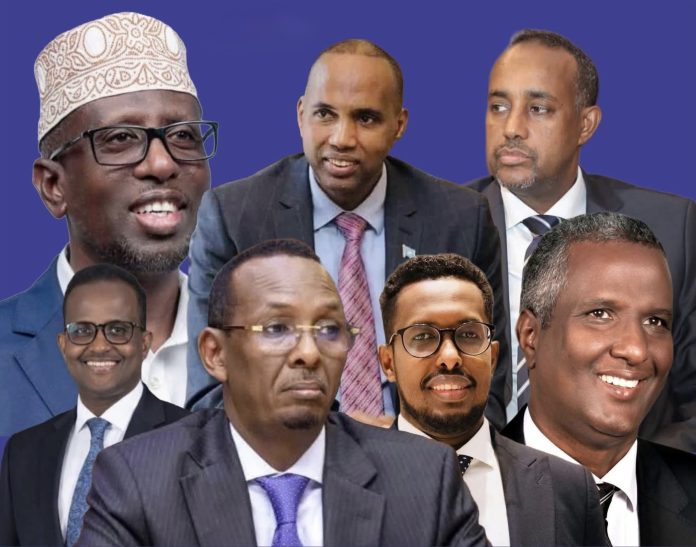
Apr 15(Jowhar)Siyaasiyiinta mucaaradka ee ka soo jeeda Muqdisho ayaa caawa kulan muhiim ah ku yeelanaya hoyga madaxweynihii hore Sheekh Shariif Sheekh Axmed, iyagoo diiradda saaraya xaaladda siyaasadeed ee cakiran ee dalka iyo marxaladda kala guurka ah ee lagu jiro. Kulankan ayaa kusoo aadaya xilli ay sii xoogeysanayso hubanti la’aanta la xiriirta doorashooyinka, kadib markii uu dhammaaday muddo xileedkii Baarlamaanka Federaalka.
EU urges fixed end date for temporary energy cost relief measures
When Relief Needs a Deadline: Europe’s Tightrope Between Bailouts and Better Policy
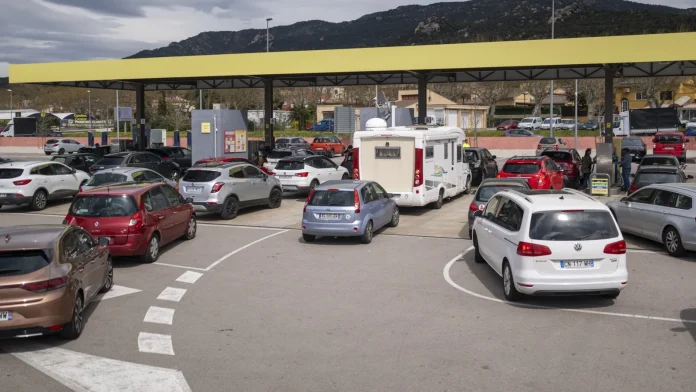
There’s a particular hush that falls over a petrol station at dawn—only the pumps breathe, a half-frosted dashboard light humming as an anxious commuter fills the tank. That hush was interrupted across Europe last week not by protesters or markets, but by a different kind of politics: the argument over how governments should soothe the sting of rising energy costs without locking in new problems for taxpayers, the climate and future budgets.
Valdis Dombrovskis, the European Commissioner for Economy, stepped into that debate on the stage of the International Monetary Fund with a blunt, plain-spoken warning: emergency help must come with an exit strategy. “When you hand people a blanket,” he said in conversation with IMF European Department head Alfred Kammer, “you don’t want them to think the cold is permanent.”
Lessons Still Fresh from 2022
The memory of 2022 is a political scar. When Russia’s invasion of Ukraine sent gas prices through the roof and electricity bills spiked, European governments reacted. Subsidies, tax cuts and price caps rolled out across the continent. They were politically expedient, and often broad—designed to be fast, not surgical. The result was immediate relief for households and firms, but also hefty fiscal bills and lingering distortions in energy markets.
“We learned that haste without precision can be costly,” Dombrovskis told the audience. “Broad-based measures are easier to administer—but they stay in place, and their price tag swells. That’s something we simply cannot afford now.”
Why “cannot afford”? Governments across the eurozone are operating in a different landscape than in 2022. Sovereign debt levels remain elevated in many member states, and central banks have raised interest rates to wrestle down inflation. The European Central Bank’s policy rate, much lower in 2021, was in the vicinity of several percentage points by 2024—a far cry from the ultra-loose settings that cushioned pandemic-era emergencies.
Targeting, Sunsets and the Politics of Pain
Dombrovskis’ prescription has three ingredients: targeted support, clear sunset clauses, and avoidance of measures that would prop up fossil-fuel demand. It reads simple on paper, but playing it in public is another thing.
“Targeted relief costs more political capital,” said Ana Ribeiro, a fiscal policy analyst in Lisbon. “You have to draw lines—who qualifies, for how long, and how do you verify need. That’s messy. But messy beats a long, open cheque that we’ll all pay for later.”
There is growing evidence that some governments are trying to thread that needle. Germany, for instance, unveiled a short-term fuel relief package—about €1.6 billion of measures lasting two months—aimed at softening the immediate shock without creating permanent incentives to burn more oil. In France, officials pledged to keep any sectoral supports limited to those most in need and to renew assistance on a monthly basis, not an open-ended entitlement.
“It’s basic governance,” said Marie Dupont, owner of a small bakery on a narrow street in Lyon. “We need help to survive this week, but we don’t want a policy that becomes our lifeline forever. We also want the help to reach us—not just big firms or everyone with a car.”
Why Avoid Boosting Fossil Fuels?
There’s a paradox at the heart of many relief programs: if you blunt price signals that encourage conservation and cleaner choices, you can end up prolonging the very demand you aim to temper. At a time when EU climate targets still require steady reductions in fossil-fuel consumption, policy choices that inadvertently expand demand risk contradicting long-term commitments.
“If the goal is to protect vulnerable households, subsidies targeted at them make sense,” said Dr. Tomasz Novak, an energy economist based in Warsaw. “Blanket fuel tax cuts, however, reduce the price for everyone—from the delivery truck driver to the SUV owner who commutes solo. That’s neither equitable nor green.”
Consider this: global oil demand has hovered around 100 million barrels per day in recent pre-pandemic years, and even small percentage upticks translate to millions of barrels. At today’s price sensitivities, a temporary reduction in pump prices can stimulate demand just as much as durable policy nudges—unless designed carefully.
Voices from the Ground
On the quays of Klaipėda, a port town where tankers and grain freighters anchor, the conversation is practical. “We don’t want subsidies to disappear if the problem is structural,” said Ieva, a crane operator who asked to use only her first name. “If fuel becomes cheaper for a month, we might catch up—but what about the next month?”
Across the Rhine in a service station near Frankfurt, Marcus, a long-haul trucker, was clearer about what he needs. “If authorities give us a targeted rebate, it helps us keep our costs down without wasting money on people who don’t need it,” he said. “We’ll accept means-testing if it means help reaches the small operators.”
Practical Principles for the Present
- Set clear time limits (sunset clauses) on emergency measures so they don’t persist by inertia.
- Target assistance to households and sectors demonstrably at risk to maximize effectiveness and minimize fiscal cost.
- Avoid across-the-board price cuts that could stimulate fossil-fuel demand and hinder decarbonization goals.
- Design administrative systems that are quick to deploy but robust enough to prevent leakage and fraud.
These are not just technocratic prescriptions. They are political choices about what societies prioritize: short-term comfort, long-term fiscal sustainability, and climate commitments. And often, the hardest part is selling that complexity to citizens who want a simple answer at the checkout.
Bigger Questions: Solidarity, Transition and Trust
One question hovers above all of this: what kind of social compact do Europeans want as they navigate repeated shocks—pandemic, war, supply-chain turmoil, geopolitical flashpoints? Do voters expect universal buffers, or do they accept targeted cushions that protect the most vulnerable while nudging everyone else toward less carbon-intensive behaviors?
“Crises reveal the seams in social contracts,” said Professor Eleni Markou of the University of Athens. “If governments show they can be both compassionate and disciplined—providing relief that’s temporary, focused and aligned with climate targets—they will strengthen trust. If they choose blanket measures, they might score short-term political points but undermine fiscal and environmental resilience.”
So, what would you choose if you were in charge for a day? A short burst of universal relief that buys immediate comfort—or a more surgical approach that may feel harsh to some but aims to protect the public purse and the planet over the long run?
Final Thoughts: A Time-Limited Blanket?
In the end, Dombrovskis’ message is less bureaucratic than moral: emergency interventions must not become permanent lifelines. We can be generous without being permanent; we can protect today’s families while insisting on the systems that prevent tomorrow’s crises. The petrol station at dawn will still be there when the sun rises—but the question now is whether the policy blanket you wrap around yourself will be stitched with a scheduled seam or left to fray into a budgetary and environmental tangle.
Europe’s leaders are testing that seam. Some governments are already trying pragmatic, time-limited relief. Whether this moment becomes a model of disciplined compassion—or a re-run of 2022—will depend on political courage, administrative IQ, and public patience. And, not least, whether voters are willing to accept the uncomfortable truth that every euro of relief carries a choice about our collective future.
Maine poised to be first US state to ban large-scale data centers

Maine’s Pause: Small Towns, Giant Servers, and the Moment a State Said “Not Yet”
On an early spring morning in Augusta, Maine’s statehouse hummed with a debate that felt, somehow, both local and epochal. Lawmakers voted to hit pause on the construction of large data centres — those humming cathedrals of servers that power everything from streaming video to the latest generative AI models. The bill, approved by both chambers, now heads to the desk of Governor Janet Mills. If she signs it, Maine will become the first U.S. state to impose a temporary moratorium on big data-centre builds driven by the AI boom.
“We’re not anti-innovation,” Representative Melanie Sachs told reporters after the vote. “We are pro-deliberation. Communities deserve to understand the costs — to their wallets, their water, and their landscapes — before we invite projects of this scale.” Her words landed like a call to breathe, to slow down an industry sprinting at full speed.
Why a Moratorium Matters
Across the United States, the rush to house artificial intelligence has translated into concrete, steel and transformers. Tech companies are pouring capital into sprawling facilities to house banks of GPUs and cooling systems that never sleep. That buildout has been worth “tens of billions” in investment, analysts say, and has reshaped local economies — sometimes overnight.
But that growth brings a ledger of trade-offs. Data centres are voracious users of electricity; in some places they can alter grid dynamics and nudge up household power bills. They also demand water for cooling and vast tracts of land — land that might otherwise be fields, forest, or housing. Polling shows the unease: a Quinnipiac University survey found roughly 65% of Americans would oppose a data centre being built in their community.
Maine’s bill would block permits for facilities with electrical capacity above 20 megawatts until November of next year and would create a state council to evaluate future proposals — a pause intended to let lawmakers craft rules that balance innovation with community needs.
Voices from the Small Towns
Go to a town hall in midcoast Maine and you’ll hear things you won’t on a corporate earnings call. At a meeting in the coastal village of Rockport, lobsterman Eddie Carter described a scene at the harbor: “The sea gives us a living, and the town gives us a life. If a company came and sucked up our water or lit up the night sky with towers, it wouldn’t be the same. We want jobs, sure, but not at the cost of what makes this place home.”
Across the county in a pine-smelling township ringed by blueberry barrens, local councilwoman Joanne Reyes spoke bluntly about transparency. “Developers came here with glossy presentations, but when we asked about how much power they’d actually need, we were told ‘proprietary.’ That’s not enough. Our residents deserve facts so we can vote with our eyes open.”
These sentiments are echoed nationwide: communities asking who benefits and who pays when data centres land in their backyards.
Grid Stress, Rising Bills, and Water Worries
There are technical reasons for concern. Data centres’ GPUs — the chips that run today’s AI — are energy-hungry, and their density concentrates enormous loads on local distribution systems. The U.S. Energy Information Administration has flagged regions where household electricity bills have climbed, and while it’s seldom the sole cause, large industrial customers can tilt the balance.
Water is another knotty issue. Mega-facilities use a lot of cooling, often relying on water-intensive systems. That raises questions in drier parts of the country and even here in Maine, where rivers and aquifers support fisheries and recreation. “We have to think about cumulative impact,” said Dr. Aisha Khan, an energy policy researcher at the University of New England. “One project might be manageable. A cluster is a new reality. Policy needs to catch up.”
Not All Bad: Jobs and Infrastructure Gains
It’s not all cautionary tales. Proponents of data-centre investment point to jobs, property taxes, and the sometimes-unexpected byproducts of tech money: upgraded fiber networks, improved emergency services, and training programs that anchor young people locally. In towns that have struggled with population decline, a major employer is seductive.
“We could use the good-paying construction jobs and the ongoing maintenance roles,” said Anthony Rivers, who runs a family-owned hardware store in a rural county seat. “But we want contracts for locals, not just an influx of outside workers who leave once the plant is humming.”
The statewide moratorium is meant not as an absolute rejection but as a bargaining pause — a chance to set conditions that can make projects more beneficial to communities if they go forward.
What the Council Could Do
The proposed council, which the bill would create, is designed to be multidisciplinary: energy planners, environmental scientists, municipal officials, and community representatives. Its job would be to assess risks, project grid impacts, and sketch best practices around land use, water, and employment commitments.
“Think of it as a ‘pre-flight checklist,’” said Lena Occhi, a municipal planner in the Penobscot region. “We need consistent, transparent metrics so towns aren’t negotiating in the dark. That’s what this moratorium buys time for.”
Global Echoes: A Local Decision with International Themes
Maine’s moment is part of a larger global conversation. Cities from Iceland to Singapore have wrestled with the same questions: where should high-energy infrastructure sit, who decides, and how do we ensure environmental stewardship without stifling technological progress?
What happens in Augusta could ripple outward. If other states see that a pause yields stronger community protections and clearer regulatory frameworks, we might witness a shift from rapid, developer-led booms toward more measured, negotiated growth. Alternatively, a veto could send an equally powerful signal about the limits of local resistance to a global industry.
Questions for the Reader
As you read this from wherever you are — a city apartment, a rural village, a coastal town — ask yourself: When technology demands land and water, who should decide where it goes? Should communities be allowed to say no? And what trade-offs are we willing to accept in exchange for faster, smarter services?
Maine’s decision is a reminder: progress need not be headlong. There’s dignity in deliberation. There’s wisdom in asking how we balance the bright promise of AI with the everyday things that give life its texture — clean water, affordable power, green spaces and the quiet rhythms of small-town mornings.
Whether the governor signs the bill or not, this debate has already reshaped the conversation. It’s no longer only about megawatts and mega-deals; it’s about who belongs at the table when the future is built, and how a place — from the granite coast to the blueberry fields — can remain itself in the face of global change.
Starmer: UK to provide enriched uranium supplies to Ukraine
Britain is sharpening its support for Ukraine on two fronts — energy security and economic pressure on Moscow — with Prime Minister Keir Starmer...
Iran to Begin Permanent Peace Talks With the US on Friday
A fragile truce in the Middle East is set to be tested almost immediately, with Iran and the United States preparing to open a...

Norway Crown Princess’s Son Convicted in Rape Case, Court Finds
Norway’s royal family has been thrust into an extraordinary legal reckoning after Crown Prince Haakon’s stepson, Marius Borg Høiby, was convicted of rape and...
Eight Presumed Dead After U.S. Bomber Crashes in California
Fear spread quickly across the desert airfield at Edwards Air Force Base on Monday after a US B-52 bomber crashed shortly after takeoff, with...

Irish man remains highly cautious following Sydney shark attack
Coogee Beach is welcoming swimmers back but with lifeguards on high alert and drones sweeping the water after a weekend shark attack that critically...