

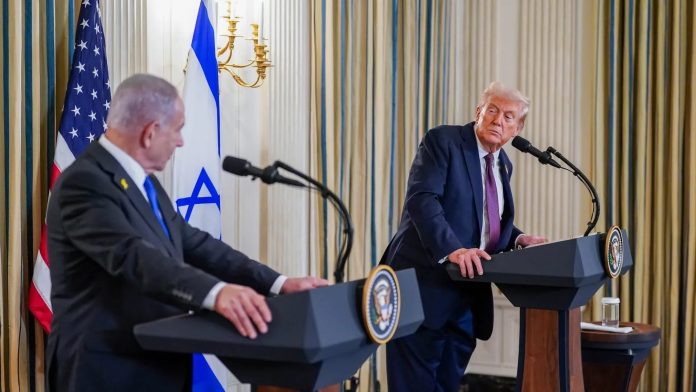
Apr 18(Jowhar) Benjamin Netanyahu ayaa ka carooday hadalka Trump ee ahaa in aan duqeyn dambe laga fulin karin gudaha dalka Lubnaan, oo ay mamnuuc tahay, waxaana uu isticmaalay erayga ah “Enough is enough” (waa nagu filan tahay), Tani waxay si weyn uga yaabisay Netanyahu iyo kooxdiisa, maadaama uu ka hor imaanayo qoraalka rasmiga ah ee heshiiska xabbad-joojinta ee 10-ka maalmood ah.
Lingering doubts about effectiveness of Middle East ceasefire
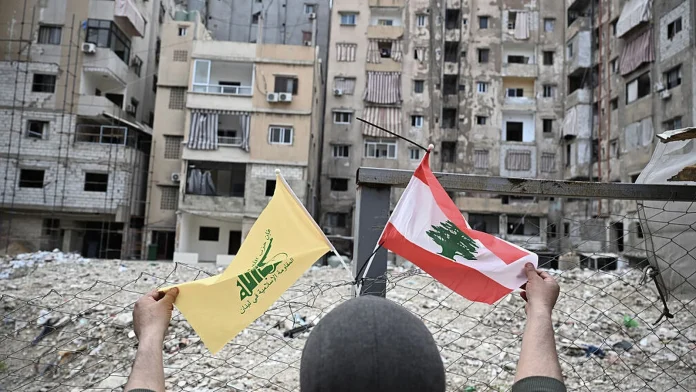
Between the Tide and the Table: A Fragile Pause in a Region That Knows No Quiet
There is a peculiar hush that settles over port cities after the world’s commerce is reminded how thin the thread of global supply really is. In the early hours after the announcement that the Strait of Hormuz would be reopened and a ceasefire in southern Lebanon would hold—for now—fishermen in Bandar Abbas spoke in the same low voice as shopkeepers in Tyre: relief edged with suspicion.
“You breathe easier for a day, then the radio reminds you how quickly the sea can turn hostile again,” said Reza, a fifty-year-old fisherman who has watched supertankers cut through the hormones of the Gulf for three decades. “If the mines are cleared, good. But will the crew sleep tonight?”
This week’s diplomatic choreography—quiet, relentless, and at times oddly domestic—has been a study in confidence-building. After months of tit-for-tat strikes, accusations, and a collapse in talks that had once been fragile but workable, Washington and Tehran appear to be inching toward a more durable truce. Pakistan, long used to sitting at tables without fanfare, has played the unshowy host and intermediary. Across the region, those familiar with the rhythms of diplomacy say this is the exact moment when words matter as much as weapons.
Checklist Diplomacy: The Small Wins That Feel Monumental
It helps to think of what negotiators are actually doing as ticking boxes on a very messy to-do list. Over the past 48 hours that list grew shorter.
- Ceasefire in Lebanon: Check (for now)
- Reopening of the Strait of Hormuz to commercial traffic: Check
- Early confidence-building measures between the United States and Iran: Check
None of this is irreversible. Nothing about peace in this part of the world ever truly is. Yet each “check” carries downstream consequences that matter: tankers that had loitered far from the Gulf are being asked to re-route; oil traders recalibrated their bets and Brent fell roughly 10% in the immediate aftermath; and diplomats who had been pacing in Islamabad were suddenly back at the table with a sense that momentum can be manufactured if the players want it.
“These are the baby steps of de-escalation,” said Amina Khalid, a Karachi-based analyst who helped coordinate back channels for track-two diplomacy. “You don’t solve decades of distrust overnight. But you can change immediate incentives—reduce the risk of an accidental flare-up, make the cost of returning to violence higher.”
What the Strait Reopening Really Means
The Strait of Hormuz is not just a narrow piece of water between Iran and Oman. It is an artery: historically, nearly one-fifth to one-third of the world’s seaborne oil has passed through its choke point. So headlines about it reopening carry the double meaning of local safety and global economics.
Oil markets responded predictably. A roughly 10% drop in prices is not trivial; it erases a market premium that had been built on fears of prolonged disruption. But price moves do not instantly translate into barrels on the water. Insurance premiums, crew willingness to transit, and the time needed to verify that previously laid mines have been neutralized—all of these slow the return of full flows.
“Even if the strait is declared open, carriers will demand concrete proof of safety. That’s not a rhetorical checkmark,” said James Hollis, an energy risk consultant in London. “We could still see a lag of weeks or months before supply normalizes.”
On the Ground: Lebanon’s Fragile Pause
In southern Lebanon, where the landscape is a patchwork of olive groves, scarred towns, and checkpoints, the ceasefire is holding in the sense that artillery quieted and the immediate rush of displacement has slowed. But the conditions that produced the violence remain.
“We welcome the calm, but calm without justice is a temporary gift,” said Nour Hassan, a schoolteacher from a village near the Israeli border. “Hezbollah says Israeli forces must leave. People cannot go home while soldiers occupy their fields.”
Hezbollah’s demand for a full withdrawal of Israeli Defense Forces from southern Lebanon is not just a political red line; it’s a daily reality for thousands who have been told by authorities that their homes are not yet safe. The pause brings time—time to negotiate, time to rebuild trust—but it also highlights how unevenly that time is used.
The Hardest Item on the Agenda: The Nuclear Question
And then there is the hardest item: Iran’s nuclear program. There are fewer quick wins here. The technical, legal, and political hurdles that separate a temporary pause from a long-term settlement are enormous.
At the center of any sustainable agreement is the question of verification. Who monitors Iran’s enrichment levels? How is the stockpile accounted for? Is the International Atomic Energy Agency given full access to sites and data? These issues have broken talks before.
“You can close ports and calm skies, but without ironclad verification mechanisms, the underlying insecurity persists,” said Dr. Lara Ben-Ami, a nonproliferation expert. “That is why this is the stickiest point. It determines whether the ceasefire is a bridge to a real deal or just a lull.”
Political Theater and Hard Realities
Back in Washington, the addition of senior figures to the negotiating team—most notably the vice president—has been read by insiders as an effort to signal seriousness. A range of voices in the U.S., from hawks to isolationists, have pushed the administration to balance firmness with a clear exit strategy.
At home, former President Donald Trump—still a polarizing figure with a large following—used his social platform to underline that certain measures, notably a naval blockade directed at Iran, would remain “in force” until any negotiation was complete. Whether that posture helps or hinders diplomacy is an open question: it reassures some domestic constituencies and alarms others abroad.
“Public bluster is part of the game,” said a European diplomat speaking on condition of anonymity. “But the substantive work happens in hotel conference rooms, not on social apps.”
Why Pakistan?
Pakistan’s role is both practical and symbolic. Islamabad has the diplomatic networks across the region, ties with both Tehran and Washington, and the space to host talks away from the glare of regional capitals. It also gains stature—defusing a crisis raises a country’s soft power in subtle but real ways.
“We hosted because instability on our doorstep is not in anybody’s interest,” said a Pakistani official. “Our hope is that the modest facilitation we offer today can prevent larger conflagrations tomorrow.”
What Comes Next—and What You Can Watch For
The announcements of the last 48 hours are important. But they are not destiny.
- Will monitors be allowed unfettered access to sensitive sites in Iran?
- Will Hezbollah and Israel translate ceasefire rhetoric into troop adjustments on the ground?
- Will commercial mariners feel safe enough to resume normal routing through the Strait?
Each of these is a test. Each will be watched by commanders, investors, and families who have learned that peace can be fragile and that a single misstep—an undetonated mine, a misread signal on a ship’s radar, a provocative statement on social media—can snap a truce like a brittle twig.
So ask yourself: how do we measure success in diplomacy? By headlines that declare an agreement signed—or by the slow accretion of lowered risk, of children returning to school, of markets normalizing, of fishermen going back to sea? The answer, as ever, is both. And until the hardest questions are solved—the monitoring, the withdrawal, the nuclear accounting—the world will continue to watch, hoping that this pause becomes something more than a pause.
For now, people in port cafés and kitchen tables from Tehran to Beirut are choosing to believe, cautiously. That in itself counts for something.
Senior UK civil servant forced out amid Mandelson vetting controversy
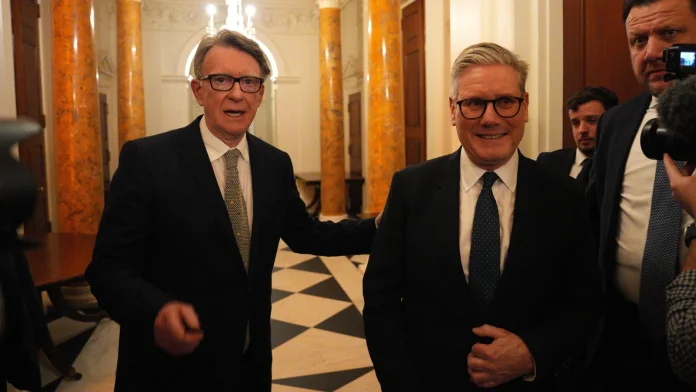
When Trust Cracks: A London Scandal, a Washington Posting, and the Quiet Machinery of Security
On a damp Paris morning, as flags fluttered in the cool air and cameras hungrily tracked every handshake, Britain’s prime minister stood beside Emmanuel Macron to talk about reopening a fragile shipping lane in the Strait of Hormuz. Inside the diplomatic choreography, however, a domestic cyclone was gathering—quiet, bureaucratic, and corrosive.
Word leaked that a once-powerful political operator, offered the plum post of UK ambassador to the United States, had been granted the highest tier of Britain’s security clearance—against the explicit recommendation of senior security vetting officials. The decision has triggered resignations, fury in Downing Street, and a cascade of questions about judgment, process, and the often-invisible gatekeepers who decide who can be trusted with the nation’s secrets.
From Boardrooms to Back Channels
Peter Mandelson’s short-lived appointment to Washington—already controversial because of his political history and past associations—became a test case for the integrity of the state’s security apparatus. According to senior officials who spoke on condition of anonymity, the Cabinet Office’s initial background checks raised a “general reputational risk.” That was before the deeper, confidential stage of developed vetting (DV), the kind of clearance that includes interviews, checks on personal relationships and finances, and which can determine whether someone is fit to be given access to highly sensitive material.
“DV is binary,” said a former vetter who now lectures on national security, explaining the process. “Either you’re cleared or you’re not. It’s not about shades of grey. It’s about whether a candidate presents a vulnerability that could be exploited.”
What set off alarms this week was not just that vetters had refused clearance, but that officials in the Foreign Office reportedly overruled that refusal and issued the clearance anyway. The result: senior civil servants are leaving, ministers are angry, and the prime minister says he was not informed until days later.
People on the Ground: Voices That Tell the Other Side of the Story
Walk the streets around Westminster and you hear the story told in small, textured ways. At a greasy spoon near the Palace of Westminster, a barista wiped down a table and shrugged. “It’s the same song,” she said. “If you don’t know what’s happening in your own garden, how do you keep anyone else safe?”
A long-serving Foreign Office official, who asked not to be named for fear of reprisal, spoke of “a culture of fixes”—where political pressures and operational judgments sometimes collide. “Sometimes there’s a nervousness that a career path gets blocked, or a fear of rocking the boat. But security clearance shouldn’t be a matter of convenience,” they said.
Across the water in a quiet embassy office, a junior diplomat muttered, “We used to be able to trust the process. People moved on. Now there’s this feeling that rules bend.”
Scenes from Paris and a Broader Diplomatic Cost
The timing of the disclosures was brutal. Mr Starmer had chosen Paris to host a summit with France on maritime security—an event designed to display calm leadership and cross-Channel solidarity. Instead, he faced questions about judgment and oversight back home. A Downing Street source told me the prime minister was “absolutely furious” when he learned of the overruling and immediately ordered an internal fact-finding exercise.
Diplomats elsewhere bridle at the idea that staff in sensitive posts might have been cleared in a way that appears opaque or politicized. “America notices,” a former ambassador said. “Washington watches how we fill our senior jobs—who speaks for Britain matters globally, and not just for photo-ops.”
The Mechanics of Vetting—and Why They Matter
Security vetting in the UK operates on tiers: basic checks for routine roles, Security Check (SC) for access to secret material, and Developed Vetting (DV) for the most sensitive positions. DV can include interviews with friends and family, scrutiny of finances, and a review of any foreign contacts. The point is to identify whether a person can be blackmailed, coerced, or inadvertently manipulated—risks that could compromise national security.
- Basic: identity and criminal background checks
- SC (Security Check): deeper checks for secret-level access
- DV (Developed Vetting): highest level, in-depth personal scrutiny
“If you cut corners on that, you undermine everything else,” said Dr. Mina Patel, a security studies lecturer who has advised government departments. “The public doesn’t see the toil that keeps sensitive channels secure. They only notice when it fails.”
Political Fallout: Calls for Accountability
Opposition leaders were quick to pounce. Critics argue that if the prime minister did not know who had been cleared—or, worse, if he misled Parliament about it—then his position becomes untenable. “If the prime minister doesn’t know what’s happening in his own office, he shouldn’t be in charge,” one opposition figure told me. “This is about competence and candour.”
Inside Labour circles there is unease. Some ministers say they were not informed when decisions were made, and a former chief of staff has already publicly taken “full responsibility” for advice that led to a controversial appointment. He also called for a fundamental overhaul of the vetting system—a rare, frank admission of systemic failure.
What This Says About Power and Transparency
At its heart, the episode is about trust: in institutions, in leaders, and in processes meant to insulate national security from political whim. It raises uncomfortable questions. Are political appointments being treated with the same scrutiny as career diplomats? Has the cultural deference around personalities eclipsed institutional caution?
And it asks something of readers too: how much transparency should the public demand when the state is, by necessity, allowed to keep secrets? Where do we draw the line between necessary confidentiality and the right of citizens to know the criteria by which the most sensitive roles are filled?
Looking Forward
Investigations are under way. A top civil servant is reported to be leaving their post, and a formal review into why the vetting decision was overturned has been ordered. More documents are expected to be released to Parliament. For the moment, the government says it is “working urgently” to comply.
Yet the consequences will ripple. Beyond the immediate personnel changes, this episode may accelerate calls to reform vetting—clarifying its independence, speeding up timelines, and installing clearer lines of accountability. For foreign policy, it is a reminder that domestic governance matters; how we manage reputational and security risks at home affects credibility abroad.
What do you think? Should political appointees be subject to the same rigid vetting as career diplomats? And if a security body flags a concern, who should have the final say—the technicians with the evidence, or the elected officials who must answer to voters? The answers will determine not just who sits in embassy buildings, but how a nation balances secrecy, safety, and public trust.
In the soaked calm of a Parisian square, cameras moved on. Back in Westminster, the corridors are quieter, but the questions echo. Institutions are tested not just by crises abroad, but by the daily decisions we make about competence and candour. Today it was a clearance form; tomorrow it could be something far bigger. Either way, the state will need to show it can be trusted to keep its promises—and its secrets—without bending when pressure comes calling.
Iran threatens to close Strait of Hormuz if US naval blockade continues
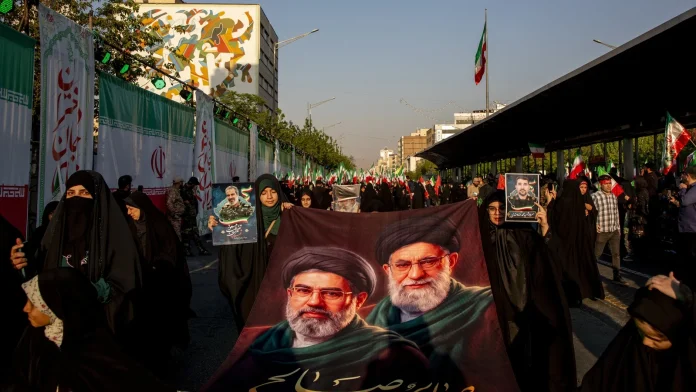
A Fragile Passage: The Strait of Hormuz Reopens—and the World Holds Its Breath
At first light along the Iranian coast, fishermen in Bandar Abbas brewed tea and watched an empty horizon the way people watch a sleeping city—expectantly, nervously, as if anything could wake it. For three weeks the sea lanes that feed the modern world had been eerily quiet. Then, like the hesitant first notes of a symphony, news arrived: Tehran would temporarily reopen the Strait of Hormuz after a US-brokered 10-day truce between Israel and Lebanon showed early signs of holding.
“We heard it on the radio and went down to the quay,” said Karim, a 54-year-old fisherman who asked that only his first name be used. “You can feel it in your bones—hope, but also the sense that this can change overnight. We don’t trust the horizon yet.”
The strait is not only a slice of shimmering water; it is a circulatory system for global energy and commerce. Historically, about one-fifth of seaborne oil trade has transited the narrow chokepoint, moving millions of barrels every day into global markets. When it closes—partially or entirely—prices spike, industries stutter, and small businesses halfway across the world feel the pinch.
The Deal and the Catch
Iran’s Foreign Minister, Abbas Araqchi, posted that the strait would be open to all commercial vessels for the duration of the ten-day truce. The pause follows an agreement between Israel and Lebanon, brokered by the United States, after weeks of escalating hostilities that saw Hezbollah enter the fight and an intensifying Israeli offensive that has killed nearly 2,300 people, according to Lebanese authorities.
At a campaign rally in Arizona, President Donald Trump hailed the announcement as “a great and brilliant day for the world.” Yet the relief was cautious: Washington has tied the reopening to its own naval measures. The US has imposed a blockade on ships heading to Iranian ports, a pressure tactic it says will remain “until our transaction with Iran is 100% complete,” Mr. Trump told Reuters.
In Tehran, the reaction was blunt. Senior officials warned that the strait could be shut again if the blockade continued. “The Strait of Hormuz will not remain open if our ports are blocked,” said Mohammad Baqer Qalibaf, the parliament speaker, in a social media post that reflected the acute sensitivity in Tehran to perceived encirclement.
Movement, Then Retreat
Shipping data captured a tentative test of the water: roughly 20 vessels—container ships, bulk carriers, and tankers—moved toward the strait. For many, the transit proved momentary; most ships turned back, the reasons unclear. Among them were three container vessels operated by French giant CMA CGM, which declined to comment. It was the largest attempted movement since the conflict began.
“We run risk assessments by the hour now,” said Elena Morales, a senior maritime risk analyst in London. “Even a single mine or a claim that a vessel must coordinate with the Islamic Revolutionary Guard Corps changes the calculus for insurers, charterers, and port operators. The announcement reduced one layer of uncertainty, but it also introduced new ones.”
One such new rule: Iran now requires all ships to coordinate with the Islamic Revolutionary Guard Corps (IRGC), something that was not standard before the recent fighting. Iran’s Defence Ministry also said warships and vessels linked to “hostile forces”—a clear reference to the US and Israel—are still barred from passage.
Mines, Market Ripples, and Global Offers
Commercial maritime insurers and naval authorities sounded warnings about sea mines and unexploded ordnance. The US Navy advised mariners that the mine threat was still not fully understood and urged caution. That caution had quick economic consequences: oil prices tumbled by roughly 10% on the news that shipping might flow again, while global stock markets rallied on the prospect of easing supply-chain pressure.
More than a dozen countries, after a video conference called by Britain, said they were prepared to join an international mission to protect shipping in the strait—should conditions permit. The offer reflects both the strategic importance of the waterway and the anxiety of nations whose economies depend on steady flows of energy and goods.
Diplomacy on a Tightrope
Negotiations continue on multiple fronts. Iran says it will not surrender its right to a civilian nuclear program; the US has pushed for a sweeping limitation. At talks in Islamabad last weekend, the US reportedly proposed a 20-year suspension of Iranian nuclear activity, while Tehran offered a shorter pause—three to five years—according to participants. Two Iranian sources suggested there were glimmers of compromise on removing a portion of Iran’s enriched uranium stockpile; President Trump said the US would remove that material.
“We’re going to go in with Iran, at a nice leisurely pace,” Mr. Trump told Reuters, speaking about the plan to remove enriched materials. “We’ll bring it back to the United States.” Iran’s spokesperson fired back that the material would not be transferred anywhere.
Behind the formal wrangling sit human stakes: Iran hopes a preliminary agreement could extend the ceasefire and unfreeze billions of dollars in assets as part of a larger deal that might also include compensation for wartime damage. A Pakistani source close to the mediation suggested an initial memorandum of understanding could be followed by a comprehensive peace agreement within 60 days—if the fragile momentum holds.
Voices from the Frontlines
“We want bread, not headlines,” said Layla, a shopkeeper in a coastal town near the strait, winding a scarf around her wrist. “Every time they say the passage is open, someone says it might close again. My suppliers have been delayed for weeks. People are tired of politics dictating whether they can buy flour.”
A veteran cleric, Ahmad Khatami, spoke at prayers with a tone that underlines the internal tensions in Tehran: “Our people do not negotiate while being humiliated.” That sentiment captures a broader dilemma—how to reconcile national dignity with the economic and human costs of protracted conflict.
What the Reopening Means—and What It Doesn’t
The temporary reopening is a sliver of relief in a season of instability, not a return to normalcy. Mines remain a menace; rules of passage have changed; and the shadow of further closures looms. For seafarers who have become adept at reading both the weather and politics, this is another day to be cautious.
So what should the world take from this? That chokepoints like Hormuz are more than oil pipelines; they are focal points where diplomacy, military posture, commerce, and everyday livelihoods converge. A single tweet, a naval order, or a cleric’s sermon can ripple across continents.
And for you—where do your priorities lie when global security intersects with daily life? Would you accept tough diplomatic compromises to keep tanker lanes open, or insist on firmer guarantees even if it risks renewed confrontation? The answers are not abstract—they will shape insurance premiums, energy bills, and the next generation’s memory of whether the sea can be a passage for peace.
For now, the horizon remains watchful. The tea cools in the cups along the quay. Ships will try again. Leaders will meet. And somewhere between the ebb and flow of waves, lives will be rearranged by decisions made in rooms far from the water’s edge.
Madaxweyne Xasan oo ka qeybgalay Madasha Diblumaasiyada ee Antaaliya
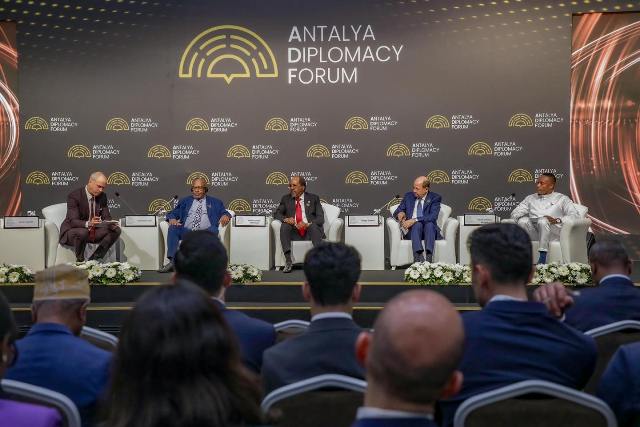
Apr 17(Jowhar) Madaxweynaha Jamhuuriyadda Federaalka Soomaaliya, Mudane Xasan Sheekh Maxamuud ayaa ka qeyb galay Madasha Hoggaamiyeyaasha Diblumaasiyadda Antaaliya ee dalka Turkiga, taasi oo ka qayb galayaan madax dowladeed, diblumaasiyiin iyo hoggaamiyeyaal siyaasadeed
Iran oo furtay Marinka Hormuz iyo qiimaha shidaalka oo hoos u dhacay
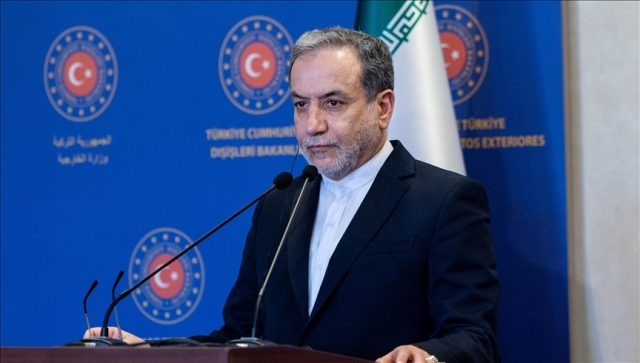
Apr 17(Jowhar) Wasiirka arrimaha dibadda Iran Abbas Araqchi Araghchi ayaa sheegay in Iran ay si buuxda dib u furi doonto marin biyoodka Hormuz inta ka hartay wakhtiga xabad joojinta.
Ceasefire Deal Brings Major Gains Across Multiple Key Fronts
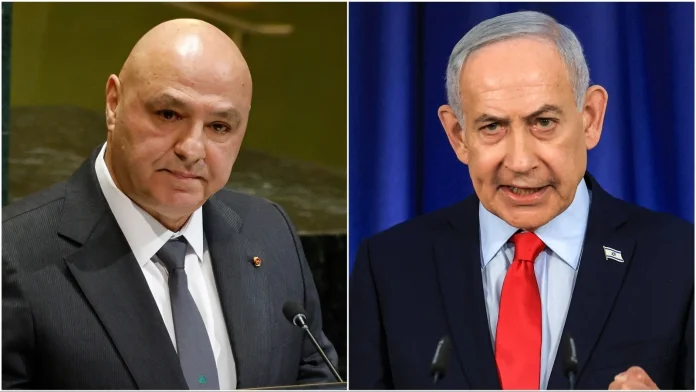
A Ten-Day Pause: Breath Between Bombardments and the Fragile Hope of Something More
Last night, after nearly six weeks of artillery, airstrikes and the grinding dread of ground operations, a ten-day ceasefire took hold along Lebanon’s battered southern frontier. For the families who have been sleeping in school gyms and under highway overpasses, it was the kind of news that makes your throat tighten—relief and suspicion braided together.
“We didn’t celebrate, not really,” said Amal, a schoolteacher from Bint Jbeil who fled with three children to a gymnasium in central Beirut. “But my youngest laughed this morning when he ate an orange. That laugh — I have not heard it in weeks.”
Casualty estimates from the recent escalation are grim: more than 2,000 people killed across the frontlines, and humanitarian agencies reporting over one million people displaced inside Lebanon and beyond its borders. That displacement has stretched a country of roughly six million people—already reeling from economic collapse and the 2020 Beirut port blast—to breaking point.
Why This Pause Matters
On the map, a ten-day pause is a thin line. On the ground, it can be lifeline. The truce was announced amid high-level phone calls and meetings in Washington this week—unusual diplomatic choreography for two neighbors that lack formal relations. For the average Lebanese or Israeli living near the border, it has a practical, immediate meaning: a night without incoming rockets, a bakery able to open, a chance to dig through rubble for a photograph or a wedding ring.
“People need a pause to mourn, to bury, to heal,” said Dr. Rami Haddad, a surgeon volunteering with Médecins Sans Frontières near Tyre. “Ten days is not peace. But it is time for children to sleep without the house shaking.”
From Ceasefire to Summit? The High-Stakes Diplomacy
Behind the scenes, Washington has been pushing hard. Senior U.S. officials say the pause followed a string of intense conversations with both sides and came on the heels of a Washington meeting between Israeli and Lebanese representatives—the first in decades. The White House has floated the possibility of inviting the leaders of Israel and Lebanon to meet there, perhaps as early as next week, which would be a diplomatic moment of rare symbolism.
“If a summit happens, it will be less about photo-ops and more about whether two very different political projects can agree on the mechanics of co-existence,” said Miriam Katz, an analyst at the International Institute for Middle East Peace. “Camp David is an echo that everyone hears. But Camp David came after years—this would be lightning fast and inherently fragile.”
Historic reference hangs heavy in the air. Camp David—where Israel and Egypt struck a peace deal in 1978 that reshaped the region—remains the benchmark for any breakthrough. Yet weary diplomats warn that the present moment involves a web of non-state actors, militia politics, and domestic pressures that make neat, durable deals elusive.
The Terms Nobody Can Agree On—Yet
At the heart of the impasse sit two incompatible demands. Lebanese fighters insist any deal must guarantee a complete halt to attacks across Lebanese territory and prohibit Israeli forces from moving freely in the south. Israel, for its part, appears reluctant to withdraw forces it says are necessary to prevent future strikes and secure its border communities.
“We want our villages free to farm and our kids free to play,” said Karim, a farmer from a border village near Marjayoun. “We want to pick olives without looking at the sky. How can that be if tanks are there?”
The technical challenges are enormous: who polices the line, what constitutes a violation, and how are violations verified? Without trust and robust monitoring, ceasefires can snap back into violence in hours, not days.
Regional Ripples: Iran, Pakistan and the Global Chessboard
This pause is not happening in a vacuum. Tehran’s influence in Lebanon and its wider rivalry with the United States make any quiet in the Levant part of a bigger strategic game. Iranian lawmakers have publicly said that a cessation of hostilities in Lebanon is as important as any separate deal the U.S. might seek with Iran.
Washington appears to be seizing the moment. Officials say the ceasefire removes one of several obstacles to a second round of talks with Tehran—talks that could touch on Iran’s nuclear program, freedom of navigation in the Strait of Hormuz, and regional proxies. A senior U.S. official told reporters preparations for a follow-up negotiating round were intensifying, with Islamabad floated as a possible host city.
In Pakistan’s capital, municipal authorities were already making contingency plans in anticipation of foreign delegations, an official with the city traffic department told local media. “We are preparing for high-level visitors,” he said. “If diplomacy is moving forward, Islamabad will be ready.”
Humanitarian Realities and the Cost of Pause
For aid agencies, ten days buys time for logistics: clearing roads, setting up field hospitals, restoring power to water pumps. UNICEF and the UN Office for the Coordination of Humanitarian Affairs have warned that prolonged displacement risks epidemics, interrupted schooling for hundreds of thousands of children, and chronic shortages of food and medicine.
“Ten days is a window,” said Leila Mansour, an aid coordinator who has run relief convoys across southern Lebanon. “If we can get supplies in and basic services back up, it changes the calculus for many families. If the trucks don’t come, the pause is cosmetic.”
What Comes Next — and What This Moment Asks of Us
No one who’s watched this region closely will mistake a ceasefire for peace. But pauses are where agreements are born, and agreements—if they are to be durable—are woven from practical arrangements, mutual assurances, and above all, the slow work of rebuilding dignity.
Will world powers use this lull to build mechanisms that prevent the next flare-up, or will it be another blank page in a history thick with missed chances? The answer will depend not only on diplomats and generals, but on mothers like Amal, teachers like Karim, and aid workers like Leila who measure success in warm meals, open clinics and the first quiet night in weeks.
What would you do with ten days of silence in a place that has known too much noise? Could a short pause ever lead to the longer, harder work of reconciliation? This ceasefire asks the international community—and us as individuals—to imagine a different kind of future, and to ask whether we are willing to invest time, resources and imagination to reach it.
Netflix co-founder Reed Hastings to exit company after 29-year tenure
Reed Hastings Walks Away: The Quiet Exit That Echoes Across Hollywood and Silicon Valley
On a gray morning in Los Gatos, where eucalyptus fog sometimes drifts over the Netflix campus like a slow curtain call, a decision rippled outward and landed with the weight of something larger than a resignation.
Reed Hastings, 65, the co-founder who helped turn a DVD-by-mail experiment into a global entertainment colossus, announced he will step down from the Netflix board and not stand for re-election at the company’s June meeting. For a man whose fingerprints are all over the modern streaming era, the moment felt both inevitable and oddly cinematic — a founder leaving center stage as the show changes tempo.
The arc of an industry in a single biography
Hastings’ story reads like a primer in disruptive business tactics. He and Marc Randolph launched Netflix in 1997; through dogged reinvention it grew from envelopes and late-fee jokes to an institution that entertains more than a third of the planet — or so the company claims, with 325 million paid members and an audience “approaching a billion” when accounting for shared and free-viewing reach, according to co-CEO Greg Peters.
He weathered the heady, sometimes humiliating storms of Silicon Valley: the Qwikster misstep in 2011 that rattled subscribers, the gut-wrenching layoffs that birthed the “keepers” ethos, and the radical culture playbook that he laid bare in No Rules Rules. Each painful pivot hardened Netflix into a company that prized high performance, ruthless clarity, and relentless experimentation.
“Reed built a machine that keeps reinventing itself,” said Ted Sarandos, Netflix’s co-CEO, in a note released with the company’s latest shareholder letter. “He modeled leadership, risk-taking, and the belief that culture outlives any single leader.”
A company at a crossroads
The timing of Hastings’ departure is impossible to separate from the company’s current strategic puzzle. Competition is fiercest it has ever been — from Disney+, Amazon Prime Video, Apple TV+, regional competitors, and an ad-supported marketplace that is evolving by the quarter. Last month’s failed merger talks with Warner Bros Discovery, which ended with Netflix collecting a $2.8 billion termination fee, only highlighted the sense that Netflix is canvassing multiple routes forward.
Those routes were the subject of a 14-page letter to shareholders that landed alongside the resignation news. The letter doubled down on Netflix’s core mission: to entertain a global, diverse audience with films and series for many tastes, languages and cultures. It also admitted what many on Wall Street have felt: growth is slowing.
Indeed, Netflix’s most recent forecast disappointed analysts. The company projected earnings per share for the coming quarter below market expectations and signaled the slowest quarterly revenue growth in a year. The market reacted: shares fell roughly 9% after the revelations.
Numbers that matter — and the questions they raise
Netflix reported first-quarter earnings that painted a mixed picture. Revenue rose to $12.25 billion — up 16% year over year and slightly above the forecast of $12.18 billion — while earnings per share jumped to $1.23 from $0.66 a year earlier. Yet management’s tempered outlook sent chills through investors who have grown accustomed to nearly relentless expansion.
“Reed’s departure has spooked investors because he was the North Star,” said Richard Greenfield, a media analyst with LightShed Partners. “When the map gets smudged, markets look for anchors.” For many, that anchor had been Hastings’ long-view audacity — the willingness to gamble on original content and to treat global expansion as a fait accompli.
New portfolios: ads, live events, and podcasts
So where does Netflix go from here? The company is not hiding its playbook. It plans to lean into advertising, live events, and new formats like video podcasts — and to use tech to squeeze more revenue and engagement out of each user. Advertising revenue is on a fast track, the company says, with an aim for roughly $3 billion in 2026, roughly double what it recorded the year before.
- Video podcasts and interactive formats are intended to diversify viewing time.
- Live entertainment — think sporting events like the World Baseball Classic in Japan — is a bid to tap appointment viewing in a world that increasingly lets users watch whenever they like.
- Improved personalization and ad-targeting technology are positioned as the engines of monetization.
“Monetization without turning off your audience is a delicate art,” said Maria Chen, a media strategist based in Singapore. “Netflix is trying to plant flags in three or four territories at once — advertising, live, and new content forms — and each requires different rules.”
Voices from the ground
In Mumbai, where local language series have become a Netflix priority, independent creator Aisha Rao says the platform still feels like a launchpad. “We get budgets here that we couldn’t get anywhere else,” she told me. “But there’s pressure, too — they want global scale and local flavor in the same take. That’s a tightrope.”
In Lagos, a subscriber named Emeka described Netflix as “the soundtrack to dinner,” a daily companion that his family shares across screens. “If Reed Hastings left after building that, well, that’s a legacy,” he said. “But will the next leader care the same way about stories that aren’t from Hollywood? That’s the question.”
What Reed Hastings leaves behind — and for whom
Hastings framed his exit as a shift toward philanthropy and other pursuits, not a retreat. “My real contribution at Netflix wasn’t one decision,” he wrote in the shareholder letter. “It was building a company that others could inherit and improve.” Part of his legacy is intangible: a culture that prized candor and cut through bureaucracy; a willingness to pay top dollar for bold, original storytelling; a blueprint for global scale.
But a legacy is also a burden. A company built on audacity must now prove it can be nimble without its founding provocateur. Will Netflix keep betting on creative risk? Will ad-driven content change its artistic calculus? Can it find new growth without diluting the very things that made it a cultural force?
Where this fits in the larger story
The Netflix moment is more than a corporate shake-up. It’s a lens onto the streaming era’s growing pains: saturation in mature markets, higher content costs, and an ad market that demands precision. It’s also a story about how modern companies outlive founders — and the tensions that creates between legacy and reinvention.
So here’s the question to you, the reader: do you trust a company to keep its creative spirit when the scoreboard starts to matter more than the art? And how much do you value a global library of stories when those stories are increasingly a product that must be monetized in new ways?
Reed Hastings may be stepping away from board meetings, but the ripples will travel far — from the writers’ rooms of Mumbai to the baseball diamonds of Japan, from the ad decks in New York to the living rooms of Lagos. That’s the modern paradox of influence: sometimes the quietest exit makes the loudest echo.
Dowladda Soomaaliya oo digniin adag u dirtay Israel
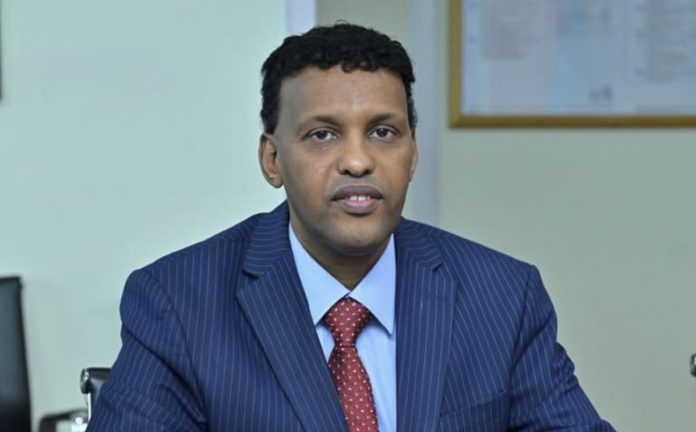
Apr 16(Jowhar) Danjiraha Soomaaliya u fadhiya dalka Itoobiya, Cabdullaahi Warfaa, ayaa si kulul uga digay faragelin shisheeye oo lagu sameeyo arrimaha gudaha ee Soomaaliya. Waxa uu safiirku si toos ah fariin ugu dirayay Israel.
Investigation into bomb threat at U.S. home of Pope Leo’s brother
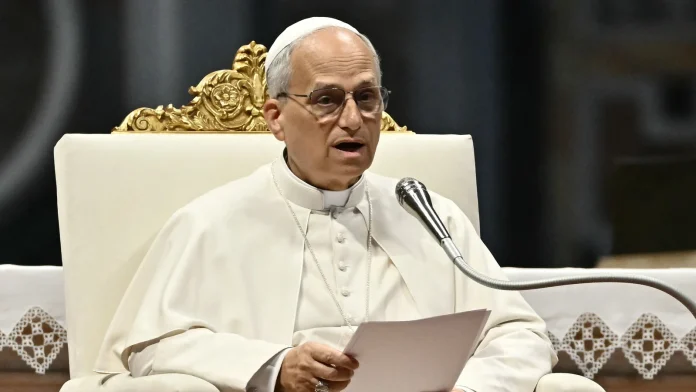
When Sirens Cut Through a Quiet Street: A Night of Fear on the Pope’s Brother’s Block
Last evening, as the sun sank behind the flat-topped roofs of New Lenox, a small town on the fringe of Chicago’s sprawl, an ordinary suburban street became the scene of an anxious, almost cinematic police response. Neighbors stepped onto lawns in slippers, clutching phone screens, while patrol cars threaded headlights through maple shadows: a bomb threat had been phoned in to the home of John Prevost — one of the brothers of Pope Leo XIV.
The mood was not rabid panic so much as a grainy, stunned disbelief. This is a place of barbershops, a Polish bakery that still folds dough by hand, and wide porches where folks wave to each other at dusk. “You never expect to hear sirens for something like this,” said Maria Kowalski, who’s lived two doors down for 18 years. “We worry about ice on the roads, not about bombs.”
A careful sweep, and a sober finding
Police sealed off the immediate area, asking residents to step back while bomb technicians and investigators made a methodical sweep. After hours of searching, officials concluded there were no explosives and no hazardous materials. The threat was unsubstantiated — but that finding did not erase the flurry of questions about motive, origin, or timing.
“We treat every threat as credible until proven otherwise,” said Lt. Daniel Herrera, who led operations that night. “The safety of residents is our first priority. Fortunately, there was nothing dangerous found on the premises.”
Investigators said they were continuing to trace the source of the false report. In an era of easily amplified messages — some honest mistakes, others deliberate provocation — tracking the genesis of a hoax can be as important as the physical search itself.
Politics, Piety, and a Pope from Chicago
At the center of this small-town drama is a family that suddenly occupies a large, global stage. Pope Leo XIV, born in the Chicago area and now leader of an estimated 1.3–1.4 billion Catholics worldwide, has been vocally critical of recent military actions in the Middle East. His rhetoric has been unusually sharp: in public appearances abroad, he has denounced the diversion of vast sums to warfare while communities suffer.
That moral clarity has made him a lightning rod. Back home, a chorus of praise and condemnation has followed. National political figures, including former President Donald Trump, have publicly derided the pontiff’s stance, calling him too liberal and “weak on crime,” while simultaneously praising certain family members who align politically with them.
John Prevost’s house sits on the same street that police cited when they initially reported the location tied to the threat. He is one of several siblings who have been pulled into the glare of public scrutiny because of their brother’s prominence. “This kind of attention isn’t something we asked for,” said Louis Prevost, who lives in Florida and has been mentioned favorably by some pro-MAGA commentators. “We’re ordinary people with a lot of ordinary worries.”
Neighbors, clergy, and the pulse of the parish
At St. Martin’s, the parish two miles away where several Prevost family members once attended, Father Andres Molina spoke with a mix of sorrow and resolve. “Our faith teaches us to pray for peace, but also to act responsibly toward one another,” he said. “Threats like this hurt families and communities regardless of whom they are aimed at.”
In a city with a deep Catholic heritage — neighborhoods where Polish, Irish, Mexican and Filipino communities find their rituals and rhythms — the news rippled. “Chicago raised him,” said Rosemarie Delgado, who runs the Polish bakery that has been on the corner longer than most of the town’s council members. “People here feel like they know the family. When something like this happens, it feels personal.”
Threats, Misinformation, and the New Normal
This incident is not an isolated quirk. Around the world, public figures — especially those who cross spiritual and political lines — have seen threats increase, whether anonymous calls, menacing letters, or coordinated online harassment. Security professionals warn that in polarized climates, symbolic acts of intimidation can be as damaging as actual violence.
“A hoax bomb threat functions the way an angry tweet does: it creates disruption, fear, and the sense that public life is unsafe,” said Olivia Kim, a security analyst who consults for religious institutions. “Even when there is no device, the emotional and material costs are real: evacuations, lost work, trauma for children.”
Ask yourself: how does a society balance robust debate with the safety of those who speak out? How do we protect families who share a name or a street with public figures without shutting down civic conversation?
What the facts can tell us — and what they can’t
Some context helps frame the immediate fears. The Catholic Church’s global reach is massive — over a billion adherents — and its leader’s comments carry weight across continents. Tensions over foreign policy can ignite passions domestically, especially when leaders criticize military priorities and question alliances or strategies.
But beyond the headlines and hashtags, there are everyday lives. In New Lenox, children went to bed shaken; for some elderly residents, the night’s sirens revived memories of other eras of anxiety. “I remember the Cold War drills,” said 78-year-old Harold Jensen, a retired teacher. “We were taught to duck under our desks. Tonight, we watched our phones.”
Aftermath and a wider reflection
In the hours after the all-clear, life resumed its suburban cadence. Mowers hummed again. Traffic lights held their steady amber pulses. But the conversation lingers: about the safety of loved ones, the responsibilities of public speech, and the thin line between criticism and intimidation.
“We can disagree vehemently without endangering one another,” Father Molina told parishioners on Sunday, his voice both weary and steady. “Church leaders should be free to speak conscience. Citizens should never be targets for that courage.”
The investigation into who made the call and why will continue. For now, the community has done what small towns often do: pull together, swap casseroles, and keep a watchful eye on one another. “We’re shaken,” Maria Kowalski said, “but we’re not broken.”
Questions for readers
- How should communities protect private citizens who become public figures by association?
- When does political disagreement cross the line into intimidation?
- What safeguards should be in place to prevent the spread and impact of false threats?
These are not easy questions, but they are necessary. In a world where local streets can suddenly intersect with global controversy, the answers will shape not only security policies but the health of our public life and the dignity of everyday people caught in the crossfire.
Luigi Mangione Drops Mental Health Defense Ahead of Upcoming Trial
In a key shift ahead of a closely watched New York murder trial, Luigi Mangione is—for now—pulling back from a defense that he was...
Vote counting begins in pivotal UK by-election as results awaited
Ballot papers are being tallied in Makerfield in northwest England after voters cast their verdict in a by-election that many see as a potential...
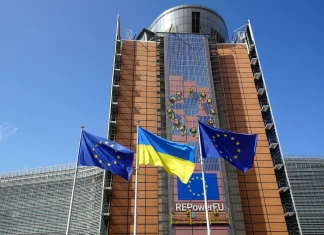
Zelensky urges EU to fast-track Ukraine’s path to membership
As EU leaders gathered to discuss the bloc’s future, Ukrainian President Volodymyr Zelensky delivered a blunt message: Europe’s direction is being forged on the...
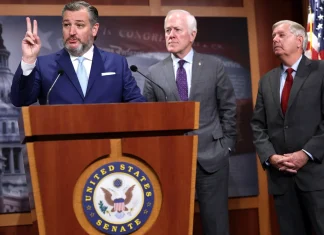
Trump’s Iran deal draws fierce backlash from fellow Republicans
A new understanding brokered by US President Donald Trump with Iran is exposing an unusual rift inside his own party, with Republican hawks warning...

UK authorities detain man after boy lands inside crocodile enclosure
A routine afternoon at a family-run zoo in Cambridgeshire turned into a major emergency after a three-year-old boy ended up inside a crocodile enclosure,...