Quetta’s Quiet: A Province Shaken, a Country on Edge
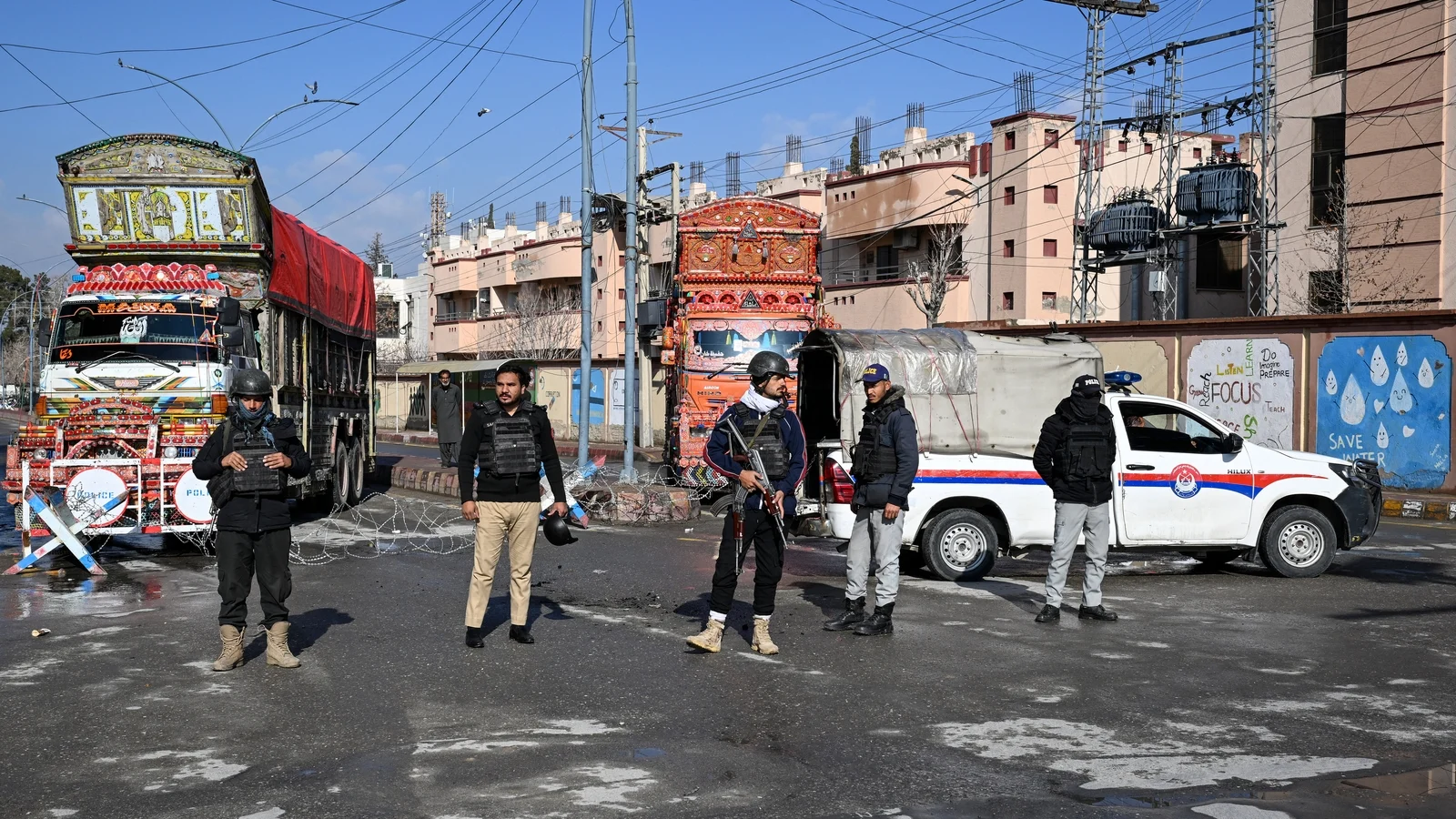
When the sun rose over Quetta after two days of coordinated violence, the city looked like a place paused mid-breath. Streets that earlier would have hummed with the rattle of rickshaws and the clink of tea cups were empty. A thin film of dust coated broken glass and twisted metal where cars once waited at intersections. Shop shutters stayed down not because of a curfew, but because people could not bear the risk of stepping outside.
“You hear silence in a way that makes your chest hurt,” said Hamdullah, a 39-year-old shopkeeper whose small grocery sits near a market now cordoned off by soldiers. “Anyone who leaves home today has no certainty of returning safe and sound. We are all waiting—waiting for news, waiting for safety.”
What Happened: A Sweeping, Brutal Strike
Over the course of two days, militants launched a synchronized onslaught across Balochistan—attacking banks, district prisons, police stations and military posts. Local authorities say at least 190 people were killed in the violence, which included suicide bombings, gun battles and brazen daylight raids. The provincial chief minister reported that about 31 civilians and 17 security personnel lost their lives, while security forces killed roughly 145 attackers in the confrontations.
In the chaos, a deputy district commissioner was reportedly abducted and a number of inmates were freed from at least one district jail. Video footage circulated by the group that claimed responsibility showed fighters on motorcycles and, in some clips, women bearing arms at the front of the operation—an image intended to shock and to signal a new level of tactical daring.
In response, authorities sealed off about a dozen sites across multiple districts as troops and paramilitary units conducted search-and-clear operations. Mobile internet services were jammed for more than 24 hours, trains were halted, and major road arteries were disrupted as the province tried to restore control.
Who Claimed the Attacks
The Baloch Liberation Army (BLA), which has waged an intermittent separatist campaign in Pakistan’s southwestern province for decades and is designated a terrorist organization by the United States, issued a statement claiming responsibility. The group said its targets were military installations and officials of the civil administration—an assertion that fits a longer pattern of insurgents protesting what they call exploitation of Balochistan’s natural wealth.
“They want to be seen, and they want their grievances heard—by force if necessary,” said a security analyst who follows insurgencies in South Asia. “This was not random. The coordination and the logistics required show planning and an intent to challenge the state’s writ.”
The Human Cost and a Province of Unease
Balochistan is Pakistan’s largest province by area—roughly 347,000 square kilometres, nearly half of the country’s land mass—but one of its least populated and most neglected. The 2017 census put the population at about 12 million people; years of underinvestment have left the region trailing in health, education and economic opportunity.
For residents, the attacks have reopened old wounds. Markets emptied, schools canceled classes and families gathered at mosques for communal prayers for the dead. At funerals, you could see the province’s social fabric on display—men clasping each other’s hands, women wailing softly behind veils, elders reciting verses that offered both comfort and a plea for answers.
“We are tired. We have heard promises of development for decades—roads, jobs, pipelines—but when something happens, it is always our children who pay,” said Fatima, whose cousin was among the civilians killed. “How many times must we bury our sons and daughters before anything changes?”
Local Details That Tell a Bigger Story
- Balochistan houses major infrastructure projects, including the Chinese-built port of Gwadar, and sits atop reserves of natural gas, coal and minerals that have attracted foreign firms and domestic extraction efforts.
- The province’s development indicators remain low compared with the rest of Pakistan, contributing to long-standing feelings of marginalization among many local communities.
- Separatist groups, including the BLA, have increasingly targeted non-local Pakistanis and foreign workers tied to energy and mining projects, framing their violence as resistance to perceived resource exploitation.
Politics, Accusation, and International Echoes
As the bodies were being counted and funerals arranged, political tempers flared. Pakistan’s interior and defence ministers traveled to the province, pledging retribution and vowing to “hunt down” the masterminds. Government spokespeople suggested—without presenting public evidence—that outside actors were involved in facilitating the attacks, a reference that implicitly fingered regional rivals.
New Delhi swiftly rejected such insinuations. “We categorically reject claims that seek to blame India for violence in Balochistan,” said a spokesperson for India’s foreign ministry, adding that such allegations were a distraction from Pakistan’s internal governance challenges. Whether or not external support played a role in this particular wave of violence, the charge keeps alive a familiar script in South Asian geopolitics—where borderlines of blame are as contested as territorial lines on maps.
Analysts note that such incidents also have wider geopolitical dimensions. China, which has poured billions into the China-Pakistan Economic Corridor and projects in Balochistan, is sensitive to attacks that target foreign workers and infrastructure. For Islamabad, preserving investor confidence is now as urgent as restoring local order.
What Comes Next?
The immediate response is tactical: cordon-and-search operations, intelligence sweeps, arrests and perhaps retaliatory strikes. But for Balochistan, the crisis is both immediate and structural. Military operations can clear streets and dismantle cells. They cannot, by themselves, close the gap between local expectations and the promises of resource-driven development.
“There is a paradox here,” a regional policy expert said. “Security without political inclusion breeds more insecurity. Unless people feel their harvests, jobs and schools are part of the equation, the grievances that feed insurgency will persist.”
So what should the world watch for? Look beyond the headlines for changes that matter: will funds earmarked for local development actually reach communities? Will displaced families receive compensation and support? Will investigations into the attacks yield transparent, verifiable findings, or will accusations simply ricochet across state media?
Final Thoughts: A Province in the Balance
In Quetta’s empty tea houses and on the outskirts where soldiers now patrol, life is suspended. Mothers whisper about sending their children to relatives in safer provinces. Shopkeepers calculate losses they cannot afford. A region rich in resources and history now wrestles with violence that is both new in its scale and old in its causes.
When the dust settles, it will be tempting for leaders to speak of triumphs and for streets to fill again with the banal noises of daily life. But the deeper question remains: can Pakistan turn a moment of crisis into a turning point—one that marries security with justice and jobs, not just checkpoints and crackdowns?
For those of us watching from far away, what does our attention—or lack of it—mean? Will we remember the faces and stories beneath the statistics, or let silence and distance make tragedy invisible? When a province at the edge of maps becomes the center of grief, global readers might ask themselves whether the world’s response will be measured in condolences or in sustained engagement.