They came for coffee. A man left in a pool of questions.
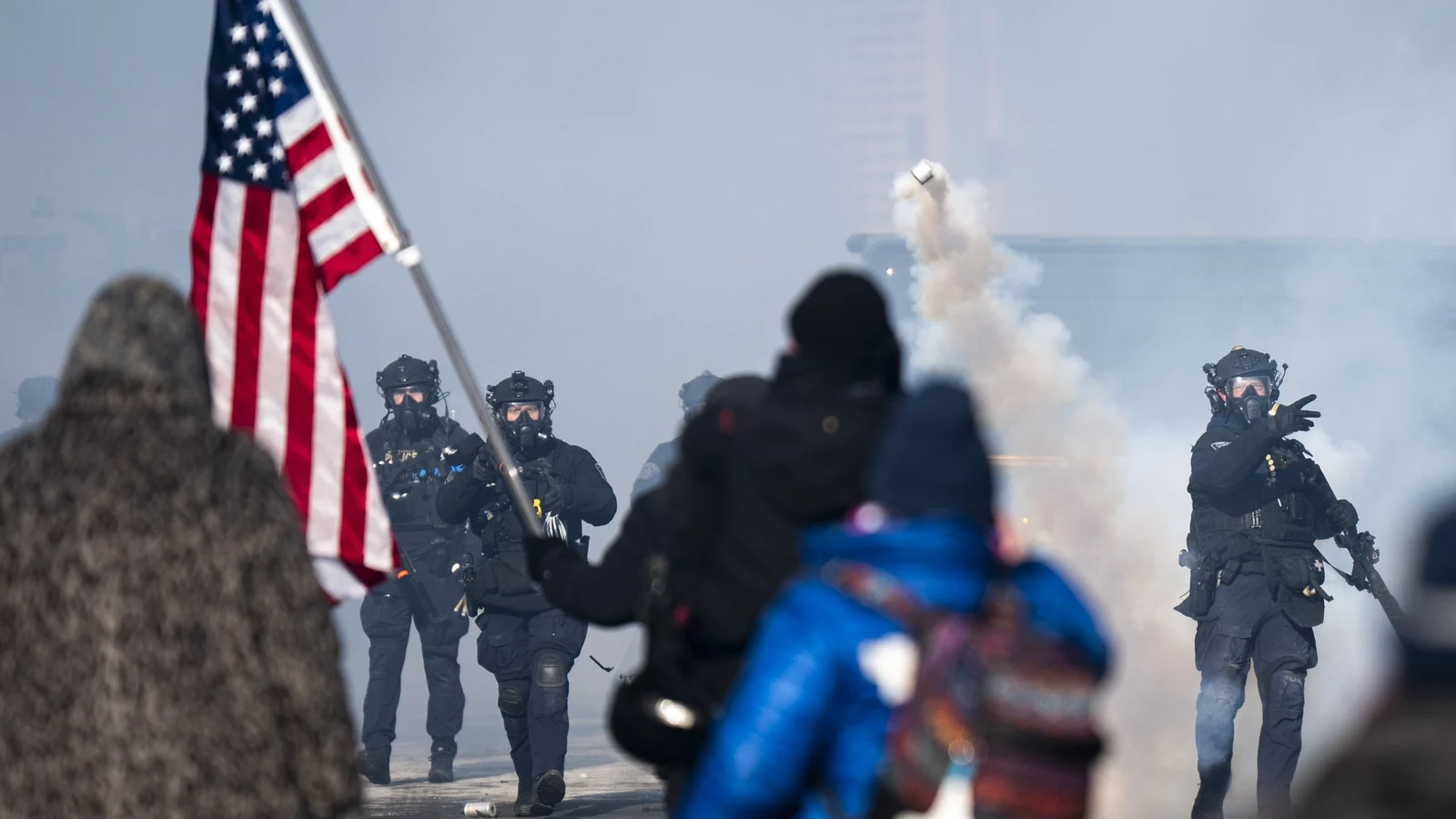
On a frost-stiff Saturday morning in Minneapolis, people arrived at the corner coffee shop for the ordinary comforts of caffeine and conversation. Instead, they got a demolition of certainty: bright cell-phone screens, a growing crowd, a federal operation unfolding on the sidewalk, and then, in a breadth of seconds that still feels impossible, a man on the pavement and the roar of shots that would send the city into a week of grief and fury.
If you watched the videos—if you live in the loop where social feeds and cable news replace front pages—then you know the frames. You know the way cameras hesitate, the way witnesses whisper into their devices. But knowing the picture does not make the questions easier. What was a medical nurse doing among federal agents? Why did national officials, within hours, call him a would-be domestic terrorist? And why, as images proliferated online, did those words not line up with the pictures?
What unfolded that morning
The man shot was identified in hospital and social networks as Alex Pretti, a 37-year-old nurse who worked in the ICU at the Minneapolis VA. Witnesses at the scene say Mr. Pretti was filming with his phone or holding it as he helped someone to their feet when federal agents—part of an immigration enforcement operation—moved in. Videos circulating online appear to show an agent taking a handgun from Mr. Pretti’s waistband. As the agent walks away, the first shot rings out. The footage that other bystanders captured becomes the lens through which the nation has tried to make sense of the event.
“He was just trying to help a woman who slipped,” said Maya Hernandez, 24, a barista who watched from the shop’s window. “Everyone had their phones up. One moment he’s standing, the next—bang. People started screaming. Nobody expected blood.”
Officials turn up the rhetoric
Within hours, the federal message had hardened. Department of Homeland Security leaders and the border agency’s public spokesman described Mr. Pretti not as a bystander but as a threat—someone determined to “massacre” officers, they said, who had “brandished” a weapon and “assaulted” agents at the scene.
That language landed like a blow. It shaped how some viewers interpreted the raw footage; it shaped how lawmakers readied their responses. But for many who watched the videos, the official framing felt retrofitted to the images—an uneasy mismatch between claim and captured reality.
“They called him a suspect before any independent review,” said Asha Verma, a policy analyst at a Minneapolis-based public-safety institute. “When officials use incendiary language, it changes everything: the public’s perception, the political calculus, and the urgency with which people demand accountability.”
Evidence, bodycams and the court of social media
One of the most ferocious modern ironies is that footage both empowers and muddles. The bystander videos sped around the country within hours—rewinds for television, threads of analysis on social platforms, frame-by-frame breakdowns by citizen-investigators who treat each pixel like testimony. Yet officials say they have footage the public has not seen: bodycam video, internal recordings, other perspectives that could explain what was allegedly unseen on the viral clips.
“If you have exonerating material, put it out,” implored Tom Li, 42, a neighbor who runs a small nonprofit and watched the clip dozens of times. “We need to know—because right now we’re watching a man die on repeat and trying to reconcile that with words like ‘terrorist.’ That’s a dangerous contradiction.”
What we know and what we don’t
- We know: Cellphone footage shows Mr. Pretti injured on the sidewalk and a handgun taken from his waistband.
- We don’t know: Whether agents perceived an imminent threat that justified the use of deadly force; whether additional video exists that shows actions unseen in the public clips.
- We know: Federal officials publicly described Mr. Pretti as a violent threat within hours.
- We don’t know: What documentary evidence, if any, underlies those public assertions.
Political shockwaves
The impact was instant and pervasive. Senate leaders face a live political crisis as they consider whether to advance legislation that funds DHS, including ICE and Border Patrol operations. Senators from both parties said their votes would hinge on the administration’s transparency and the outcome of independent investigations. In Washington’s calculations, footage is not just evidence; it is leverage.
“We cannot hand over more money without an independent inquiry,” said a senior Democratic aide who asked not to be named. “This isn’t about funding in the abstract; it’s about how federal agencies operate in our communities.”
Meanwhile, in Minnesota—where the VA nurse who died was a local worker and where the balance between federal enforcement and municipal sovereignty is already fraught—state leaders called for answers. “Our communities deserve truth,” said a state official. “And families deserve to grieve without their loved ones being called criminals on the morning of their funerals.”
Voices from the street, the hospital and the studio
In the small circles that make up a city, reactions vary but share an undercurrent of mistrust. At the VA hospital, colleagues still process the loss of a nurse described by some as “selfless” and “steady.”
“Alex was the guy who sat with veterans when nobody else could,” said a coworker, who asked that her name not be used. “He’d work triple shifts. To have him named a terror suspect—that’s an insult to his life.”
On national television, the face of the border agency defended the narrative. He reiterated that agents felt endangered, and he suggested their training justified the preemptive use of force. To viewers, the exchange only deepened the divide between official account and public perception.
Why this matters beyond Minneapolis
There are bigger currents under this story: the federalization of law enforcement; the friction between local governments and national immigration priorities; the weaponization of narrative in a polarized media environment. And woven through all of it is the role of the Second Amendment and how Americans interpret public demonstrations where firearms may be present.
“This is a moment, not just for a single family, but for the country,” said Professor Elena Morales, who studies police accountability. “How we respond to these incidents—independent investigations, timely release of evidence, clear rules about federal-local cooperation—will determine whether trust frays further or begins to mend.”
Questions to sit with
- When federal agents operate in a city, who sets the rules of engagement?
- How should authorities weigh the public’s right to see evidence with the need for a fair investigation?
- What happens to public trust when language from the top does not match the images on our screens?
What comes next
Investigations will proceed. Videos may be released. Lawmakers will posture, bargain and vote. Protesters will again take to streets already hardened by earlier clashes. A funding bill hangs in the balance—potentially tipping toward a shutdown if leaders cannot find common ground on transparency and reform. And a family will bury someone described, by those who knew him, as a caretaker.
For readers watching from elsewhere in the world, this is more than another American headline. It is a story about the erosion and repair of trust between people and the institutions supposed to protect them. It is about how technology has turned citizens into witnesses and witnesses into prosecutors. It is about what we demand from public servants when a clip on our phones becomes the only unmediated evidence we can trust.
What would you do if you saw a man fall on a sidewalk and the authorities’ words did not match what your eyes told you? How much evidence should be withheld in the name of procedure before the public loses faith?
There are no simple answers. But the persistence of the question matters. Because if a democracy cannot demand clear, timely truths when a life ends in public, then the scaffolding of accountability starts to creak—quietly at first, then loudly, in ways that touch us all.