A Courtroom, a Crown, and a Country Asking What a Free Press Really Means
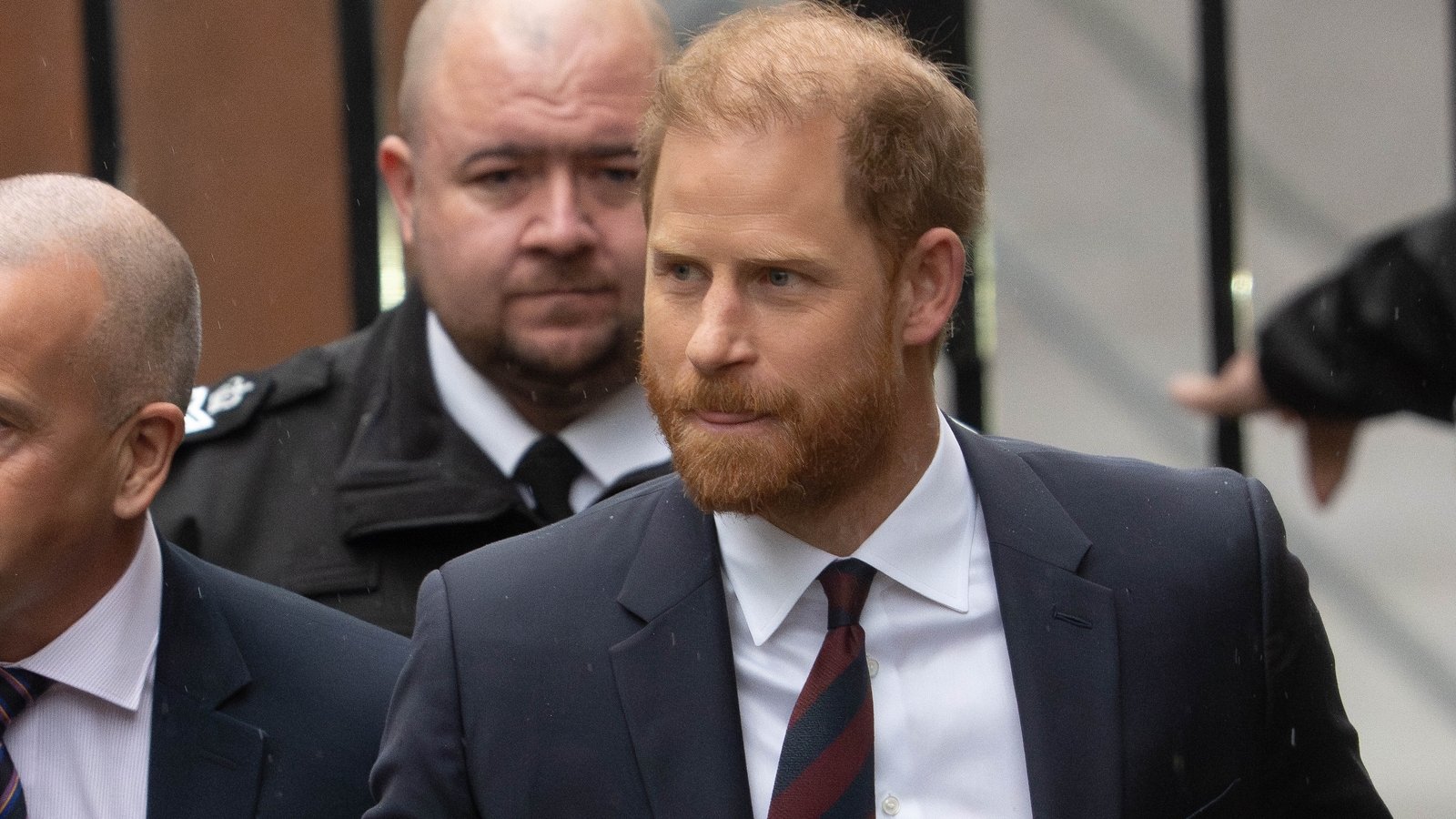
London’s High Court smelled of rain and takeaway coffee the morning Prince Harry took the witness stand. Tourists craned their necks toward the glass façade while reporters shuffled papers and phone screens glowed like constellations. Inside, beneath the quiet hum of ventilation and the measured tread of court officers, a very old public drama about power, privacy and the press was being retold in a new key.
“You have to understand what this feels like,” a woman who attends trials regularly told me as we stood outside the building. “This isn’t just a legal argument on paper. It’s about the kind of society we allow when newspapers push past the line.”
The cast and the claim
The case is as much about individuals as it is about institutions. Alongside Prince Harry—who has been publicly battling British tabloids for years—are six other claimants: Elton John’s husband David Furnish, anti-racism campaigner Doreen Lawrence, former Liberal Democrat MP Simon Hughes, and actors Liz Hurley and Sadie Frost. Together, they accuse Associated Newspapers, publisher of the Daily Mail and Mail on Sunday, of systematic unlawful information gathering across decades.
- Allegations include voicemail interception, the use of private investigators, “blagging” (deception to obtain private records) and other covert methods.
- The claimants say these practices fuelled dozens of intrusive stories about their private lives, from family matters to health and finances.
Associated Newspapers denies wrongdoing, calling the accusations “preposterous” and insisting its reporting relied on legitimate sources. The publisher points to the commercial and editorial pressures facing modern newsrooms—competition for scoops in an era of shrinking attention spans and expanding digital audiences.
A single voice, a wider ache
When Harry spoke in the witness box, the words were spare but loaded. He described a family crowded by headlines and haunted by the tactics of an industry that once chased his mother, Princess Diana. He framed this lawsuit as something more than a personal righting of wrongs: a civic duty to test the boundaries of press power.
“It’s not just for me,” he said to the court in a moment that clearly moved him. “It’s for anyone who thinks no one is above the law—and that includes the press.”
The emotion was palpable, and not only because of royal history. Over the past two decades Britain has repeatedly wrestled with how to regulate its tabloids. The 2011 closure of News of the World, the subsequent Leveson Inquiry (2011–2012) and a string of settlements and criminal convictions related to phone-hacking set the stage for today’s debates. Thousands claimed to be victims of intrusive journalism; some journalists and private investigators were convicted. Legislation and voluntary regulators followed, but many argue the reforms never fully healed the wounds.
What the trial is really testing
At stake is a fundamental tension: the right to free expression and the public’s right to know, versus the right to private life and protection from unlawful intrusion. In legal terms, the court is balancing Article 10 of the European Convention on Human Rights with Article 8—freedom of expression against the right to privacy. But this is about more than articles of international treaties. It’s about children waking up to headlines about their parents, about grief made public before it’s private, and about whether the most powerful media organizations can be held to account by ordinary courts.
“There’s a structural imbalance here,” said a media-law academic I spoke with. “Large publishers have resources, lawyers and archives. Individuals—even famous ones—have fewer avenues to remedy invasion of privacy. Cases like this help clarify where the line should be drawn.”
Voices from the street
Outside, opinions split along familiar lines. “They’re famous—are they asking for censorship?” asked a young man from south London. He shrugged, fingers cold around a paper cup. “But then again, nobody deserves fake phone taps.”
A woman who works at a café near the court said she had served Prince Harry once when he visited a charity event. “He was just like anyone else—quiet and polite,” she said. “Seeing someone like that upset in public makes you think: how would an ordinary person survive that kind of attention?”
Numbers and influence
It’s worth remembering the scale. Associated Newspapers’ digital arm, MailOnline, is among the largest English-language news websites in the world, claiming global reach into the hundreds of millions of readers a month as recently reported. That size matters: stories printed within such networks ripple quickly, shape narratives and can be hard to retract once in the public stream.
Meanwhile, data on press complaints and privacy claims show an uptick in legal actions over the past decade, and a growing willingness among public figures and private citizens to take publishers to court. Whether that trend curbs invasive reporting or simply leads to more litigation and settlements remains a live question.
What happens next—and why it matters beyond Britain
The trial will continue with testimony from other claimants and experts. Its outcome could influence how editors, reporters and commercial operations think about risk; it could compel publishers to tighten source verification; or it could embolden tabloids to continue aggressive reporting under the banner of public interest.
For readers outside the UK, this might read like a particularly British melodrama—but the themes are universal. Democracies everywhere grapple with the role of an adversarial press, the ethics of undercover reporting, and the psychological toll on individuals who are treated as news fodder. Social media multiplies stories at speeds that make retractions feel like afterthoughts. As we sort truth from sensation, courts often become the battleground where values are tested.
So I ask you, the reader: what kind of press do you want in your country? One that will relentlessly pry into the private lives of the powerful and famous, or one that values accuracy, consent and restraint even when stories are tempting? Are we willing to accept the collateral harm of an unregulated chase for eyeballs?
In the hallway outside the courtroom, beneath portraits of stern jurists and the soft murmur of conversation, a junior barrister paused and looked toward the steps. “These cases can change how we live together,” she said. “Sometimes you only notice what’s been taken from you when you stand to reclaim it.”
The trial is a story of personalities and tabloids, of law and legacy, but at its heart it is about expectations—what a free press should do, and what a civilized society should protect.