A March That Forgot Its Place: How Spring Turned Scorcher Across America’s Heartland
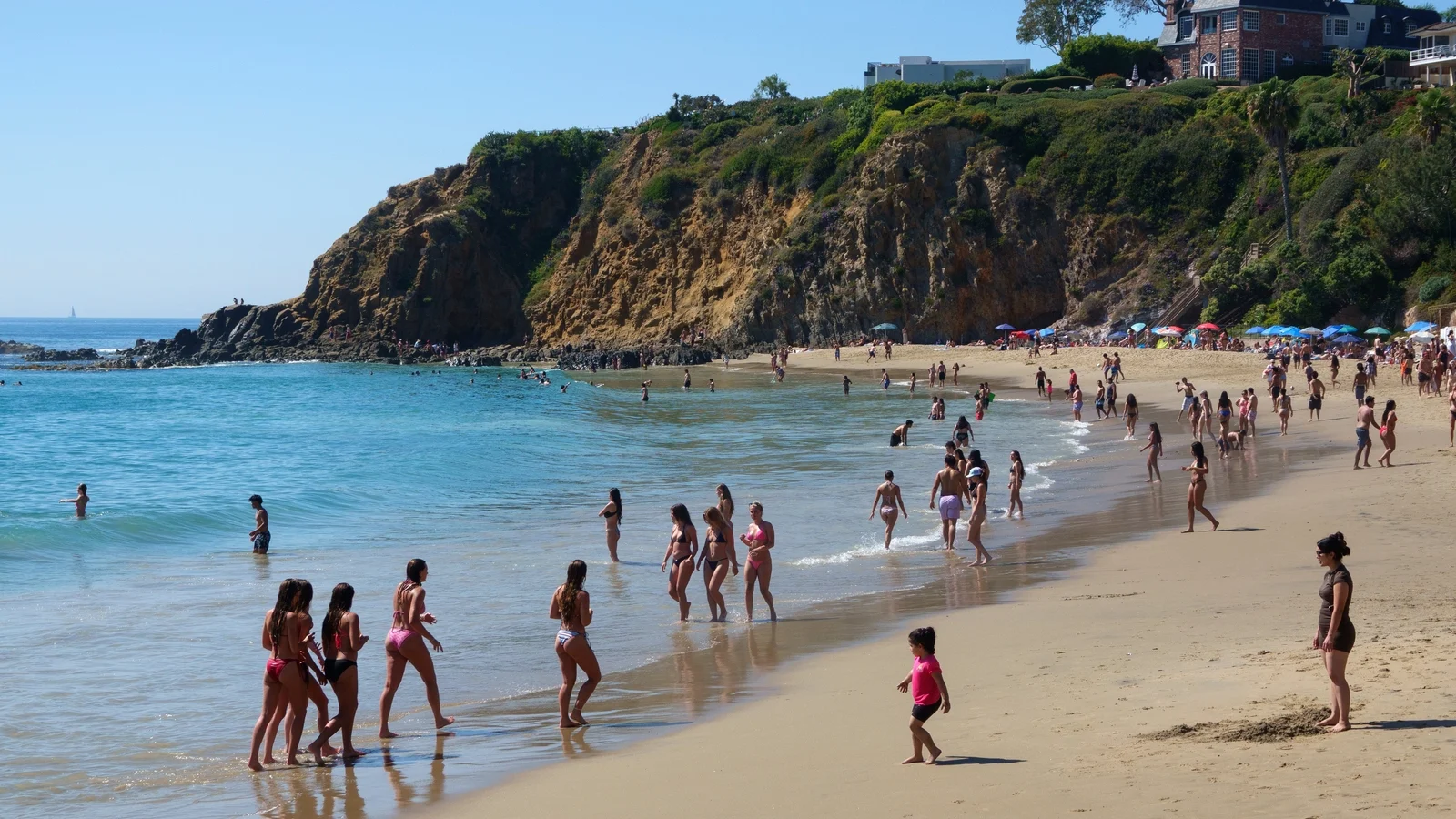
Walk outside in Kansas City and you could swear the calendar page had been snatched and replaced with July. The air felt thick and a little guilty—too warm for March, too unapologetic for a season that is supposed to be thawing, not blazing.
Across a sweep of the western and central United States, a heatwave more commonly seen in high summer surged eastward, baking landscapes that had been frozen the week before. Dozens of monitoring stations recorded their warmest March readings on record, according to the National Weather Service Weather Prediction Center, and the numbers read like a geography lesson gone rogue: Kansas City and North Platte, Nebraska, both touched 33.3°C (about 92°F); Chanute, Kansas, flipped from a record low of −10.5°C (13°F) on March 16 to a record high of 32.8°C (91°F) just four days later.
From Frost to Furnace: The Speed of the Shift
It’s one thing to wake to a late frost and another to watch a landscape pivot from ice to bloom in the span of a long weekend. Trees that still carried the sugar-crisp skeleton of winter leafed out, and lawns—fed by unusually heavy rains last winter—grew with surprising aggression. In Phoenix, a city that boasts some of the nation’s hottest summers, last night’s low was 21.1°C (70°F), the earliest date the overnight temperature had stayed that warm in the year on record.
Then there was the extreme outlier along the southern California–Arizona border, where readings climbed to 44.4°C (112°F)—a national record for March. The same desert counties where creosote and mesquite tend to talk in heat-scorched whispers were under extreme heat warnings from the NWS, while much of the central Plains—Nebraska, Kansas, Oklahoma—was slapped with red flag warnings signaling a heightened wildfire threat.
Why the numbers matter
Numbers are not just digits on an instrument; they are a map of consequences. Heat spikes push electricity demand, strain hospitals, and dry out soils at a critical time for farmers and ranchers. Cities feel it differently: paved surfaces hold and reradiate heat, and the overnight temperatures — the “low” that never gets low enough — dictate how much respite people, plants, and animals receive.
Voices from the Ground: People, Plants, and Animals React
“I went from shoveling frost off my truck to turning on the A/C in three days,” laughed Maria DeLuca, a barista in Kansas City, who watched patio seating fill up under a sun that felt indecent for the month. “People were in sandals. We joked that March was having an identity crisis.”
At a small ranch outside North Platte, cattleman Tom Herrera sounded less amused. “Calving season’s set by the weather. When it jumps around like this, it messes with feed, with parasites—everything comes earlier or later than you’re ready for,” he said, his voice threaded with fatigue. “We had green grass that looked too good to be true. Problem is, it might flame out in a week if it gets hot and dry again.”
Wildlife, too, seemed disoriented. Migrating birds arrived earlier than expected in some corridors, and in the scrublands near the border, crepuscular mammals were forced to adjust their patterns. “These biological cues—blooming, migration—are in lockstep with temperature. When that dance is disrupted, the whole orchestra can fall out of tune,” said Dr. Laila Musa, an ecologist who studies phenology, the timing of natural events.
Scientific Reality: Not a Coincidence
There is a growing chorus among climate scientists that says these extreme heat events are not anomalies but expected outcomes of a warming world. “The evidence is overwhelming,” said Dr. Aaron Kim, a climate scientist at a university climate center. “Since pre-industrial times, the planet has warmed by about 1.1°C on average. That doesn’t sound like much in a single sentence, but it translates into far more frequent and intense heatwaves. Warmer air holds more moisture, shifts jet streams, and amplifies extremes.”
Peer-reviewed studies and climate models repeatedly point to a fingerprint: human-driven warming—chiefly from burning fossil fuels—makes heatwaves hotter, longer, and more likely. And because the baseline temperature has shifted upward, what used to be an exceptional event becomes, over time, the new normal.
Immediate risks and long-term stakes
Short-term, communities face increased risks of heat-related illness, heightened wildfire danger, agricultural disruption, and strain on power grids. Long-term, these events feed into broader patterns: earlier springs can lead to mismatches in food webs, water-demand changes, and the destabilization of ecosystems that underpin local economies and cultural practices.
Local Color: How Regions Felt the Heat
In Phoenix, late-night walks along the Salt River shifted from comfortable to tropical; people lingered under mesquite trees, watching heat rise like a mirage above asphalt. In the Midwest, prairie grasses that had been dreaming of spring were suddenly outpacing the calendar, painting cattle pastures a lush green that had ranchers both relieved and wary. And in Southern California’s borderlands, the desert exhaled a dry, hot breath that made the roadside air shimmer.
“The jacarandas are early this year,” said Rosa Martinez, a retired schoolteacher in San Diego County, pointing to purple clouds of blossoms. “They’re beautiful, but when everything blooms too soon, it feels like the world is speeding up and we’re not sure why.”
What Can Be Done—and What You Can Ask Your Leaders
Heatwaves like this are a wake-up call and a test. They reveal vulnerabilities in infrastructure, public health systems, and land management. Response includes immediate measures—cooling centers, targeted advisories for vulnerable populations, and fire preparedness—and longer-term shifts: electrifying buildings, expanding tree canopy in cities, and transitioning energy systems away from fossil fuels.
- Immediate actions: expand public cooling centers, conserve water, implement targeted advisories for at-risk groups.
- Short-to-medium term: retrofit buildings for cooling efficiency, harden power grids, update land management to reduce wildfire risk.
- Long-term: accelerate decarbonization, invest in community resilience, protect and restore natural ecosystems that buffer climate extremes.
So I ask you, reader: when a March day feels like a July afternoon, do we shrug and adjust our calendars, or do we ask why? How will we protect communities who already shoulder the most burden—the elderly, outdoor workers, and marginalized neighborhoods with fewer trees and less access to cooling?
Concluding Thoughts: A Season That Demands Our Attention
This heatwave was not just about headline temperatures or new records. It was a vivid, tactile lesson in how a changing climate reaches into daily life: into the timing of a farmer’s work, the schedule of a migratory bird, the comfort of an evening on a city patio. It pressed on the pause button between seasons and forced a reckoning with the reality that weather once considered seasonal is becoming more volatile.
There will be cooler days again—there always are—but the question is what we learn from the feverish ones. Will we treat them as curiosities or as clues? The choice we make now will shape the calendars, livelihoods, and ecosystems of decades to come.