A Cup to Remember: Can Your Morning Brew Protect Your Mind?
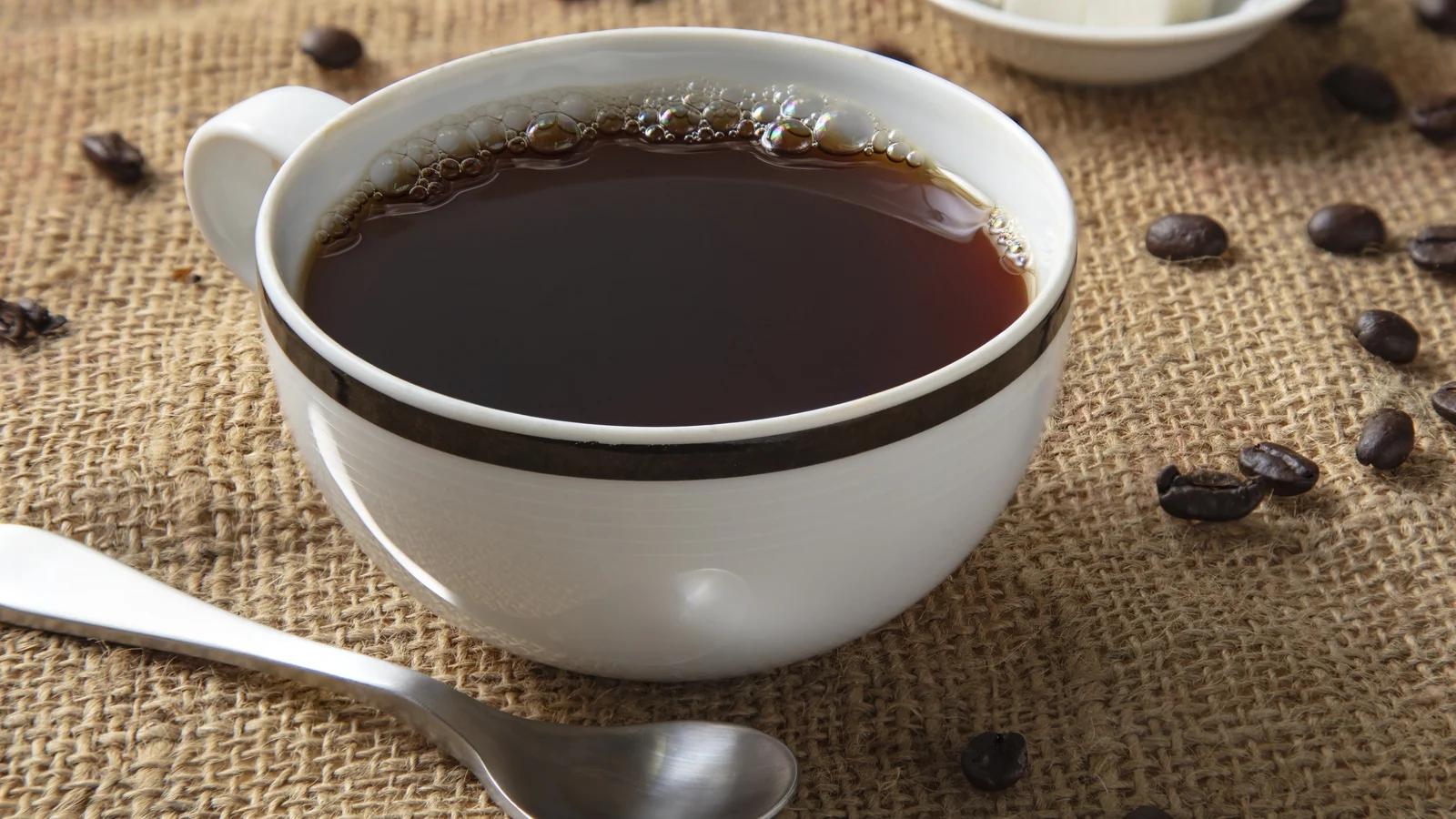
There are mornings when a city smells of coffee—steam rising from paper cups, chatter at sidewalk tables, the ritual clink of spoons against porcelain. We reach for that first warm mug for many reasons: comfort, routine, a small, civilized defiance against sleep. Now, new research suggests that the humble cup might offer something else: a modest shield against the slow fade of memory that haunts millions worldwide.
Researchers analyzing the lives of more than 130,000 men and women across decades found a striking pattern: those who regularly drank caffeinated coffee or a modest amount of tea were less likely to develop dementia than those who drank little or no caffeine. Over a follow-up that stretched as long as 43 years in some participants, the people with the highest intake of caffeinated beverages had roughly an 18% lower risk of dementia.
What the study actually looked at
The teams behind the finding drew on two of the United States’ longest-running health studies: the Nurses’ Health Study and the Health Professionals Follow-Up Study. Altogether, the sample included 131,821 participants, of whom 11,033 developed dementia during the observation window. Diet, subjective cognitive complaints, objective cognitive testing, and other health markers were collected repeatedly, giving the researchers repeated snapshots of lifestyle and cognition across midlife and older age.
Perhaps the most intriguing detail: decaffeinated coffee did not confer the same apparent benefit. Tea — in moderation, roughly a cup or two a day — mirrored the positive signal, suggesting caffeine itself, or other compounds that travel with it, may hold neuroprotective potential.
Voices from the morning crowd
“I’ve had coffee with breakfast every day for 50 years,” says Evelyn, 78, a retired schoolteacher who lives on the outskirts of Dublin. “My daughters joke that it’s what keeps me going. It’s heartening to hear my little habit might have been doing more than lifting my spirits.”
Across the city, João Silva, a barista who has been pulling espressos for a decade, chuckles: “People come in and tell me their life story over a double shot. If those shots help keep the mind sharp, I feel like a community pharmacist.” His fingers move with long practice, tamping, pulling, timing—rituals as much scientific as cultural.
Why might caffeine help?
Scientists don’t claim coffee is a miracle cure. But biology offers plausible ways caffeine — and the other bioactive chemicals in coffee and tea, such as polyphenols — could protect brain cells. These compounds can temper inflammation, reduce oxidative stress that damages cells, and influence neuronal signalling in ways that, over time, may slow cognitive decline.
“We also compared people with different genetic predispositions to developing dementia and saw the same results — meaning coffee or caffeine is likely equally beneficial for people with high and low genetic risk of developing dementia,” said Yu Zhang, one of the study’s lead researchers. That observation suggests the relationship is not simply a quirk of family history.
Neurologists caution, however, that observational studies cannot prove cause and effect. “What this research gives us is a strong signal — a pattern consistent over a very long time,” says Dr. Maya Kapoor, a neurologist who studies aging and cognition. “But we still need randomized trials and mechanistic work to know whether caffeine itself is protective and through what pathways.”
How much is enough — and what’s too much?
If you’re picturing a limitless coffee fountain, slow down. Across interviews and expert commentary, a common refrain emerges: moderation. The sweet spot in this study seemed to be two to three cups of caffeinated coffee a day. Above that, the benefits plateaued rather than soared.
Professor Donal O’Shea, an endocrinologist, described the findings as “reassuring” for people worried about memory loss, while urging prudence. “Two to three cups of coffee a day seems to be the sweet spot. Caffeine does affect your circulation,” he noted, reminding listeners that individual tolerance—sleep, anxiety, blood pressure—matters.
That advice resonates with real-life experience. “My mother always said, ‘A little is good, too much is trouble,’” Evelyn laughed. “She was right about a lot of things.”
Practical takeaways
- Moderate consumption — around two to three cups of caffeinated coffee, or one to two cups of tea — was associated with lower dementia risk in the study.
- Decaffeinated coffee did not show the same association, pointing toward caffeine (or molecules that come with it) as an active ingredient.
- The benefit appeared across people with differing genetic risk, suggesting broad potential relevance.
- Observational studies can’t prove causation; lifestyle, diet, education and other factors may also play significant roles.
Context: why this matters now
Dementia is not a single disease but a collection of conditions that erode memory, judgement and independence. The World Health Organization estimated tens of millions of people live with dementia worldwide — a number that is projected to rise as populations age. In a world where definitive prevention remains elusive, even small risk reductions matter. An 18% relative reduction in risk across a large population could translate into hundreds of thousands of people keeping more of their cognitive faculties for longer.
And there’s culture wrapped up in it: coffee and tea are woven into rituals of home and work around the globe. From the Turkish cezve steaming at dawn to iced coffee lines in Tokyo, these are moments of pause—and, possibly, protection.
Questions to keep brewing
As you reach for your cup tomorrow, consider: do our daily rituals do more than sustain mood and sociability? Could common comforts be quietly shaping long-term health? And if coffee and tea do help, how do we ensure equitable access to the benefits and avoid overlooking other crucial prevention strategies—exercise, sleep, blood pressure control, social engagement?
“We don’t want people to think that simply drinking coffee is enough,” says Dr. Kapoor. “It’s one piece of a larger puzzle.” But she adds, with a smile, “If it’s also one of life’s small pleasures, then that’s a happy bonus.”
Final sip
There’s beauty in the idea that small, everyday choices—rituals that link past to present, that anchor us in morning light—might carry deeper consequences for our future selves. Whether you prefer a strong espresso, a milky latte, or the quiet clarity of green tea, the growing body of evidence nudges us toward moderation and balance. And perhaps the next time you take that first sip, you’ll taste not only caffeine but a little hope.