A Peace Table Under Fire: Diplomacy Interrupted by Missiles
On a cold night when negotiators sat in chandeliers and whispered formulas of compromise in Abu Dhabi, the sky above Kyiv and Kharkiv erupted with a different kind of negotiation — one conducted in steel and fire.
Ukraine’s Foreign Minister Andriy Sybiga did not mince words when he took to X the next morning: “Cynically, Putin ordered a brutal massive missile strike against Ukraine right while delegations are meeting in Abu Dhabi to advance the America-led peace process. His missiles hit not only our people, but also the negotiation table.” For many Ukrainians that image — a physical blow to diplomacy — felt painfully literal.
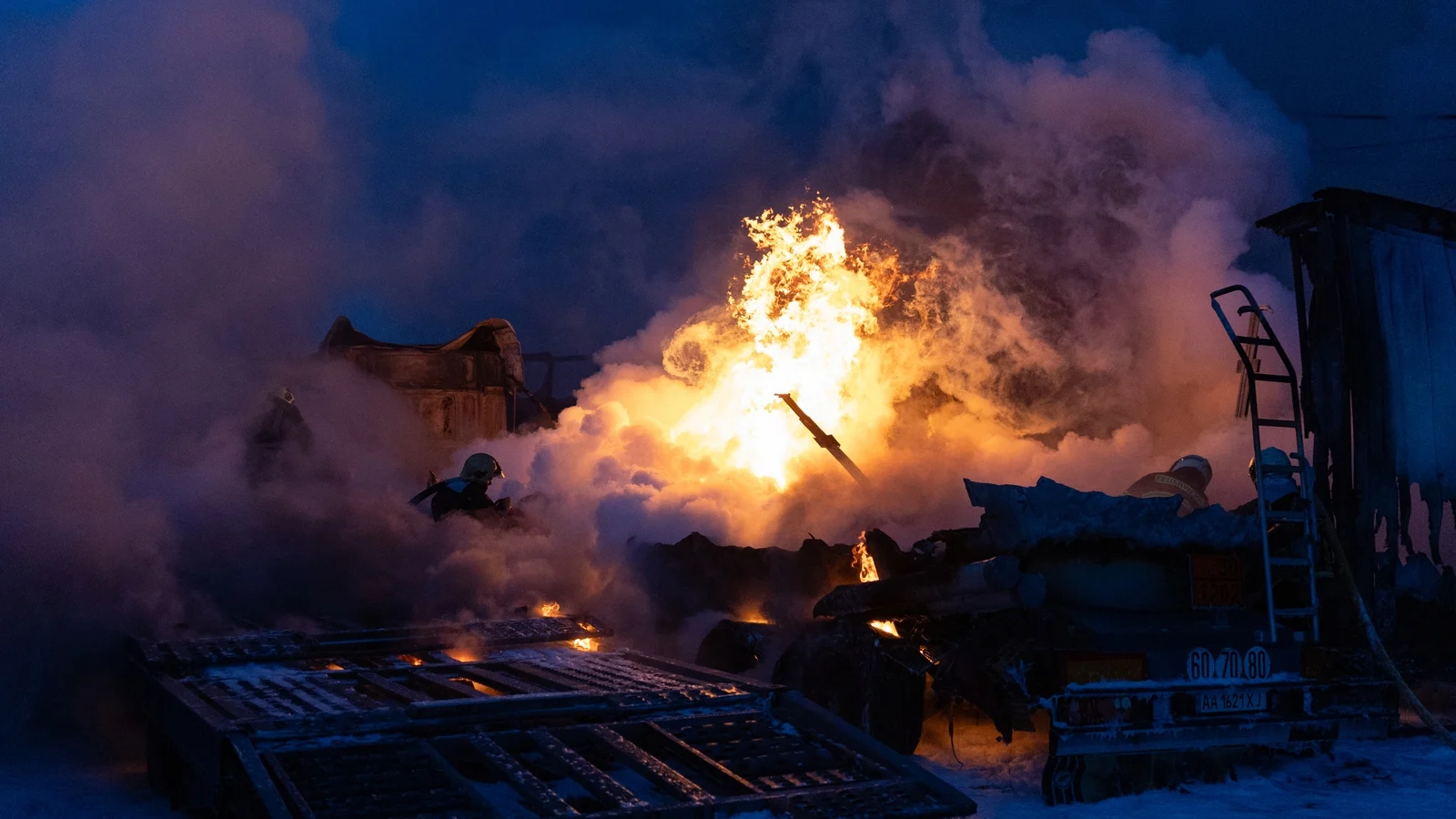
By dawn, rescue crews and firefighters were sifting through the rubble of a damaged apartment block in Kyiv. Across the city, hospitals filled with the injured, and social media feeds filled with video of electricity pylons blackened by explosions. Officials reported one person killed and at least 23 wounded in the raids that hammered the country’s two largest cities.
The Scale of the Strike: Drones, Missiles, and a Targeted Strategy
Ukraine’s air force put a chilling number to the attack: 375 drones and 21 missiles launched against Ukrainian targets in the early hours. The pattern was familiar — sustained assaults on energy infrastructure designed to do more than destroy metal and concrete. They aim to remove light and heat from homes, to make the winter itself an instrument of suffering.
- 375 drones and 21 missiles reported by Ukraine’s air force
- One civilian killed, at least 23 injured
- Approximately 800,000 Kyiv residents reported without power
- Temperatures in the capital hovering around -10°C (14°F)
“They bombed the substations, not the factories,” said Olena, a nurse in central Kyiv whose building lost heat at 2 a.m. “This is winter warfare. You don’t just break infrastructure — you break people’s routines, their ability to keep children warm.” Her voice, raw and exhausted, carried the weary resignation of someone who has already survived multiple blackouts this season.
Winter at the Brink: Cold, Darkness, and Daily Life
There is a particular cruelty to strikes on power lines in the middle of winter. At around -10°C, loss of electricity means loss of heat and hot water, which quickly turns apartments into brittle spaces. Residents huddle under layers of blankets, line up at battery-charging stations and, where possible, light stoves that may be prohibited in high-rise buildings because of fire risk.
“We went from an argument about what to cook for dinner to arguing about how to keep our baby from getting hypothermia,” said Bohdan, a father of a six-month-old in the Shevchenkivskyi district. “You can negotiate with diplomats as much as you like, but here at home we’re negotiating with the cold.”
Emergency shelters opened in community centers and churches, their halls filled with the muffled cacophony of people and portable heaters. Volunteers — often young people in puffy jackets and wool hats — ferried hot tea, batteries and blankets to stairwells and elderly residents. “We keep busy so we don’t think too much,” said Katya, a volunteer who has been part of a neighborhood response network since 2022. “Every delivery is an act of resistance.”
Energy as a Weapon
Targeting electricity and heating infrastructure is a known tactic in contemporary conflicts: it inflicts immediate civilian harm, increases public pressure on governments, and strains emergency services. Ukrainian officials, including President Volodymyr Zelensky, underscored a related, pressing demand — that agreements on air defence discussed in Davos this week be implemented in full.
“If what was discussed at Davos is to mean anything,” said an anonymous Western security analyst working with Ukrainian counterparts, “it must translate into tangible air-defence capacity on the ground — more interceptors, more integrated sensors, faster intelligence sharing. Otherwise, the same holes in the sky will be exploited again and again.”
Diplomacy in Abu Dhabi: Talks Shadowed by Demands and Denials
The missile barrage landed as negotiators from Russia, Ukraine and the United States entered the second day of meetings in Abu Dhabi — a tightly choreographed trilateral effort described by some Western officials as the most concrete break in frozen diplomacy in months. The optics were jarring: a room of diplomats trying to sketch a path out of almost four years of conflict while towns back home were aflame.
Kremlin spokesman Dmitry Peskov reiterated Moscow’s long-standing stance that Ukraine must cede control of the Donbas, the industrial heartland comprising Donetsk and Luhansk regions. That demand was reported prior to the strikes and remained a red line for Moscow, complicating any near-term settlement.
Inside Abu Dhabi, diplomats sometimes move in two parallel universes: the lacquered quiet of conference rooms and the messy, violent realities they seek to address. “There is a kernel of sincerity in some delegations and outright posturing in others,” said a diplomat attending the talks who requested anonymity to speak candidly. “But the missiles tonight were a brutal reminder: you can’t negotiate in a vacuum of violence.”
What Justice and Accountability Look Like
Ukrainian officials were quick to call for accountability. Minister Sybiga wrote that incidents like these show “Putin’s place is not at the board of peace, but at the dock of the special tribunal.” Legal scholars watching from abroad warn that proving intent and obtaining enforcement in international courts is long and arduous, yet vital for a postwar reconstruction of norms.
“International law can be slow, but it’s also a moral ledger,” said Dr. Miriam Alvarez, an international humanitarian law expert. “Documenting attacks on civilian infrastructure creates the basis for future prosecutions and for the reparations societies will need to rebuild.”
Looking Ahead: Can Talks Survive the Sound of Explosions?
There is an uncomfortable question now: can a peace process proceed meaningfully while strike sorties continue to punish civilians? For negotiators, the answer may require a temporary ceasefire, verified humanitarian pauses and a tangible reduction in attacks on civilian infrastructure — not simply words exchanged over round tables.
For ordinary Ukrainians, the calculus is more immediate. Will their children sleep warm tonight? Will the hospital still have power when an ambulance arrives? Will a family’s fragile savings be enough to replace a burned-out boiler?
As winter wears on and the Abu Dhabi talks press forward, the world is confronted again with a persistent tension in modern conflict: diplomacy’s slow, hopeful gestures on one side, and the instantaneous, brutal logic of military force on the other. Which will define the next chapter?
We can watch from afar, reflect, demand accountability and push for concrete support — or we can pretend negotiations and night-time strikes are separate stories. Which would you choose? How should the international community reconcile urgent humanitarian needs with the slow machinery of diplomacy? The answers will shape not just Ukraine’s future, but how the world responds to wars that increasingly target the bones of everyday life.