The Long, Quiet Trade: Bodies, Boxes, and the Business of Mourning
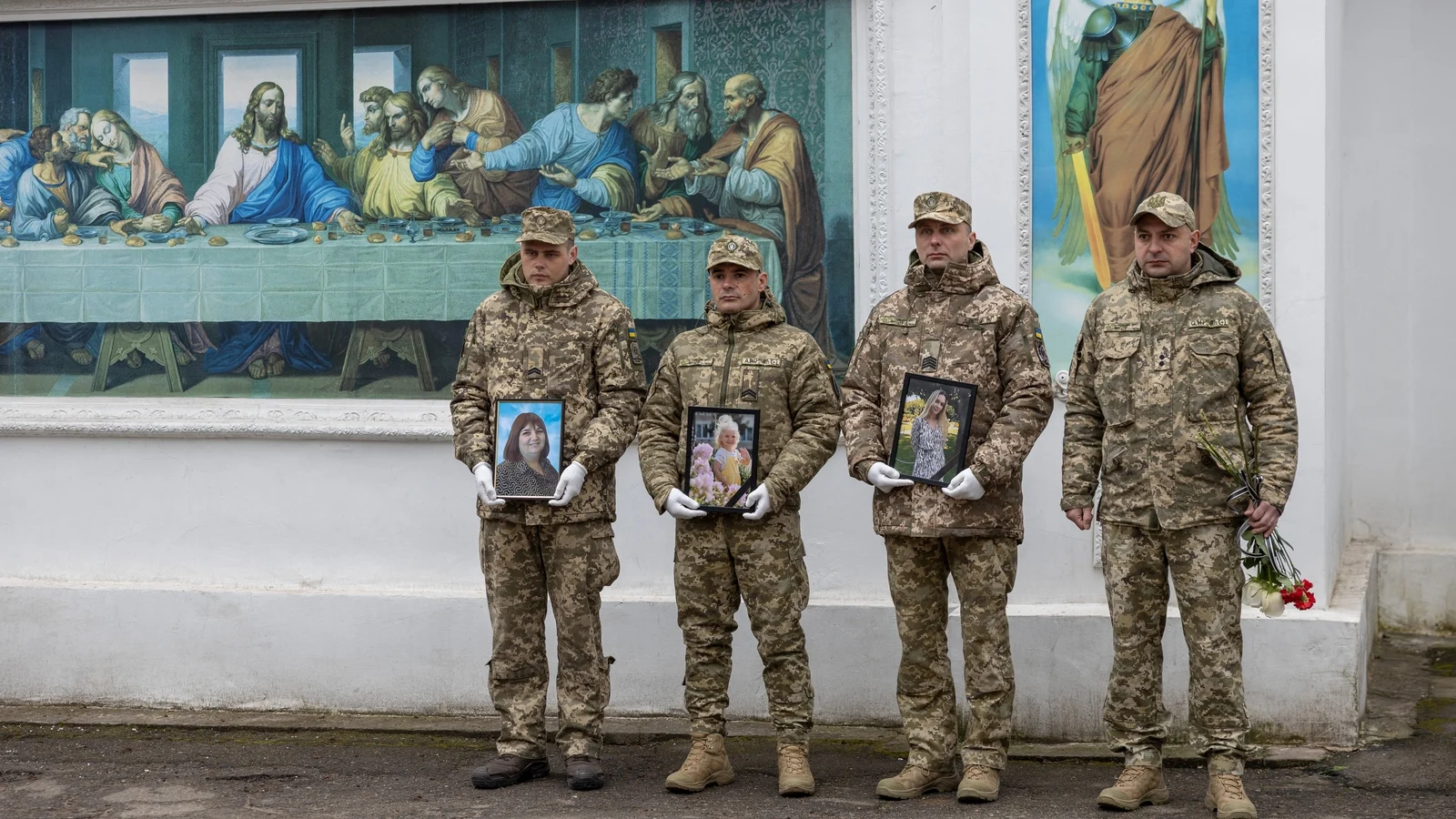
On a frost-bitten morning somewhere between front lines and border checkpoints, a convoy arrived and men in white overalls and blue gloves lifted white body bags like fragile bundles of history. In grim, efficient choreography they moved them from one truck to another, under the thin, grey gaze of Red Cross observers. Moscow says it handed over 1,000 bodies. Kyiv says it returned 41. Numbers in a war are both blunt instruments and fragile stories—each one representing a name, a family, a life reduced to coordinates on a map.
“You count them not because they are numbers, but because each one is a person,” said a woman who works in the Coordination Headquarters for the Treatment of Prisoners of War in Kyiv, as she thumbed through a list of provisional identifications. “We call families. We try to make sure there is a dignified burial. That dignity matters.”
For more than four years, the exchange of remains has been among the few persistent strands of cooperation between adversaries. The International Committee of the Red Cross has been a regular unseen presence, facilitating repatriations that the world treats as logistical necessities but that, to small towns and grieving mothers, are the difference between silence and a funeral. Last month the Red Cross said it was facilitating exchanges of roughly 1,000 bodies a month and warned that “thousands and thousands” remain unidentified. Those are not abstract figures—they are stacked in morgues, sealed in plastic, waiting for DNA tests, for cross-checks, for the kindness of recognition.
In Kharkiv, where the steady rumble of artillery has become the percussion of daily life, infantrymen practise tactical drills between trenches and sun-baked courtyards. A church bell tolled in the distance the afternoon a new batch of names was released. “We light candles now for people we don’t yet know,” said Oleh, a funeral director who has overseen dozens of burials since 2022. “You bury a man without a face and the village still needs to mourn.” He brought out an embroidered towel, a small loaf of bread, and traced his thumb across Cyrillic letters on a checklist. “There is a ritual for grief even when the identity is missing.”
What the exchanges reveal
These transfers expose a paradox of modern conflict: while bullets, drones, and cyberattacks tear systems apart, very human procedures persist. Families want the remains of their sons, daughters, fathers, and mothers returned for a proper burial. Humanitarian law obliges combatants to account for the dead. Yet there are also shadows: Kyiv has accused Moscow in previous transfers of slipping in bodies of Russian soldiers among those claimed as Ukrainian. Verification is slow, sometimes impossible.
“DNA is our only impartial witness,” said Dr. Marta Ivanenko, a forensic analyst based in Lviv. “But DNA work takes time and money. Resources are strained and the dead cannot speak for themselves.”
Trust on Trial: Budapest, Brussels, and the Leak that Shocked Europe
While embalmers and forensic labs do their patient work, the capitals of Europe have been wrestling with another kind of fallout: a crisis of confidence. Investigative outlets from Eastern Europe published leaked recordings that suggest Hungarian Foreign Minister Péter Szijjártó passed sensitive EU documents to Russian counterparts—some reports even say he offered to transmit an EU file through the Hungarian embassy in Moscow related to Ukraine’s accession talks.
For a union built on shared institutions and mutual security, the allegations felt like rust in the machinery. “If a member state is quietly feeding information to a rival power, that is not just a breach of protocol—it is a breach of solidarity,” said an EU official speaking on condition of anonymity. “We need an explanation, and we need it urgently.”
Hungary heads to an election this week, where Prime Minister Viktor Orbán is seeking a fifth term. That political clockframe adds heat to the accusations; domestic politics and geopolitics have become entangled like winter vines. “This is a betrayal,” said France’s foreign minister in blunt terms. “The foundations of trust in the EU are not negotiable.”
What should trouble global observers is not only the alleged content of private conversations, but what they imply about alliances in an age of disinformation and fractured loyalties. How much of the European project is built on shared benefit, and how much on tacit agreements that can be quietly undermined?
Beneath the Waves: Cables, Submarines, and the New Geography of Vulnerability
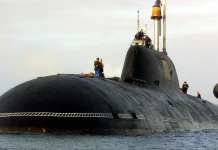
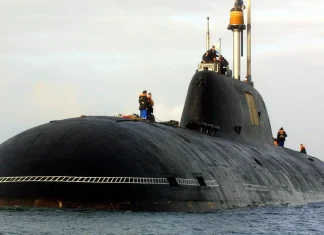
Out at sea, another form of silence raises the alarm. This year, British and allied ships shadowed Russian submarines in the High North, tracking their movements around undersea cables and pipelines—the nervous system of global commerce. Britain’s defense minister said vessels were deployed to deter any attempt to damage critical infrastructure. The submarines, according to officials, have now left the area and no damage was found.
Consider this: roughly 95% of intercontinental data traffic traverses submarine cables. A cut, a blind explosion, a precise clamp, and whole sectors of digital life—from banking to healthcare to newsrooms—could flicker off. “It’s not just steel below the waterline,” said Ingrid Möller, a maritime security analyst in Oslo. “It’s a fragile, interdependent lattice that holds modern life together.”
Churchless stretches of ocean suddenly matter for national security. The UK says the Russians were using the distraction of conflicts elsewhere as cover for furtive operations in the Arctic and North Atlantic. Whether the motive was intelligence-gathering, sabotage, or strategic posturing, the message was clear: the undersea domain is a contested frontier.
Quieting the Press: Novaya Gazeta and the Erosion of Dissent
Back on land, in Moscow, masked security officers walked into the editorial offices of Novaya Gazeta. Vans from the Investigative Committee parked outside. Staff were kept from their own records. The publication, once a proud standard-bearer of investigative journalism in Russia and home to a Nobel Peace Prize-winning editor, has been under pressure for years. Reporters from the outlet have been murdered; colleagues still remember Anna Politkovskaya, whose death in 2006 sent a chill through Russia’s journalistic community.
“When you shut a newsroom, you don’t just close a door—you close a mirror,” said a former Novaya journalist, now in exile. “A mirror that used to reflect the abuses of power.”
Independent journalism is not merely an inconvenience to authoritarian rulers; it is part of the connective tissue of free societies. When that tissue frays, the consequences ripple: less accountability, more propaganda, and a sharper tilt toward secrecy in state affairs—exactly the environment that makes accusations of secret diplomacy and covert submarine missions all the more combustible.
Threads That Tie: Why These Stories Matter Globally
What links these seemingly disparate scenes—a truck of body bags, a leaked phone call, a submarine prowling near fiber-optic cables, a quieted newsroom—is the slow erosion of mutual trust. In one corner, families wait for their dead. In another, union partners probe for betrayal. At sea, invisible infrastructure is defended by visible power. And across borders, voices that once scrutinized power are being muzzled.
Ask yourself: how many social contracts are we willing to let be undermined before the cost becomes unbearable? The return of bodies may be the most intimate, human illustration of the war’s human toll. The alleged leaks and undersea contests are the geopolitical reflection: if institutions cannot be relied upon to safeguard secrets and infrastructure, everyday life is the next casualty.
These are not isolated stories. They are chapters of a larger narrative about dignity, sovereignty, and the invisible systems—legal, informational, infrastructural—that underpin the modern world. Each deserves scrutiny. Each demands an answer.
As you read this from wherever you are—on a phone, through a cable, beneath a flag—consider what it means to live connected in an age where the seams are fraying. Whose job is it to sew them back together? And what are we willing to sacrifice in the meantime?