In Abu Dhabi’s heat, a fragile optimism—and the distant thud of war
The conference room in Abu Dhabi felt almost cinematic: broad windows, the low hum of air conditioning, and, beyond the glass, a city that folds modern towers into the quiet of the desert. Delegations sat at long tables, mobile phones face down, interpreters whispering into headsets. Yet a few thousand kilometres away, railway tracks smouldered and trains stood silent, their carriages nicked by shrapnel.
That dissonance—talk of ceasefires and diplomatic progress against the background of continuing attacks—has become the defining image of these negotiations. Russia, Ukraine and the United States gathered in the UAE to search for a way out of a conflict that began with the full-scale invasion of February 2022 and has stretched into a fourth year. For some it felt like the opening of a window; for others, a brief lull beneath a gathering storm.
“There is definitely progress”: Moscow’s message
Kirill Dmitriev, one of Russia’s lead negotiators, walked from the briefing room with a message tailored to camera lenses: “There is definitely progress, things are moving forward in a good, positive direction,” he told state media, according to a press release.
He did not stop there. With the bluntness that has come to characterize several Russian statements, he accused European governments of trying to “disrupt the progress” and singled out Britain by name. “The warmongers from Europe, from Britain, are constantly trying to interfere with this process, constantly trying to meddle in it,” Dmitriev said. “And the more such attempts there are, the more we see that progress is definitely being made.”
He also framed the talks as part of a wider thaw: active work, he said, was underway to restore economic links with the United States, including through a US-Russia economic working group. It was an image of diplomacy and normalisation—talks of business while bullets still fell.
Why diplomats gather while towns burn
It is a striking paradox: why convene peace talks in a place of luxury when front-line towns are under fire? The short answer: because diplomacy rarely pauses for ideal conditions. The longer answer is more uncomfortable. Negotiations—even tentative ones—can be a pressure valve. They create space for back-channel cooperation (on prisoners, humanitarian corridors, grain shipments), and they give the parties a stage to reset expectations.
“Talks are rarely a straight path to peace,” said Dr. Sofia Marquez, a conflict-resolution scholar who has worked in the region. “They are a mechanism to manage conflict, to reduce escalation, and sometimes to buy time.”
Back home, the war continues: a “massive” attack on railways
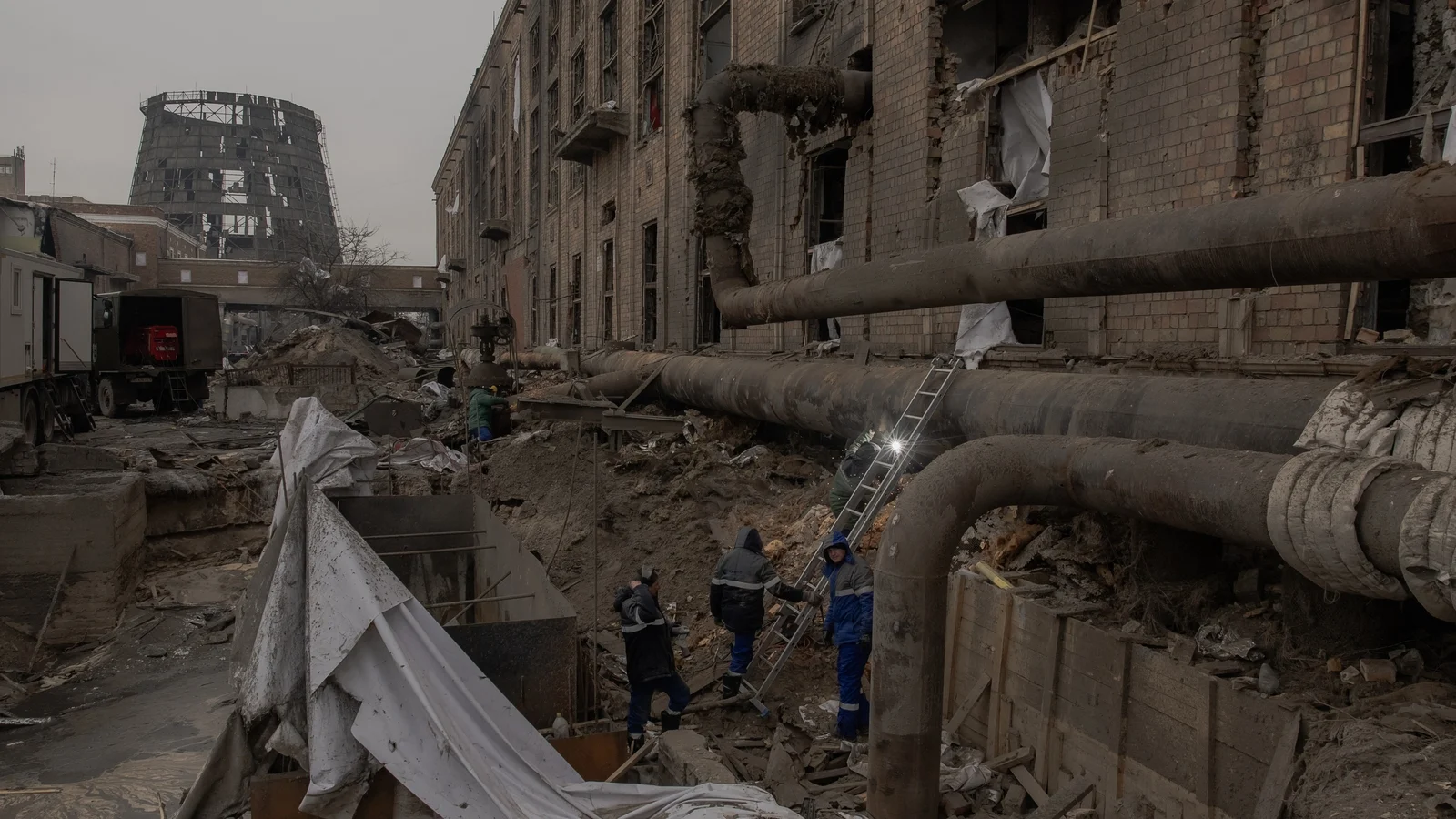
Minutes after pundits began dissecting Dmitriev’s comments, Ukraine’s Deputy Prime Minister Oleksiy Kuleba sent a different, grimmer note from his Telegram channel. He said Russia had launched a “massive” drone attack on the railway infrastructure in the northern Sumy region. Photographs accompanying his post showed charred rail cars and damaged power installations—clear signs that logistics, not just soldiers, remain a target.
“The enemy is trying to stop train traffic,” Kuleba wrote, calling the strikes “another act of terrorism” against Ukrainian logistics. In Ukraine, rail is the artery of civilian life and the spine of military supply. When trains stop, markets thin, medicine deliveries stall, and the rhythm of daily life is disrupted.
On the platform of a small Sumy station, an elderly stationmaster named Mykola—who asked that only his first name be used—swept debris with a broom that had seen better days. “Those drones do not care if it’s a hospital wagon or a freight car carrying grain,” he said. “We heard the buzzing and then the silence. Silence is worse than noise. It tells you the trains will not come today.”
Logistics as a battlefield
Targeting infrastructure is not new; in modern warfare, it is deliberately used to sap morale and restrict movement. Humanitarian groups warn that such tactics deepen civilian suffering. According to humanitarian agencies, millions of Ukrainians have been displaced since 2022, and the disruption of food, fuel and medicine routes compounds the crisis.
“Attacking logistics is a strategy of attrition,” said an independent security analyst who has tracked the conflict. “If you erode the opponent’s ability to sustain, their options narrow. But the blow is felt hardest by civilians.”
Between hopeful words and practical realities
So where does this leave ordinary people? For the diplomat in Abu Dhabi, progress might be measured in agreed language across a page; for the stationmaster in Sumy, progress is a train that arrives on time. For families in towns near the front line, progress is the repair of a power line or the reopening of a station where children can catch a school bus without fear.
In the corridors outside the negotiation rooms, aides shuffled papers and diplomats exchanged cautious smiles. Behind the faces of statecraft were implicit calculations: sanctions, economic ties, the optics for domestic audiences, the desires of allied capitals. All of these feed into the theatre of negotiation.
What’s at stake
- Humanitarian relief: uninterrupted access to food, medicine and shelter for millions displaced.
- Strategic infrastructure: railways, power grids and ports that sustain an economy at war.
- Geopolitical alignments: the role of Europe and the US in shaping any settlement and the risk of broader confrontation.
Questions that linger: can words outpace weapons?
It is reasonable to wonder whether a negotiated path can proceed while military pressure continues. Can trust—already thin—be built across a negotiation table when the other side admits to striking vital civilian infrastructure? Negotiations without enforcement or verification mechanisms risk becoming sterile exercises in posturing.
“The key test of talks is whether they change behaviour on the ground,” said Dr. Marquez. “If what happens in Abu Dhabi is followed by de-escalation measures—agreed corridors, monitored ceasefires—that’s one thing. If it’s just talk while power lines are bombed, then words mean little.”
Invitation to reflect
As a reader, what do you expect from such talks? Do you place your faith in diplomacy even when it seems to run in parallel with violence? Or do you see the very act of negotiating as a necessary bridge, however imperfect?
There are no clean answers. But what stands out is human resilience: stationmasters sweeping platforms, negotiators drafting clauses, families rerouting lives as they can. The story in Abu Dhabi—and in Sumy, and in so many places in between—is not only about power politics. It is about people trying to keep life afloat in the smallest, most ordinary ways.
And as diplomats speak of “progress” under desert skylines, somewhere a train driver checks the rails and waits, hoping those words will one day translate into movement that brings people home.