When a Needle That Shrinks Pounds Raises the Stakes for Sight
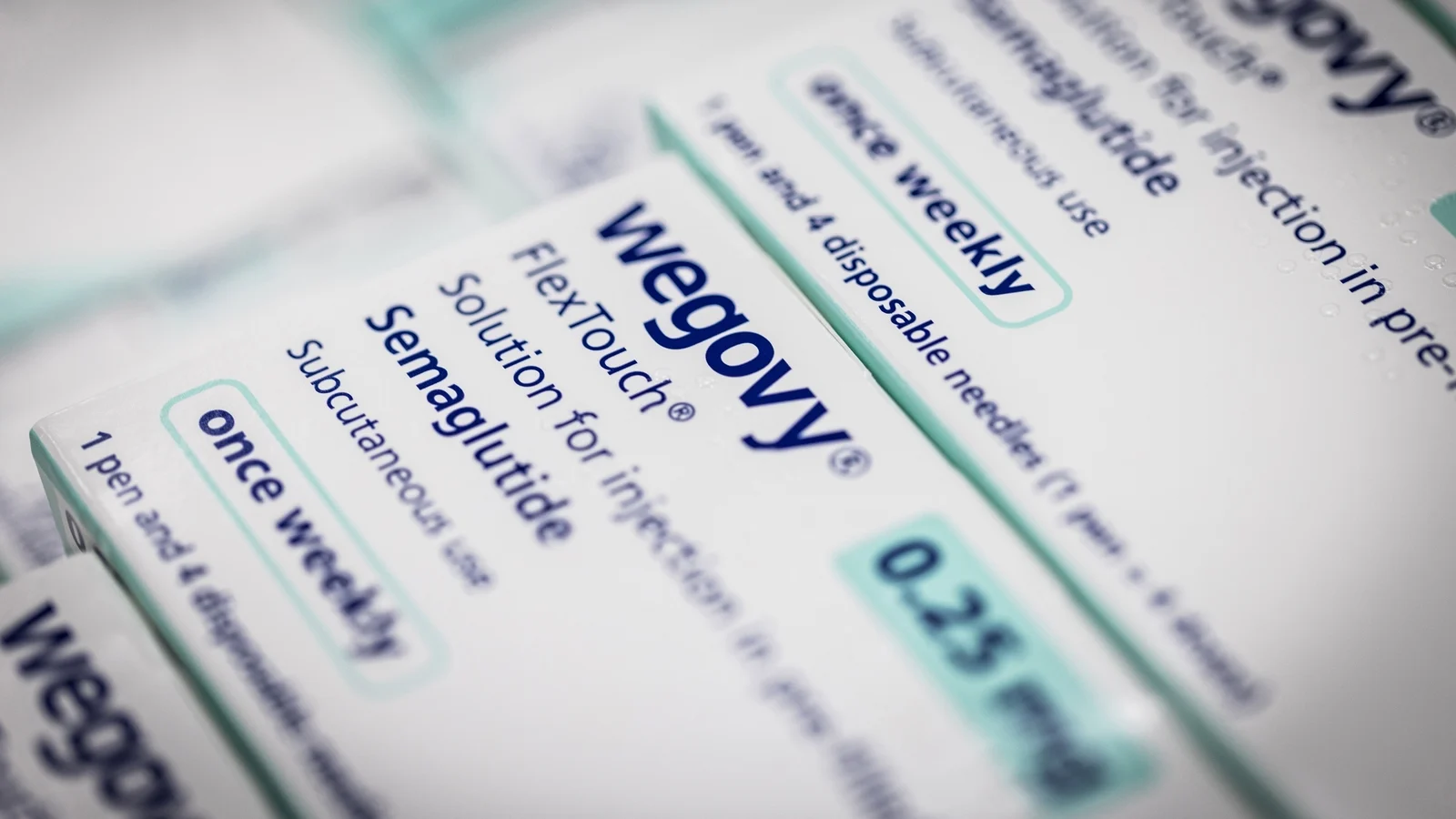
On a rain-slick morning outside a London eye clinic, 58-year-old Marcus Reed walked in holding a small cardboard box of needles like a talisman and a threat at once.
“I used Wegovy for nine months. My trousers fit better, my doctor congratulated me—and then I woke up one morning and half my vision was gone,” he told me, his voice low and steady. “You don’t expect that. You expect your waistline to change, not your world.”
Stories like Marcus’s are why a new analysis published in the British Journal of Ophthalmology has caused such a stir. Researchers trawled the US Food and Drug Administration’s Adverse Event Reporting System (FAERS) from December 2017 through December 2024—more than 30 million individual reports in total—and homed in on roughly 31,774 alerts tied to semaglutide, the active ingredient that has become a poster child for both diabetes care and rapid weight loss.
The numbers are stark. Of those semaglutide reports, 3,070 referenced Wegovy, the high-dose formulation approved for weight loss in 2021; 20,608 were associated with Ozempic, the lower-dose injectable licensed for type 2 diabetes since 2017; and the pill form, Rybelsus, showed a different pattern altogether. Despite Ozempic’s larger share of reports—no surprise, given its earlier approval—the analysis found signals suggesting that Wegovy carried the strongest link to ischaemic optic neuropathy (ION), commonly known as an “eye stroke.”
What the data suggest
According to the study, people on Wegovy had nearly five times the odds of developing ION compared with those on Ozempic. Men appeared to be at higher risk than women—more than three times higher in the dataset examined. Notably, Rybelsus, the oral formulation, did not show the same association, a discrepancy the researchers attributed to slower absorption and lower peak levels with the pill.
“These findings don’t prove causation, but they flash a yellow light,” says Dr. Mira Patel, a consultant ophthalmologist who treats patients with vascular eye disorders. “ION is devastating and sudden—you’re talking about loss of vision that can be permanent. When a drug is linked to this more often at higher doses, clinicians and regulators must look closely.”
How an ‘eye stroke’ happens—and why semaglutide might matter
Ischaemic optic neuropathy results when blood flow to the optic nerve is reduced or cut off, causing sudden visual loss. Non-arteritic anterior ischaemic optic neuropathy (NAION) is the most common form and has been linked in the past to low blood pressure during sleep, structural susceptibility in crowded optic nerves, and rapid shifts in circulation.
Semaglutide belongs to the GLP-1 receptor agonist family. These drugs revolutionized diabetes care by improving blood sugar control and, at higher doses, reliably inducing weight loss. But with dramatic clinical gains come new safety questions.
“One hypothesis is that rapid, significant weight loss can change vascular dynamics and blood pressure patterns,” says Professor Daniel Kwan, an endocrinologist and researcher. “Add to that the high systemic exposure with injectable high-dose formulations like Wegovy, and you have a plausible biological pathway for an increased risk of ischemic events in susceptible patients.”
Voices from the clinic and the café
In a small Manchester café, Sarah, 34, who uses Ozempic for type 2 diabetes, told me she had read headlines and felt alarmed. “I lost weight and my glucose numbers improved. I check my vision more now than I used to—maybe I didn’t take that for granted before.” She paused. “But I also feel lucky my doctor watches my blood pressure.”
Healthcare providers are on edge. “We must balance the clear benefits—reduced cardiovascular risk for some patients, better glycemic control and meaningful weight loss—with the responsibility to screen and warn patients about rare but serious adverse events,” says Dr. Alison Reyes, a general practitioner in Bristol. “This is why shared decision-making is crucial.”
Industry and regulators respond
In response to safety signals, several regulatory bodies and drugmakers have already updated labeling information. Novo Nordisk, which manufactures Wegovy, Ozempic and Rybelsus, told reporters that patient safety is its top priority and that it is continuously monitoring the safety profile of its products. The company has updated EU patient leaflets to include non-arteritic anterior ischemic optic neuropathy (NAION) among potential adverse events, while also maintaining that current data do not establish definitive causality and that the overall benefit–risk profile remains favorable.
“We are evaluating the evidence and working with health authorities,” a company statement read. “Patients should consult their healthcare providers with any concerns.”
What experts recommend now
Researchers behind the study are blunt: the signal needs urgent prospective evaluation. In plain terms, that means carefully designed studies that follow people forward in time—not just retrospective analyses of voluntary reports—to establish whether Wegovy truly raises risk, which patients are most vulnerable, and why men might be affected differently.
“The passive reporting systems are vital for early warning, but they capture only part of the picture,” explains Professor Kwan. “We need controlled trials or registries that collect detailed clinical data to guide prescribing and regulation.”
What should patients and prescribers do?
For people taking semaglutide—especially the higher-dose formulations—clinicians suggest practical vigilance, not panic. Here are common-sense steps experts recommend:
- Talk openly with your prescriber about your personal risk factors, including existing eye disease, prior optic nerve issues, or very rapid weight loss.
- Be alert to sudden visual changes—shadows, blurred vision, or patches of missing sight—and seek immediate evaluation by an eye specialist.
- Do not abruptly stop prescribed medication without consulting your clinician; weigh risks and benefits together.
- Consider baseline eye examinations and close follow-up for patients with other vascular risk factors.
Broader questions this raises
As GLP-1 drugs move from specialty clinics into mainstream conversations—from celebrity endorsements to crowded waiting lists at obesity clinics—society faces tough questions. How do we regulate medicines that straddle disease and enhancement? How do we ensure equitable access without undercutting safety? And how do we preserve public trust when new and rare harms surface?
“The semaglutide story is a case study in modern medicine’s dual nature,” says Dr. Patel. “These drugs offer transformative benefits for many, but they also remind us of an old adage: no intervention is without risk. Our task as clinicians and as a society is to navigate that balance transparently and compassionately.”
So what do you think? Would you accept a small chance of a serious but rare side effect for large potential benefits? How should regulators balance speed and caution when a drug changes people’s lives so visibly? Your perspective matters in this conversation that reaches far beyond clinics and regulatory filings—into kitchens, social media feeds, and the quiet rooms where people decide what a healthier life looks like.
Until we have firmer answers, the message is measured: semaglutide remains a powerful tool—one that must be wielded with clear eyes, careful screening, and honest dialogue between patient and clinician.