A Midnight Collision on Sunset: When Celebrity and Everyday Life Cross Paths
There is a particular light on Sunset Boulevard after midnight — neon washed, a little tired, full of people who never quite sleep. It was under that electric haze, at the corner of Sunset and Fairfax, that a scene played out this week that has Hollywood whispering and the internet roaring: Kiefer Sutherland, the actor whose face is familiar to millions, was arrested after an alleged confrontation with a ride-share driver.
The Los Angeles Police Department has said that the incident happened just after midnight on Monday, when Sutherland entered a ride-share vehicle and allegedly “physically assaulted the driver (the victim), and made criminal threats.” The driver was not injured, police added. Sutherland posted a $50,000 bond — about €42,915 — and is due in court on 2 February as the LAPD’s Hollywood Division continues to investigate.
More Than a Headline: A Citybeat Story
On paper, it’s a short list of facts. But on Sunset, everything is lived and then retold: the late-night bars with sticky floors, the exhaust of tour buses, the earbuds of a driver who has made Los Angeles his second home. “It was right in front of my bar,” said Miguel Alvarez, who runs a small tapas place a block away. “We saw the commotion. People stopped. Cameras came out. In Hollywood, these moments become a kind of currency.”
Alvarez’s voice carries the mix of annoyance and weary amusement that only locals seem to master. “You expect crazy things here. But when it’s someone you recognize, it becomes bigger. It’s like the city holds its breath.”
The Man Behind the Roles
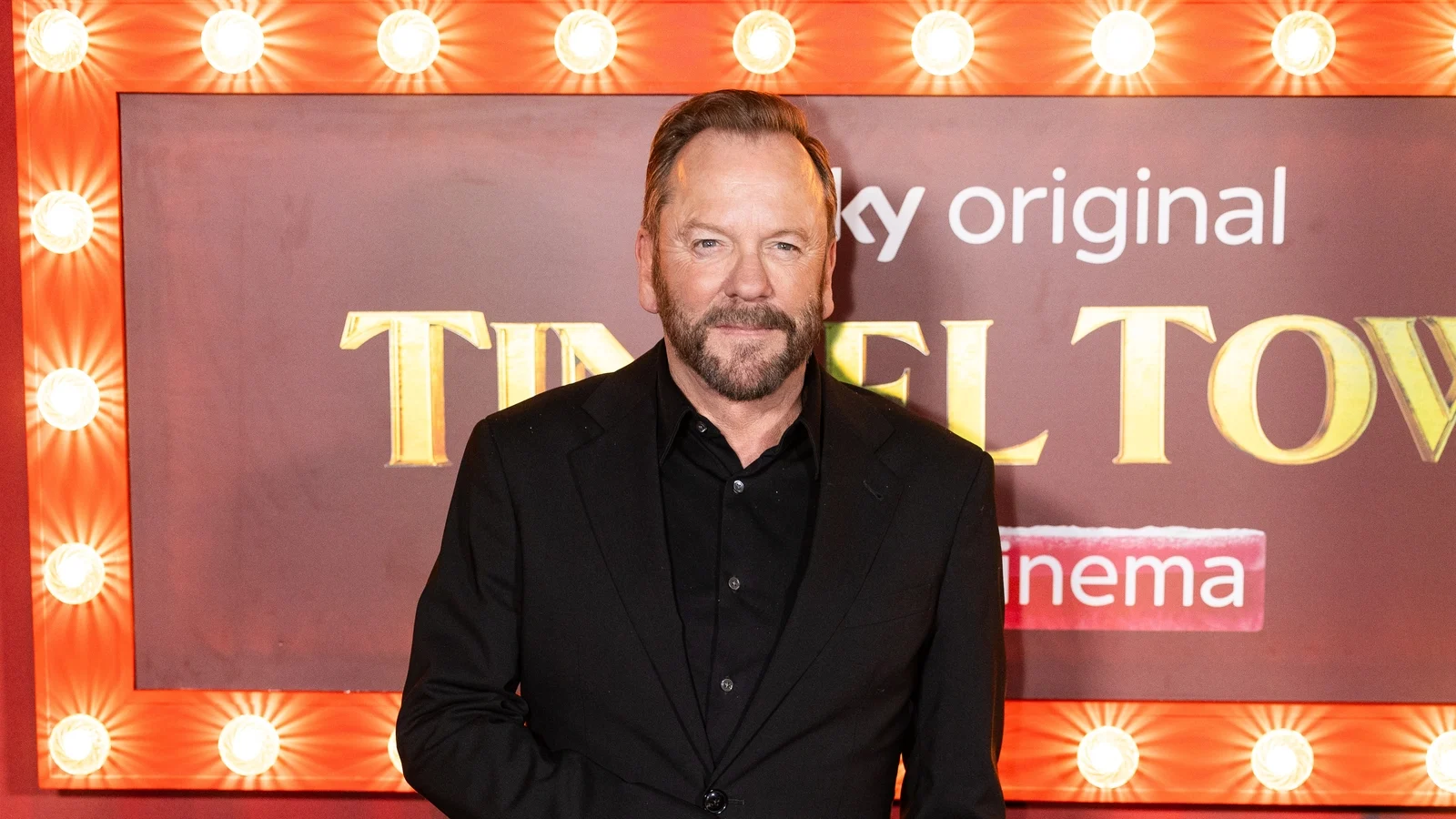
Kiefer Sutherland is hardly anonymous. The London-born Canadian rose to household-name status as Jack Bauer in the adrenaline-strung TV series 24, and later played President Tom Kirkman in Designated Survivor. He is also the son of the late Donald Sutherland, a dynasty of actors in his own right.
Those parts are etched into popular culture: the sleepless agent, the reluctant president. Yet people are more complicated than characters. In 2007, Sutherland was sentenced to 48 days behind bars after a driving-under-the-influence conviction — a fact that is now part of the context many bring to this newest headline.
What This Moment Reveals
This arrest is not just another celebrity scrape. It sits at the intersection of several modern threads: the precarious safety of gig workers, the pressures and tabloid scrutiny of public figures, and the way social media can amplify a single night into a global conversation.
Ride-share drivers in big cities are exposed to unpredictable interactions. “Drivers take on risks every night that go beyond navigation,” said Dr. Linda Hart, a labor sociologist who studies gig work. “They have to adjudicate disputes, manage intoxicated passengers, and sometimes face aggression. This is a structural issue, not an isolated incident.”
Hart points to a pattern: city regulators and platforms have struggled to balance convenience with safety. Some cities have launched initiatives — emergency buttons in apps, in-car cameras, better vetting — but many drivers say the protections are still insufficient.
Faces in the Night
“I’ve driven celebrities before,” said Jamal, a 34-year-old rideshare driver who asked that his last name not be used. “Some are quiet, some tip, some are awkward. But fights? That’s not normal. I always keep my doors locked until I know the passenger is calm. You learn to protect yourself.”
Jamal’s hands, though steady as he tells the story, carry the fatigue of someone who has learned the hard edges of a city that never quite rests. “People think it’s glamorous,” he said. “They see the red carpets. But driving in Los Angeles at two in the morning? It’s just work.”
The Legal and Cultural Ripples
Legally, the case will follow its own arc: arrest, investigation, possible charges, and the slow churn of the court system. Sutherland’s posting of bond means he has been released pending his appearance in court. Beyond the docket, there are cultural reverberations to consider. When a well-known figure is involved, public opinion becomes both courtroom and court of public sentiment.
“We have to be careful about rush judgments,” said Katherine Lang, a defense attorney who has represented high-profile clients. “People consume a headline, then build a narrative. The legal system is designed to parse evidence. But the court of public opinion moves at a different pace. That can shape reputations in ways that are irreversible.”
Lang’s caution is wise. Still, moments like this force a conversation about accountability. When a famous person appears before the law, the optics are scrutinized: were they treated differently? Were victims heard? Did fame shield or expose? These questions are not new, but they matter, because law and culture exist in a feedback loop.
Questions for the Rest of Us
What responsibility do we bear as consumers of such stories? We click, we comment, we retweet. We feed a sometimes voracious appetite for spectacle. But we also shape the narratives that circulate — and the human beings at their center.
Ask yourself: how do we balance curiosity with restraint? How do we support workers who report feeling unsafe? How do we remember that public figures have private lives — and that private lives can be messy, painful, and consequential?
Small Details, Big Meaning
A passerby later described the spot where the incident occurred: a strip where a midnight taco truck often parks, where a string of neon signs compete for attention, where a church steeple is just visible between studio lot walls. These juxtapositions — the sacred and the profane, the ordinary and the famous — are what make cities like Los Angeles both thrilling and combustible.
“I just hope the driver is okay,” said Rosa, who lives nearby and works nights at a production office. “No one should leave their job and be afraid of losing it, or worse. And I hope Mr. Sutherland gets that this is serious.”
Looking Ahead
The immediate facts are straightforward: an arrest, an allegation, a bond, a court date. The longer arc will be less tidy. There will be legal filings, perhaps statements, perhaps silence. There will be commentary and counter-commentary, opinions that align with narratives we already hold.
But beneath the headlines are people — a driver who may still be processing what happened, an actor whose life has been under public scrutiny for decades, bystanders who watched a moment unfold and then returned to their lives. Those are the real stories, the ones that don’t fit neatly into a single paragraph.
So as you scroll past the next breaking item on your feed, pause for a moment. Consider the human dimensions behind the quick updates. What does this tell you about accountability, fame, and the precariousness of everyday work? What might change — for policies, for drivers, for how we treat each other on the late-night streets of our cities?
The answers won’t all arrive in one court session. But they are worth seeking, because in a world where headlines travel faster than understanding, taking the time to listen might be the most radical thing we can do.