On the edge of the Baltic: a changing calm
There is a peculiar kind of quiet that settles over the Stockholm archipelago in late spring—small ferries leave wakes that silver the water, sea birds wheel above granite skerries, and the scent of pine and salt hangs in the air. Walk the coastal path near a fishing village and you might hear the distant hum of a freighter, and, lately, the clipped chime of military radio traffic. It is beauty and tension braided together.
“You feel it in the way people lock their doors a little sooner now,” says Ingrid Andersson, who grew up on Gotland and still goes out at dawn to check lobster pots. “We love this sea. But you also notice the patrols, the navy lights at night, and the conversations in the cafés—people are paying attention.”
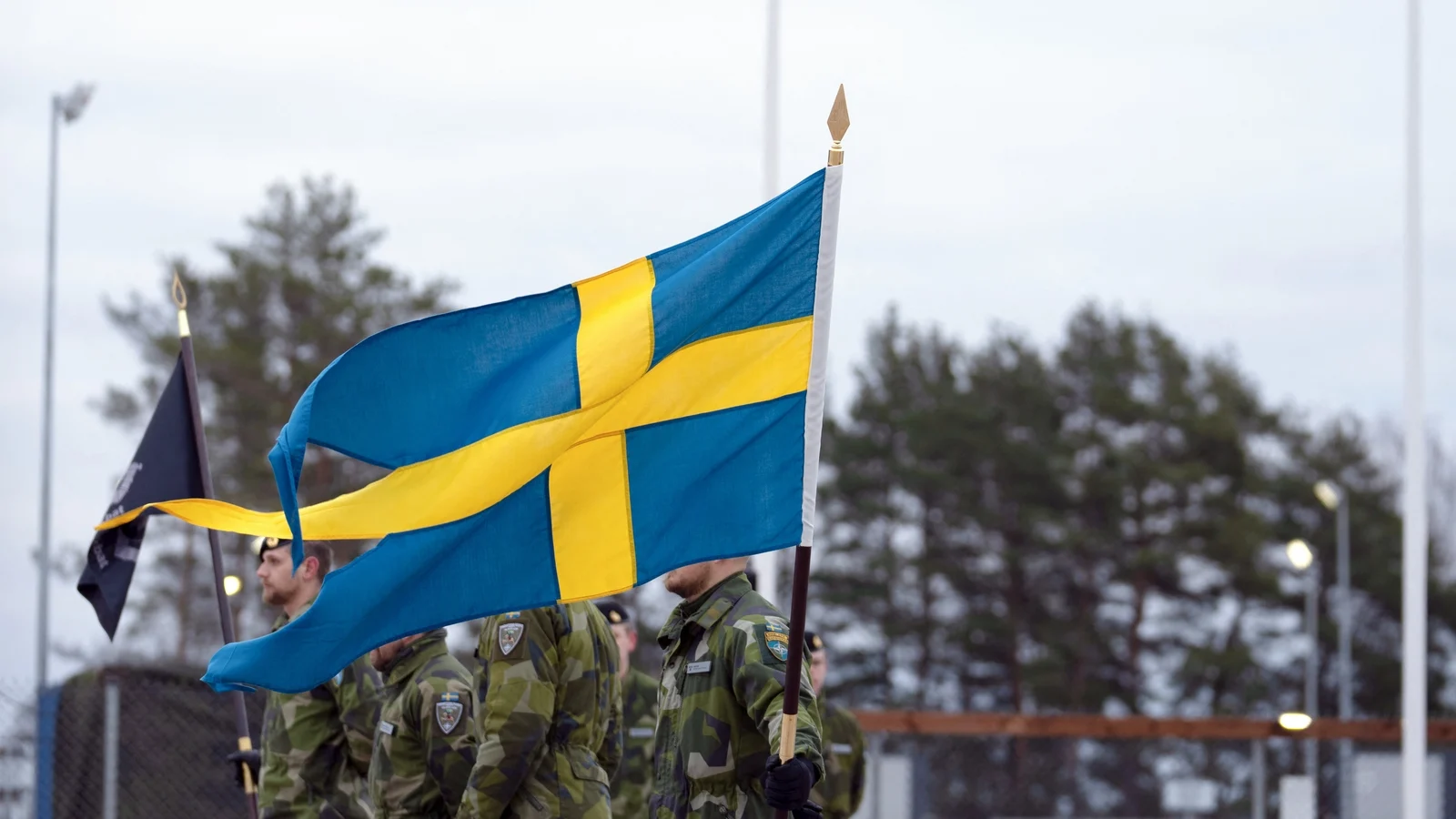
That attention has been precisely the point of Sweden’s Military Intelligence and Security Service (MUST), which this week released a yearly threat review that reads more like a cautionary dispatch than a routine bulletin. Thomas Nilsson, the head of MUST, put it bluntly: Russia has stepped up hybrid threat activities and appears ready to take greater risks in the region around Sweden.
From tactics to temperament: what the intelligence says
“Russia has, in certain cases, stepped up actions and increased its presence, and perhaps with a greater risk appetite, in our vicinity,” Nilsson told reporters. His language—measured, but urgent—captures a growing unease among security officials in Stockholm and capitals across the Baltic rim.
MUST’s review reiterates a point that has become central to Swedish strategic thinking since Russia’s full-scale invasion of Ukraine in February 2022: Russia is the principal military threat to Sweden and to NATO in the Baltic theatre. The agency notes not only an intensification of traditional military preparations but a widening palette of hybrid tools—cyber intrusions, disinformation campaigns, covert maritime activities, and the shadow play of proxy actors—that can unsettle societies without crossing the line into open war.
“If Moscow meets resistance and fails,” Nilsson warned, “we may well see increased attempts to apply pressure through other means—disruption, coercion, and asymmetrical operations designed to exhaust and intimidate.” He also cautioned that success could embolden still riskier behavior. “Either outcome raises the appetite for risk,” he said.
What is meant by “hybrid”?
Hybrid warfare isn’t a single weapon; it’s a toolbox. Think of it as the blending of cyberattacks with misinformation, naval probes with covert surveillance, economic pressure with legal pretexts. It is crafted to create ambiguity, erode trust, and shift perceptions before governments can respond decisively.
- Cyber operations that target infrastructure or political institutions;
- Information campaigns that sow confusion and distrust;
- Unmarked or gray-zone naval activity near territorial waters;
- Sabotage and covert action aimed at critical sites or supply chains.
“The genius of these tactics is their slipperiness,” explains Dr. Erik Larsson, a defense analyst at the Swedish Defence University. “They are often deniable, hard to attribute quickly, and they force an adversary to respond on multiple fronts—military, civilian, and psychological.”
Local color, real fears
People on the ground describe the intangible effects of that multi-front pressure. In a café on Visby’s cobbled main street, a retired schoolteacher named Fatima sips strong coffee and talks about a different kind of anxiety: “It’s not just ships and planes. It’s when your neighbor shares something online that looks real but isn’t. You start questioning who to trust.”
For small businesses that depend on tourism, the fear is economic as much as existential. “If people think the Baltic is unsafe, they’ll stay away,” says Johan, who runs a guesthouse near the harbour. “We’ve lived through tough winters, but uncertainty is a cold that lasts.”
On the northern edge of the country, where submarine cables and energy lines thread through the seabed, authorities are increasingly monitoring critical infrastructure. “Energy resilience is national security now,” notes Emma Karlsson, an infrastructure planner. “We’re updating contingency plans at a pace that would have seemed excessive five years ago.”
Numbers and geopolitics: the wider context
The must-read element of MUST’s review is not an alarm bell so much as a map of shifting priorities. Since 2022, many European nations have recalibrated defence budgets, alliance relationships, and emergency planning. Sweden, with roughly 10 million people and a long maritime frontier, has moved from a posture of cautious neutrality to one of active cooperation with Western allies.
Across the Baltic Sea, the island of Gotland has emerged as a focal point of concern. Its strategic location—midway between Sweden and the eastern Baltic—makes it a natural stage for naval and air activity, and locals know the geopolitical logic by heart. “You get used to being part of the chessboard,” Ingrid says wryly. “But you don’t have to like it.”
The MUST review also notes that the pace of any Russian build-up in the Baltic will be shaped by several variables: the course of the war in Ukraine, the resilience of the Russian economy, and Moscow’s relations with actors such as China. Put simply: geopolitics is a spinning dial, and small moves in one corner can produce large effects elsewhere.
What this means for citizens and policymakers
If hybrid tactics are designed to blur lines, then clarity becomes a defense. That means better cyber hygiene in municipal offices, more transparent media literacy campaigns to inoculate citizens against disinformation, and seamless civil-military cooperation in emergencies.
“Security is not just soldiers and ships,” says Dr. Larsson. “It’s teachers, IT managers, ferry captains, journalists. It’s ordinary people making informed choices.”
In concrete terms, Sweden is strengthening ties with NATO members and regional partners, investing in intelligence capabilities, and shoring up critical infrastructure. But preparation is as psychological as it is material. Communities must be resilient not because they fear war, but because they value the freedoms and normal rhythms that hybrid campaigns aim to distort.
Questions to sit with
As you read this, consider where you live and how resilient your local institutions feel. How would your town cope with prolonged disinformation, targeted power outages, or a cyber disruption to public services? These are not hypothetical thought experiments—they are the contours of contemporary security challenges.
“We don’t want to live in a world where every decision is made under duress,” Ingrid says. “But we also can’t pretend nothing has changed. We must be ready without becoming afraid.”
Looking ahead
The Baltic Sea has always been a place of weather and waves, commerce and culture—its significance has long outstripped its size. Today, that strategic importance makes it a mirror of broader shifts in international politics: the return of competition between great powers, the rise of hybrid tactics that target societies as much as militaries, and the enduring need for alliances and civic resilience.
Nilsson’s warning is a call to sober preparation rather than panic. The task for Sweden—and for all democracies touching the Baltic—is to hold fast to normal life while building the muscle to repel ambiguity, disruption, and coercion.
“We must be vigilant, not anxious,” says Dr. Larsson. “Because the best defense is a confident society that refuses to let fear dictate its future.”
And as the ferries keep cutting silver paths across the water and children still chase kites on the shoreline, one hopes that vigilance will translate into calm—a steady kind of courage that keeps communities safe without dimming the everyday light that makes the Baltic coast home.