The Day the Gavel Chipped a Tariff
It was a late-winter afternoon in Washington that began like any other — politicians dotted the TV screens, a few jaywalkers scuffled past marble steps, and the hum of the capital felt routine. Then an opinion dropped from the Supreme Court and the noise got louder: not the fireworks of a policy change, but the slow, structural crack of power being redistributed.
The Court concluded that the president had stretched the authority to impose broad, sweeping tariffs beyond what Congress had clearly granted. In plain terms: the White House’s favorite economic lever — a blanket ability to reshape trade through unilateral tariffs — was curtailed. Markets blinked. Exporters straightened their shoulders in anxious hope. Global trade diplomats pulled up calendars and suitcases, wondering which calls and meetings would be canceled or accelerated.
What the Ruling Means — And What It Doesn’t
The judgment attacked the legal underpinnings of a tariff regime that, in the past half-decade, has been central to American economic strategy. For businesses that ship to the United States, the ruling immediately raised a dense fog of practical questions: Will existing duties stay? Are refunds payable? Which industries will be targeted next?
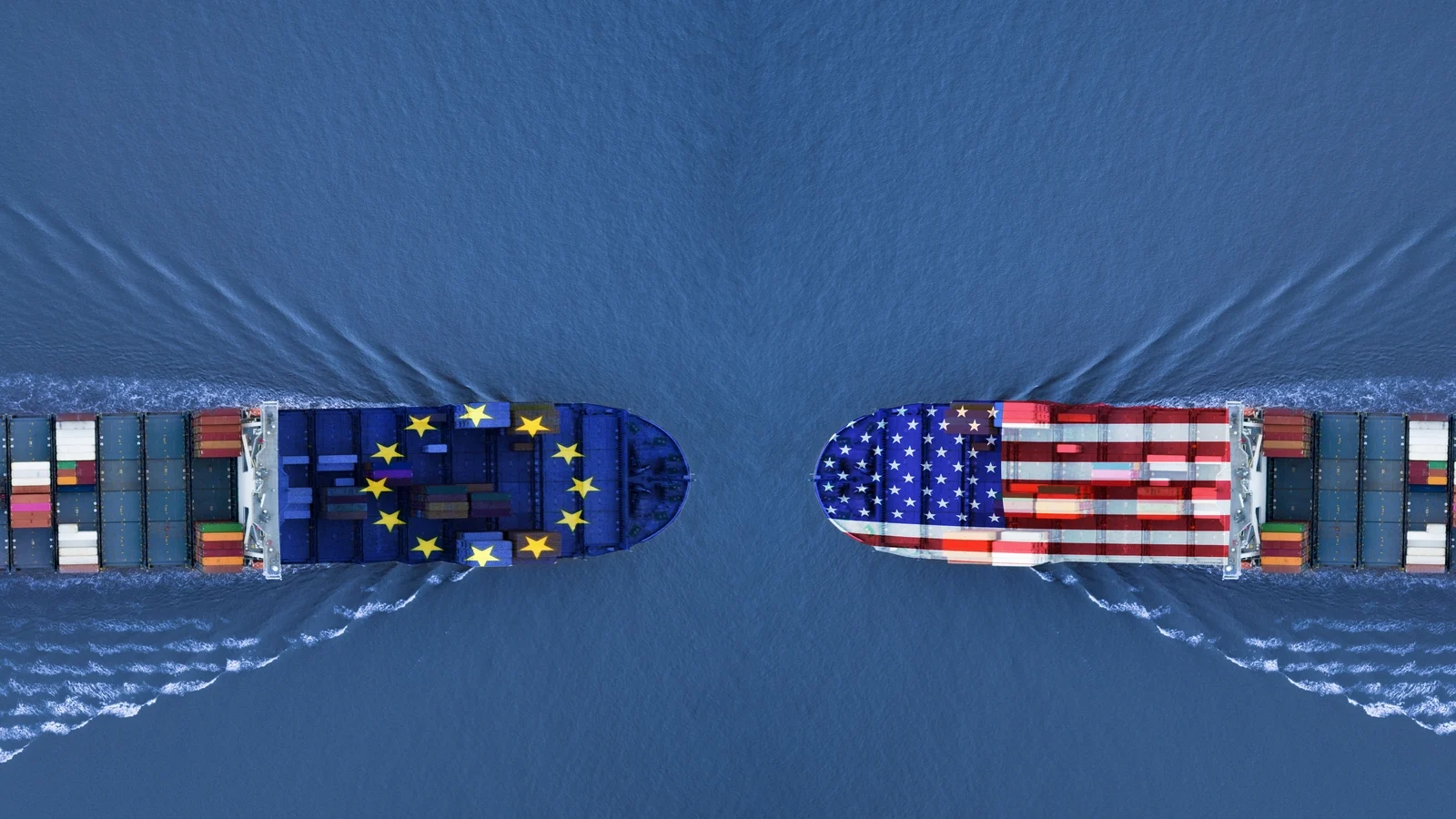
From the White House came an immediate counterpunch: in a televised briefing, officials announced an additional 10% levy on global trade into the United States — to be applied on top of existing, sector-specific duties — while the administration pursues new statutory routes to shore up its policy. “We will not let a single court decision undo our ability to protect American workers and manufacturing,” a White House senior adviser said. “We’re adapting, legislating, and keeping our options open.”
Legal scholars say that what happens next will be messy. “The Court has reminded us that trade policy is not the playground of unilateral executive fiat,” said Professor Maria Velasquez, a trade-law expert at Georgetown University. “Congress controls the purse and the power to regulate imports. The real test will be whether lawmakers move to grant the president the authority he seeks — and by what limits.”
Voices from the Ground: Exporters, Officials, and Ordinary People
Across the Atlantic, in a small packing shed in County Cork, Maria O’Sullivan folds the cardboard lids of boxes meant for the American market. “Two years ago we could make our forecasts for the season,” she says, rubbing flour from her hands. “Now we’re rewriting contracts every time someone coughs in the courthouse.”
Irish agricultural exports, particularly beef and dairy, are sensitive to tariffs. Officials in Dublin are watching for clarity: the big question is whether the White House’s new 10% will be tacked on to preexisting duties, or whether new trade understandings negotiated at the summit in Scotland last July will redefine the playing field.
“We take note of the ruling and are analyzing its implications,” said a senior EU trade official in Brussels. “For our exporters and our negotiating posture, certainty is everything. We need clear answers on how the US intends to proceed.”
At the ports of Rotterdam and Hamburg, freight operators reported a tentative halt in bookings for late spring shipments to the US while lawyers and customs brokers comb through the decision. A line haulier in the Netherlands shrugged: “People are holding back, because you can’t afford to pay duties twice by mistake.”
Officials and the Fog of Refunds
One of the thorniest issues is refunds. Traders want to know whether tariffs previously collected under the authority now struck down must be returned to importers. The Court, the White House, and Congress currently give different signals.
“Litigation will decide the details,” the White House spokesperson said, addressing concerns about past collections. “And until we see what the courts say, we will assess how to proceed.” Tony Reed, a customs broker in New York who’s been in the trade for three decades, put it bluntly: “Small importers could be wiped out waiting for the paperwork. Cash flow is the real margin here.”
Numbers That Anchor the Uncertainty
To understand the stakes, consider a few figures: in recent years U.S. tariffs on steel and aluminum reached 25% and 10% respectively under national security claims, and tariffs on hundreds of billions of dollars of Chinese goods were levied in a protracted trade dispute. Those policies reshaped supply chains, encouraging some reshoring while pushing other manufacturers to reroute through third countries.
Global trade flows are enormous and delicate; even fractional changes ripple. The United States imports trillions in goods annually — a volume that supports manufacturing clusters on both sides of the Atlantic, in East Asia, and across emerging markets. Any new layer of 10% duties has the potential to move production, alter prices at the grocery store, and change employment patterns in coastal ports and inland factories alike.
Broader Themes: Power, Policy, and the Pulse of Globalization
At its heart, the ruling is about more than tariffs. It’s about how democracies allocate power. In recent years, executives across the globe have leaned into unilateral action — deploying emergency powers to address everything from pandemics to trade imbalances. This decision is a reminder that legal checks and balances remain a vital part of how modern states operate.
“This case forces a conversation about democratic legitimacy in trade policy,” Professor Velasquez told me. “Should presidents be able to rewrite economic relationships on a unilateral basis? Or should those seismic choices require the explicit consent of legislatures that represent the people?”
There’s also a human story: when duties jump, consumers pay more; when duties fall away, factories can suddenly find markets open again. Supply chains — those invisible webs that knit the world together — are not abstractions. They are workers, truck drivers, mothers balancing orders and homework, and small-business owners with hopes and mortgages.
Questions for the Reader
What kind of trade system do we want? One that is nimble and centralized, able to respond quickly to national priorities? Or one that is deliberative and distributed, rooted in legislative checks and broad consultation? If tariffs are a tool of economic defense, who decides when and how it should be used?
These are not rhetorical exercises for policy wonks alone. They have practical consequences for the price of that steak in County Cork, the manufacturing job in the Midwest, and the container yards humming outside of Shanghai.
What Comes Next
Expect a period of diplomatic back-and-forth, swift legal filings, and perhaps legislative proposals aimed at clarifying authority. Businesses will hedge their bets: some will diversify supply chains, others will lobby for clarity and relief. Cities and towns that host export-oriented industries will watch the next weeks with the kind of attention usually reserved for weather warnings.
“Uncertainty is the enemy of investment,” a senior European trade advisor told me. “But crises can also be opportunities — for more transparent rules, for better-designed supports, and for a global trading system that is fairer.”
For now, the gavel has altered the tempo. The world’s marketplaces — physical and political — are recalibrating. The question is not just who wins in the immediate litigation or policy shuffle, but whether this moment will provoke a broader conversation about balance: between speed and oversight, between national interest and global cooperation, and between the raw power of the state and the everyday lives of people whose fortunes depend on the slow, steady hum of commerce.