When the Sky Opened: California’s Holiday Storms and the Quiet Aftermath
It began as a low, steady roar — the sound of rain threading down gutters, pooling on tarps and racing along asphalt. Then it became a full-throated thing, a daylong percussion that turned streets into rivers and hillsides into sluices of mud and broken brush. For millions of Californians, the holidays were rearranged by water: canceled gatherings, desperate rescues, and highways that looked more like streams than roads.
AccuWeather’s senior meteorologist, Tom Kines, summed it up plainly: “Think of this as one last round from the Pacific — heavy, persistent, and focused on Southern California. We expect another 1 to 3 inches of rain today in spots, then a real easing.” That’s roughly 2.5cm to 7.6cm, and while the numbers feel clinical, the scenes on the ground did not. In some places, residents had already seen more than 10 inches (about 25.4cm) from the initial surge of storms earlier in the week.
The conveyor belt from Hawaii — the infamous Pineapple Express
Meteorologists call it an atmospheric river; surfers and fishermen call it the Pineapple Express. Either way, this narrow, moisture-laden plume folded warm ocean air into California’s winter and delivered an intense dose of rain. The National Weather Service warned of a “broad plume of moisture” with the potential for numerous flash floods and debris flows, particularly in landscapes still raw from recent wildfires.
“When vegetation is stripped away by fire, the soil loses its sponge,” explained Dr. Ana Velasquez, a hydrologist at UC Davis. “That means the same storm that might normally soak into a slope runs off — fast and furious — and becomes wildfire-to-flood fallout.”
Where the Crisis Folded into Daily Life
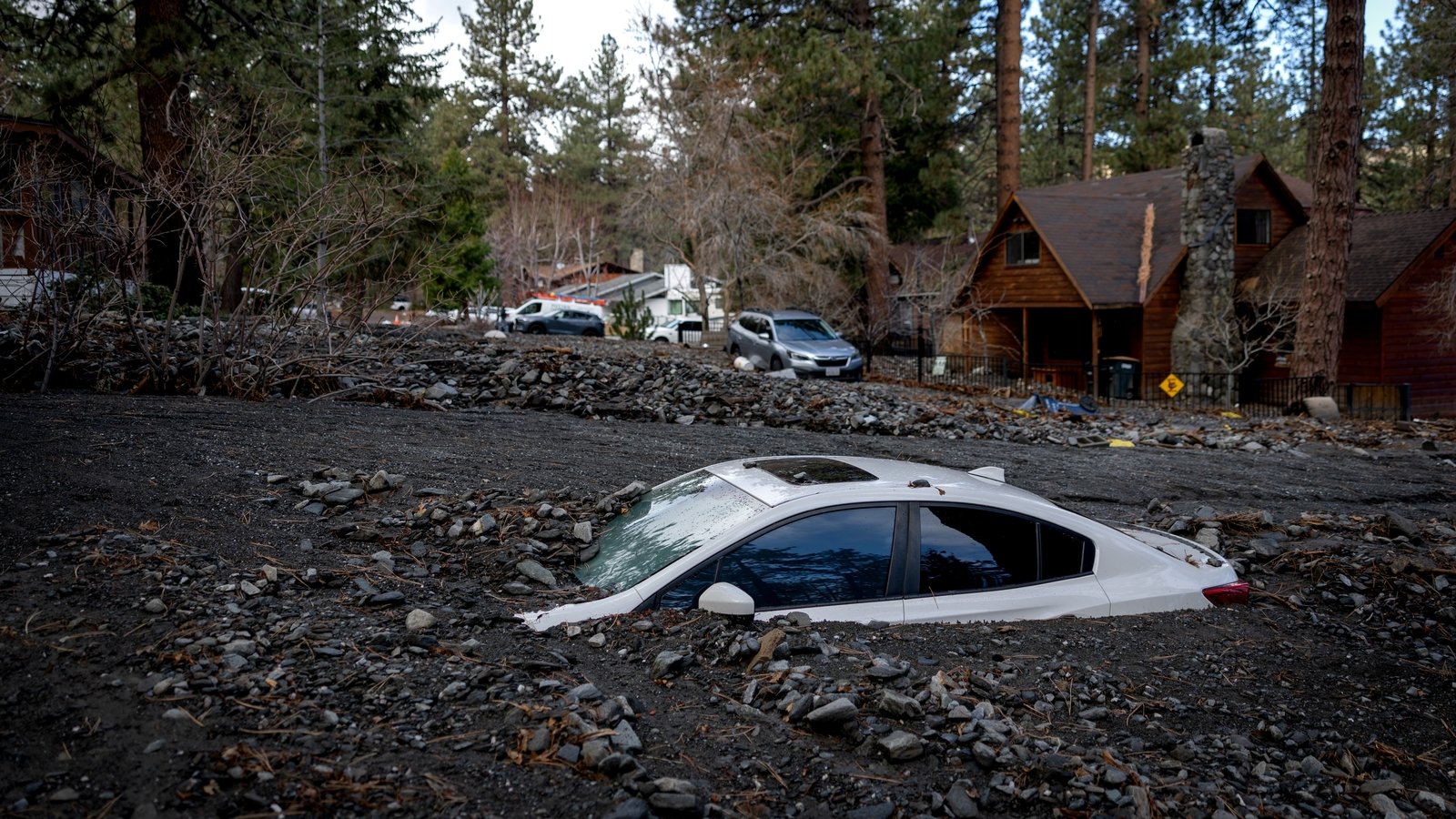
Wrightwood, a mountain town that usually rings with the quiet clack of snow on pine boughs, became a scene of urgent rescues. Muddy water raced along streets, cutting off homes and trapping cars. Christopher Prater, a spokesperson for San Bernardino County Fire, described crews bumping flashlights in the dark, guiding residents from porches and doorways to safety. “People were clinging to railings and mailboxes, shaking — and our teams were just flat-out working to get them somewhere dry,” he said.
Across Los Angeles County, officials issued the kind of blunt advisory that makes people sit up and reassess holiday plans: “We’re not clear yet. Roads, waterways and flood channels remain dangerous. Check conditions before venturing out.” The county also declared a state of emergency, a step that unlocks resources but also underscores how quickly seasonal weather turns into a civic test.
In coastal neighborhoods like Pacific Palisades and Malibu — places still carrying the scars of January’s wildfires — authorities were especially concerned. Burn scars are hydrologic red flags; where brush once anchored soil, nothing remains but exposed earth. That domino sequence — flame, loss of vegetation, then flood and debris flow — has become a familiar pattern across the West.
A statewide picture: snow, wind, and alerts
It wasn’t just the coast. Northern California grappled with its own volatile mix. The San Francisco Bay Area woke to emergency alerts about flash flooding, and the National Weather Service even flagged a severe thunderstorm near Santa Cruz as potentially capable of producing a tornado — a reminder that this storm system carried more than rain. At higher elevations, the Sierra Nevada braces for heavy snowfall, a seasonal boon for reservoirs but a logistical headache for travel and emergency services.
The Human Toll and the Holiday Travel Crunch
This is where statistics and lived experience collide. AAA had estimated that more than 14.5 million Californians would be on the road over the Christmas period — mostly by car. For many, the coming lull in rain offers a practical relief: drier roads and fewer sudden closures. But for others, the damage is ongoing: at least three people were reported to have died in storm-related incidents, including a person struck by a falling tree.
“We lost power for two nights, and for a few hours it felt like the whole world had shrunk to the wet glow of the streetlight,” said Maya Hernandez, who lives in a hillside apartment above Studio City. “When the water rose at the base of the hill, you realize how fragile our little networks really are.”
First responders and neighbors: the story beneath the headlines
Police, firefighters and volunteers moved through darkened streets and muddy yards, often with the same unglamorous tools: chainsaw, rope, a flashlight dug from a drawer. Volunteers brought hot coffee and sandwiches to crews who had been working nonstop. “We’ll do what we can,” said a firefighter who refused to give his name because he was still on a shift. “It’s what we train for, but you never get used to the fear in someone’s eyes when their home’s at risk.”
What this storm says about climate and resilience
Scientists caution against attributing a single weather event to climate change, but they also emphasize that warming oceans and a warmer atmosphere alter the behavior of atmospheric rivers — making them wetter and sometimes more erratic. California’s winters have always been mercurial; what’s different now is the compounding of extremes. Hinterlands denuded by fire are less forgiving. Urban drainage systems built for a different era struggle with concentrated downpours.
Dr. Velasquez noted, “We’re seeing the same ingredients in different combinations: more moisture in the air, hotter ocean temperatures, and landscapes changed by fire. The result is a higher potential for both epic drought and sudden inundation.”
Practical next steps and how you can help
For residents and travelers, common-sense precautions matter. Check local alerts, avoid driving through flooded roads (just a foot of water can sweep a car away), and keep an emergency kit handy. For those further afield who want to help, community organizations and local food banks often coordinate immediate relief for displaced families.
- Monitor official channels: NWS, county emergency pages, and local news.
- Don’t drive through standing water — turn around, don’t drown.
- Check on neighbors, especially the elderly or those with mobility challenges.
Looking forward: questions to carry with us
As the rain eases and crews begin to map damage, Californians will confront the old work of repair and the harder work of planning. How do we rebuild in places that burn and then flood? How do we align holiday travel habits with weather risk? And, at a broader level, how do coastal and mountain communities invest in resilience when extremes feel like the new normal?
“We have to stop treating one crisis as a separate event and start seeing them as linked,” Dr. Velasquez urged. “Wildfire, flood, snowpack — they’re chapters in the same book now.”
So when you next glance at a local forecast, consider the broader narrative hidden in those little icons of cloud and sun. The sky’s weather is also a weather of policy and planning — and in the end, our collective choices will determine whether the next storm finds us ready, or surprises us again.